Are you on the path to renovating your house? One way to completely change the outlook is to replace the fluorescent lighting system with LED. These new lights are money and design saviors.
They take up less space and use less energy, all while offering superior lighting quality. So, let’s take a look at the best ways to replace your home’s fluorescent lighting fixtures with LED.
Fluorescent lighting has been widely used for many years. However, its disadvantages make it less efficient than newer LED alternatives. These fixtures contain dangerous ingredients and operate inadequately under certain situations.
Moreover, they waste energy due to their non-directional light output. Understanding these limitations will show you that switching your lighting is the smarter option.
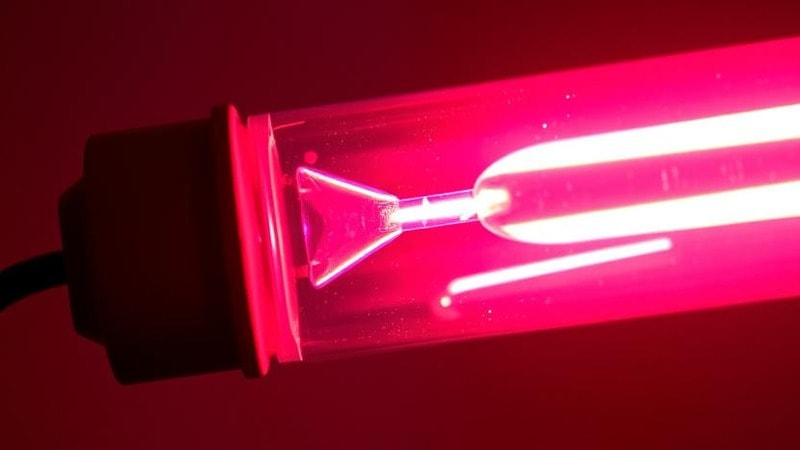
One of the most concerning aspects of fluorescent tubes is the mercury content. If the tube breaks, dangerous chemicals will leak into the environment. Mercury can seriously endanger human health. The proper disposal of broken bulbs requires special handling.
This increases maintenance costs and regulatory considerations. In contrast, LED tubes do not contain mercury, making them safer and more environmentally friendly.
Fluorescent lights fail to keep a steady brightness in severe temperatures. Cold conditions can induce delayed start times and dimmer performance.
Whilst extreme heat speeds up degradation. LEDs, on the other hand, function well in all temperature ranges without losing brightness or quality.

Fluorescent light bulbs have an average lifespan of approximately 10,000 hours. Thus necessitating regular replacements that increase maintenance costs.
In comparison, LED lighting can endure for 50,000 hours or more, considerably lowering replacement frequency and long-term costs.
Fluorescent tubes radiate light in all directions. This results in a considerable portion of the lighting being lost, particularly in installations without reflectors. This inefficiency results in higher energy use.
LEDs, on the other hand, provide directional illumination. This ensures that light is directed where it is needed, increasing overall efficiency and reducing energy waste.
Switching from fluorescent to LED lighting has numerous advantages. This includes increased energy efficiency and lighting quality.
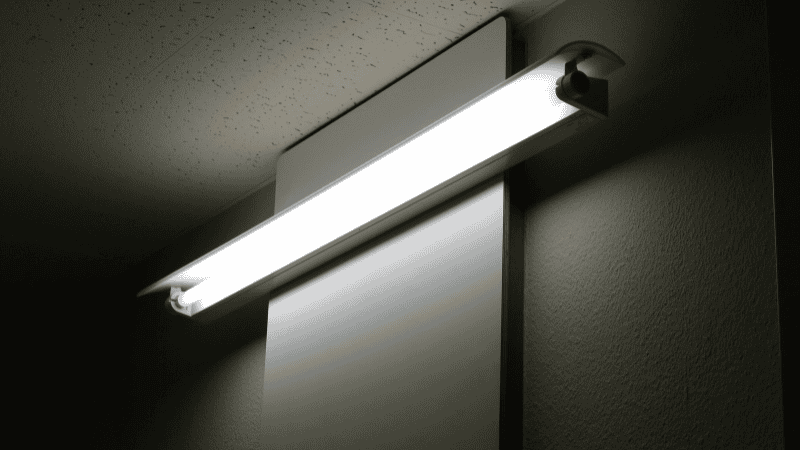
LEDs use substantially less power, minimizing electricity bills and environmental impact.
Their long lifespan reduces maintenance costs. Their superior light distribution and output increase visibility and productivity. These advantages make LED lighting a more cost-effective and environmentally friendly option for both home and commercial settings.
LEDs are intended to be extremely energy efficient. They consume up to 80% less electricity than standard fluorescent lighting.
This translates into significant savings on electricity bills, making them an excellent investment for both homes and businesses.
Furthermore, their decreased energy usage minimizes their carbon footprint. This results in a more sustainable and environmentally friendly lighting option.
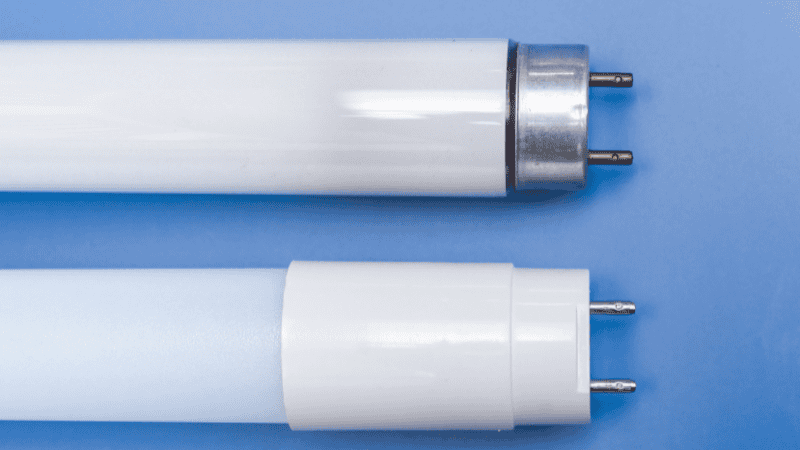
One of the most compelling reasons to convert to LED lighting is its longer life. LEDs can endure for 50,000 hours or more, whereas fluorescent lights normally last about 10,000 hours.
This increased longevity minimizes the need for frequent replacements. Thus saving time and money in the long run.
Upgrading from fluorescent to LED lighting solutions is a wise decision that results in cheaper energy costs, less maintenance, and fewer ballast failures.
Unlike fluorescent tubes, LED light bulbs provide quick brightness, a longer lifespan, and more efficiency. Thus making them a more reliable and cost-effective option over time.
LED conversion kits are a simple and cost-effective way to convert existing fixtures without having to replace them entirely. These kits include LED-compatible components, including retrofit LED tubes and LED bulbs.
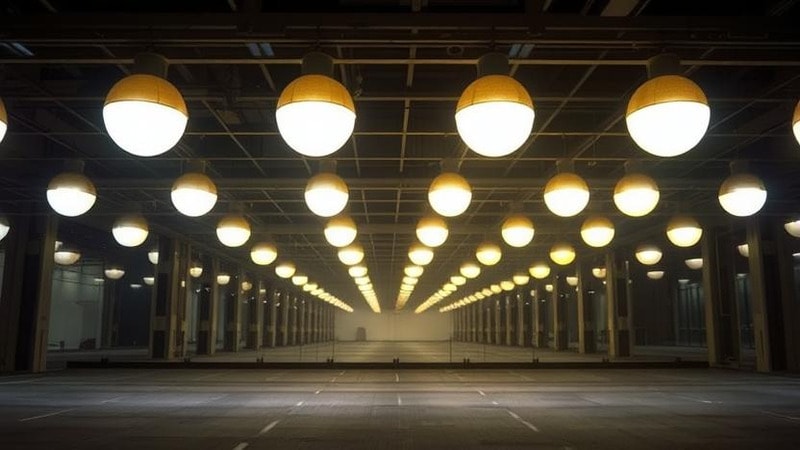
This allows you to upgrade your fixture while leaving the outside casing intact. Retrofit kids are suited for commercial buildings and office settings where fixture aesthetics are crucial.
LEDs produce brighter, more consistent light output than fluorescents. The older lights tend to flicker or dim over time.
They offer improved brightness and color temperature options. This contributes to a more comfortable and productive atmosphere, whether in businesses, retail settings, or homes.
Furthermore, LEDs eliminate the irritating hum and flicker associated with fluorescent lighting. This results in improved focus and reduced eye strain.
There are various methods for converting old fluorescent fixtures to LED. The most common method is ballast bypass conversion.
This technology enables existing fixtures to be upgraded with LED tubes by altering the wiring. Depending on the fixture type, you can select one-end or two-end ballast bypass tubes.
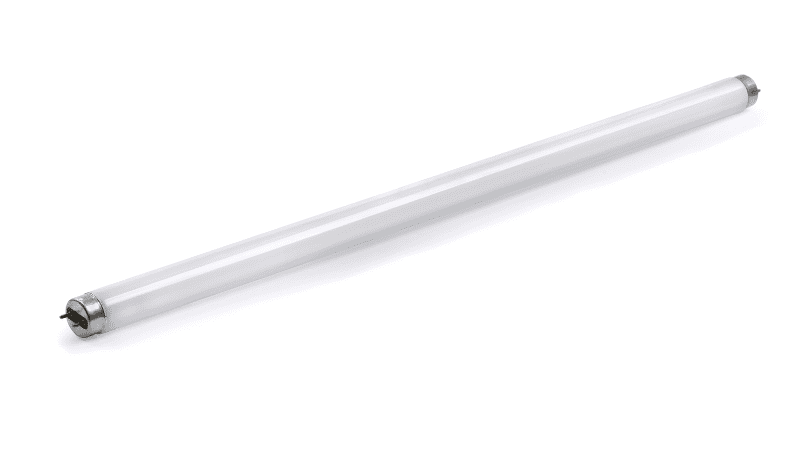
Both have their own set of installation requirements and LED conversion kits. Understanding such options will help your transition from fluorescent to LED lighting.
A ballast bypass conversion is the simple process of rewiring an existing fluorescent fixture. It allows it to run with LED tubes instead of the ballast. This is required because ballasts use extra energy and can fail over time.
Thus requiring costly maintenance. When bypassing the ballast, it can be left in situ (disconnected) or removed completely.
This method saves more energy and ensures that the LED tubes perform properly without interference from an aged ballast.
Ballast bypass tubes are available in two configurations: single-end and double-end wiring.
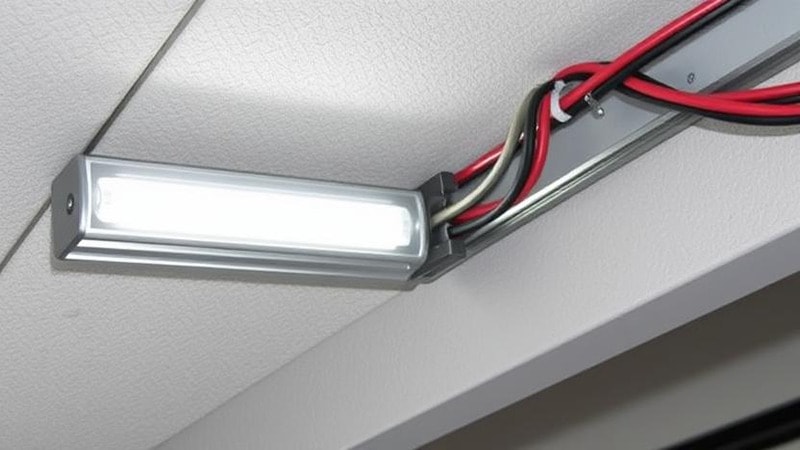
Single-end tubes need all wire connections to be on one side of the tube, which means that one end receives electricity while the other remains dormant.
These are relatively easier to install in fresh configurations. Double-end tubes require power connections at both ends of the fixture.
This makes the entire lighting fixture more adaptable to electrical current wiring schemes. Choosing between these options will depend on the current fixture and wiring configuration.
When switching from fluorescent to LED lighting, you have two options. You can either retrofit your old fixtures with LED tube lights.
Or you can completely replace them entirely with specialist LED fixtures. Retrofitting is generally a more cost-effective option. It allows you to enhance your lighting while preserving your existing fixtures.
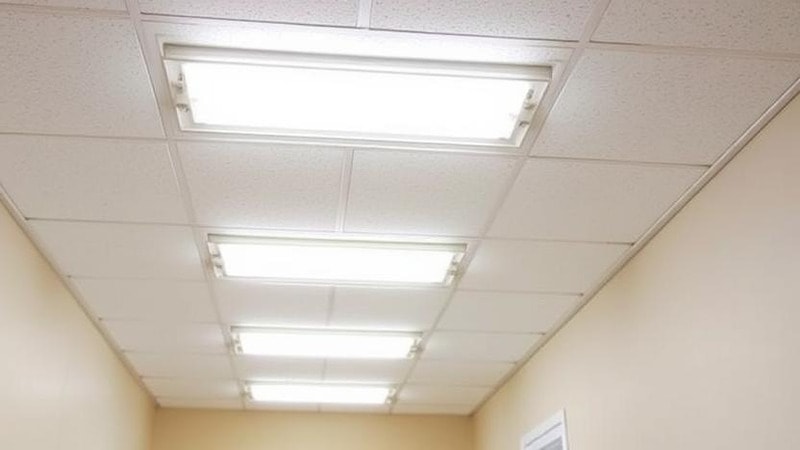
However, replacing fluorescent lighting with new LED lighting options is more comprehensive. This long-term solution ensures optimal efficiency and current design.
LED tube lights are a straightforward solution to retrofit existing fluorescent lighting. Thus making them a cost-effective solution.
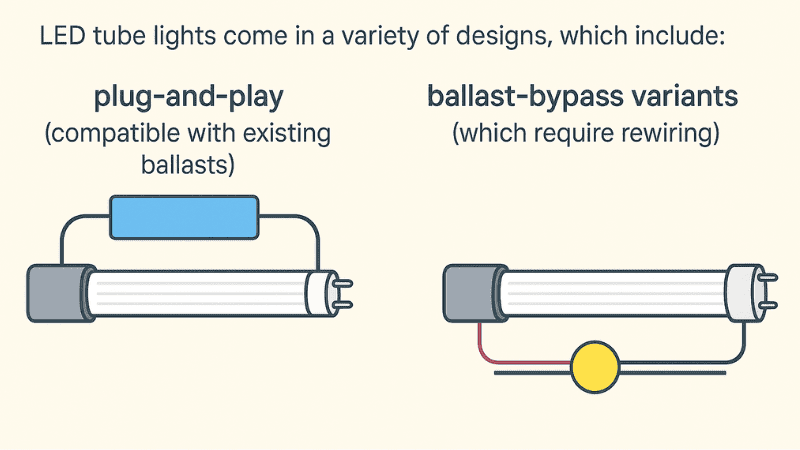
This method requires choosing the appropriate tube type, length, and ballast compatibility. LED tube lights come in a variety of designs, which include:
plug-and-play (compatible with existing ballasts)
ballast-bypass variants (which require rewiring)
Retrofitting is great if you are looking for an economical LED technology upgrade that does not need to replace entire fixtures.
In certain situations, replacing the complete fluorescent light with a new integrated LED fixture is the best option. This eliminates compatibility issues, decreases maintenance requirements, and optimizes light output for current designs.
Full fixture replacements are especially useful in business buildings, warehouses, and homes undergoing renovations where long-term efficiency and aesthetics are critical.
While this alternative has a greater initial cost, it eliminates the need to locate compatible tubes and different sockets, making it a hassle-free, long-term investment.
Converting fluorescent lighting to LED does not have to be expensive. There are several low-cost choices that will allow you to switch while increasing energy savings. There are cost-effective options for every type of fixture.
Whether you need LED retrofit tubes or ballast-bypass LED tubes. The best approach relies on your budget, existing fixtures, and long-term lighting requirements.
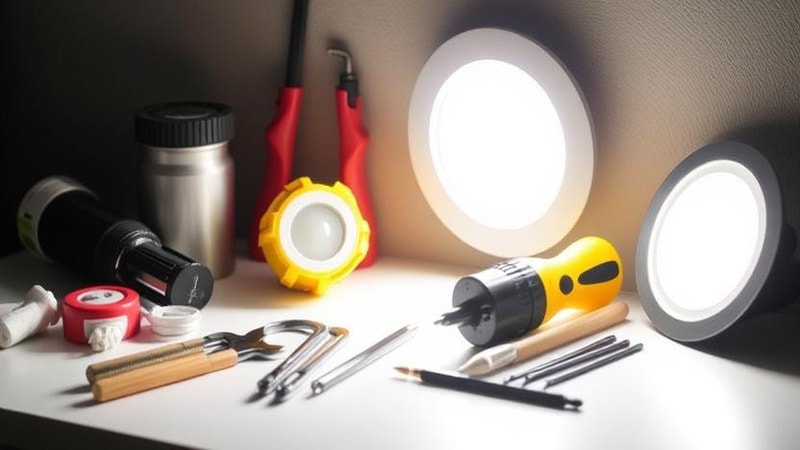
It is important to prepare when planning to install LED lights correctly. Following a step-by-step procedure makes the job go more smoothly.
Whether you’re replacing the entire fixture or just the LED tubes. We’ve outlined the necessary steps for successfully converting fluorescent lighting to LED.
Before you begin, prioritize safety by turning off the electricity at the circuit breaker to avoid electrical hazards. Next, inspect the fixture to identify the most effective conversion method.
If you’re using LED tubes, make sure your existing fixture has a compatible ballast or that a ballast bypass is required.
If you are replacing the entire fixture, measure the area to ensure that the new LED fixture fits appropriately.
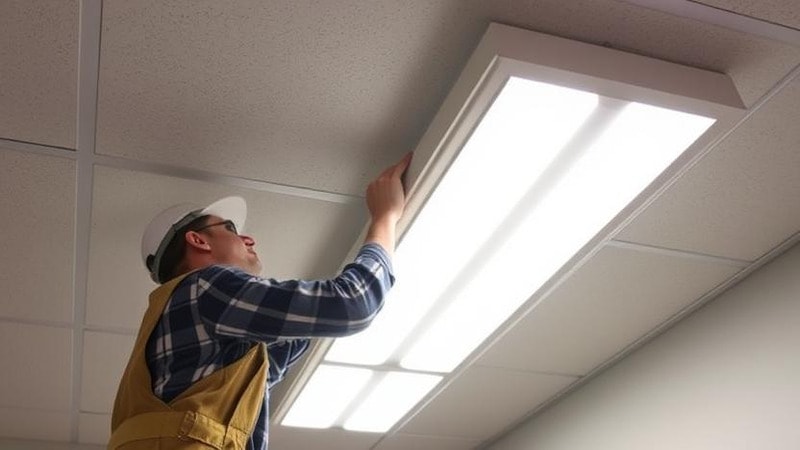
Carefully twist the light tubes out of their sockets. If you’re utilizing ballast-bypass LED tubes, you’ll need to detach and remove the ballast to connect the LEDs directly.
The ballast regulates voltage in fluorescent tubes. But LEDs do not require one. Thus decreasing maintenance and energy consumption.
Follow the manufacturer’s instructions for LED tube replacements. They could be either
plug-and-play (compatible with existing ballasts)
direct-wire (rewiring required)
If you’re installing a new LED fixture, make sure it’s secured to the ceiling. Also, make sure that the hot and neutral wires are correctly located.
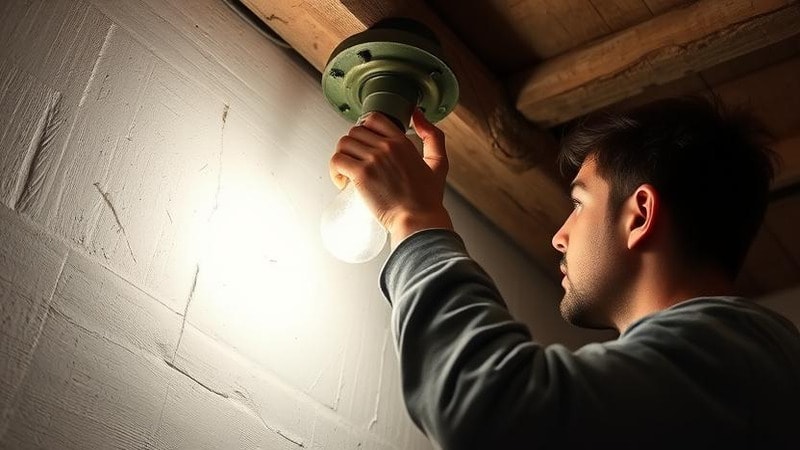
Once the installation is completed, turn on the power and test the new LEDs. If they do not turn on, double-check the electrical connections. Make sure any removed ballasts are properly bypassed.
When using plug-and-play LED tubes, ensure that the existing ballast is suitable. Testing ensures your new lighting system operates safely and efficiently.
After you’ve successfully converted fluorescent lights to LEDs, you need to think about maintenance. Proper maintenance guarantees longevity, efficiency, and peak performance.
While LEDs require less maintenance than fluorescents, following these essential maintenance suggestions will help you get the most out of your lighting investment.
A properly installed LED lighting system lasts longer and works more efficiently. Ensure that all wiring is properly connected, ballasts are bypassed if necessary, and fixtures are securely installed. Signs of poor installation include flashing, early burnout, and electrical hazards.
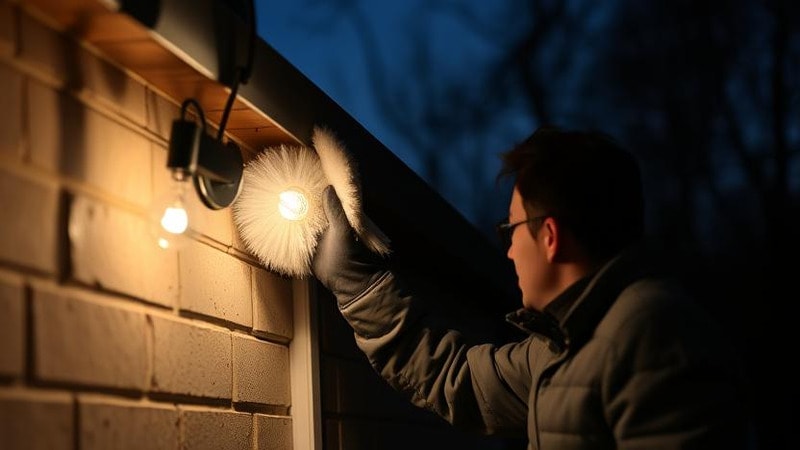
LEDs gather dust and debris over time, reducing brightness and efficiency. To keep them clean, wipe them down periodically with a dry or slightly moist microfiber cloth. Avoid using harsh chemicals or abrasive objects that may damage the light covers.
If LEDs flicker or fail to turn on, you need to troubleshoot some issues. You should look for:
Check to see if your present ballast is compatible with plug-and-play LED tubes. If the problem persists, replace old parts. In some cases, upgrading to newer LED-compatible fixtures may be required.
Switching from fluorescent to LED lighting requires an initial investment. But the long-term savings in energy, maintenance, and replacement costs make it a wise financial decision.
Understanding the cost breakdown and return on investment (ROI) can help you make more educated decisions.
The initial cost of LED conversion varies according to the technology used. So cost will depend on retrofit kits, ballast bypass tubes, or complete LED fixture replacements. LED tubes cost more than fluorescent lights, but they use up to 80% less energy.
Which results in substantial electric bill savings. Furthermore, LEDs can last up to five times longer than fluorescent lights. Thus, lowering replacement and maintenance expenses over time.
LED conversion usually pays for itself in one to three years. Due to lower energy use and fewer replacements. Given the high energy demand of commercial lighting, the ROI for businesses may be much faster.
Over the lifetime of the LED, you can save hundreds to thousands of dollars per fixture, making it a cost-effective upgrade.
Many governments and utility companies provide energy subsidies and tax breaks to encourage LED adoption. You may be eligible for rebates on LED purchases, installation cost reductions, or tax credits to further reduce the upfront cost.
Checking local energy programs might help you optimize the savings on LED conversions.
Converting from fluorescent to LED lighting is a smart investment. LED lights offer rapid start and all the benefits of energy efficiency, lower maintenance costs, and better lighting quality.
Whether you retrofit old bulbs or replace them with new bulbs, you can find an option that fits their needs and budget.
Though the initial cost may seem high, LED lights save money in energy use and reduce long-term operational expenses. Making the switch to LED is a financially sound choice for the future.
Explore industry best practices and expert-recommended LED solutions to maximize efficiency and long-term savings. Risun offers high-quality LED solutions designed for seamless fluorescent-to-LED conversions.
Explore our energy-efficient LED products to find the perfect fit for your business needs. Contact us to get an expert opinion on your situation and improve your business.
Yes, you can replace fluorescent tubes with LED tubes in suspended grid ceilings. Depending on the LED tube type, you may need to remove or bypass the ballast. Some LED tubes work with existing dimming ballasts, while others require direct wiring.
Shunted sockets receive voltage from both ends, which is compatible with certain LED tubes. However, some direct-wire LED tubes require non-shunted sockets. Always check the manufacturer’s installation guide before converting.
Yes, LED tubes can be installed in fluorescent troffers and flat ceilings. Depending on the fixture type, you may need to choose between plug-and-play LED tubes or direct-wire options for optimal performance.
Yes, safety is critical when modifying lighting fixtures. When rewiring, ensure the power is off. If dealing with high-voltage systems or single-end bulbs, it’s best to have a qualified electrician handle the conversion.
While both save energy, the installation is different. Magnetic strips attach directly to the metal fixture with built-in magnets, requiring minimal rewiring. LED tubes may need ballast removal or socket rewiring.
Are you concerned about the health implications of LED lights and not sure which information to believe? Don’t worry, we have evaluated all the scientific literature to figure out LEDs relation with health and their impacts.
Let’s explore the connection between LEDs and human health to bust all myths and enjoy ambient lighting with ease.
Light-emitting diodes (LEDs) are semiconductors. They emit light when an electric current flows through them. Unlike typical incandescent light bulbs, which generate light by heating a filament.
The LEDs emit light via electroluminescence. This process makes them extremely efficient and long-lasting.
There are numerous benefits of LED lighting. Thus, it has emerged as the ideal lighting solution for all settings. Be it homes, offices, industrial settings, or street lighting, LEDs are seen everywhere.
LEDs (Light-Emitting Diodes) work via electroluminescence. An electrical current flows through a semiconductor material. This activates electrons and releases energy in the form of light.
Unlike typical incandescent bulbs, which generate light by heating a filament. LEDs convert electricity directly into visible light, making them extremely energy efficient.
One distinguishing feature of LED lighting is its significant blue light content. This light content is more evident in cool white and daylight LEDs.
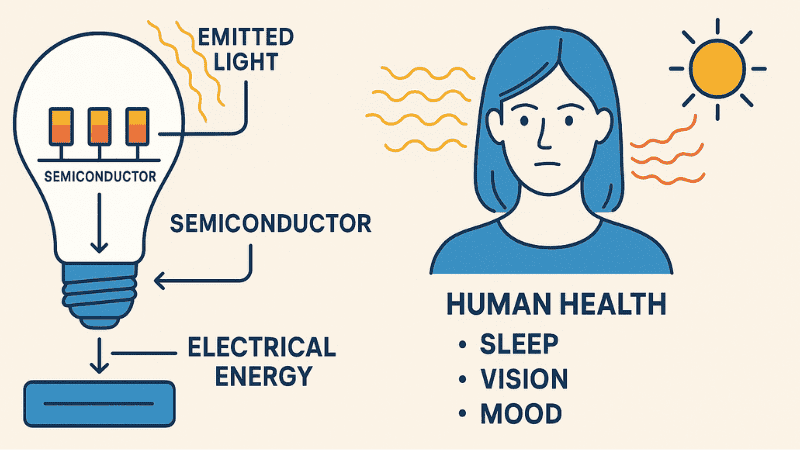
Blue light lies between 400 and 450 nanometers in the visible spectrum. It is believed to improve alertness and cognitive function.
However, excessive exposure, especially at night, raises worries about possible health consequences.
LED lights have their pros and cons, and one major drawback is their impact on health. It has been theorized that blue light exposure from LED screens at night can suppress melatonin production.
This hormone is responsible for regulating the sleep cycle. Any disruption in the hormone can lead to an alteration in the circadian rhythms. It is important to maintain melatonin concentration to keep the body in homeostasis.
However, LEDs are everywhere, including residential lighting, office spaces, streetlights, car headlights, and digital screens. It is important to study the long-term effects of blue light exposure.
The world of science is trying to establish a relationship between LED and any health risk. An epidemiological study was done on two groups. One working night shift with significant blue light exposure from commercial lighting.
The other with a normal work schedule and exposure to normal indoor lighting. The study found that such individuals were at higher risk for developing cancer. Particularly, a prostate and breast cancer risk factor.
It is important to note that night shift work has other confounding variables. These include increased cellular stress and alcohol consumption. Moreover, this study was observational and could not establish a direct causal relationship.
In contrast, the European Commission’s Scientific Committee on Health, Environmental, and Emerging Risks (SCHEER) stated that there is no evidence of direct negative health impacts from LEDs in routine use by the general public.

They did mention that LED lights disrupt sleep patterns owing to blue light exposure at night.
Ultraviolet (UV) radiation is a well-known carcinogen that mostly affects the skin. UV radiation, particularly UVB, can damage the DNA in skin cells.
Thus resulting in skin malignancies such as melanoma, basal cell carcinoma, and squamous cell carcinoma. UV radiation is emitted by the sun and artificial technologies such as tanning beds.
LED lights, on the other hand, produce visible light, including blue light, with low UV radiation. Blue light from LEDs has a wavelength range of 400-490 nanometers, which is lower in energy than UV radiation.
UV radiation has enough energy to directly destroy DNA, whereas visible blue light does not. Even though some evidence suggests that LED lights affect the chances of developing breast and prostate cancer.
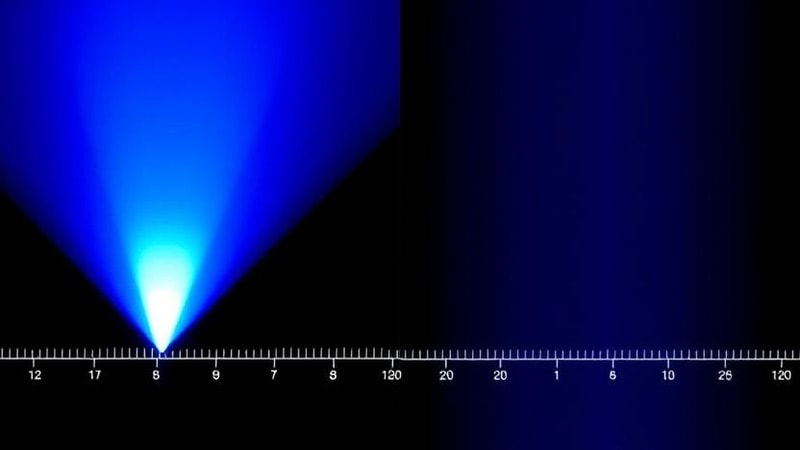
Blue light is a high-energy visible (HEV) light, as it has higher energy than other colors in the visible light spectrum. It is emitted by natural and artificial sources.
Artificial sources include LED streetlights, smartphone screens, and computer monitors. Scientific studies have demonstrated that extended blue light exposure can disrupt biological functions.
In one epidemiological research scientists implied that excessive nighttime blue light exposure increased cancer risk.
Long-term melatonin suppression is thought to have an impact on hormone control and cell development. However, no direct causal link has been found; thus, more research is required.
Blue light reduces melatonin production, a hormone that regulates sleep. According to one study, a blue night light can cause multiple problems.
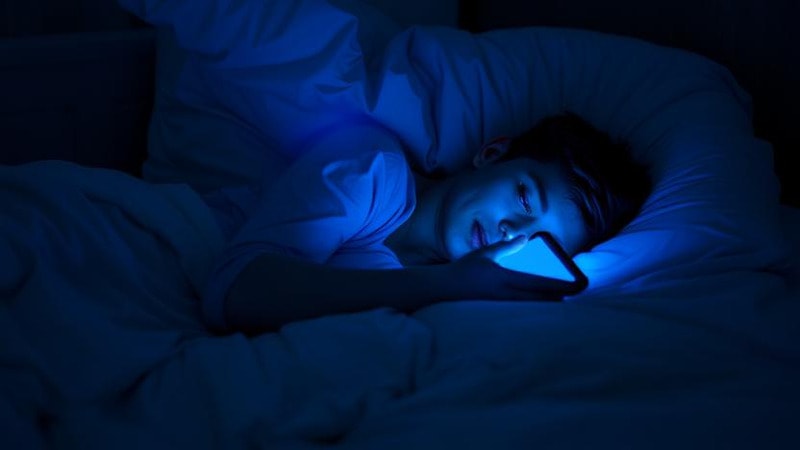
These issues include delayed sleep onset and diminished sleep quality. It can also cause other health problems, including metabolic disorders and cardiovascular disease.
Research suggests that long-term exposure to blue light from screens might contribute to digital eye strain. The strain can cause headaches, dry eyes, and visual fatigue. Some animal studies indicate potential retinal injury, while human evidence is unclear.
While research is ongoing, it is obvious that exposure to blue light has an impact on the body’s natural functions. However, its direct role in cancer formation is uncertain.
Health professionals advocate minimizing exposure to avoid potential hazards. You can do so by using blue light filters, screen lowering, and restricting device usage before bed.
The connection between sleep disruption and LED lights is still inconclusive. The sleep-disrupting concerns are related to blue light-emitting LEDs. It is important to note that these lights come in a range of color options.
However, continuing research does link exposure to artificial light at night with potential health risks. These health implications can lead to lower sleep quality, improper sleep duration, mental fatigue, and eye strain.
Consistent exposure to blue light can have a negative impact on circadian rhythms. Which may have downstream health effects, including potential links to hormone-related cancers. While correlation exists, more research is needed to establish a direct causal relationship.
LED strip lights are popular for mood lighting and are frequently used in bedrooms. They are used for aesthetic purposes or as nightlights. However, their impact on sleep is determined by their brightness and color temperature:
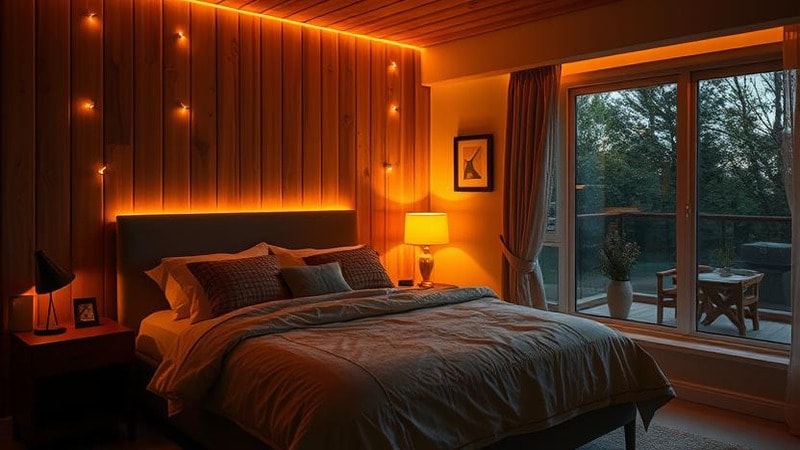
While LED lights have not been proven to be harmful. Prolonged circadian disruption can be caused by excessive nocturnal light exposure.
Which may ultimately contribute to larger health risks. Optimizing bedroom lighting to reduce blue light exposure could promote better sleep and general wellness.
If LED strip lights are required, consider the following changes to decrease sleep disturbances:
Research efforts have not found a direct link between LED lights and cancer. However, some studies suggest that extended exposure to artificial blue light increases the risk of hormone-related malignancies.
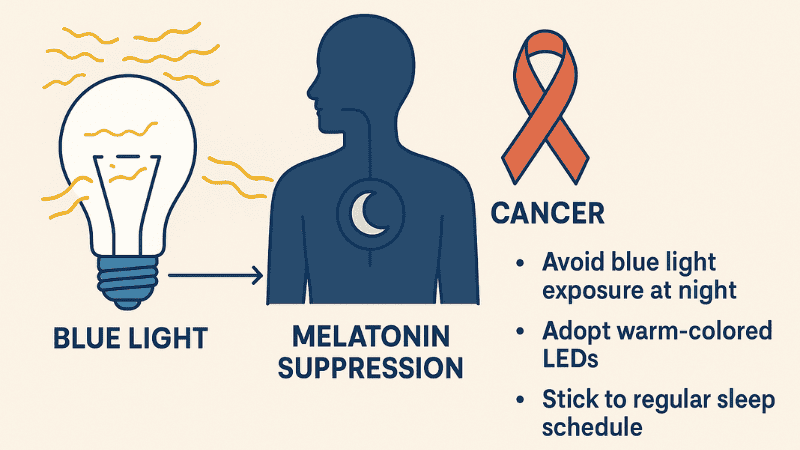
The main risk is melatonin suppression. The blue light from LEDs can disturb the body’s circadian cycle by lowering melatonin levels. Melatonin has antioxidant and anti-cancer capabilities; therefore, low levels may raise the chance of developing cancer.
However, the precise molecular process remains unknown, and available research emphasizes association rather than direct causation. Other environmental factors influencing cancer risk include lifestyle, genetic predisposition, and overall light exposure.
To reduce potential health hazards, scientists recommend avoiding blue light exposure at night, adopting warm-colored LEDs, and sticking to a consistent sleep schedule that supports natural circadian cycles.
Certain groups of people are more susceptible to the effects of blue light exposure from LED lights. This is due to differences in eye development, aging, and pre-existing medical issues.
Children and adolescents are more vulnerable. Since their eyes are still developing and lack protective pigments that filter high-energy blue light.
This increases their susceptibility to retinal damage and sleep disorders. This can have long-term effects on cognitive development and overall health.
Age-related changes in the eye and brain may also cause older persons to be more sensitive to blue light. As people age, the lens of the eye becomes less effective at filtering blue light.
This can lead to altered sleep patterns and increased eye strain. It also poses an increased risk of age-related macular degeneration (AMD).

Furthermore, changes in circadian rhythms in elderly people can be associated with cognitive decline. An increased risk of neurodegenerative disorders like Alzheimer’s can also be linked.
Individuals with a history of cancer or other underlying health issues may be particularly exposed to the effects of LED light exposure.
Thus, those who are already predisposed to hormone-sensitive malignancies should exercise caution while using artificial lighting at night.
Given these concerns, vulnerable people must adopt precautions. The precautions include limiting screen time before bed and utilizing blue light filters. You can switch to warm-colored LED bulbs to reduce potential health effects.
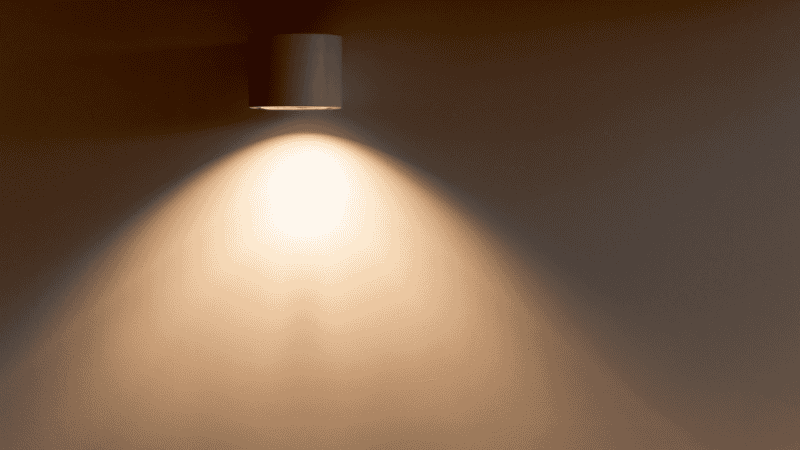
Minimizing exposure to blue light from LED lights is critical in reducing potential health risks for the vulnerable population. By implementing these simple precautions, you can make a significant difference.
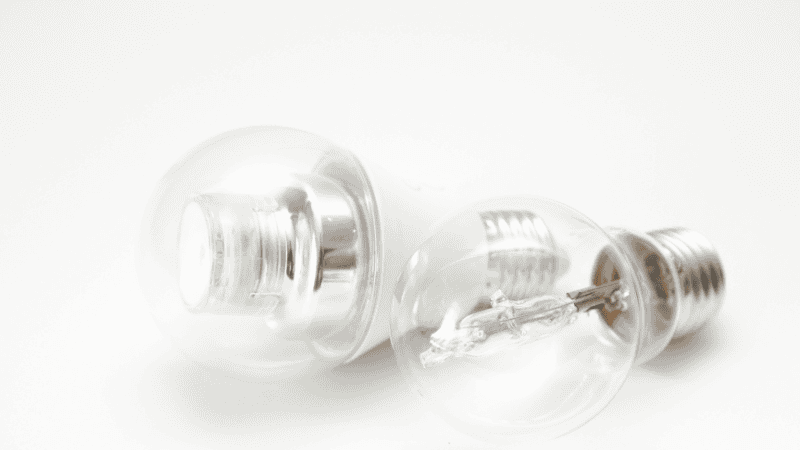
Taking these precautions can help you reduce the risks of LED light exposure. While still enjoying the benefits of energy-efficient lighting.
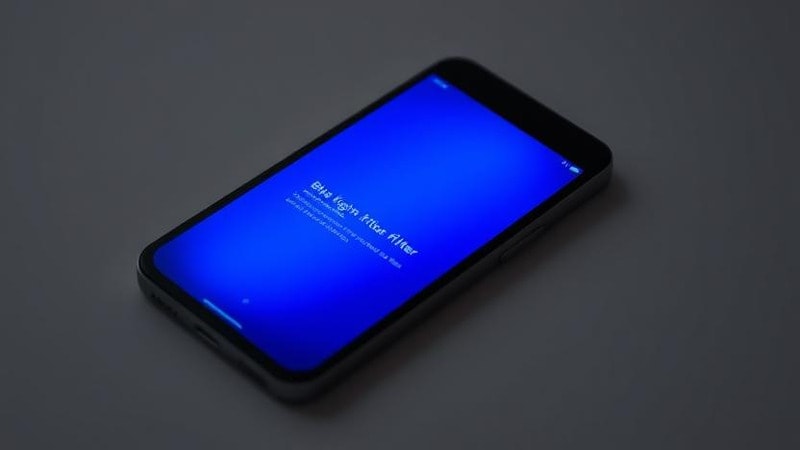
LED lights are widely recognized for their efficiency and durability. But there are still misconceptions concerning their safety. It is important to separate facts from fiction when making lighting choices.
One common myth about these lights is that they are absolutely safe and do not cause any health problems. However, the fact is somewhat twisted.
LED lights do not generate harmful ultraviolet (UV) radiation. Nevertheless, they have an effect on human health. The main problem is that they emit blue light.
This has been related to circadian rhythm disruption, sleep disorders, and potential long-term health consequences.
According to some research, prolonged nocturnal exposure to blue light from LEDs can interfere with melatonin generation. Thereby raising the risk of metabolic problems and even hormone-related malignancies.
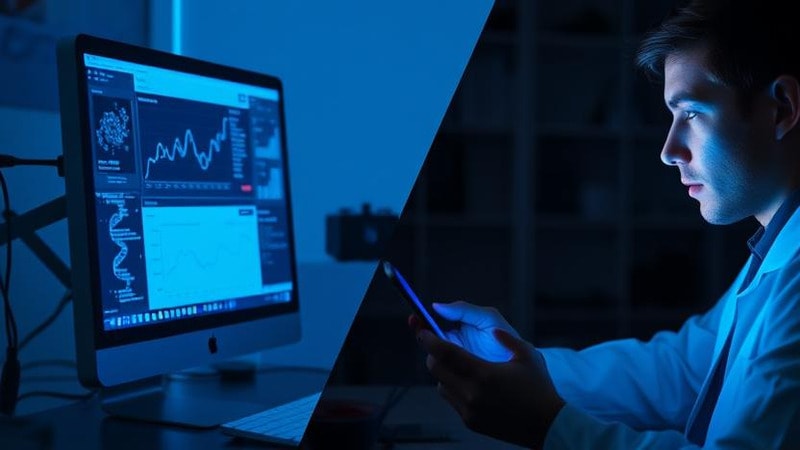
Another myth is that LED light bulbs are the only source of blue light. However, the truth could not be far from this statement.
While these lights are a major source of blue light, they are not the only ones. Electronic devices such as cell phones, tablets, computer screens, and even fluorescent lamps generate blue light.
People are exposed to artificial blue light for longer periods every day as they use more digital gadgets, which exacerbates the impacts of LED lighting.
The widespread use of LED lighting has transformed energy efficiency. But worries about potential health consequences, particularly blue light exposure, continue to be highlighted. While there is no direct proof that LED lights cause cancer.
The research emphasizes the need to control blue light exposure to protect overall well-being.
As businesses, organizations, and urban planners, you should consider lighting strategies that prioritize both energy efficiency and human health. Whether you are designing lights for workspaces or homes.
Collaborate with Risun Corp to focus on low-blue light LED technologies. Whether you’re designing working environments, healthcare facilities, or urban spaces.
Investing in health-conscious LED solutions can improve health while keeping operations running smoothly. Contact our experts today to explore tailored lighting strategies for your business.
A. The usage of LED lights in homes and offices is generally deemed safe. However, extended exposure to high-intensity blue light from LEDs might cause retinal stress. More research is required to properly understand the long-term consequences.
A. Some LEDs emit blue light. Blue light exposure might decrease melatonin levels. Thus potentially disturbs sleep cycles, particularly in the evenings.
A. Some people may experience discomfort with LED lighting, such as headaches or eye strain. Especially if the lights flicker or are overly bright. Adjusting the brightness or switching to warmer-colored LEDs can help reduce these symptoms.
A. The usefulness of blue light-blocking eyewear is currently being researched. Some studies reveal modest advantages.
However, experts say that focusing on good screen habits is a more beneficial strategy. Good habits include taking regular breaks and limiting screen usage before bed.
Are you also struggling to find the right outdoor floodlight? The right choice can enhance security, improve visibility, and create a well-lit space. With advancements in LED technology, weather resistance, and smart controls, floodlights now offer better performance and efficiency than ever.
Let’s explore the best floodlights for various applications, covering features and tips to help you make the best decision.
Flood lights are a good alternative for outdoor areas, as they provide increased security, visibility, and coverage. Their bright illumination discourages burglars by eliminating dark spaces, making your home safer.
Flood lights also boost visibility around driveways, gardens, and entryways, creating a well-lit environment for security and convenience.
They not only provide a practical benefit but they also improve the outside appearance of a property by emphasizing architectural aspects and landscape elements.
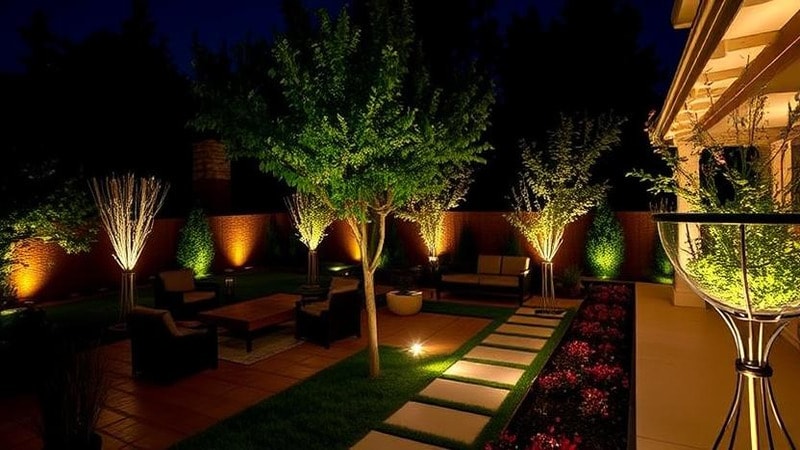
As a homeowner or designer, you can alter the brightness and light shade to create an inviting atmosphere while still providing functional outdoor lighting.
Flood lights are an excellent complement to any outdoor space because of their wide coverage and reliability.
Floodlights can be categorized according to their light source, functionality, and application environment. Understanding these categories enables you to select the best lighting solutions for your needs.
Different light sources have distinct benefits in terms of efficiency, longevity, and performance.
LED floodlights are the most popular choice because of their high energy efficiency and long lifespan (sometimes exceeding 50,000 hours). They deliver bright, uniform illumination while using far less power than standard lighting methods.
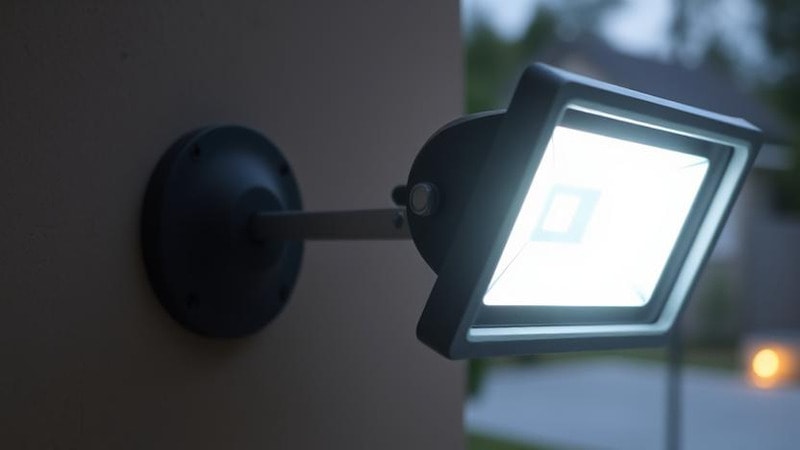
LEDs are great for security lighting, vast outdoor spaces, and residential applications due to their low heat production and wide range of wattage options.
Furthermore, intelligent features such as motion sensors and dimming capabilities make them an adaptable option for modern outdoor lighting systems.
Halogen floodlights are a less expensive option, but they consume more energy and have a shorter lifespan (2,000 to 5,000 hours on average).
They provide warm, natural light with outstanding color representation, making them ideal for decorative and accent lighting applications.
However, they produce more heat and require more frequent repairs, making them inefficient for long-term use.
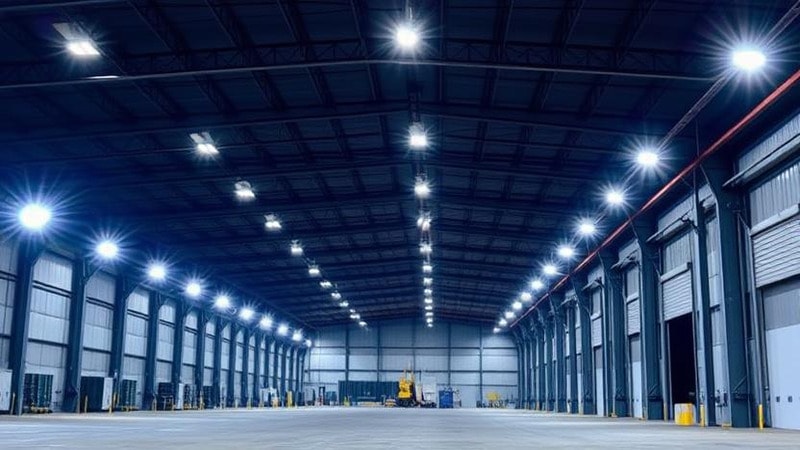
High-intensity discharge (HID) floodlights, such as Metal Halide and Sodium Vapor lamps, are widely used for large-scale lighting in stadiums, industrial zones, and parking lots.
Metal halide lamps produce strong white light with good color accuracy, making them ideal for sports arenas and high-visibility settings. In contrast, sodium vapor lights create a yellowish glow that is energy-efficient but has poor color rendering.
Despite their brilliance, HID lights take longer to warm up and require regular maintenance, making them less convenient than LED equivalents.
Solar floodlights are an environmentally beneficial and cost-effective solution, especially for off-grid or isolated areas. These lights charge during the day using built-in solar panels, then store the energy in rechargeable batteries for nighttime lighting.
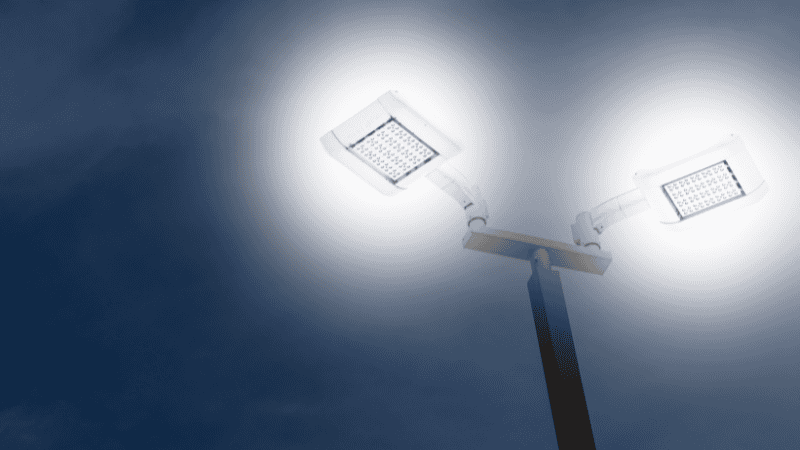
They are simple to install and run, without any wiring required, making them ideal for gardens, paths, and security lighting. While their brightness is dependent on adequate sunlight, advances in battery technology have increased their reliability as well as efficiency.
Floodlights are created with a variety of functions to satisfy specific user needs. Selecting the appropriate functionality guarantees optimum performance and energy efficiency, whether for security, convenience, or decorative purposes.
Motion sensor floodlights are equipped with Passive Infrared (PIR) or microwave sensors. These sensors detect movement and turn on automatically. These lights are an ideal choice for security applications, as they deter intruders while conserving energy.
They help to save electricity costs by activating only when movement is detected, while still delivering reliable lighting when needed.
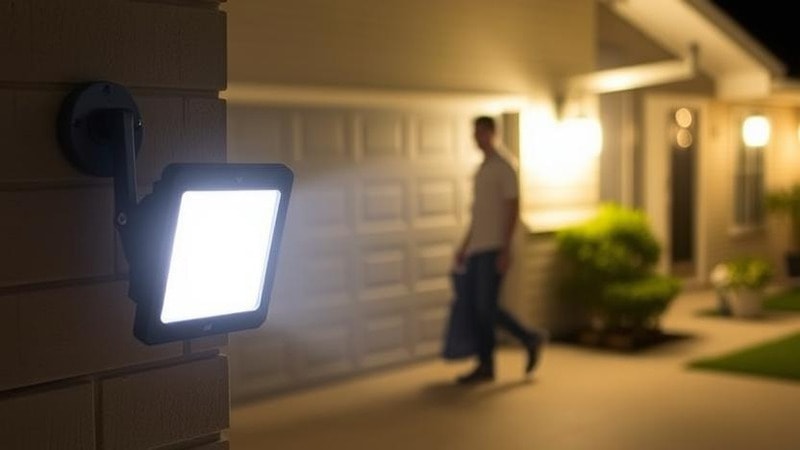
Dusk-to-dawn floodlights include a photocell sensor that activates the light at dusk and turns it off at sunrise. This functionality eliminates the need for manual activation, resulting in consistent illumination throughout the night.
These lights are perfect for home exteriors, parking lots, and business premises for increasing safety while conserving energy.
RGB floodlights provide variable color options, making them ideal for landscape and decorative lighting. These floodlights can be controlled with a remote or smart app, allowing you to change colors, alter brightness, and establish dynamic lighting effects.
They are frequently used for event lighting, holiday decorations, and architectural highlights, as they provide a unique touch to outdoor locations.
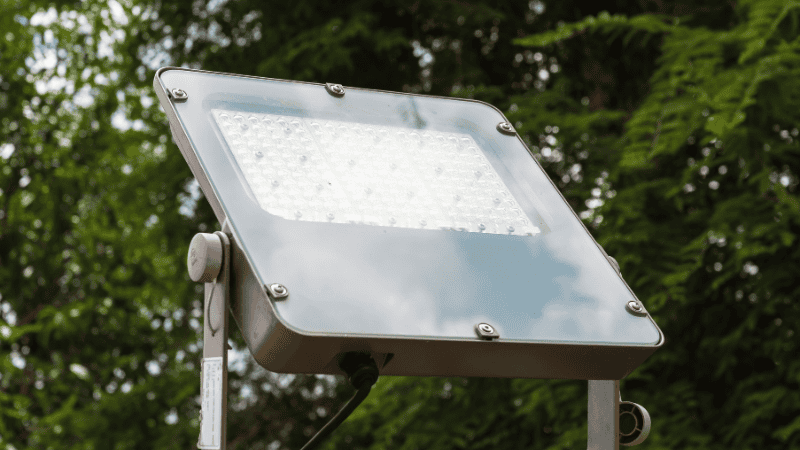
Portable floodlights are lightweight and powered by batteries, making them ideal for mobility and convenience. They are perfect for temporary lighting applications such as building sites, outdoor festivals, and emergencies.
Many models offer USB charging capabilities, making them an adaptable choice for situations when a power supply is not readily available.
Selecting the right floodlight depends on the intended use case and location of the outdoor light fixtures.
The high-powered floodlights are ideal for warehouses, factories, construction sites, and parking lots. They provide broad, high-intensity lighting to ensure worker safety and productivity in huge outdoor areas.
They can withstand harsh environments and long operational hours thanks to their sturdy housings and weatherproof construction.
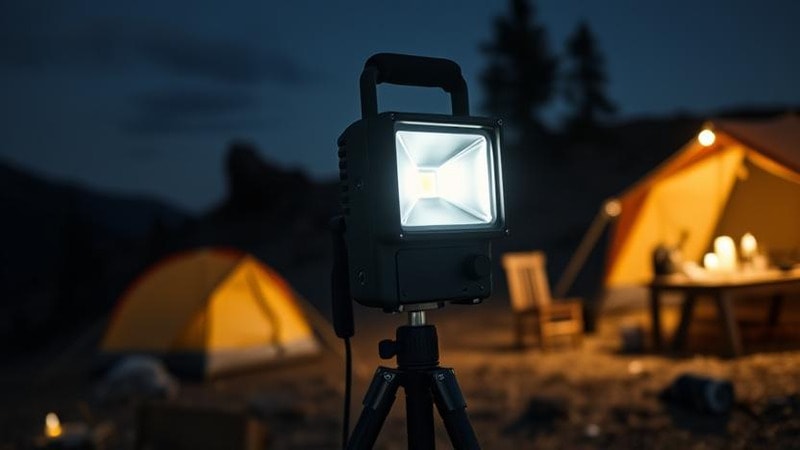
Residential floodlights are usually installed in gardens, driveways, patios, and fences to improve house security and attractiveness.
These lights use fewer watts than commercial models but provide effective illumination to deter trespassers and improve visibility around the home.
Sports floodlights are designed to provide large-scale lighting on football fields, basketball courts, and stadiums. They deliver a high-lumen output with a wide beam spread, resulting in homogeneous light without glare.
These floodlights are intended for both professional and leisure sports, and they meet visibility criteria while minimizing light pollution.
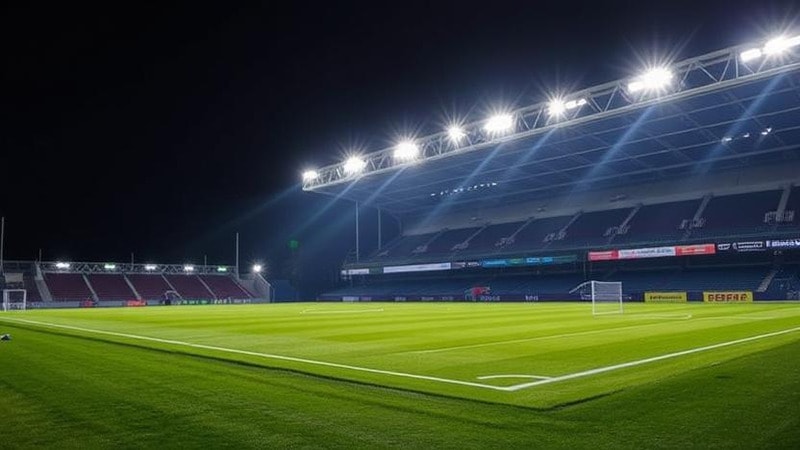
Architectural floodlights are used to highlight buildings, monuments, gardens, and fountains, making outdoor spaces more visually appealing. These lights are energy-efficient while also improving visual appeal and visibility.
Some options provide changeable color temperatures, allowing you to create the ideal mood for decorative and security lighting.
When choosing the best floodlight, it is important to consider crucial factors like brightness, color temperature, longevity, and installation options.
Each application has its own set of requirements; therefore, before making a purchase, you should consider your project’s needs.
Floodlight brightness is measured in lumens rather than wattage because different places require varying degrees of illumination. Residential areas such as driveways, gardens, and patios typically require 700-2,000 lumens.
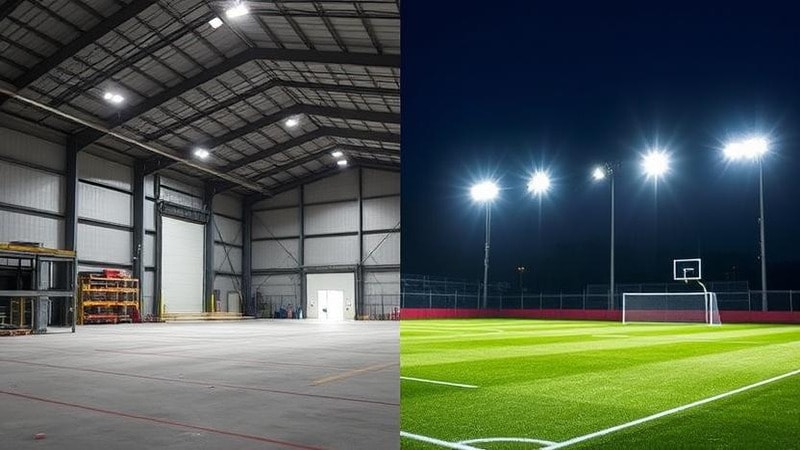
Whereas small commercial areas like parking lots and pathways require 3,000-5,000 lumens.
Floodlights with 10,000 or more lumens are required for large commercial and industrial applications, such as warehouses and factories. Meanwhile, sports grounds and stadiums require over 50,000 lumens for good visibility.
LED floodlights are a more energy-efficient alternative to halogen or HID choices since they provide tremendous brightness while using less power.
Choosing the correct wattage-to-brightness ratio offers effective illumination without wasting energy.
Color temperature is measured in Kelvin (K). It has an impact on lighting ambiance as well as functionality.
Warm White (2700 K- 3000 K) provides a warm glow, making it perfect for residential and decorative lighting that creates a cozy ambiance.
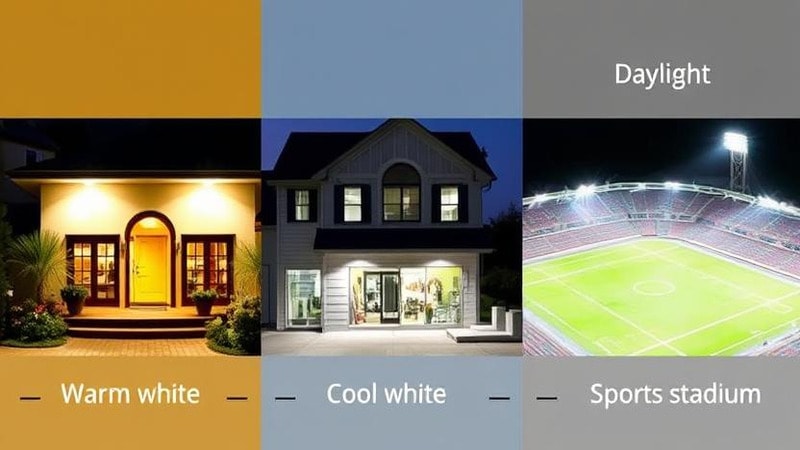
Neutral White (3500 K- 4500 K) has a balanced brightness, making it ideal for commercial settings, pathways, and general outdoor lighting.
Cool White (5000 K- 6000 K) is the optimal choice for security, industrial, and sports lighting because it provides a bright, daylight-like effect that improves visibility and safety.
Choosing the optimum color temperature ensures that the lighting accomplishes its goal while remaining comfortable and efficient.
The beam angle of a floodlight controls how far the light travels, altering coverage and focus. Narrow beam angles (10°-40°) are appropriate for spotlighting and accent lighting, which require focused illumination.
Medium beam angles (45°-70°) are ideal for pathways, driveways, and general area illumination because they provide a nice blend of coverage and intensity.
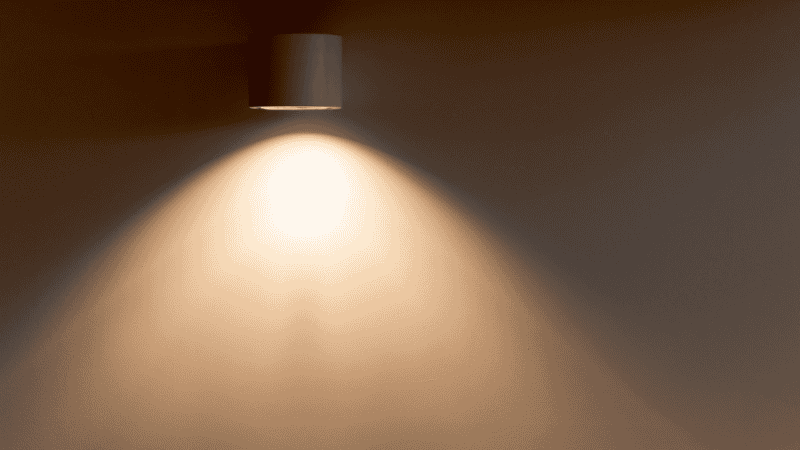
Wide beam angles (80°-120°) are ideal for large outdoor areas like parking lots and stadiums, providing even and extensive illumination.
Choosing the appropriate beam angle improves light distribution and eliminates unwanted light spillage.
Floodlights are usually used outdoors; hence, it is critical to assess their dust and water resistance. The ingress protection (IP) rating is used to test and denote resistance to dust and water in lights.
IP65-rated floodlights are dustproof and water-resistant, making them ideal for regular outdoor use.
Whereas, IP66-rated models offer superior protection against heavy rain and dust, making them perfect for industrial sites and high-exposure environments. IP67 and IP68 floodlights are submersion-resistant, assuring long-term durability in harsh weather conditions and marine situations.
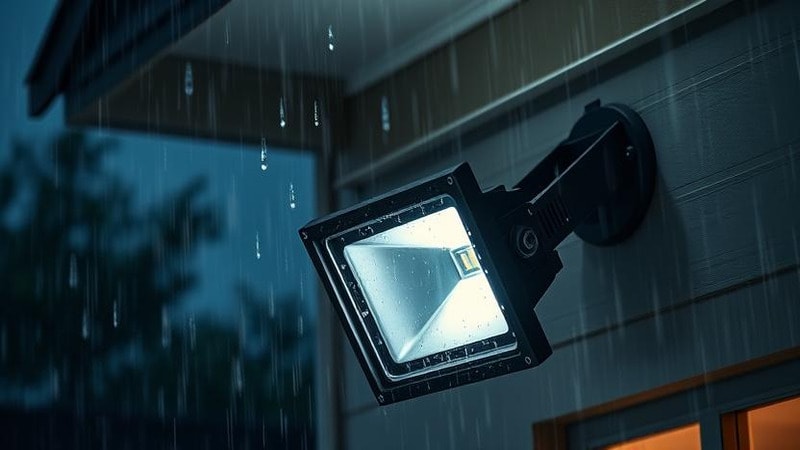
Furthermore, high-quality materials such as die-cast aluminum improve heat dissipation and corrosion resistance, increasing the floodlight’s lifespan and performance.
When comparing several light technologies, LED floodlights emerge as the most energy-efficient alternative. They last more than 50,000 hours and use 80% less energy than their halogen and HID competitors.
Halogen floodlights, while inexpensive, have a substantially shorter lifespan of 2,000-5,000 hours, necessitating regular replacement.
On the other hand, HID floodlights have moderate energy efficiency but require time to achieve peak brightness.
LED floodlights provide the best return on investment if you are aiming to decrease long-term costs and carbon footprints while also ensuring sustainability and reliability.
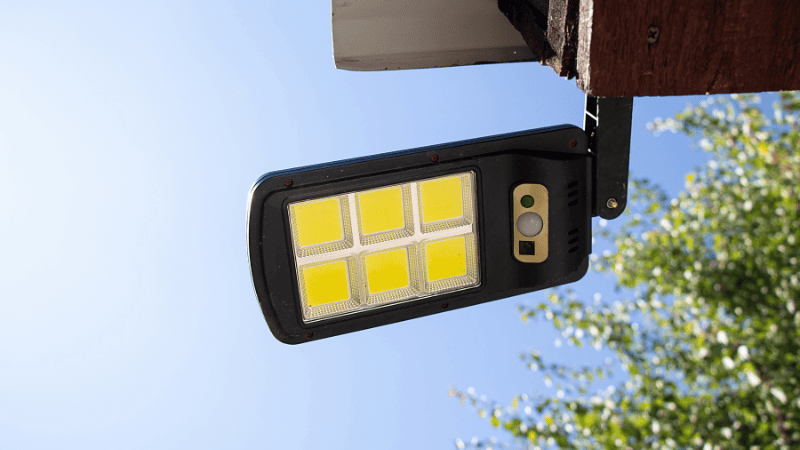
Floodlights come in a variety of mounting styles, each tailored to a specific need. Wall-mounted floodlights are widely used for residential security and outdoor lighting, as they provide targeted illumination.
Ground-mounted choices are ideal for landscape and architectural lighting, accentuating gardens and outside structures. Pole-mounted floodlights are popular for parking lots, sports fields, and street lighting because they provide elevated and extensive coverage.
Recessed floodlights are used in architectural projects to provide a seamless, integrated look that blends in with the surroundings while retaining functionality and aesthetics.
Choosing the appropriate installation method provides proper light placement and improves overall performance.
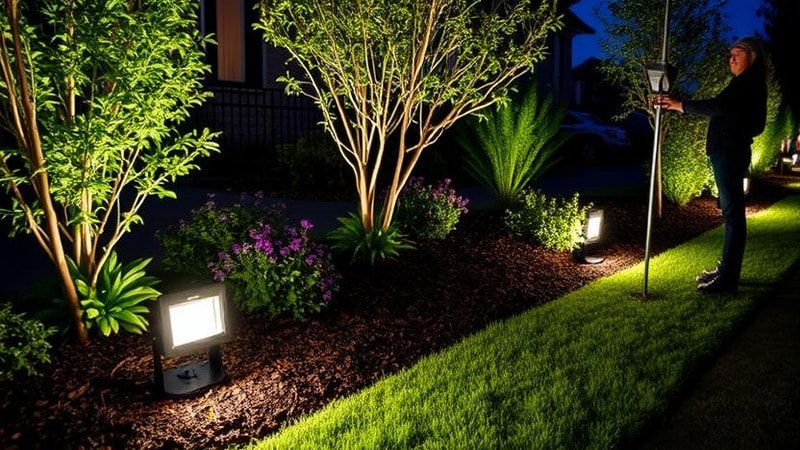
Selecting the appropriate floodlight is critical for visibility, security, and efficiency. However, many people make blunders that compromise performance and durability. Avoiding these typical faults can lead to better lighting solutions.
One common error is underestimating brightness. A weak floodlight fails to give adequate illumination. This can impair visibility and make outdoor areas unsafe.
Insufficient lighting also undermines security systems, making your premises vulnerable to intruders. It is critical to select the appropriate lumen output based on the location and application.
Another typical error is picking the incorrect wattage. A high-wattage floodlight wastes energy and raises electricity expenses.
However, low-wattage floodlights may not produce enough brightness, diminishing their usefulness. LED floodlights are an excellent choice since they provide maximum brightness with little wattage.
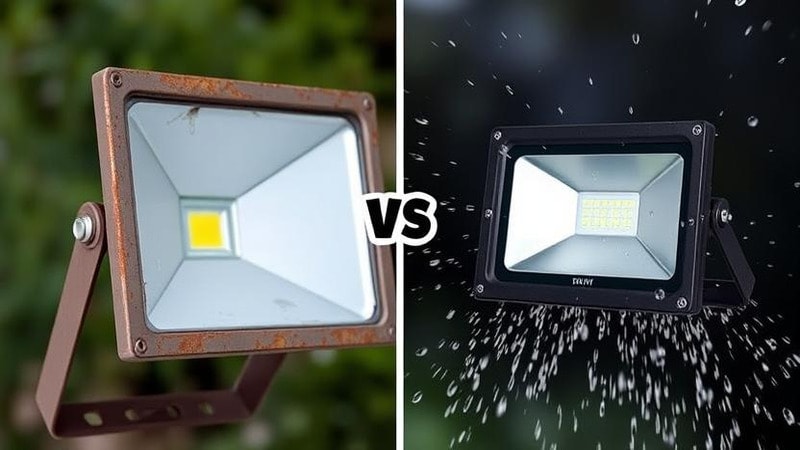
Ignoring weather resistance is yet another costly blunder. Outdoor floodlights are continually subjected to rain, dust, and temperature fluctuations.
Choosing a model without an appropriate IP rating can result in water damage and premature failure. For outdoor applications, choose floodlights with at least an IP65 rating to ensure long-term durability.
performance and enhanced security.
Floodlights must be installed correctly to ensure optimal coverage and endurance. Always follow the manufacturer’s directions for the installation process.
To avoid electrical risks, choose a professional when installing hardwired floodlights. When mounting, select a secure and sturdy site to avoid movement or damage from weather.
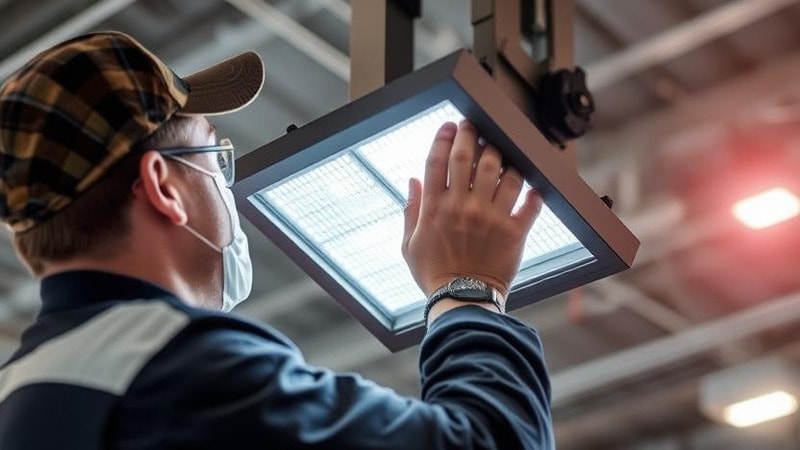
Floodlights require regular maintenance to perform properly. Clean the fixtures on a regular basis to remove dust and debris, which can impair brightness.
Inspect for cracks, loose wiring, and water damage. To ensure consistent illumination, repair components on battery-powered or bulb-based devices as needed.
Floodlights play an important part in home and business security. Bright lighting deters trespassers by eliminating dark areas where they could hide.
Well-lit outdoor environments increase visibility and safety, lowering the likelihood of an accident.
Motion detectors and smart lighting systems increase security by activating only when movement is detected. Well-placed floodlights can also boost property value and improve the general appearance of outdoor areas.
Whether for home security, large commercial lighting fixtures, or architectural illumination, selecting the appropriate lumens, wattage, and mounting choices is critical to ensuring top performance.
Weather resistance and energy efficiency are also essential for long-term dependability. Motion sensor floodlights improve security by detecting and deterring attackers. While Color-changing or architectural floodlights provide aesthetic appeal.
You need to examine your project’s lighting requirements and select accordingly.
At Risun Corp, we bring over 15 years of expertise in designing and manufacturing high-performance floodlights for industrial, commercial, and residential applications.
Our advanced lighting solutions prioritize energy efficiency, durability, and security to meet diverse business needs. Contact us today to discover our range of premium lighting.
A. Floodlights provide wide-angle illumination, while spotlights focus on a narrow beam for targeted lighting. While both spotlight vs floodlight are outdoor lighting solutions, their angle distinguishes them for different functionalities.
A. You can calculate the coverage area by multiplying the beam angle by the mounting height. It will give you an estimate of the illuminated area.
A. The ones that are fully waterproof and offer maximum weather resistance, so look for floodlights with an IP67 or IP68 rating.
A. The solar lights work best in driveways, gardens, and remote locations with ample sunlight exposure. They also work well in large spaces where they have access to their power source aka the sun.
A. You can prevent light pollution by using shielded fixtures and adjusting angles to direct light only where needed. You can also adjust brightness levels and light color in advanced LED light bulbs with smart features.
A. Yes, but choose waterproof (IP67+) floodlights designed for wet environments.
Are you confused about the various types of lighting distribution? Understanding how different types of light distribution work can help in selecting the most effective lighting solution. We have created this effective guide to help you understand and select LED light beams.
Let’s explore the types, applications, and working so you can choose the best lighting fixtures for your needs.
Light distribution refers to how light flows from a fixture and directly impacts visibility, ambiance, and safety in a space. There are different patterns of light distribution depending on whether it projects outward in specified directions, generates a symmetrical pattern, or focuses on a preferred side.
LED area lights, for example, are designed to provide even light distribution for consistent brightness. The Illuminating Engineering Society (IES) offers guidelines to help select the right fixture for each application.
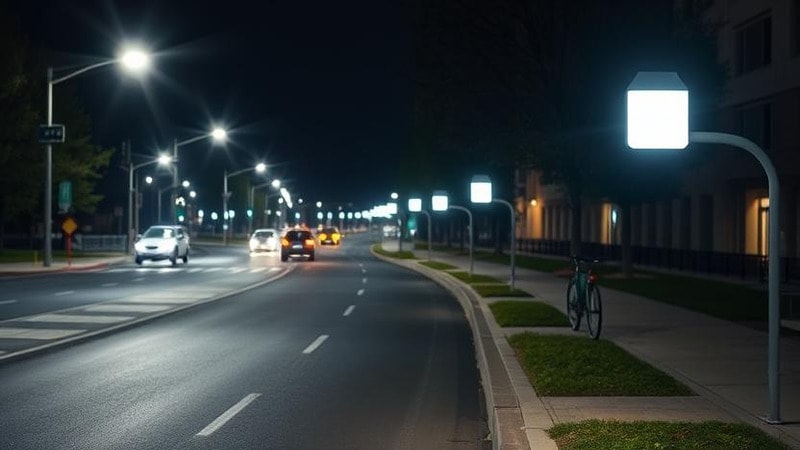
Type II is a great choice for side-of-road lighting as it efficiently covers both directions. Choosing the right light distribution can improve safety, aesthetics, and energy efficiency in both residential and commercial spaces.
Whether you’re lighting jogging paths, wide walkways, or central islands, recognizing these patterns is the first step toward creating a well-lit environment.
The Illuminating Engineering Society of North America (IESNA) has divided the distribution of light into five categories. Each type is tailored for a distinct use and environment.
These classifications can help you select appropriate fixtures to provide optimal lighting effects, whether you are choosing for narrow streets, wide pathways, or larger regions.
We’ve broken down each category to help you understand its unique properties and best uses.
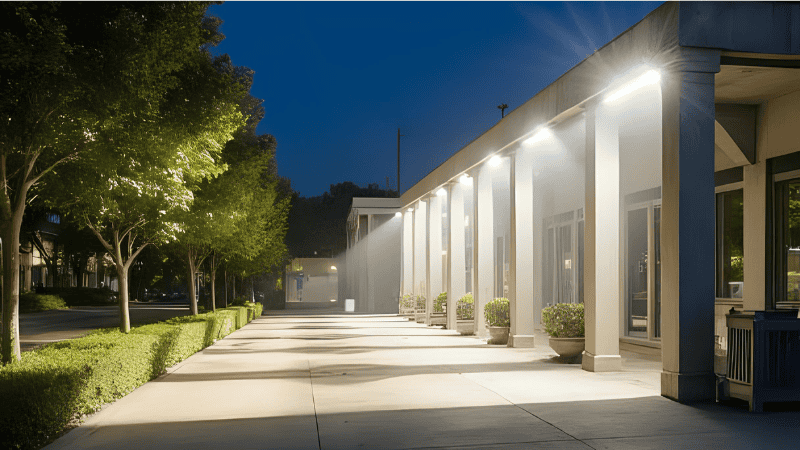
Type I lighting distribution is designed for pathways, smaller side streets, and narrow highways. It has a long and narrow light pattern.
This makes it perfect for pathways, pedestrian walkways, and narrow roadways that require focused illumination. The light is often directed in a two-way lateral distribution, ensuring uniform coverage along the entire path.
Type II lighting distribution is slightly wider than Type I, making it ideal for larger streets and walks. Its light pattern is intended to cover a larger area, making it ideal for streets, alleys, and tiny parking lots.
The lateral width of Type II guarantees that light is evenly dispersed across the surface, resulting in consistent visibility.
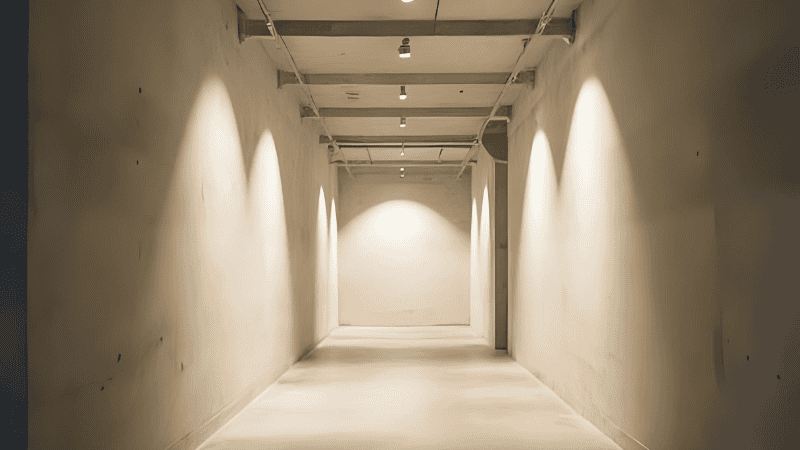
Type III is ideal for broad areas that require perimeter lighting, with an uneven distribution that provides superior coverage.
This type is frequently used in parking lots, industrial locations, and large streets where broad, even illumination is required. The light radiates outward in a broad pattern, illuminating even the borders.
Type IV distribution is intended for wall-mounted or perimeter lighting. It casts light outwards in the same manner as floodlights. This makes it ideal for use in building exteriors, perimeter security, and sports facilities.
The light is directed in a forward throw pattern to provide maximum coverage in the desired direction while minimizing spillage.
Type V lighting distribution produces an equal, circular light distribution with uniform 360° coverage. This makes it excellent for open areas, parking lots, sports fields, and plazas where light must be evenly distributed in all directions.
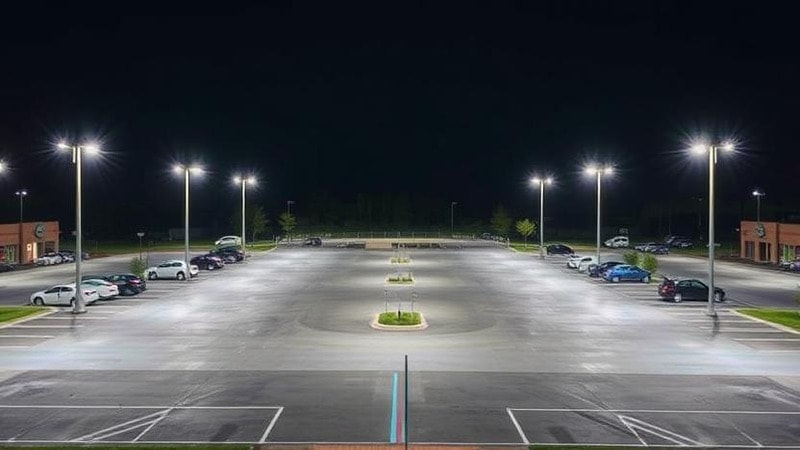
Type V’s circular symmetry ensures that each corner of the area receives the same amount of light, resulting in a balanced and well-lit environment.
Choosing the appropriate lighting distribution system is crucial for attaining optimal illumination. We’ve included a decision-making framework below to help you choose the best lighting distribution type for your project.
For illuminating vast areas such as parking lots, Type III and Type V distributions are preferred. They provide wide, equal light distribution, making sure every nook is well-lit.
Type V distribution, with its circular symmetry and 360° coverage, is ideal for open areas such as sports fields and plazas.
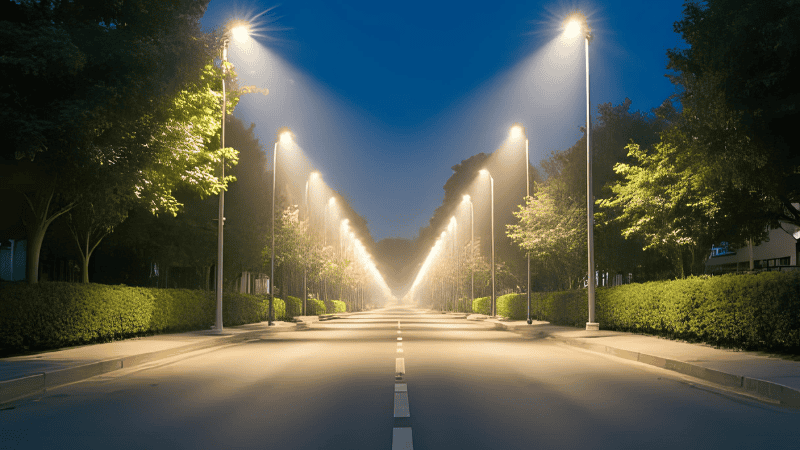
Type I and Type II distributions are best suited for relatively narrow roadways and pedestrian walkways. They produce focused, linear illumination to improve visibility and safety.
The first step in choosing the right lighting distribution type is to assess the application area. Different environments require different lighting patterns to ensure functionality and aesthetics.
Type IV distribution is suitable for wall-mounted or perimeter lighting since it projects light outward like a floodlight, which is ideal for security.
The designed mounting height of your fixtures is an important factor in determining the proper light distribution type.
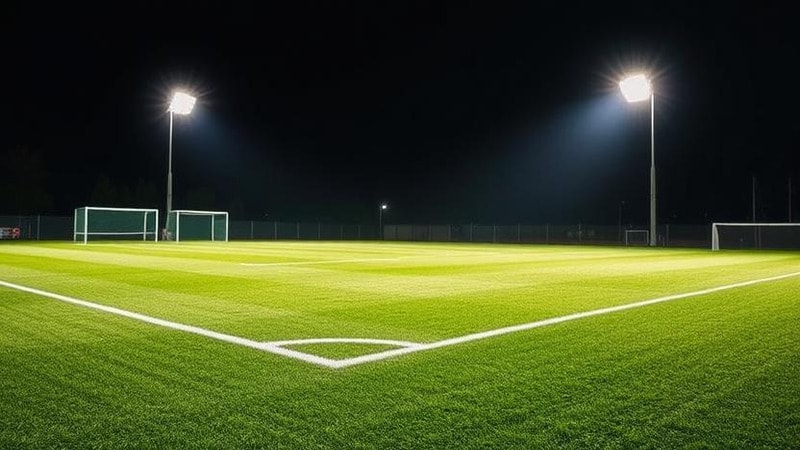
Fixtures positioned at higher elevations necessitate a wider distribution (e.g., Type III or Type V) in order to cover a bigger area effectively.
For fixtures closer to the ground, narrow beams (e.g., Type I or Type II) are better suited to reduce light spillage and glare, ensuring that the light is directed where it is required.
When deciding on lighting distribution types, energy efficiency and regulatory compliance are critical factors to consider.
Proper lighting distribution eliminates wasted light and glare, which can be inefficient and disruptive. For example, Type IV distribution is good at focusing light precisely where it is required, hence reducing spillover.
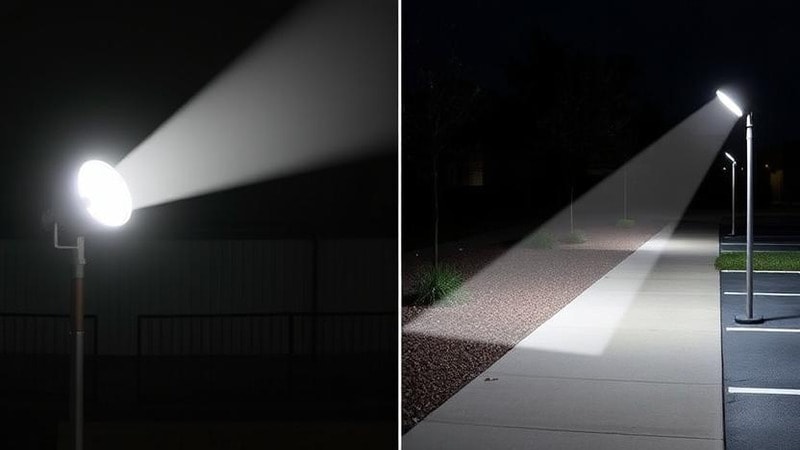
Ensure that your lighting design meets municipal and safety standards, such as those established by the Illuminating Engineering Society (IES), DesignLights Consortium (DLC), and Dark Sky Compliance. These standards specify the sort of distribution and luminaire mounting needed for certain applications.
Apart from light direction, there are several factors that you need to consider while selecting light fixtures for your project.
Illuminance is the amount of light that reaches a surface and has a direct impact on visibility in a variety of conditions. It is measured in ‘lux’.
Luminous flux, measured in lumens, represents a fixture’s entire light output and is therefore a more accurate measure of brightness than wattage.
Modern lighting systems favor lumens over wattage, as light fixtures are now engineered to improve efficiency while using less power.
The suggested illuminance levels of general storage warehouses are 100-300 lux; streets and roadways require 10-30 lux, depending on traffic flow. While suggested illuminance levels for parking lots are 30-50 Lux to improve visibility and security.
While both lighting distribution and beam angle influence how light is distributed, they serve distinct functions: Lighting distribution refers to light dispersion.
The beam angle is the width of the light spread from a fixture, which affects the focus and coverage of the light beam.
One significant difference is that lighting distribution influences large-scale illumination, such as lighting highways or sports fields, whereas beam angle is critical for more focused lighting, such as accent lighting in architectural settings.
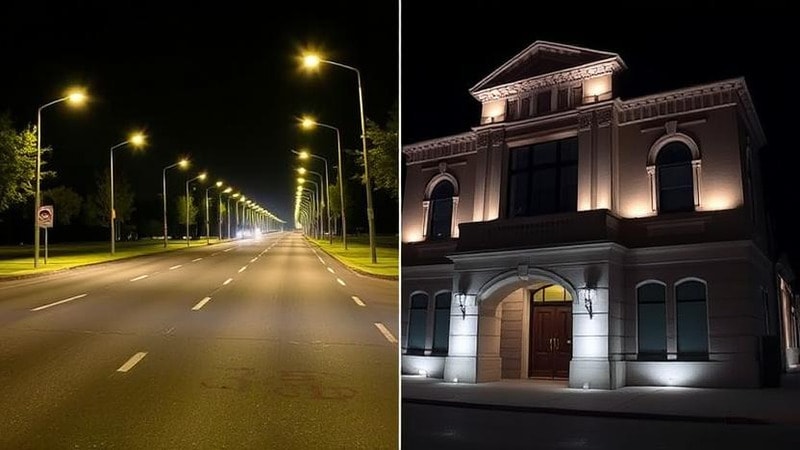
Ingress Protection (IP) ratings categorize lighting fixtures’ resistance to dust and water exposure, making them crucial for industrial and outdoor lighting.
Choosing the correct IP rating ensures that your lighting solution will last and function properly in the face of external factors such as humidity, dust, and water exposure.
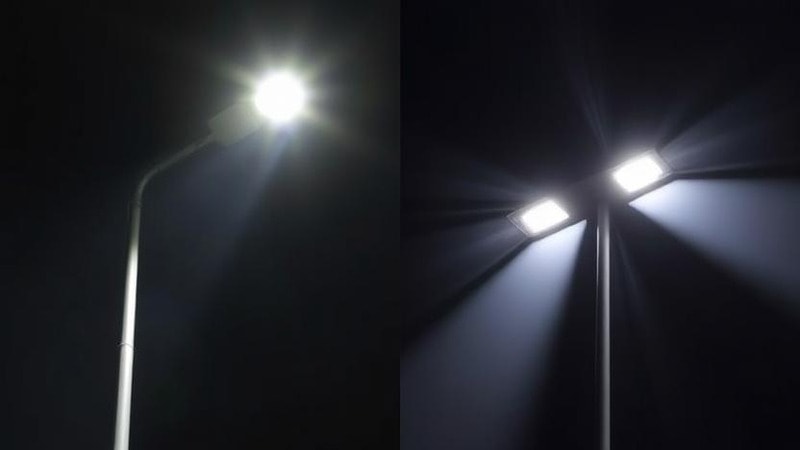
Traditional lighting sources, such as HID, Metal Halide, and HPS, produce omnidirectional light that must be directed and controlled by reflectors. This frequently results in light spills and energy wastage.
In contrast, LED technology provides perfect two-way lateral distribution, which means the light is concentrated exactly where it is needed, reducing energy loss. This results in improved uniformity with fewer dark areas.
The LEDs offer increased energy efficiency by directing the maximum candlepower to the desired region. Moreover, LED shop lights have a longer lifespan, which means lower maintenance costs.
When analyzing photometric data, it is obvious that LEDs beat traditional lighting in terms of planned mounting height flexibility and efficiency, making them the preferred choice for current lighting applications.
Now that you know the difference in light dispersion between LED and traditional light sources, it’s time for you to learn about other differences as well.
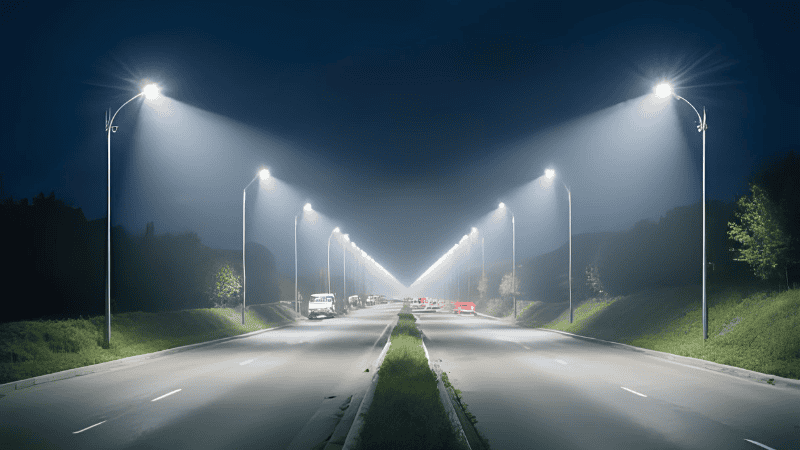
Selecting the appropriate lighting technology is critical for efficiency, durability, and cost savings. Here’s how LEDs compare against HID, Metal Halide, and HPS lighting in terms of performance and application.
HID and metal halide lamps provide a high light output, making them ideal for lighting vast areas like stadiums and parking lots. However, they use more energy and require extra reflectors to direct light, resulting in uneven illumination.
Furthermore, their long warm-up durations impair operational efficiency, making them less suitable for applications that require quick lighting.
HPS lighting is prized for its high efficiency, although it has poor color rendering and little control over lateral light distribution.
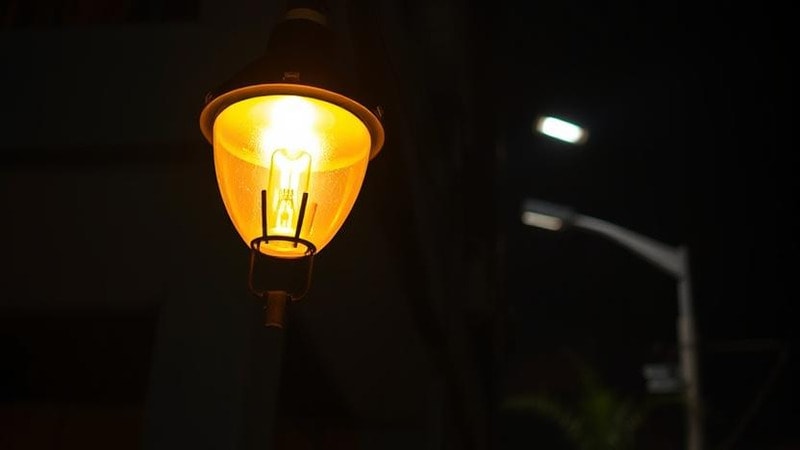
While extensively employed in streetlights, its inability to give the same intensity of light in diverse directions renders it ineffective for task lighting or applications that require uniform visibility.
LED lighting provides directional illumination, eliminating wasted light and improving overall lighting. It eliminates warm-up delays and improves operational convenience by allowing for quick on/off.
Furthermore, it has higher color rendering (CRI) for improved safety and visibility, particularly in areas where correct illumination is often required.
These lights offer a longer lifespan and cheaper maintenance costs, making them a better choice than HID, metal halide, and HPS lighting options.
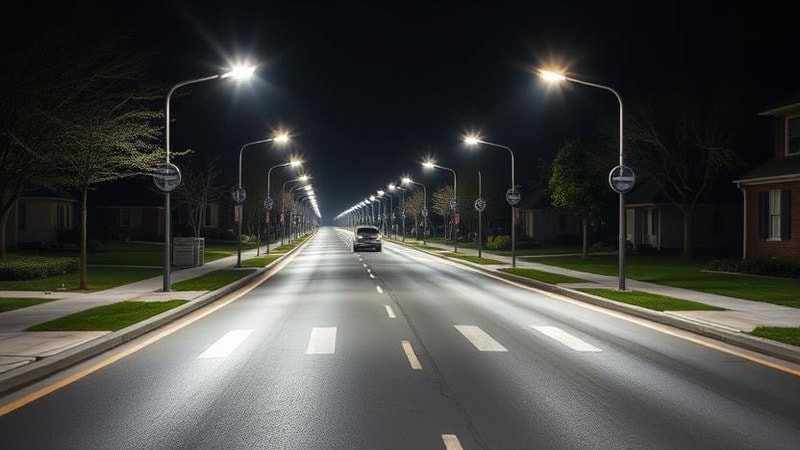
In this current day and age, taking on any project requires lighting knowledge. Whether you are in the construction stage or the finalization stage, lighting is always required.
Understanding the technicalities of lighting, such as lateral angles, will definitely help you in choosing the very best for your project.
While LED lights are superior in functionality, you need to select the appropriate beam angle and light distribution for your specific application needs.
Our experts at Risun Corp can help you find the perfect light fixtures tailored to your project’s needs.
Contact us today to explore our range of advanced LED lighting options and achieve the best light distribution in lighting design! Give us a chance, and we will try our best to meet your needs based on our experience.
A. Beam angle controls the dispersion of light from a luminaire, which influences focus and coverage. Lighting distribution describes how light travels across a surface, determining illumination patterns for various uses.
A. Yes, LED floodlights come in a variety of distribution patterns, ranging from wide-area coverage for lighting larger areas to targeted beams for ambient lighting. Manufacturers employ various optics and lenses to create lighting for certain applications.
A. Efficient light distribution eliminates wasted light by directing it precisely where it is needed. Poor distribution increases energy consumption by necessitating more lights to compensate for dark areas or glare.
A. For security lighting, Type III or Type IV distributions provide the best coverage and uniformity of illumination. These patterns reduce shadows while increasing visibility around buildings, parking lots, and access points.
Proper lighting is essential for maintaining security and privacy outside your home or office. While there are many options, few offer the visibility and security needed. Wall-pack lights stand out as an effective, energy-efficient solution, making them a top choice for both residential and commercial spaces.
If you are looking for a better outdoor lighting solution or are curious about these wall packs, then continue reading and learn about their different types of benefits, alongside which ones are best for your space.
A wall pack is a lighting source that comes in a variety of shapes and sizes but is only used for outdoor lighting.
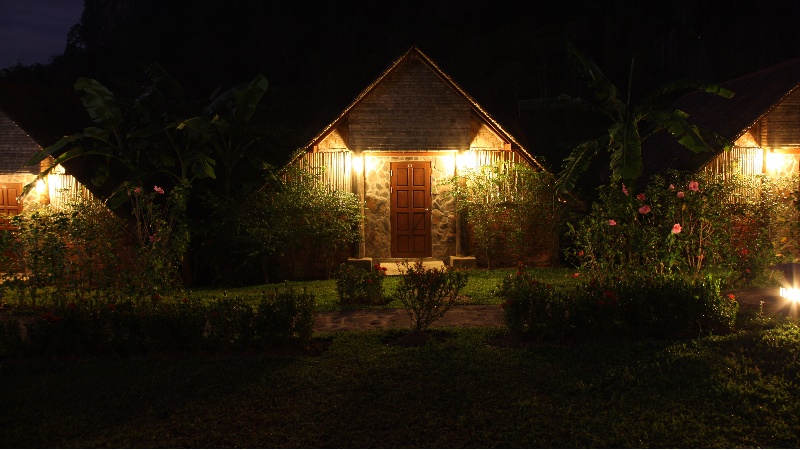
They are mounted on the exterior wall of your house or office and provide bright and crisp lighting that makes the area outside your home more visible. However, these aren’t the only things that make these lights unique. Here are a few examples of the areas where these lists are.
These lighting solutions can produce brightness that offers better illumination compared to other ordinary solutions, especially in the darker corners of the house or building.
While it might sound simple, it does help greatly in preventing any potential intruders, as well as creating a much safer environment for your loved ones, employees, pedestrians, and more.
These solutions can also help your security cameras capture much clearer footage by reducing all the shadows and blind spots.
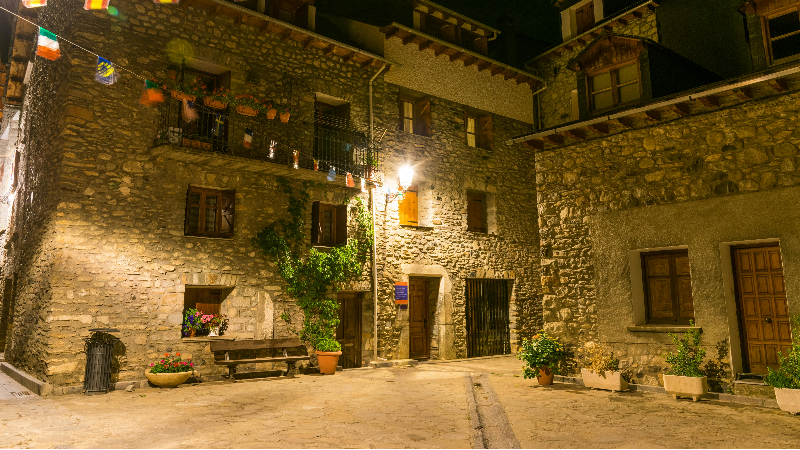
Compared to other options, an LED wall pack lasts much longer and typically offers a lifespan of at least 100,000 hours without needing any maintenance services.
Moreover, because of this extended operational life, these lights result in reduced replacements as well as long-term costs.
Plus, depending on the type of wall pack you are using, you don’t even need to replace the whole box. All you need to do is replace the bulb.
Outside of just illuminating your driveway, a lot of businesses also benefit from these lights, specifically commercial-led wall-pack lights.
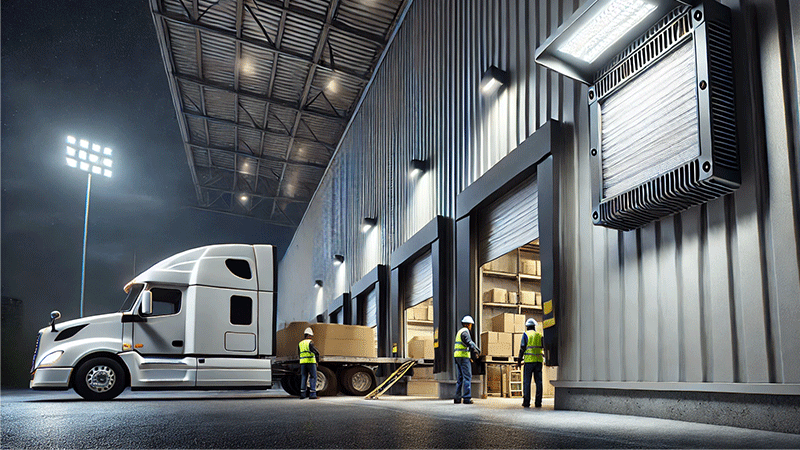
These are ideal for warehouse operations since they can provide better visibility in larger and more crowded areas like loading bays as well as docks.
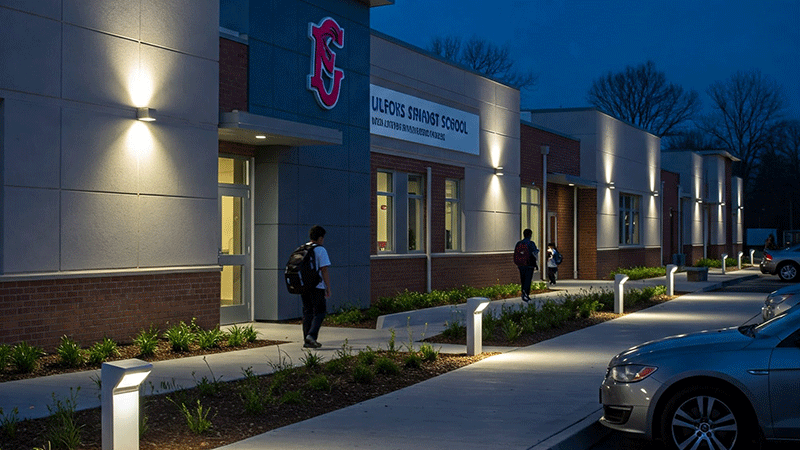
Just installing these lights in these areas will allow your workers to operate heavy machinery and computer tasks much more safely, as well as efficiently.
When it comes down to it, traditional LED lights rely on three main components, namely Halogen, High-Intensity Discharge, or HID for short, as well as Fluorescent bulbs.
Even though they served their purpose in illuminating the desired area, they still had quite a lot of drawbacks. Here is a simplified version of these drawbacks.
| Drawbacks | Description |
|---|---|
| High Energy Consumption | Traditional bulbs consume a lot of power, leading to higher electricity costs. |
| Short Lifespan | Depending on the materials, these lights burn out quickly, needing frequent replacements. |
| Frequent Maintenance | Low durability leads to constant, time-consuming upkeep, increasing costs and effort. |
| Uneven Light Distribution | Traditional lights provide inconsistent illumination, reducing visibility. |
Unlike traditional wall packs, outdoor LED wall packs don’t just serve their purpose as lights to illuminate an area. This wall-pack light features several advantages that make it the go-to choice for both homes and businesses. Here is a simplified version of these advantages.
| Advantages | Description |
|---|---|
| Energy Efficiency | Use less energy compared to traditional lights, resulting in electricity bill reduction. |
| Longer Lifespan | Have longer lifespans, lasting between 50,000 and 100,000 hours. |
| Better Coverage | Provides brighter uniform illumination with more coverage to enhance security. |
| Durability and Low Maintenance | These durable wall pack lights withstand harsh weather conditions, therefore require minimal maintenance cost. |
Knowing what a wall pack is and its benefits is one thing, but knowing which ones are ideal for your needs is a whole other process. Why?
These lights offer their users different solutions for their different needs. This means that whether you are looking for LED wall pack lights for businesses or your home, there are different solutions for each.
Also known as “General-purpose lighting,” these lighting solutions are commonly used in commercial and industrial settings and provide a reliable source of light for building exteriors, walkways, parking areas, etc.
Moreover, when these lights are mounted on the walls, they make sure that they provide bright and consistent lighting as well as increase security while also improving the overall visibility of the pathway and its surrounding area.
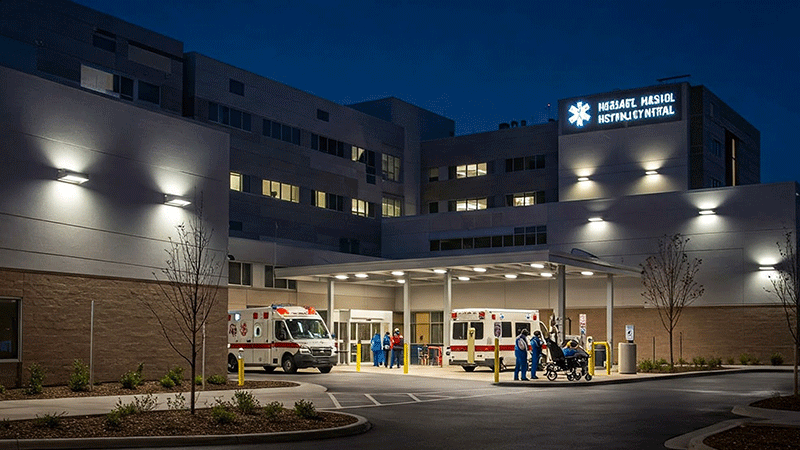
A much more energy-efficient solution compared to older lights — these are designed to consume less electricity while still delivering the best illumination as well as lifespan.
In addition, these lights are available in different sizes, styles, and brightness levels, which allows homeowners to choose the best and optimal solution for their specific lighting needs while still maintaining the aesthetics of their property.
Probably one of the more innovative solutions on the list, these lighting solutions feature built-in photocell sensors that can automatically turn the lights on at dusk and turn themselves off at dawn.
This makes the whole lighting up the area easier by completely removing any manual factor, while still providing consistent security lighting.
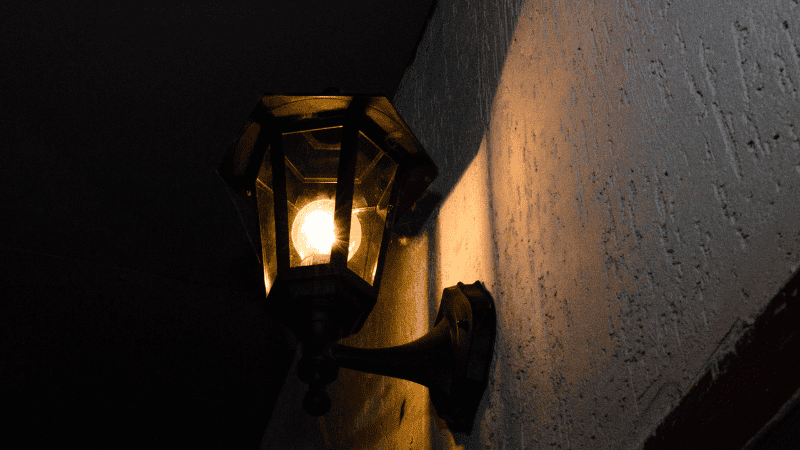
These ones are ideal for outdoor security in areas like parking lots, alleyways, building perimeters, etc., where continuous illumination is needed but for a certain time frame, which also aids in reducing the bills.
Specially made for businesses and industrial settings, these commercial lighting solutions are perfect for large spaces like warehouses, factories, distribution centers, etc.
Moreover, these lights provide a much broader coverage while still being energy-efficient, making them one of the superior options in the list for locations where consistent and powerful illumination is needed for both safety and productivity.
Even though you know the advantages that come with these LED lighting solutions that make them so much different from the more traditional wall pack solutions, it is equally crucial to know the benefits you can reap by investing in these solutions.
Here are a few examples of what you can expect after installing these lights.
Those individuals who are more eco-conscious can also use these lights to reduce their carbon footprint and contribute to eco-friendly practices. That is because not only do these LEDs consume less energy, but they also don’t contain any hazardous material like mercury.
These LED solutions consume a lot less electricity compared to other lighting solutions. This means that you can expect lower energy bills and a sustainable lighting solution for both your business and your house.
These solutions require minimal upkeep due to their long lifespans, which then translates to reduced labor costs and the hassle of continuous replacement.
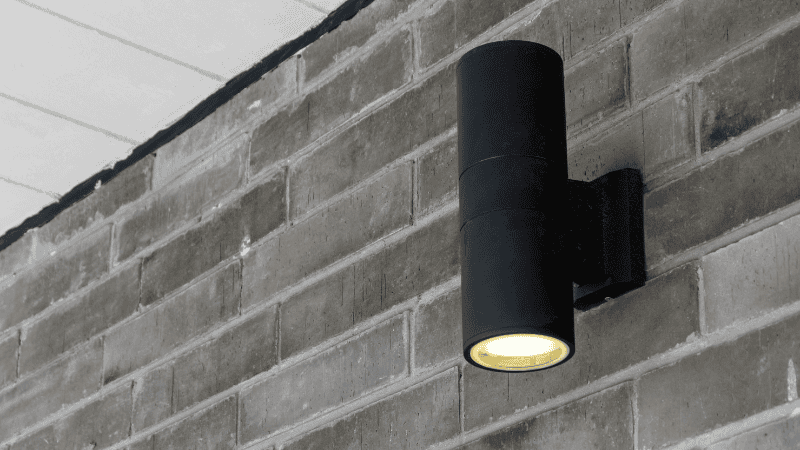
You will be able to increase the security of your location by providing consistent, bright, and uniform light. While simple, it will help you remove all the dark corners near the property and also increase the visibility of the outdoor space. Allowing you to prevent any accidents or stop any criminal activity.
Knowing about these lighting solutions doesn’t mean you’re ready to install them just yet. With so many styles and features, it’s easy to choose the wrong one.
Make sure to consider your space’s specific needs before investing. Here are a few key things to keep in mind.
First, make sure that you choose the wattage based on your lighting needs, because the higher the wattage and lumens you select, the more brightness and convergence you will get. Go for solutions that can balance energy efficiency as well as light output for the ideal performance, regardless of whether you are installing it for commercial use or for your home.
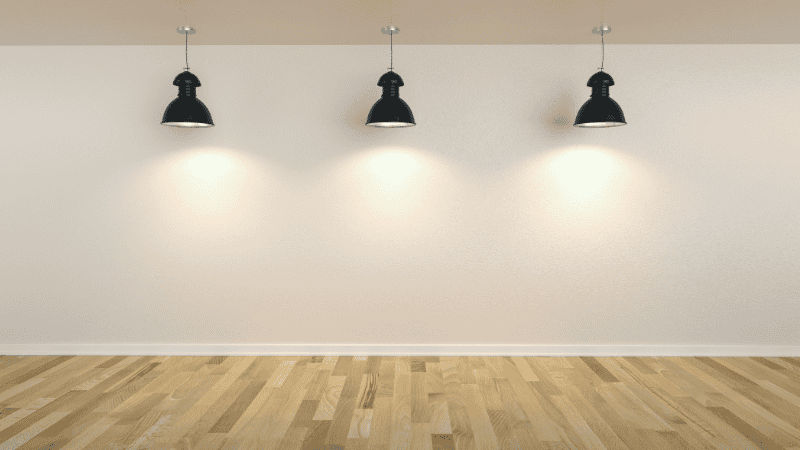
If you are installing these lights in an area that experiences frequent weather changes or environmental hazards, then opt for an IP65 light or a higher rating one to make sure that your lights are water and dust-resistant as well as stay functional even after extreme weather conditions.
For the best illumination, go for the full-cut design, as it will allow you to direct your light downwards and reduce light pollution. Moreover, this design can aid you in improving your efficiency by focusing the illumination exactly where it is needed without causing any unnecessary glare or waste.
For the more open spaces, choose cool white or daylight for a much clearer, brighter illumination that won’t just help you increase your visibility but also your security, making them the best option for commercial use like parking lots, walkways, building exteriors, etc.
Before finalizing your purchase, make sure that the solutions you are purchasing have an Energy Star certification or a UL listing so that you can expect high-quality performance, reduce energy consumption, and use solutions that meet industry safety and efficiency standards.
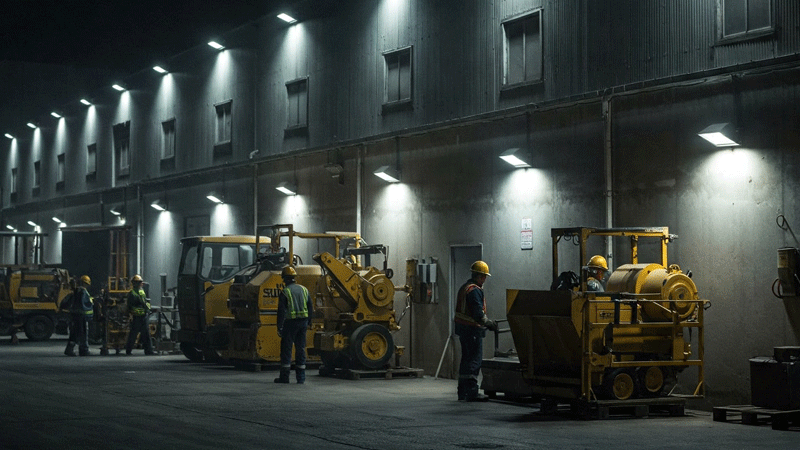
Before you make an investment in these lights, it is important that you first thoroughly understand your needs and the area you will be installing these lights in. Here are a few things to remember before you invest in LED packs.
Figure out the size of the area you want your light to cover, alongside the height of the walls, as well as the level of brightness you are looking for.
While these lights have higher costs compared to other lights. However, they make up for it through their longevity and energy efficiency.
If you install these lights in locations like parking lots or entrances, you can opt for LED packs that come with motion sensors.

Get the full cutoff packs to reduce light spills and make sure that it is providing proper lifting without causing trouble to the nearby properties.
LED packs are ideal for commercial and industrial applications, which include warehouses, factories, office buildings, etc.
The biggest reason behind this is that these lights offer reliable and efficient lighting while also consuming less energy and requiring almost no maintenance.
Plus, these lights are specifically designed to meet the needs of commercial and industrial areas.
LED packs are suitable for both outdoor and indoor lighting applications, making them ideal for areas that require consistent light.
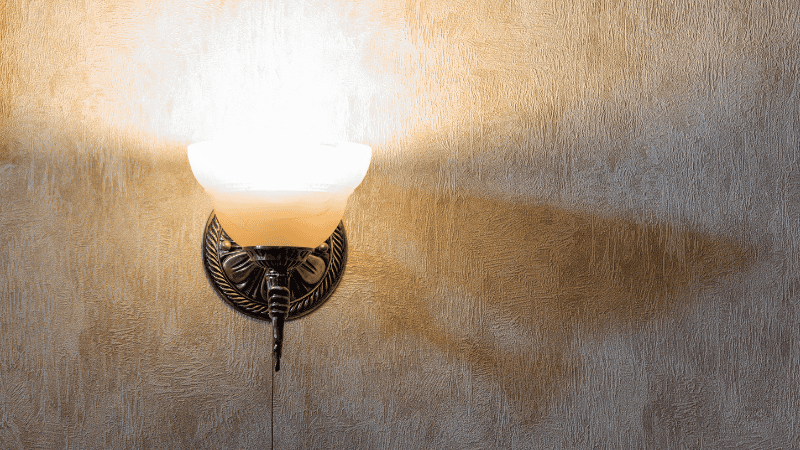
Moreover, these lights are designed to last long, meaning that they can withstand a lot of wear and tear. This alone makes them the perfect choice for both indoor and outdoor use.
Here are some useful tips and tricks you can use to make sure that your installation process goes smoothly.
If you hire a professional to install our lights, ensure that they have installed them properly, which also includes wiring, their mount, etc. Also, see if the installation process complies with your local electrical codes, so that you reduce the risk of hazards.
Individuals who want to save money by DIY will need to have a better understanding of all the electrical work, as well as precautions for an easy and effective installation process.
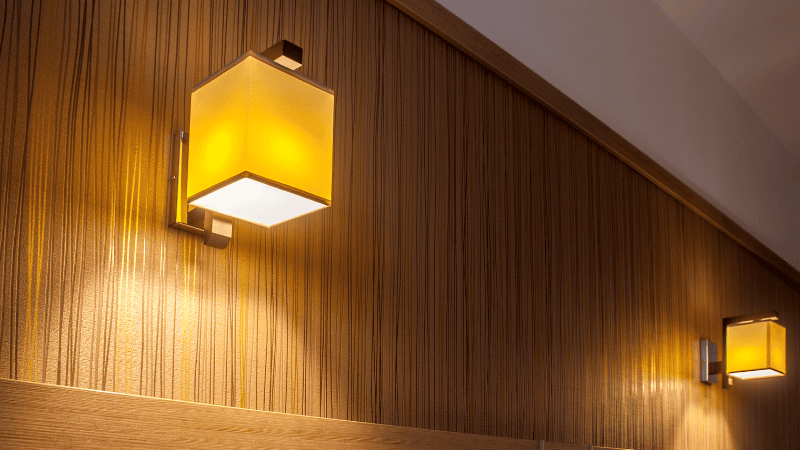
While it can differ depending on the type of location and preference you will be using these lights for, the most common and optimal height for these lights is 10 to 15 feet above the ground. This will allow you to maximize the wall pack’s light coverage while also preventing any uneven illumination.
Before you start implementing these lights, make sure that you are following the local rules and regulations for the wiring, as well as confirm that your wall pack is connected to the correct circuit so that you don’t face any issues.
To get the most out of your lights, you can regularly clean their lenses and check any signs of wear and tear. This will allow you to make sure that your fixtures stay fully functional and meet your demand for optimal lighting.
LED wall packs are reliable and efficient solutions for both indoor and outdoor use.
Not only do these lights provide their users with energy savings, but they also aid them in improving their security, making them the ideal choice for all exterior and interior lighting applications.
Struggling to find the right wall-pack lighting for your commercial space? Risun offers reliable, energy-efficient LED solutions tailored to meet the needs of businesses.
Whether it’s a warehouse, office, or outdoor property, Risun provides cost-effective, customized solutions for enhanced security and visibility. Contact Risun today to secure the ideal lighting for your business.
The biggest difference is that they are more energy-efficient, have longer lifespans, and can offer better brightness alongside low maintenance costs.
Even though the result can vary depending on your usage, maintenance as well and the environment they are installed in. Most LED pack solutions can last up to 25,000 to 50,000 hours, which is much longer than traditional options like HID or fluorescent lights.
Absolutely — in fact, these lights are perfect for security lighting since they can provide a much brighter and more consistent illumination, especially if you can pair them with motion sensors.
Ready to get started ?
Send Your Inquiry

Our team will get back to you promptly

please
download
Get notified about new products
Our team will get back to you promptly!