Can we all face it – laundry rooms are not always the most inspiring spaces in our house, especially in terms of design and décor. The room is often hidden away in basements, closets, or other low-light areas where the vibe is more functional than inviting.
However, a simple addition of a ceiling light can greatly enhance the room’s illumination, allowing you to create a welcoming atmosphere in this small space.
This guide will let you learn about the types of lights for the laundry room, provide detailed information, and suggestions for your needs and business. Let us start it.
Face it – no one wants to miss a stain on their favorite shirt or get the wrong color for the sock pair because the lighting was bad.
Good lighting ensures that you see what you are doing and avoids embarrassment. But it’s not just about functionality—the quality of lighting can dramatically alter the mood of your laundry room.
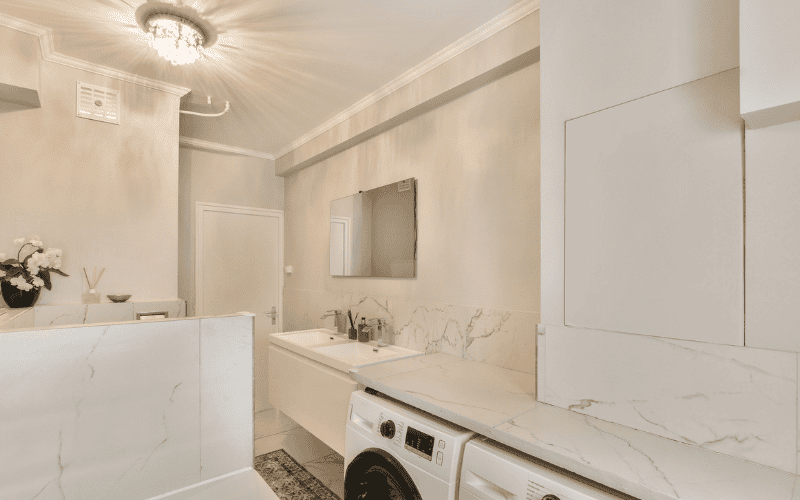
Doing laundry is not the most fun thing for most people, but having a clean, cheerful room can go a long way. Whether you want a warm and toasty glow or a bright and fresh light, the right lighting will make the area seem less like a dark, dank hole and more like a room you’d be happy to spend time in.
And let’s not forget safety. It is dangerous to be in a laundry room not only because the spaces are usually small, corners are sharp, and the appliances are usually heavy and large, but also because working in the dark is very dangerous.
Good lighting also means you do not have to step over baskets or knock into shelves. One of those little changes that transforms your laundry room into one that is more efficient, safer, and even more fun to be in. Things like sorting the clothes, identifying the stains on them, and folding the clothes have become much easier with them.
Laundry room light fixtures are a few of the most vital elements of the laundry area or washing area.
Whether you’re using the laundry room for washing your clothes, folding, or ironing, the right type of lighting can turn the room from a boring utility area to one that is aesthetic and comfortable.
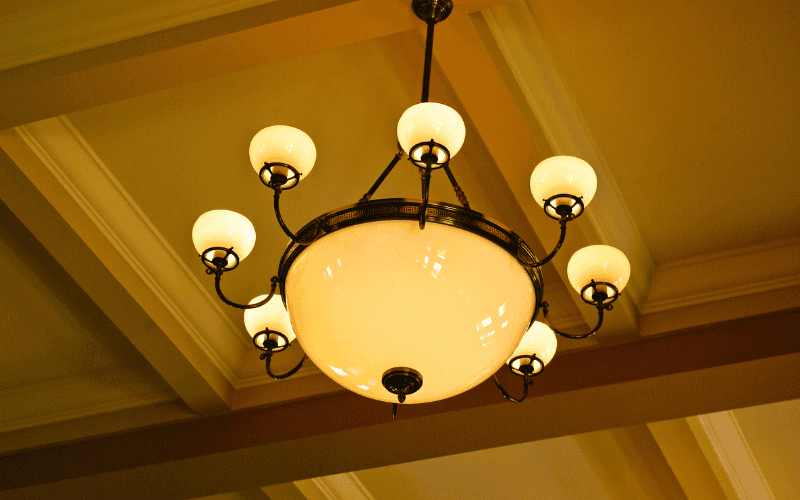
Ceiling lights, wall lights, and chandeliers all have their function, and if properly installed, they can change the appearance of your laundry room. Here’s a breakdown of the most popular options and how they can work for you:
Ceiling lights are the classic type of lighting for laundry rooms. They are quite useful, consistent, and evenly distribute light across the entire surface of the room.

If you would like to make your laundry room more unique, then a chandelier is a perfect addition.
Pendant lights are great both in terms of design and their purpose, which makes them perfect for task lighting in laundry rooms.
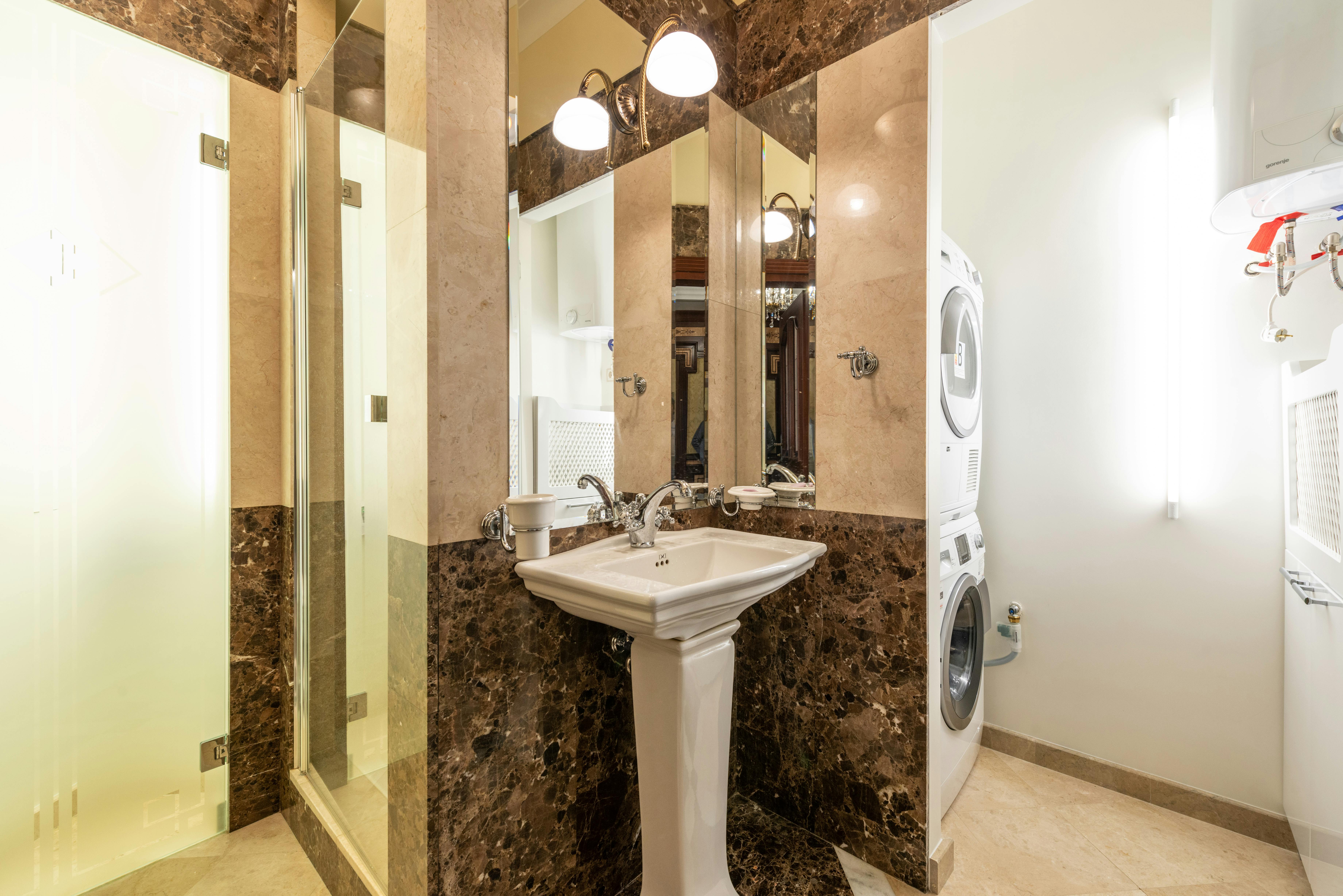
If you want to have maximum freedom when moving the lighting around, track lighting is ideal for that.
Lamps or sconces can be a great idea for your laundry room if you need extra ambiance and light. Place them in darker corners to create warmth and make the space feel cozy.
LED strip lighting will give you a modern and sleek look. You can place it under cabinets or up along shelving to softly illuminate the room while also saving you on bills.
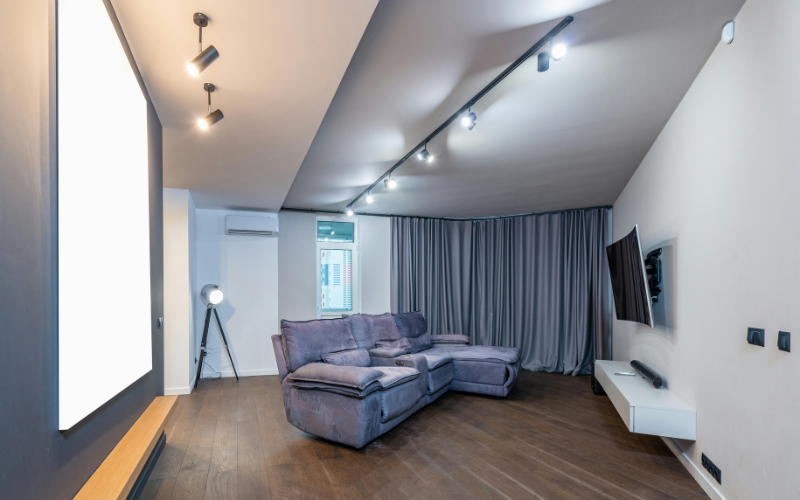
Use lighting to highlight items that you want to feature in your laundry room. The lights can be focused on custom cabinetry, decorative tiles, or statement decor, and make the room look even better.
You should also consider adding ceiling lights to the storage to improve functionality. For example, under-cabinet lighting can light shelves and make it easier to organize, as well as make the space more inviting.
To make things even easier in the laundry room, check that your lighting fixtures are compatible with smart home systems. Automation of your lights can save you time and be more energy efficient.
If you’re looking for a bright and airy atmosphere, choose large statement lighting like oversized chandeliers or pendant lights that provide ample light while becoming a focal point.
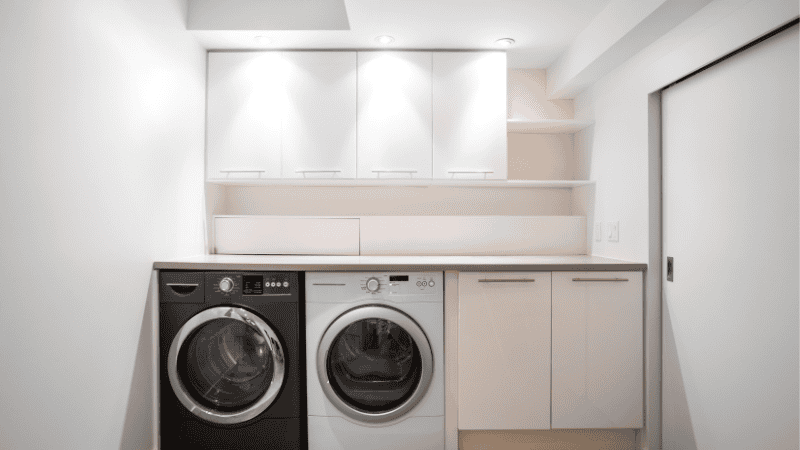
People can also target specific tasks by using track lighting or pendant fixtures, for example, laundry sinks, folding tables, or ironing boards for extra convenience and efficiency.
Go for an industrial look with exposed bulbs or rugged metal ceiling lights. These enclosed fixtures add a modern or rustic charm to your laundry room.
To get a sleek and clean design, install a flush mount or recessed lighting. They are simple fixtures that are easily effective and give your laundry room lighting a minimalist, modern look.
| Lighting Type | Best Features | Ideal For | Considerations |
|---|---|---|---|
| Flush Mount | Sleek, space-saving, and provides uniform lighting. | Small laundry rooms with low ceilings | May lack design flair; best paired with decorative elements. |
| Semi-Flush Mount | Stylish yet practical, suitable for slightly higher ceilings. | Medium-sized laundry rooms | Offers more design variety but may not suit very low ceilings. |
| Recessed Lighting | Modern and unobtrusive, great for clean aesthetics. | Small or contemporary laundry rooms | Installation can be more complex and may require professional help. |
| Pendant Lights | Adds focused lighting and decorative appeal. | Task-specific areas like counters | Height must be adjusted for convenience and safety. |
| Chandeliers | Makes a statement while brightening larger spaces. | Large laundry rooms with high ceilings | Requires appropriate sizing and ceiling support. |
| Track Lighting | Adjustable and versatile for directing light where needed most. | Larger, multifunctional laundry rooms | May look industrial if not styled correctly. |
| Under-Cabinet Lighting | Brightens counters for detailed tasks while remaining discreet. | Areas with shelves or folding zones | Needs proper placement for effective illumination. |
In smaller laundry rooms, the light should address both space-saving and functionality. Semi-flush mount or flush mount ceiling lights are good because they provide bright illumination and don’t take up extra ceiling height. LED lights are great for energy efficiency and maximized brightness, as they give consistent light but are also energy efficient.
Lighting fixtures for larger laundry rooms should do more than just brighten the space; they should also fit the space and the room’s design.
If you have a large laundry room, chandeliers or multiple pendant lights can both provide enough light and add style, so they’re a great option. If you need adjustable light distribution, track lighting is smart; you can point a light at folding tables or sinks.
Your lighting fixtures should align with your laundry room’s overall design style. For a modern look, sleek flush mounts or recessed lights should be a great fit.
If you’re going for a farmhouse style, warm, vintage-inspired fixtures work well. Matching your lighting style to the room’s aesthetic will improve both its functionality and appearance.
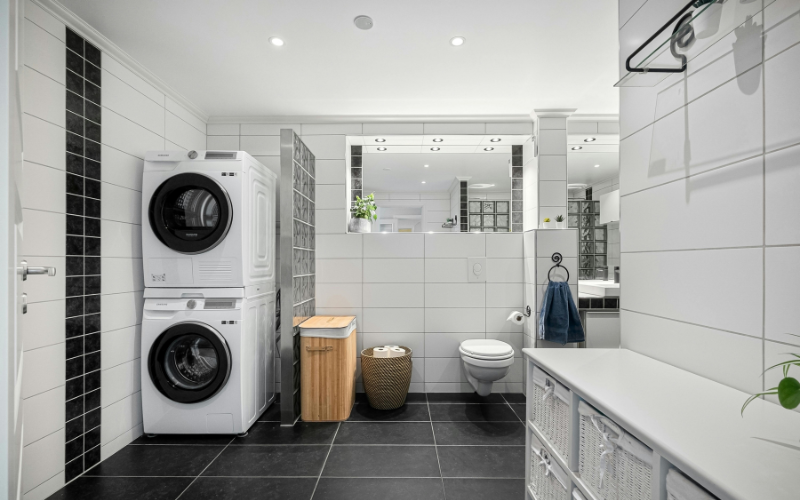
Choosing the right kind of lighting for your laundry room requires a lot of considerations to make it functional as well as safe. Below are key factors to keep in mind:
A cool white light is ideal for functional lighting in order to identify laundry tasks. A warm light can be useful in order to create a comfortable environment. Fine-tune the right brightness to avoid overlighting or underlighting a room, depending on the size and shape of the room.
There is a lot that can be achieved if the ceiling lighting placement is done correctly. Let’s take an example: ceiling lights should be used to give ambient lighting.
On the other hand, task lights should be located directly over such working surfaces as counters, sinks, or an ironing board. One piece of advice is that you should use adjustable lighting and dimmer switches.
Be aware that when installing lighting fixtures, always follow the safety guidelines and building codes to avoid electrical hazards. With proper installation, people can ensure safety, efficiency, and long-lasting results.
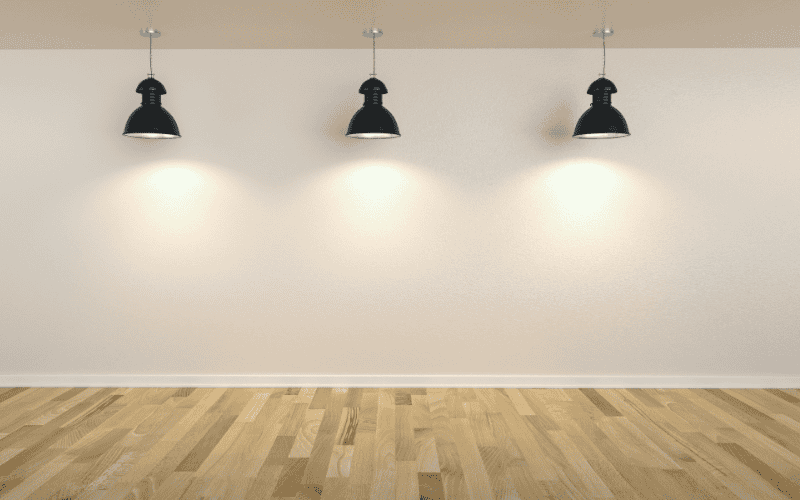
If you’re not comfortable with electrical work, it’s wise to hire a professional electrician. An expert handyman can help with proper installation, troubleshooting, and making sure your lighting system is up to code.
It can be exciting to purchase a ceiling light fixture for your laundry room, but before you do, always check the warranty and durability. A quick tip is to go for known brands.
The efficiency and friendliness of your laundry room lighting depend on the maintenance practices that you apply. Here are a few easy yet effective tips to ensure your lights are always shining their brightest:

Lighting is not simply a matter of illumination; it is a matter of creating an environment that feels workable and comfortable. Here’s how to make the most of your laundry room lighting:
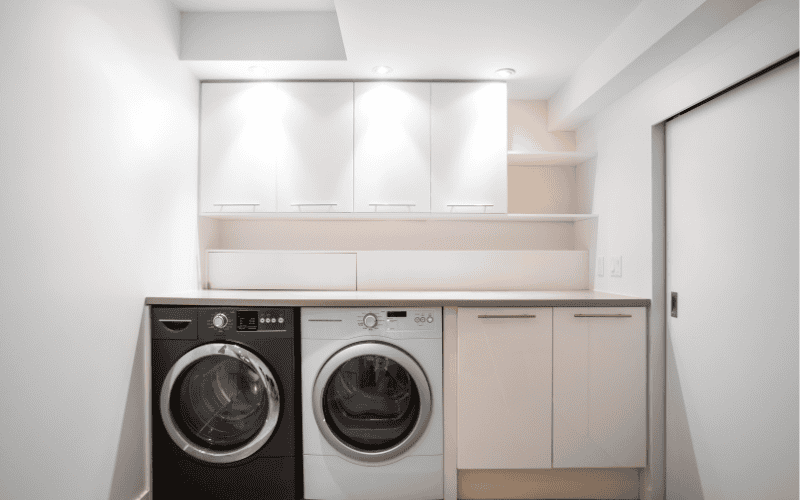

The right fixture will greatly change the ambiance of your laundry room, depending on the type of fixture you choose—whether it is a sleek flush mount, a charming pendant, or adjustable track lighting.
Consider the size of your space, the height of the ceiling, and how you utilize the room, and you’ll discover the right light to brighten your laundry chores a little bit. Here’s to a laundry room that is not only practical but also comfortable and inviting!
Finding the best light fixture or ceiling lights for a laundry room can be a challenge. But don’t worry – Risun Crop can help you with it by providing you with a wide range of lighting products with complete one-stop lighting solutions. Contact us now and get the free catalog. We must provide professional suggestions to meet your needs and improve your business.
Yes, a chandelier can work in a small laundry room if it’s compact and proportionate to the space. Make sure there’s enough ceiling height to avoid crowding and maintain functionality with style.
In a windowless laundry room, make use of recessed fixtures or bright LED ceiling lights to simulate natural light. These options are all energy efficient, which is perfect, and the one thing you can’t cut corners on is the level of consistent, vibrant illumination necessary for a functional workspace.
Typically, one or two main fixtures suffice for small to medium. However, to improve practicality. But for larger areas or detailed tasks, try adding targeted lighting, such as under-cabinet lights or pendants.
More than 70% of house owners choose their light bulbs based on their brightness alone. However, if you want to choose the right bulb, only learn about the brightness is stupid.
So, if you are confused about analyzing what, this article will guide you. We will tell you the common differences and benefits between them, and let you know how to choose the right one for your project. Let us dive into it.
A-type light bulbs are your standard, pear-shaped light bulbs that can be commonly seen in most households and offices.
These light bulbs are more than a century old and use common fixtures like the E26 light fixtures, which can also be determined by the number that comes after the initial “A,” which signifies that the diameter is eighth of an inch.

One standout feature of A-type bulbs is that they come in a variety of options, which include options like incandescent, CFL, and LED. Plus, these light bulbs are also known for their longevity and power-saving features.
The initial “A” on both of these bulbs refers to the shape of the light bulbs that they come in, which is commonly referred to as the pear-shaped design. The number beside the initial is used to determine the diameter of these bulbs.
For instance, the 19 on the A19 bulb suggests that it has a diameter of 19/8 inches, which is about 2.375 inches, compared to an A21 bulb, which has a diameter of 21/8 inches, which can be calculated as 2.625 inches.
Here is a direct visual comparison showing the shape and size differences between A19 and A21.
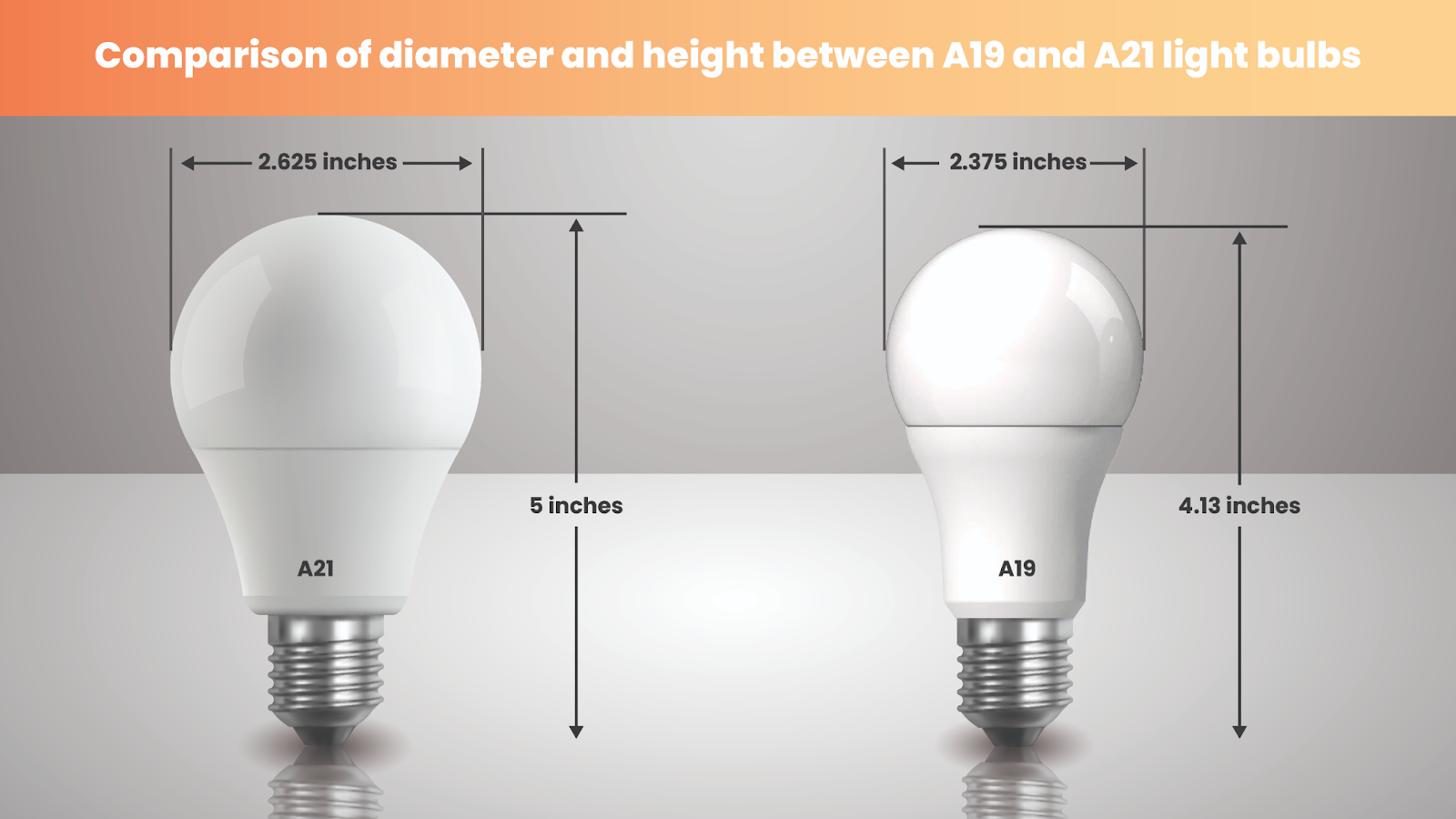
With a compact diameter of 2.375 inches (≈6 cm), A19 bulbs effortlessly fit most household fixtures, making them a staple for general lighting in living rooms and bedrooms.
Their warm glow creates a cozy ambiance, while dimmable variants (e.g., paired with floor lamps) enable adaptive lighting—bright white (3000K) for reading or soft amber (1800K) for nighttime comfort.
In commercial spaces, A19 bulbs excel in retail display lighting—opt for high CRI LED models (CRI>90) to enhance product color accuracy.

They also integrate seamlessly into flush/semi-flush ceiling fixtures (ideal for hallways), wall sconces (ambient corridor lighting), and recessed bathroom or kitchen setups, replacing halogen bulbs while reducing energy use by 80%.
A21 bulbs excel in spacious rooms requiring intense illumination, including living rooms and kitchens.
Their elevated brightness and wide coverage make them ideal for recessed ceiling fixtures (standard/enclosed mounts) and track lighting systems, ensuring even light distribution across large areas.

Compatible with dimmers, they adapt to both task lighting (e.g., culinary prep) and ambient relaxation settings (2000-3000K).

When it comes to A19 vs A21, there are a few key factors that play a role in determining which light bulbs are ideal for you. Here are a few differences between A19 and A21.
A21’s larger size allows higher sustained lumen output, reducing thermal decay by 18-25% in enclosed fixtures.
A19 bulbs are specially designed to fit into most commonly used light fixtures because of their small dimensions. Compared to an A21 bulb, which is a larger bulb in dimension – leading, they require larger fixtures that can complement their diameters and height.
| Bulb | Diameter (inches) | Height (inches) |
|---|---|---|
| A19 | 2.375 | 4.13 |
| A21 | 2.625 | 5 |
This means that A19 bulbs can be used in most common light fixtures without any issues, while an A21 bulb requires the users to install larger fixtures if they want to benefit from these bulbs.
Size isn’t the only thing that differentiates these two light bulbs. Almost all A19 high-quality LED bulbs are made to support lower wattages, which can range from anywhere between 40 to 60 watts, whereas A21 uses higher wattages that can range from between 75 to 150 watts.
These differences in power result in their overall brightness — which means that A21 bulbs are able to provide more lumens (used for measuring light) compared to their counterpart, the A19, which provides lower brightness.
All A19 light bulbs are designed to work with standard light fixtures, which can be commonly found in most houses as well as buildings.

A21 light bulbs, on the other hand, require larger fixtures that can work with their large shape and size, which usually means installing new light sockets for them.
Before making a purchase, it is better to check the guidelines for the fixture and if it is compatible with the light bulbs that you wish to install.
Since A19 bulbs are known for providing softer brightness, these bulbs are ideal for smaller spaces and residential areas where more intimate lighting is required, like bedrooms or reading areas.
At the same time, A21 bulbs are much preferable in large areas that require higher brightness like a garage or basements – that require ample lighting to do any kind of task.

When it comes to making a decision between A19 and A21 Bulbs, it is better to know both the pros and cons of these bulbs since this will allow you to make better and more informed decisions.



For individuals who seek bulbs that have remarkable energy efficiency and extended lifespan, LED bulbs have become a popular option.
Indeed, one will find that compared to older incandescent bulbs, a common LED light bulb produces the same amount of light while consuming less wattage.

Not only does an LED light bulb help you pay a lower electricity bill, but they also have a big role to play in minimizing the carbon footprint, the reason why they are not just an ideal choice for your home but also perfect for creating an eco-friendly environment.
Also, not to mention, LED bulbs come in many lumens and colors, which also affect the temperature.
This makes LED light bulbs a perfect choice for a wide array of lighting purposes. For example, they can go for the bright LED bulbs in the kitchen and soft and warm ones in the living room.
With high-quality tech, LED light bulbs can emit brighter light and appeal to people with great aesthetics, which makes them perfect for serving as pendant lights or any other decorative fixtures.

Additionally, because of how versatile they are, homeowners and businesses can ensure their ambiance, and as a bonus, they also last long.
In reality, however, most LED bulbs can easily last for up to 2 to 5,000 hours, depending on how they are used.
In addition, their durability makes for fewer replacements over time, making them even more cost-effective, allowing users to maintain brightness and warmth without having to spend an arm and a leg.
Users are advised to take a few things into consideration before making an investment, particularly when it has to do with how your house looks — to determine aesthetic appeal. There are a few things to keep in mind.
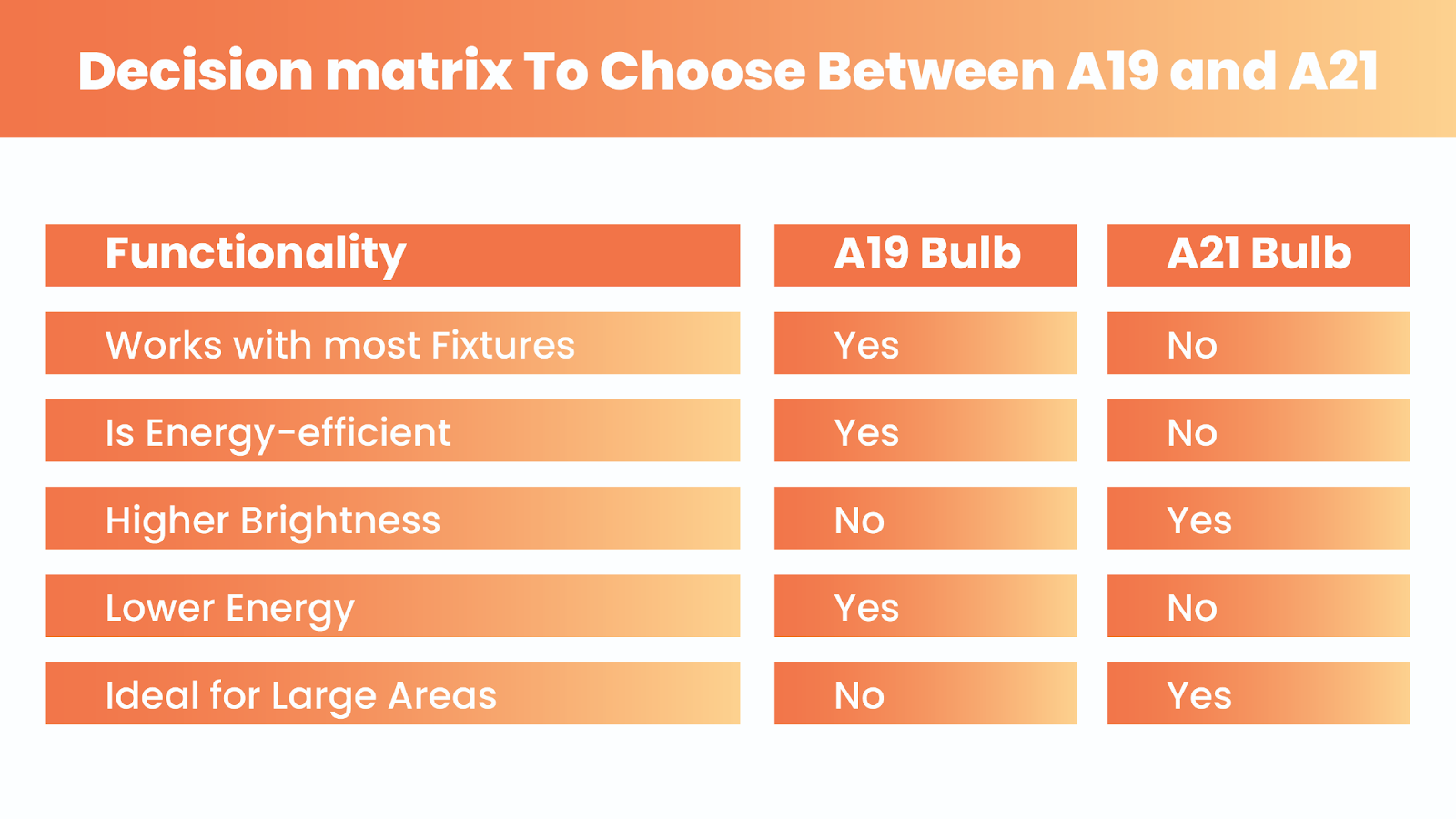
You can have a fixture that needs to have a light bulb size that doesn’t fit your purchase, so you should make sure your fixture can hold the size you’re going to be buying before purchasing.
For example, most houses have small light fixtures that use small bulbs like an A19.
However, if the homeowner wishes to use a larger size bulb like the A21, they might have to install a new fixture as well.
How you use your light bulb should be reflected by what you have chosen. Small, intimate areas, like bedrooms, are usually better served with lower amounts of lighting, so A19 bulbs are sufficient for such areas.
So, while A21 light bulbs are much better for areas needing higher light levels and a much wider light spread, such as basements or attics, you really aren’t going to want to use them in kitchen or bathroom applications.
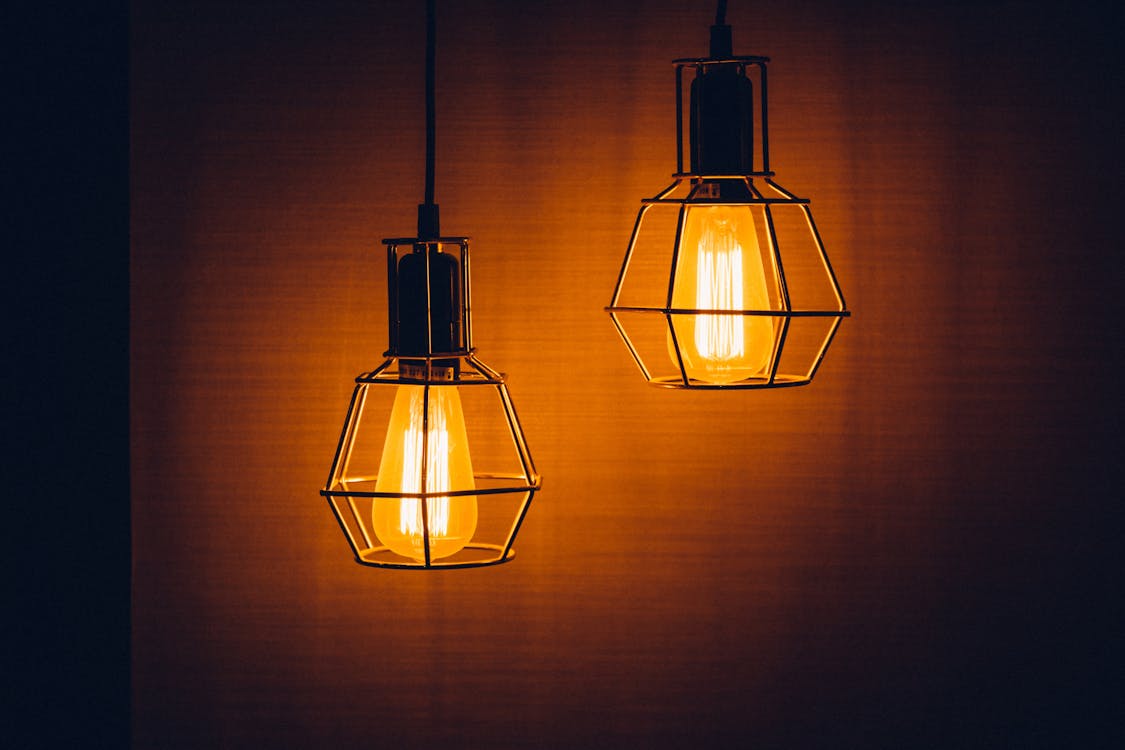
An important factor is energy saving. Both of these bulbs come in LED options that have the reputation of using less electricity than their older version and other alternatives, such as incandescent light bulbs.
By the size and the lumens, an A19 bulb produces, compared with A21 light bulbs that are bigger and brighter, utilizing higher watt requirements. This is a bulb that uses less power.
It is important to ensure that when you are buying a fixture, it meets your light bulb requirement.
Most modern fixtures use an E26 base, which makes it easy to use both bulbs on the same light fixtures, while most older fixtures are tailored for a specific type.
Therefore, check the compatibility of your fixture before installing it or face the possibility of a failed installation.

To keep it simple, both A19 and A21 play major roles in providing custom lighting solutions, while most users might think that they look similar. They both are very distinctive in size capabilities and the applications that they are used in – allowing them to be suitable for distinctive needs.
Also, as a friendly reminder, make sure to check which fixture you are using since most light fixtures aren’t compatible with A21 LEDs. If you have any more questions, you can also leave us a message to let us know about our shortcomings.
Looking for a trusted lighting partner to elevate your business? At Risun, we specialize in high-quality lighting solutions tailored to your needs.
With our extensive product range and dedicated support, we help you deliver the perfect lighting experience to your customers. Let’s create brighter spaces together—contact us today!

As mentioned, most older fixtures are designed to fit only one kind of bulb. However, if you are using a fixture with an E26 base or have enough space for a large bulb, you can make an A21 bulb fit into an A19 socket.
No. A21 bulbs are usually larger in shape and consume more wattage, which results in higher brightness compared to other light bulbs like the A19, which are both smaller and use less wattage.
Yes, both A19 and A21 come in LED versions, and these LED bulbs are preferred by users because of their energy-efficient tech.
Plus, they are also able to provide the same spread of brightness as the typical A19 and A21 bulbs.
Kitchens are the cornerstone of any home; even spending a lot of money on the house and neglecting the kitchen will take away the shine. Imagine you enter a house and you see a glamorous kitchen with an even stunning kitchen pendant.
Wouldn’t that just uplift the atmosphere and look of a house?
This blog will guide you on how you can elevate the space of a kitchen with a well-designed pendant, learn about the various kitchen pendant light styles and types, and get some useful tips on making your kitchen pendant look more pristine and cool.
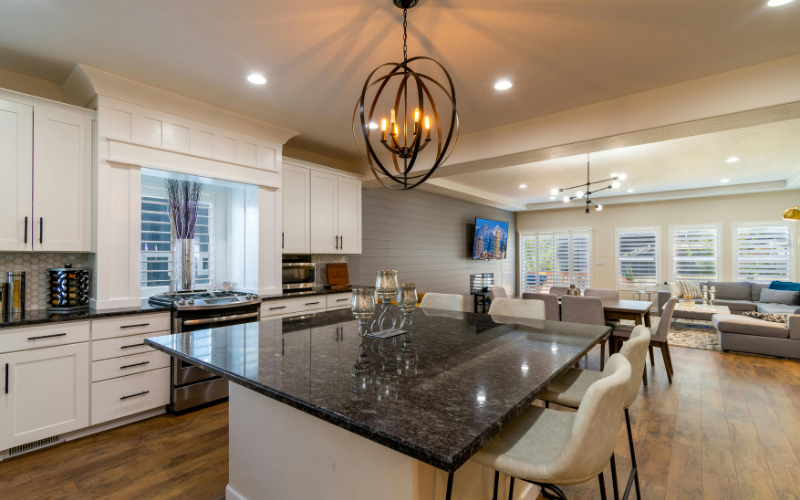
Kitchen pendant lights are light fixtures suspended from the ceiling using a cord, chain, or metal rod. While standard ceiling lights spread light around a room, pendant lights offer more focused light and can serve to draw attention to one section in particular.
Not only do these lights play a highly functional role, but they also make amazing design touches and are a solid way to elevate the look of any kitchen. They come in sizes, shapes, and materials to fit your kitchen’s unique style, from modern to rustic to industrial.
Using pendant lights for a kitchen sink, countertop, or island is probably one of the best design choices that can be made. A well-placed light fixture provides safety and better vision while slicing vegetables or mixing ingredients and optimally illuminates every angle of the island, sink, or countertop.
Pendant lights serve as accents that enhance the atmosphere of the kitchen. There are numerous designs to choose from, which include understated glass spheres as well as complex industrial pieces, allowing the light to stand out or be an enhancement to the decor.
It is easy to create boundaries in an open kitchen plan with the use of pendant lights. A dining nook can be elevated and hung with two or more fixtures to build a welcoming and inviting vibe or hung over a breakfast bar to divide it from the cooking area. This zoning can bring order and sophistication to the most chaotic kitchens.
Modern pendant lighting consists of smooth, clean lines, a minimalist approach, and practicality. These fixtures focus on efficiency and maximally enhancing the contemporary vibe of your kitchen.
Looks: Common materials for modern pendant lights include glass, metal, and acrylic, and are understated yet stylish. Popular finishes are black matte, brushed nickel, and polished chrome, which look natural when matched to the rest of the kitchen’s design.
Preferred Options: In modern kitchens, geometric shapes – rectangular or orb pendant designs, as well as globe lights with frosted glass are great choices. Multi-light fixtures that generate multiple angles of lighting are also quite popular nowadays.
Regarding homeowners who don’t need much hassle or specific themed lighting, modern pendants work best.
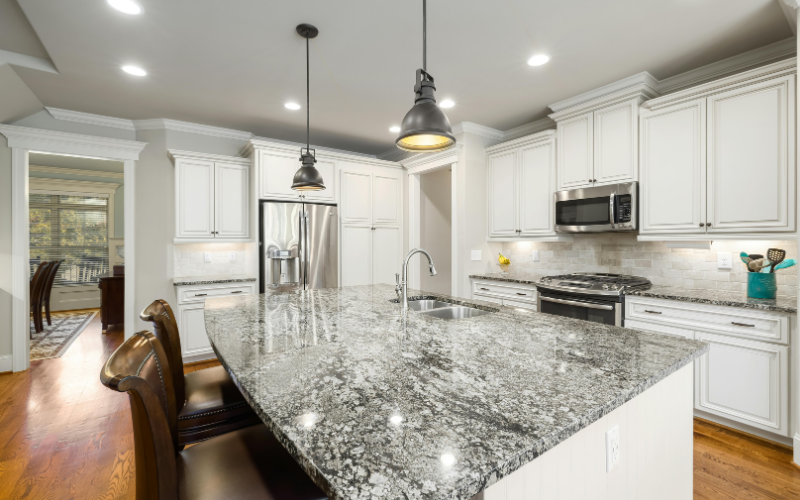
Industrial pendant lights are a great option for anyone looking to bring an edgy touch to their kitchen using the aesthetics of old factories and warehouses.
Styles: Look for fixtures with an exposed bulb, a metal shade, and a raw steel or cast iron construction. Cage lights and Edison bulb pendants are classic considerations for this style and are splendid examples of vintage decor.
Best Placement: These pendants look great over reclaimed bricks, metal, or wooden decor. They fit seamlessly in kitchens styled rustically or with an urban loft aesthetic.
Industrial lighting is sure to make a bold statement and is one of the best options for task lighting solutions in high-traffic areas.

A type of lighting fixture meant to offer elegant and high-grade design features, architectural pendant lighting is found in the kitchens of rich homeowners.
Design Elements: These pendants usually are made from high-quality materials such as brass, copper, and hand-blown glass, These are always characterized by simple geometric forms, sharp angles and lines, and other elements that offer a minimalistic feel.
Examples: Large kitchens can be nicely decorated with tall pendant lights and a kitchen with grand looks is decorated with pendant clusters.
Architectural lighting pendants are elegant lights that can be used by homeowners who want to create a focal point in their kitchen.

Primarily made for easy use and long-lasting life, commercial lights are not only found in restaurants and cafes but also commonly used in hectic home kitchens.
Durability: The fixtures are constructed with heavy-duty materials such as stainless steel and reinforced glass, ensuring longevity.
Design Considerations: Pendant lamp holds a middle ground where practicality as a task lighting and an appealing visual, along the lines of contemporary kitchens, is achieved. Large pendant lamps or lamps with extendable arms are often seen.
Working in a busy kitchen does not have to be an inconvenience, and commercial pendant lamps can allow for style without compromising efficiency.

If you’re looking for something a little different, then pink pendant lights are not just fun but are also trending.
Aesthetic and Use: This style is available in many light colors, including soft jelly or strong magenta, and is also an excellent match for modern or pastel kitchens.
Product Suggestions: Let these fixtures enliven your space. These pendant light lamps are a perfect hue that brightens the entire room and sets a positive energy into it.
Pink pendant lamps are great at sending a message about your taste while making the kitchen feel more welcoming and stylish, having plenty of character.
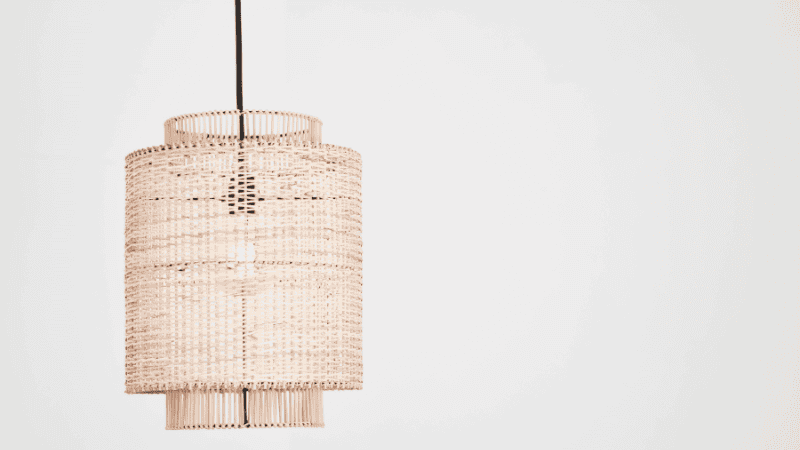
| Type of Pendant Light | Features | Best Placement | Ideal Uses |
|---|---|---|---|
| Modern Pendant Lights | Clean lines, minimal design, materials like glass or metal, matte/polished finishes | Above kitchen islands or countertops | Adding sleek, contemporary style to kitchens |
| Industrial Pendant Lights | Exposed bulbs, raw metal, vintage design, cage-style fixtures | Kitchens with exposed brick or rustic decor | Enhancing character in industrial-style kitchens |
| Architectural Pendant Lights | High-end materials like brass or copper, sophisticated geometric designs | Upscale, custom kitchen interiors | Making a bold statement with elegant designs |
| Commercial Pendant Lights | Durable materials like stainless steel, functional task-oriented lighting | Restaurants, cafes, and other commercial spaces | Combining functionality with durability |
| Colored Pendant Lights (e.g., Pink) | Playful or bold colors; soft blush tones to vibrant magenta | Kitchens with pastel or modern themes | Adding a unique focal point to creative kitchens |
| Recessed Lighting | Hidden, flush-mounted fixtures | Ceilings in kitchens and living rooms | Subtle and uniform lighting without visible fixtures |
| Wall Sconces | Mounted to walls for targeted light | Hallways, bathrooms, and accent walls | Highlighting features or creating ambient lighting |
Pendant lighting is much more than a source of light; it serves as a design element, providing utility and beauty at the same time. Here’s why every kitchen should have pendant lights:
Pendant lights are perfect for task-centered spaces such as kitchen islands, countertops, and cooking areas due to their focus. The focused light, irrespective of whether you are making meal preparations or having light meals, ensures performing tasks with much ease.
Pendant lights are a way of showing off your design prowess. From sleek modern glass globes to retro industrial pendant lighting, they accentuate otherwise dull corners of the room to become the center of attention.
LED pendant lights are environmentally friendly as well as durable, and because they use much less power than normal bulbs, they are extremely cost-effective and environmentally friendly, whilst still not having to sacrifice brightness or style.
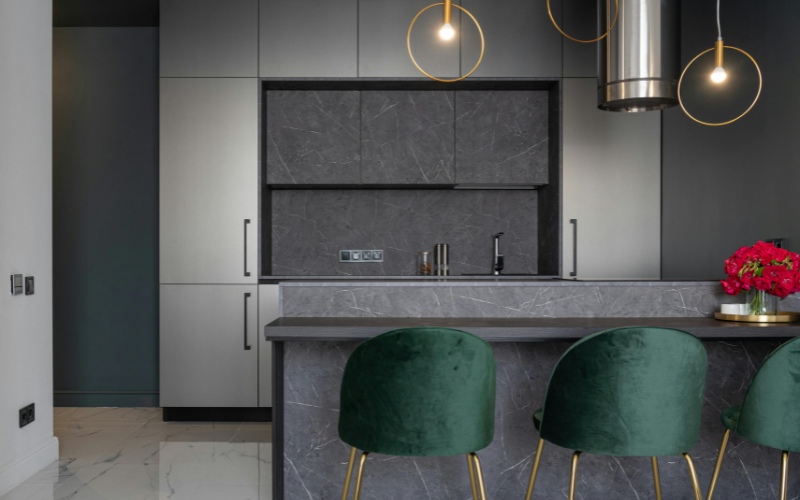
The correct pendant lights can be used to define how you want the feel of the kitchen to be more inviting. They come dimmable, which means you don’t have to settle during the day when you may put harsh lighting on, while during the evening, you can add character in more comfortable lighting.
With the use of pendant lamps, you can create depth by changing the level of the light and also enhance the focus on a particular area. This type of clustered lighting enhances the space inviting your kitchen to a new dimension.
The kitchen is a location that showcases a person’s creativity, so it is off to a good start to say that, depending on how you want your kitchen style to be, LED pendant lights can be matched accordingly. Urban-styled or rustic pendant lights suit seamlessly; however, for a more modern, sleek approach, a minimalist design would be a better option.
Kitchen islands demand a pendant light that evenly projects its beams to the location around it, thus making it essential to consider the shape and size of the bulb and the countertop height.
The diameter of the bulb should be at least 12 inches, but it should not exceed 20 inches. If the pendant is to be placed above the kitchen counter, the overall mounted height should fall anywhere between 24 and 30 inches.
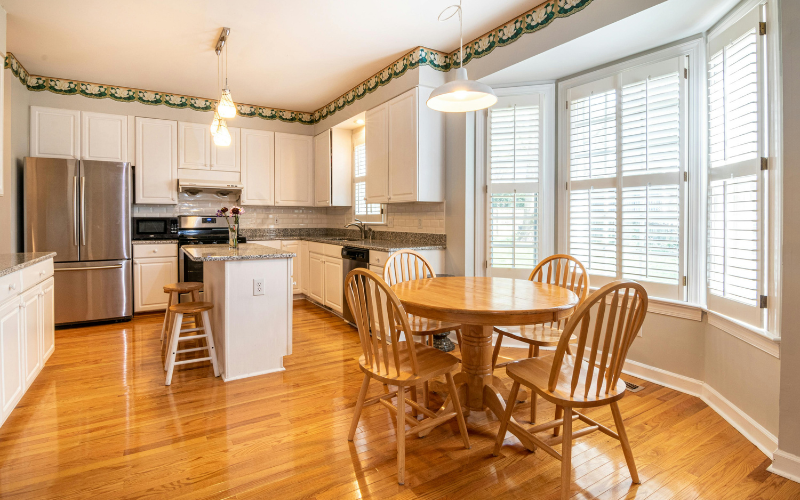
If your pendant light of choice is compact, any small, enclosed room would suit it perfectly. However, for a larger room, the approach should be reversed. Multiple large pendants can be hung from the ceiling to better maintain a suitable proportion.
The mix of ambient, accent, and pendant lighting should work together. Tasks can be comfortably performed without having the place be too dark because the lighting is layered.
Contemporary pendant lights are multi-functional, available in sleek designs or in pendant lights with more character. A popular selection to choose from are the pendant lights, they are linear, circular and geometric and suit perfectly as pendant lighting for modern kitchens.
These, too, serve a purpose: to complete the overall look by matching the color and material of the cabinets, countertops, and appliances. The US residential lighting pendant market was valued at 2.64 billion and is expected to grow by six percent by 2024.
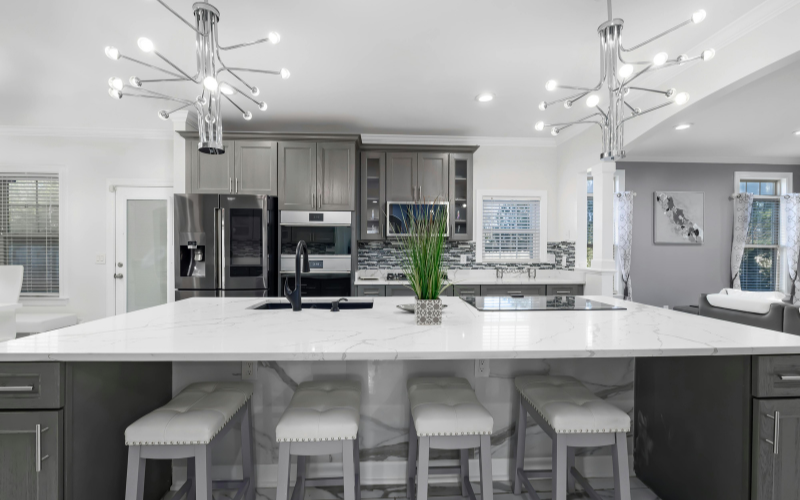
Altering the pendant lights can create a completely new color scheme. Opting for colored pendants is a bold alteration, whereas neutral shades give it a softer and lasting look.
For a warmer look, pendant lights with a soft light diffuser can be employed. The modern pendant light would evenly light the place and avoid hard shadows while adding to the warmth.
Pendant lights serve as a great design medium, enabling a single-point location in your kitchen area. Consider using big LED pendant lights as a statement piece if positioning it above your kitchen island or in the sitting area or smaller fixtures to remain stylish in a more understated way.
Such lights may be used to achieve unity in your space by integrating features such as countertops, other cabinetry, and flooring. On the other hand, you could try unique shapes, materials, or finishes that would serve as accents to your already-existing decor.
When it comes to pendant lights, feel free to experiment with different pendant light styles. They will allow you to achieve a turned look that imitates your style. Pendant lights can also be used with different types of kitchen designs and requirements.
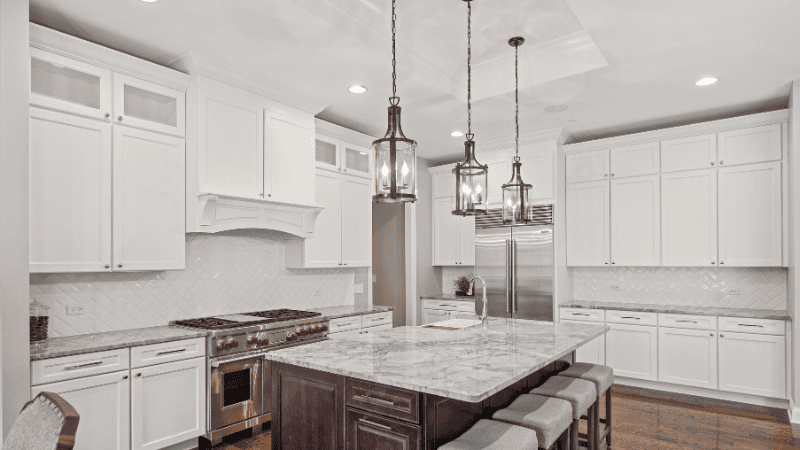
Ensure to maintain your pendant light in terms of physical cleaning, as it will allow the pendant light not to lose operational efficacy, while also removing dust and debris that can detriment the quality of light being emitted.
Switching to LED pendant lights will allow more affordability and low maintenance, as it uses less power than conventional bulbs and increases the overall lifespan of the pendant light.
Adhering to the guidelines provided by the manufacturer for the fixture’s installation and maintenance is a directive to the safety procedures meant to be observed.
Having access to a dimmer switch would allow you to change the light stages according to how lively or peaceful the imagined scenario requires, allowing the ambiance to always be calming and versatile.
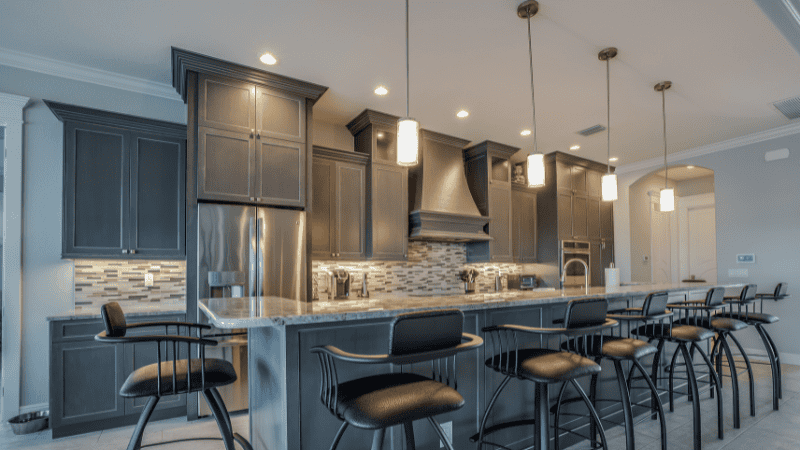
When selecting pendant lights, look for those that can have their bulbs or shades modified, as it will save on maintenance and repair costs for future uses.
Kitchen pendant lights have advanced, and now they are available in different varieties. The traditional types are rarely seen these days as the kitchens of today are modern and industrial, offering a wide selection of enticing options.
When choosing, take into account elements like your kitchen design style, use of space, and size of the room. Modify the various designs to suit your space while maximizing function and style.
Risun Corp is the new game changer in the lighting industry. We provide new and innovative home lighting products. Our efficient supply chain management products are delivered on time for both residential and commercial clients.
If you have more questions to know, you can comment on us and contact us now to get a free product catalog and professional consultation.
You enter a large room with vaulted ceilings and see a fantastic fan with multiple blades, and you’re just amazed by its ability to circulate wind throughout the room while being able to lift the look of the room.
Doesn’t it make you want to get one? But for many people, it is rather hard to hunt for the best ceiling fans for high ceilings. This guide on vaulted ceiling fans will provide you with a good idea of what to look for in a fan for the best airflow and style. At the same time, this is the best solution for your needs and business.
If you have high ceilings and large rooms, or you’re trying to keep a cathedral-style space well ventilated, you need more airflow to stay comfortable. That means choosing a fan with a strong motor and wide blades to move enough air throughout the entire space.
While smaller fans might seem like a cheaper option, they often can’t push air far enough, which leaves some areas feeling warm or stuffy. A fan that’s the right size for the room, on the other hand, keeps the air moving evenly, so every corner stays cool and comfortable.
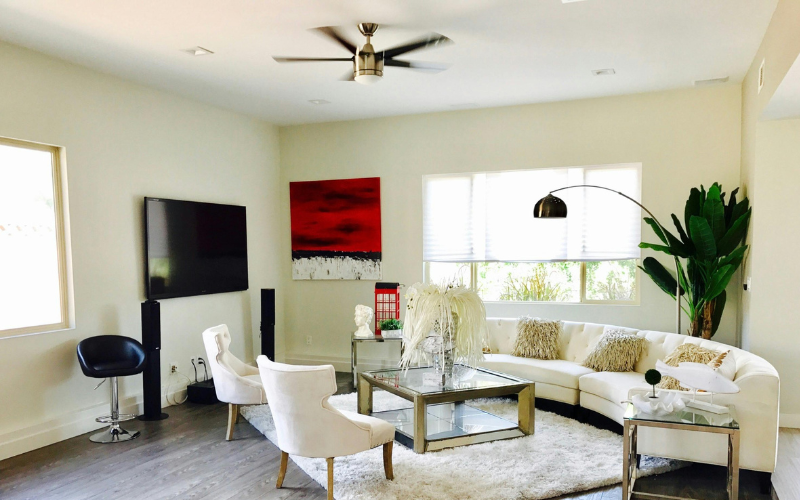
Picking the right ceiling fan size does more than just keep you cool. It can help cut down on your energy bills. When air moves around the room the right way, your heating and cooling systems do not have to work as hard.
That means you stay comfortable without cranking up the heat or AC. In big rooms with high ceilings, a 52-inch fan with a light kit is a smart choice. It moves air well, lights up the space, and saves you from needing extra lights or wasting energy. In the long run, it just makes your home feel better and run more efficiently.
The size and structure of a ceiling fan can make a big difference in visual harmony, especially in places with high or vaulted ceilings. A fan that is the wrong size will look disproportionate to the room, taking away much of the magnificence that is supposed to be there with a high ceiling.
The fan industry is projected to grow to 14.65 billion by 2030. Conversely, a fan that is of good size complements the architecture of the room and also acts as a functional center point of beauty.
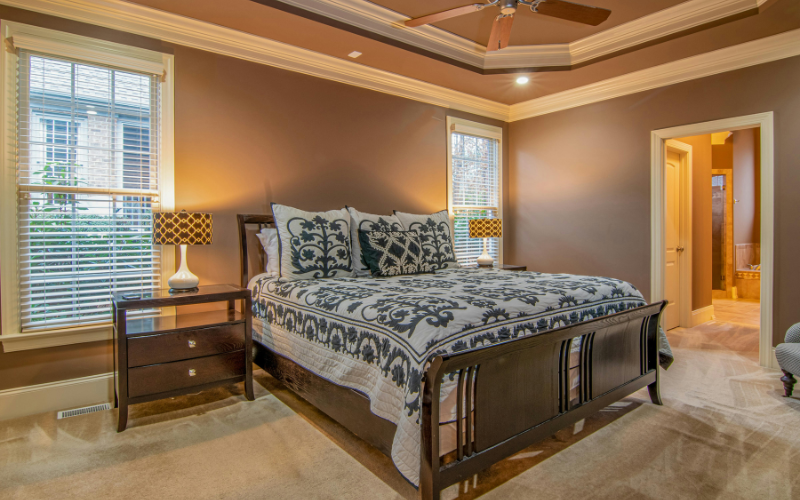
Modern, rustic, or traditional fan designs can align with the room’s decoration greatly and further improve its overall appeal while providing practical airflow.
The most concerning factor affecting your fan’s performance will probably be the wall height. If your ceiling is quite high, you will need to get a larger fan with higher motor capabilities for efficiency in moving air across space.
Keep in mind that the ceiling fan installation for high ceilings should be the right height; if it is installed too high, it cannot be effective, and if it is too low, it will be dangerous.
If you have a vaulted or sloped ceiling, you’ll need a fan designed to accommodate these angles. Look for angled mount-capable ceiling fans that can hang at the right angle for optimal airflow.
Without this feature, the fan may not circulate air properly, leaving certain areas of the room warmer than others.
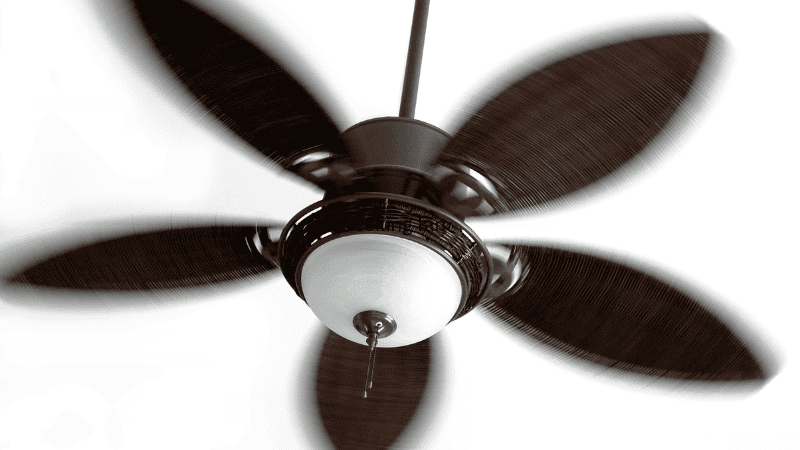
An adjustable downrod is a must for high ceilings. This feature allows you to tailor the cathedral fan’s height for the best performance.
If you select the right downrod length, you can make sure the fan is positioned properly for maximum air circulation.
The number of blades a fan can have truly can make a huge difference in the airflow and the amount of noise it generates.
A 3-blade fan tends to deliver more effective results in the aspect of moving air, while a 4 or 5-blade fan has the capability for quieter operations.
It actually depends on you whether you desire a quiet, gentle breeze or have the requirement of maximum airflow.
The Last feature, not the least, should be whether you want the fan placed indoors or outdoors. Certain models are designed specifically for outdoor spaces, so make sure your fan suits the space it will be in.

Before you purchase your fan, you need to calculate the square footage of your room by multiplying the length by the width.
Let’s take an example:
If your room is 15 feet by 20 feet, the total square footage is 300 sq. ft. Once you have the square footage, you can calculate the appropriate fan size.
For rooms between 200-400 sq. ft., a 52-56 inch fan should be ideal.
Larger rooms, 400-800 sq. ft., require fans ranging from size 56-72 inches for optimal air circulation.
The height of your ceiling directly impacts the fan size and placement. Below is a general guideline for you based on the height of the ceiling:
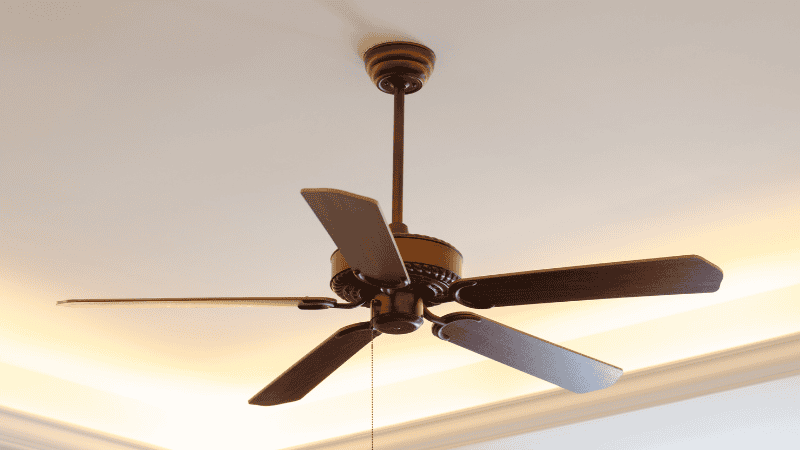
Fan blades should be broader and motors more powerful to ensure that air moves evenly in higher rooms and larger spaces. For example, a fan with blades from 56 to 72 inches would serve very well in large, spacious rooms with high ceilings.
The downroad is a critical component in high-fan installation. A longer downrod ensures that the fan is positioned at an optimal height for effective air circulation.
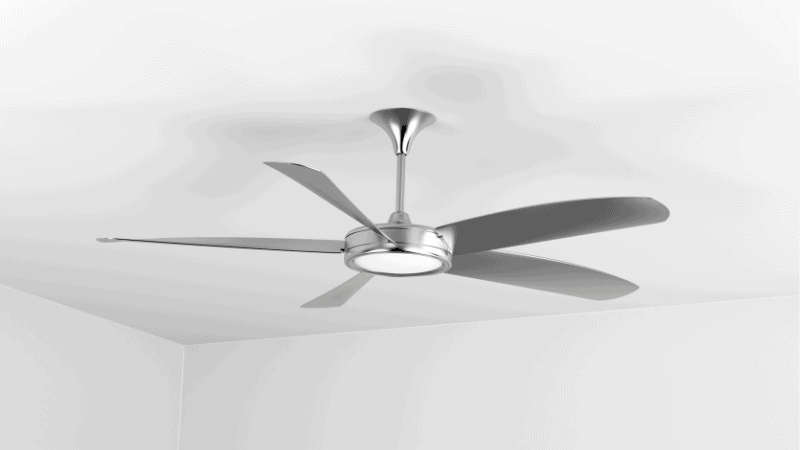
For ceilings above 12 feet, a downroad length of at least 12 to 24 inches is typically recommended. This allows the fan to operate efficiently while maintaining safety and comfort in your living space.
| Feature | High Ceilings | Vaulted/Cathedral Ceilings |
|---|---|---|
| Fan Size | Large blades (56-72 inches) for effective airflow. | Same size recommendations but make sure angle compatibility. |
| Mounting | Use long downrods (12-24 inches or more) for optimal height. | Adjustable mounting brackets for angled ceilings. |
| Place | Fan blades should be 8-10 feet above the floor. | Position carefully to account for sloped angles. |
| Aesthetic | Match décor with a sleek design; focus on balance in large spaces. | Choose visually striking models to complement angled designs. |
| Installation Tips | Secure mounting to ceiling joists; follow safety guidelines. | Use specialized kits for angled or sloped ceilings. |
Next, it’s important to calculate the distance of the fan from the ceiling. A fan too close to the ceiling will not be able to circulate air properly, while one located too far from it may induce an irregular flow of air. Most fans should ideally hang 8-9 feet above the ground to heighten air circulation efficiency.
Vaulted and cathedral ceilings became famous when the Romans and Greeks started using ceilings of these designs in their architecture; cathedral ceiling designs, with their sloped and angled construction, can become quite a hurdle for air circulation.
What happens is that the angled shape of these ceilings can cause air to fit in specific areas, thus leaving the room feeling warm and stuffy.
To counter this, all you’ve to do is search for a fan that is designed to accommodate these angles and maintain consistent circulation throughout the space.
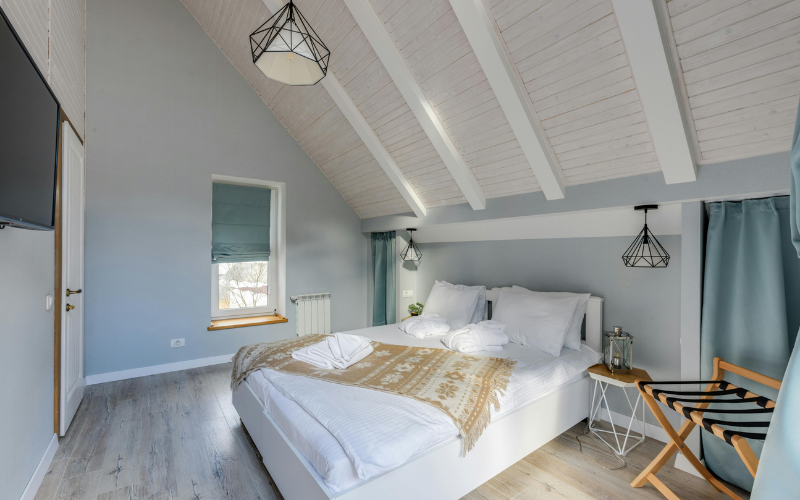
When dealing with sloped ceilings, it’s essential to select a fan designed for this type of installation. Sloped ceiling fans are specifically engineered to hang at the correct angle for optimal airflow, like the modern ceiling fan or the 52-inch 4-blade or 5-blade hanging fans.
These fans come with an adjustable mounting bracket that allows you to position the fan so that the blades are level, making sure air movement is efficient. If your ceiling is gently sloped or steeply vaulted, a sloped ceiling fan will ensure that your space is adequately cooled and circulated.
Long downrods are typically needed when placing fans in rooms with very high, arched, cathedral ceilings so that they may be hung at an optimum height.
With an extended downrod, the fan is hung lower, which puts it in the ideal position to circulate air effectively. For ceilings higher than 12 feet, a downrod of 12-24 inches may be necessary to make sure the fan is mounted low enough to move air throughout the entire room.
Proper downrod length is imperative for maximizing airflow and achieving comfort in your tall space.
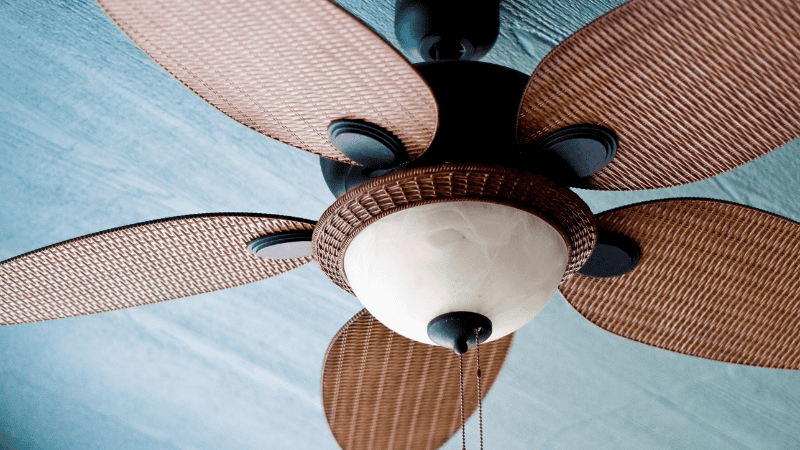
Ceiling fans come in many different styles and finishes. Whether you go for a sleek and modern look or something more traditional, you can always find something that matches your home style.
In the market, you can also browse many colors, designs, and materials, so get one that will complement your space’s aesthetic.
Unlike in the 90s when people couldn’t do much with their fans, now you can also add style and functionality to your fans.
Today’s trending fans can help brighten your room while providing the cool breeze you want, and it also works as getting 2 home products on one, saving you a lot of money.
Now, some fans are designed to connect with smart home devices; the feature lets you control the fan from your phone, voice assistant, or even a remote.
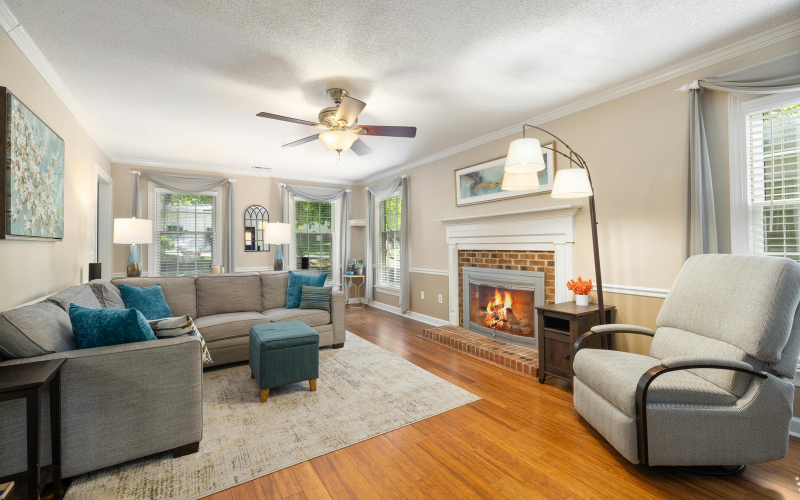
Check reviews from other buyers before making a purchase. This gives you an insight as to how the fan performs and for how long it could last. Compare products and get one perfect for your vaulted ceiling.
The very first step to a safe and secure installation is to carefully follow the manufacturer’s instructions given in the handbook.
Because different models of fans have separate ways in which they should be installed, adhering to instructions will save you from mistakes that are likely to occur and give you a safely operating and efficient fan.
One of the most important things you can do in the installation is to secure your fan to the ceiling joints.
To do this, use a stud finder to locate them and make sure your fan is mounted to a solid surface and does not wobble or fall over time.
A fan should be mounted from a solid point to support the weight and any additional features, such as lights or remote controls.
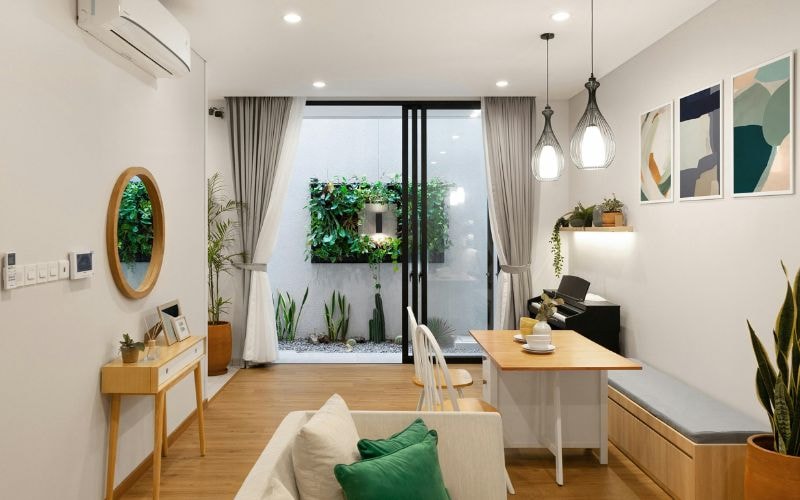
If you are not comfortable or don’t know how to install a fan yourself, or if the ceiling is very high or sloped, it’s best to hire a professional. A licensed handyman can handle the complexities of installation.
Before you start installing the fan, you need to check the weight mentioned in the box. Make sure that the fan and any additional features you may install, such as lighting fixtures, do not exceed the weight limits for your ceiling mount.
Also, make sure the wall is clear when installed and away from walls, lights, and other obstructions so the fan works properly and doesn’t create a safety hazard in your room.
Installing a ceiling fan for a tall ceiling room can dramatically enhance comfort and style, if done correctly. Here are some common pitfalls to avoid, along with practical advice to get the best results.
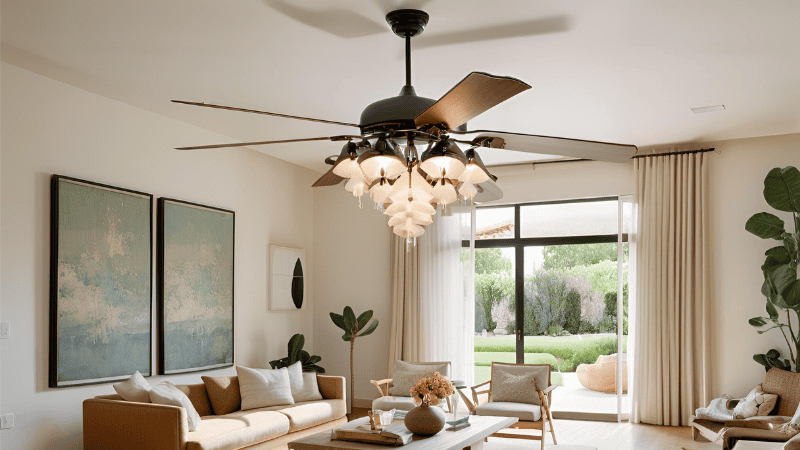
Probably the most stupid mistake would be purchasing a fan brand that is too small for the room. A small-span fan blade will not work efficiently in large spaces.
This obviously affects comfort but also creates energy inefficiency, as you may have to rely more on your HVAC system. Always use a fan size based on the room measurement when installing.
In large rooms, ceiling fans should be above 14 feet, for example, requiring the use of 56-inch or larger spans on their fans.
Improper placement is another issue. Installing a fan too close to the ceiling can hinder airflow, while placing it too far from the walls can waste its cooling potential.
The fan blades should ideally hang 8-10 feet above the floor and be at least 18 inches from the walls. For high ceilings, using a downrod of the appropriate length ensures optimal performance.
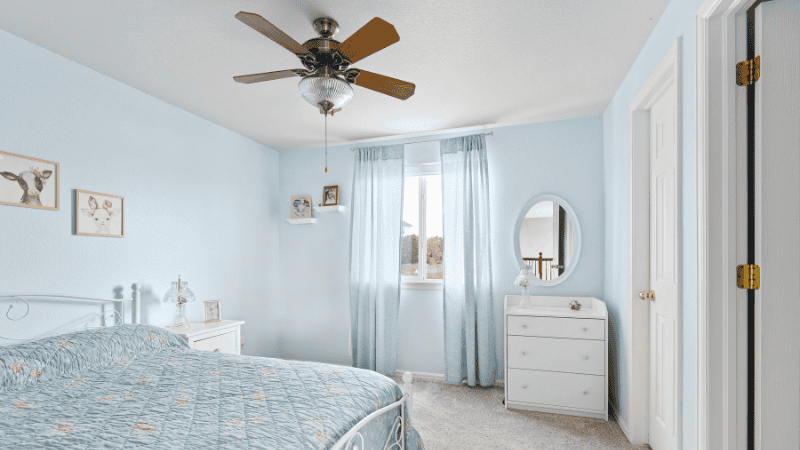
Vaulted and cathedral ceilings require special attention to the fan’s mounting angle. Ignoring this can lead to poor airflow or an unstable installation.
Fans with adjustable mounting brackets are specifically designed to accommodate angled ceilings, ensuring they hang securely and operate efficiently. Always verify the fan’s compatibility with your ceiling type before purchase.
It’s understandable that choosing the right roof fan for your high-ceiling room might feel overwhelming, but don’t worry, you’ve got us and the guide! Remember, the keys are size and blade number.
As we discussed, bigger rooms need bigger fans to keep the air flowing comfortably. An expert tip would be to make sure to pick a fan with enough motor power to handle the space. And let’s not forget the downrod! It helps the fan sit at just the right height for maximum airflow.
Don’t wait any longer to upgrade your home’s comfort and style with the perfect ceiling fan at RisunCorp. Our wholesale selection includes top-quality hanging fans, one-stop lighting solutions, and the accessories you need for safe and seamless installation, like downrods and angled mounting kits.
Check out us today for expert advice and innovative products that will keep your customers coming back for more. Your perfect solution is just a click away!
Struggling to find the ceiling fan that checks all the boxes—style, performance, and comfort? To streamline the struggle, this guide will lead you to choose the perfect fit.
You need to add a ceiling fan to your living room that complements its style and size. Before deciding on a fan, ensure its air circulation qualities and comfort. Keep on reading to learn about the types of ceiling fans and features that you must consider before buying them.
Selecting the right ceiling fan is a balance between form and function. Start with the size of your room and the height of the ceiling. Large rooms and high ceilings require fans with wider blades. While small rooms with short ceilings require low-profile fans.
A perfect ceiling fan complements the room it is placed in, whether the room is sleek and modern, warm and rustic, or timeless and traditional. Don’t forget to focus on the blades. Wooden ones will give your room a homely feel, and metal ones go well with industrial spaces.
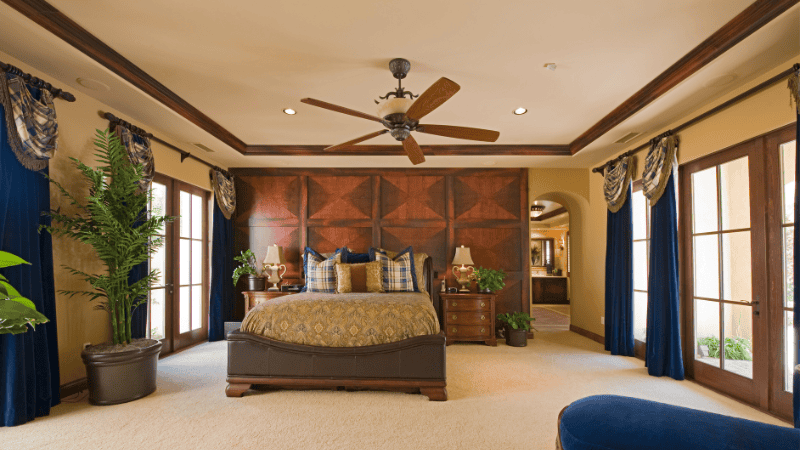
Energy efficiency is another factor to consider. An efficient system performs its function with a minimal amount of energy. Energy Star-labeled fans are affordable and have less effect on the environment.
Finally, do not overlook usability options. You can have additional lamps, lights, or bulbs that come with peculiarities, such as a remote control or pull chain.
With numerous ceiling fan options available, it’s easy to feel overwhelmed. Fortunately, the most common types of fans can be categorized into the following options, each serving specific needs:
| Ceiling Fan Types | Best For | Features | Example |
|---|---|---|---|
| Standard Ceiling Fans | Rooms with standard ceiling heights | Multiple design and size options Downrod-mounted Built-in light fixtures | Hunter Builder Elite Ceiling Fan |
| Low-Profile or Hugger Fans | Ceiling heights of less than 8ft | Flush-mount design Compact Space-saving | Portage Bay Hugger Ceiling Fan |
| Dual-Motor Ceiling Fans | Larger living rooms or unique layouts | Adjustable motors for directional airflow Lighting options | Minka-Aire Gyro Ceiling Fan |
| Outdoor Ceiling Fans | Indoor/outdoor living rooms or high-humidity areas | Handle bad weather Corrosion-proof material UL wet rating | Hunter Key Biscayne Outdoor Ceiling Fan |
| Smart Ceiling Fans | Tech-savvy homeowners | Wi-Fi-enabled Voice-controlled App integration | Haiku Home L Smart Ceiling Fan |
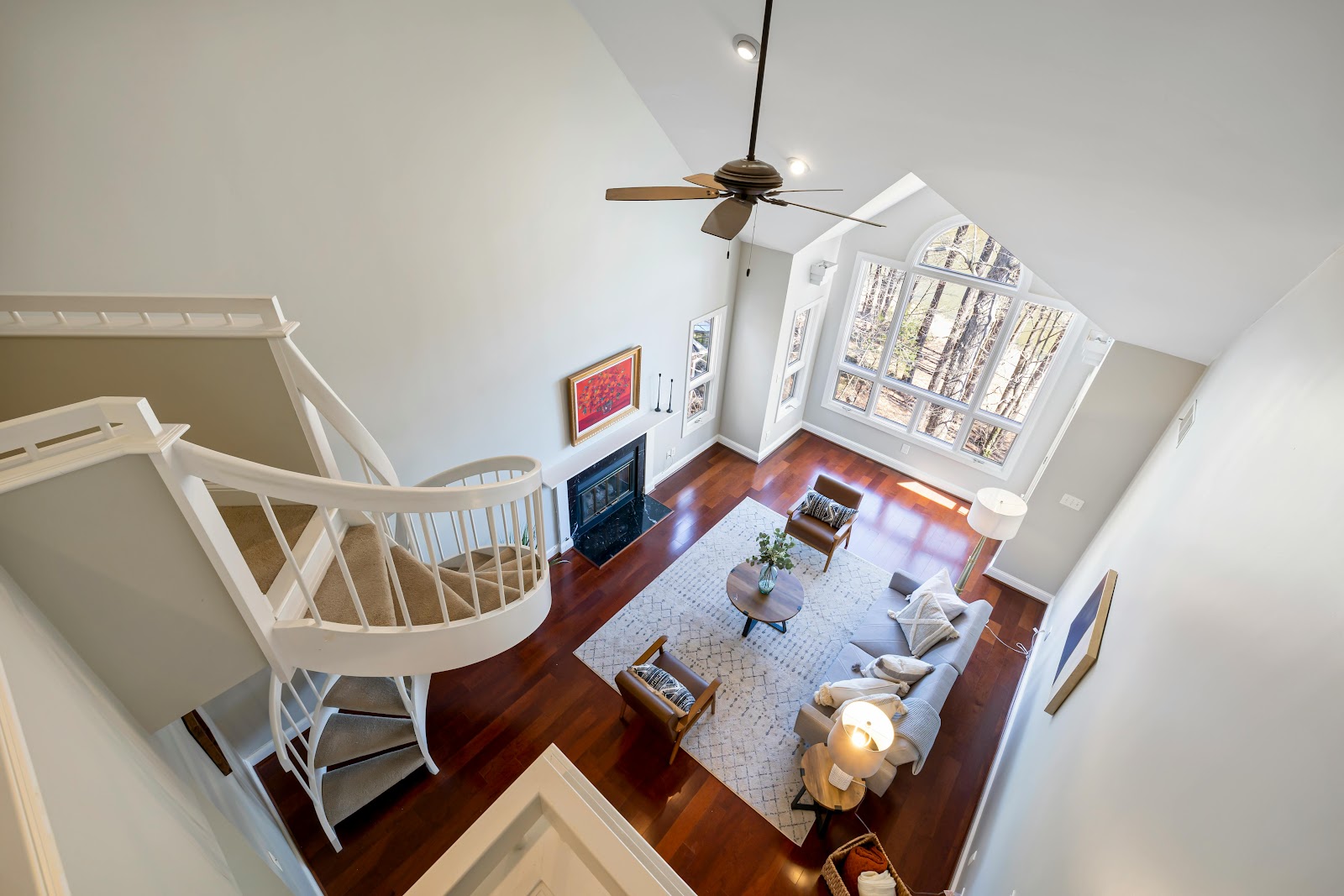
A standard ceiling fan is a versatile and widely used option. With multiple design and size options, these fans are adaptable to different rooms. Their down rod, a metal pipe that links the fan to the ceiling, makes them particularly useful in rooms with higher ceilings.
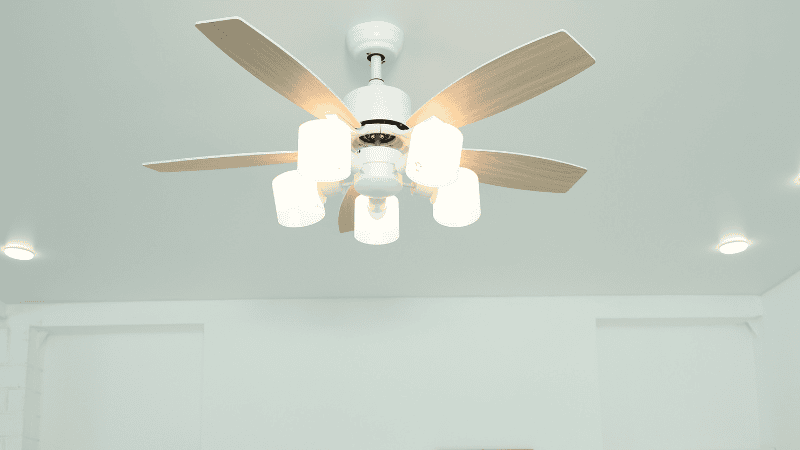
These fans with standard designs excel at moving air through spacious bedrooms and living rooms. Their built-in light fixtures make them a smart, dual-purpose solution.
Take the example of Hunter Builder Elite. With its 52-inch blade span and multiple finishes, it combines timeless design with versatile functionality. Thus, it is perfect for enhancing large or standard rooms.
Flush mount or low-profile ceiling fans are especially suitable for houses that have ceiling heights of less than 8ft. Fixed right onto the center of your ceiling with no down rods or wires, their aesthetics are diverse and require less space. These fans are great for the bedroom, offices, and small apartments.
While they don’t allow as much air to circulate because they are mounted much closer to the ceiling, they are ideal for small rooms. They are available in numerous finishes and styles, often have three blades, and are both functional and elegant.
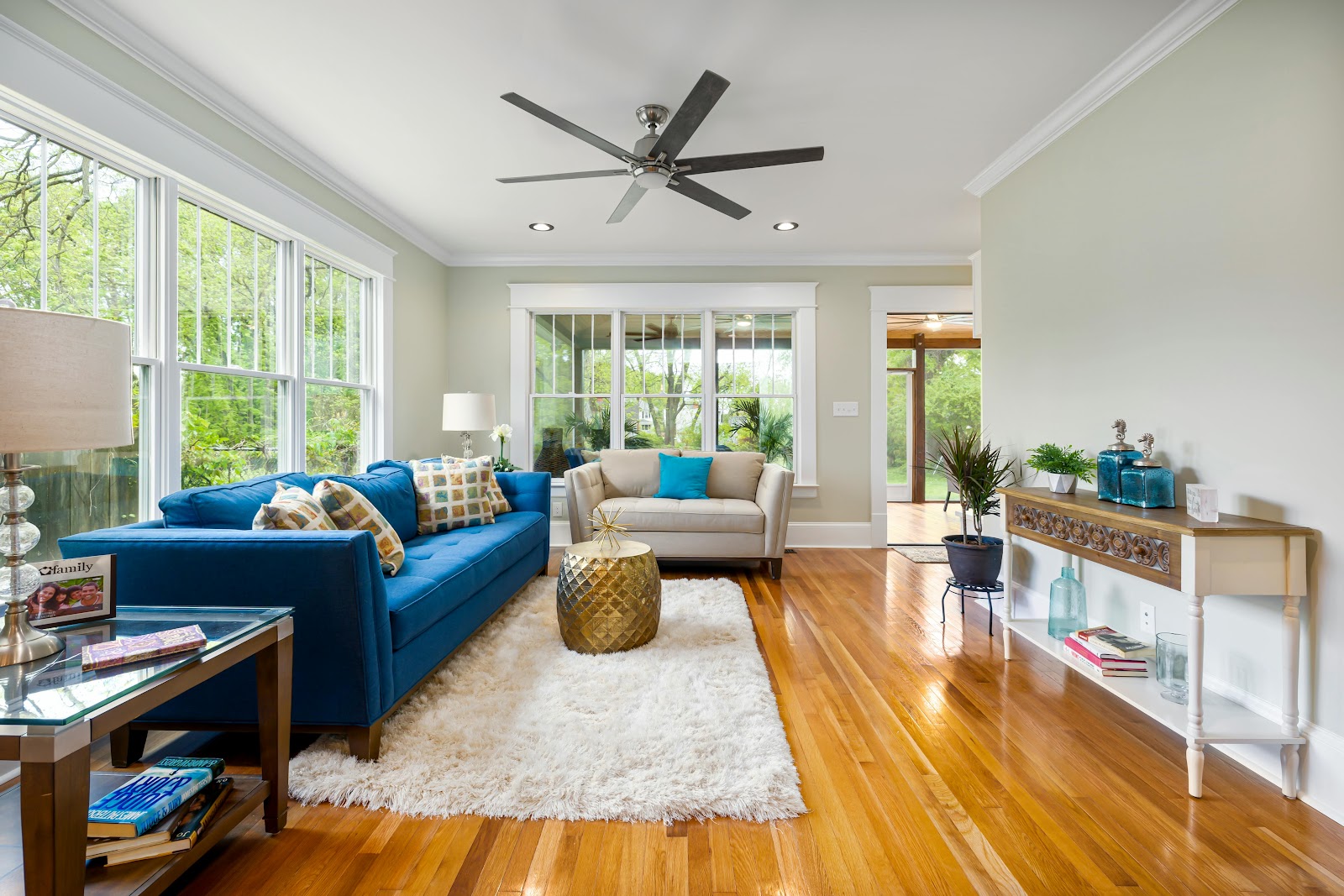
The Portage Bay Hugger Ceiling Fan is one of the best budget ceiling fans available. Offering a stylish look, it provides efficiency in its operation. Ideal for low ceilings, it gives a modern look at a relatively low cost.
Dual motor ceiling fans feature two adjustable fan heads supported by horizontal rods. Each fan has its own motor, allowing independent airflow control for a high-wind effect in one direction and a gentle breeze in another.
Available in traditional and modern styles, these fans can include lighting options for added versatility. Ideal for large rooms or high ceilings, they provide excellent airflow while making a bold statement.
Outdoor ceiling fans combine utility with weather resistance. They are constructed with corrosion-resistant material and are typically UL wet-rated for safety and performance in spaces that are exposed to rain or humidity.
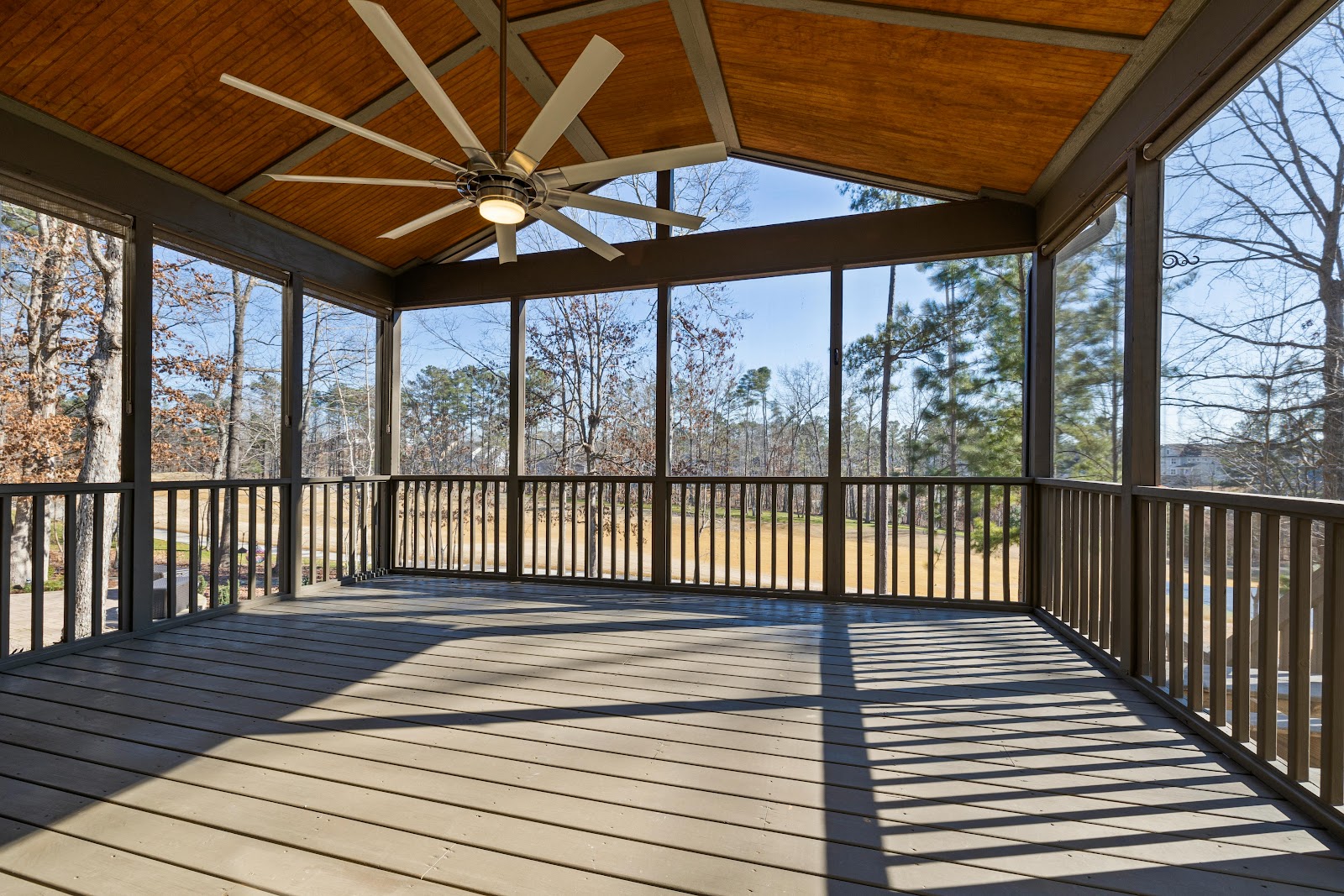
Outdoor fans fall into two categories: damp-rated and wet-rated. Damp-rated fans are ideal for areas that would not come in contact with water, such as the roof terrace or porch. Wet-rated fans, on the other hand, are preferred in fully open spaces as they can handle heavy rains and even direct hose wash during cleaning.
The Hunter Key Biscayne Outdoor Ceiling Fan is a top outdoor choice. Unlike most fans that are made to be decorative, this product is durable to withstand harsh weather while adding style and efficiency to your outdoors.
Smart ceiling fans are controlled by either a mobile device, tablet, or remote in terms of airflow and settings. Such fans can also be connected to a smart home system like Alexa or any other energy-tracking app.
Some smart fans come with a bunch of features, such as timers where you can set the time of the power source. Some models even have motion sensors that will switch on and off the light as you require, this way they help you conserve energy.
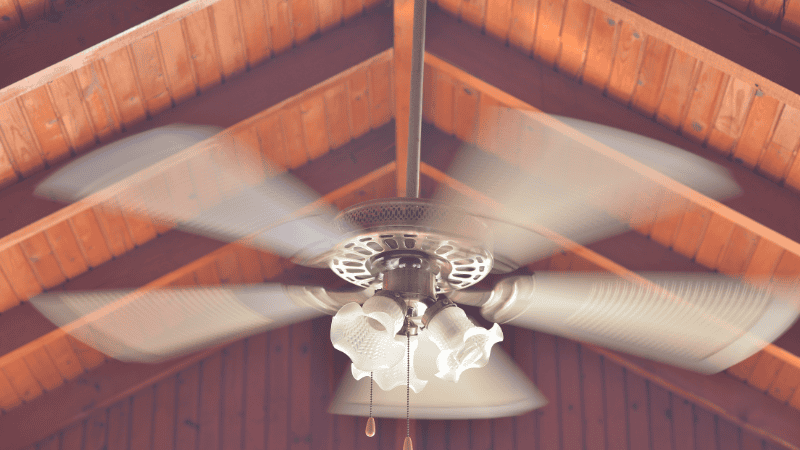
Looking for a smart ceiling fan that’s stylish and efficient? The Haiku Home L checks all the boxes with its advanced features. It’s an advanced, stylish addition to any room.
Uncover the following must-have features to match your style and improve airflow.
Ceiling fan blades come in a variety of choices, with choices of style, material, and finish that will fit any décor. Some are made of natural materials like wood or palm leaves to just give a countryside feel to your room.
For the more modern appearance, metal, and plastic blades are the popular choices due to their shine and durability. Many ceiling fans allow you to upgrade blades, making it easy to refresh the look or improve performance.
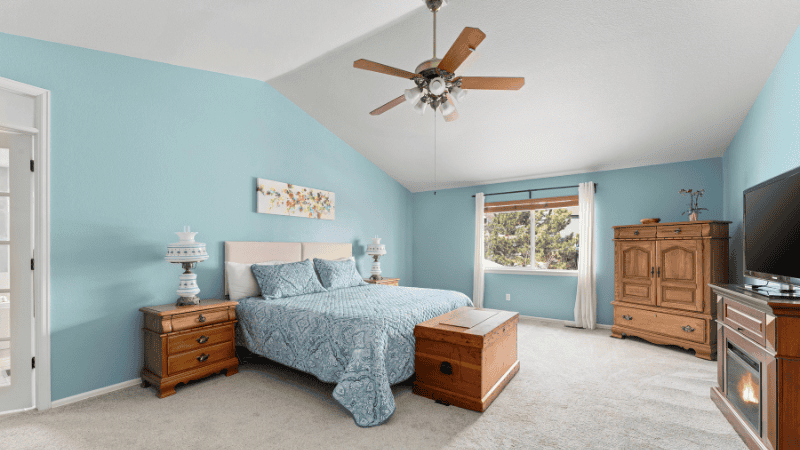
Ceiling fans come with two motor options: Alternate Current and Direct Current. AC fans are cheaper and easier to install and, thus are preferred across most homes. However, they have only three operating speeds which may not give you control over the airflow.
On the other hand, DC fans consume less power, are quick to start, and come with more speed options. DC fans are no less energy efficient, but the mounting of the DC fan may require an adapter. However, given their higher efficiency and productivity, they are a wise investment.
Ceiling fan installation can be a rewarding DIY project or left to a professional if needed. Before starting, ensure you have access to the right tools like screwdrivers, a voltage tester, and have access to a strong ladder.
Most importantly, check that you have access to a metal outlet box specifically designed for ceiling fans, as standard electrical boxes may not support the fan’s weight and motion.
The basic steps are:
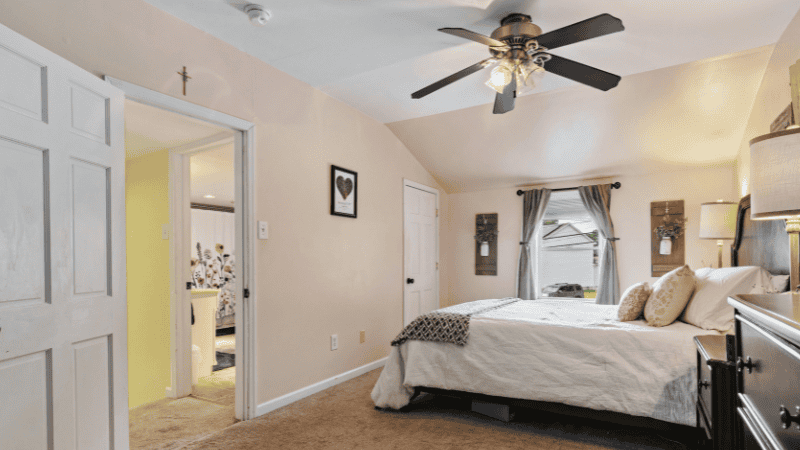
A well-balanced and clean ceiling fan is efficient with a longer lifespan. Dust the blades every 2-3 months to prevent dirt buildup. Use a sturdy climbing frame and follow safety procedures during maintenance to avoid accidents.
If your fan wobbles, try to balance the fan by spinning it. To maintain efficiency and ensure longevity, you must regularly clean the fan’s blades and fan motor housing. Also, pay attention to small signs of trouble, to avoid severe damage.
Routine maintenance not only improves functionality but also extends your fan’s lifespan. A little care goes a long way!
Match your living room design with the ceiling fan to balance aesthetics, functionality, and overall ambiance.
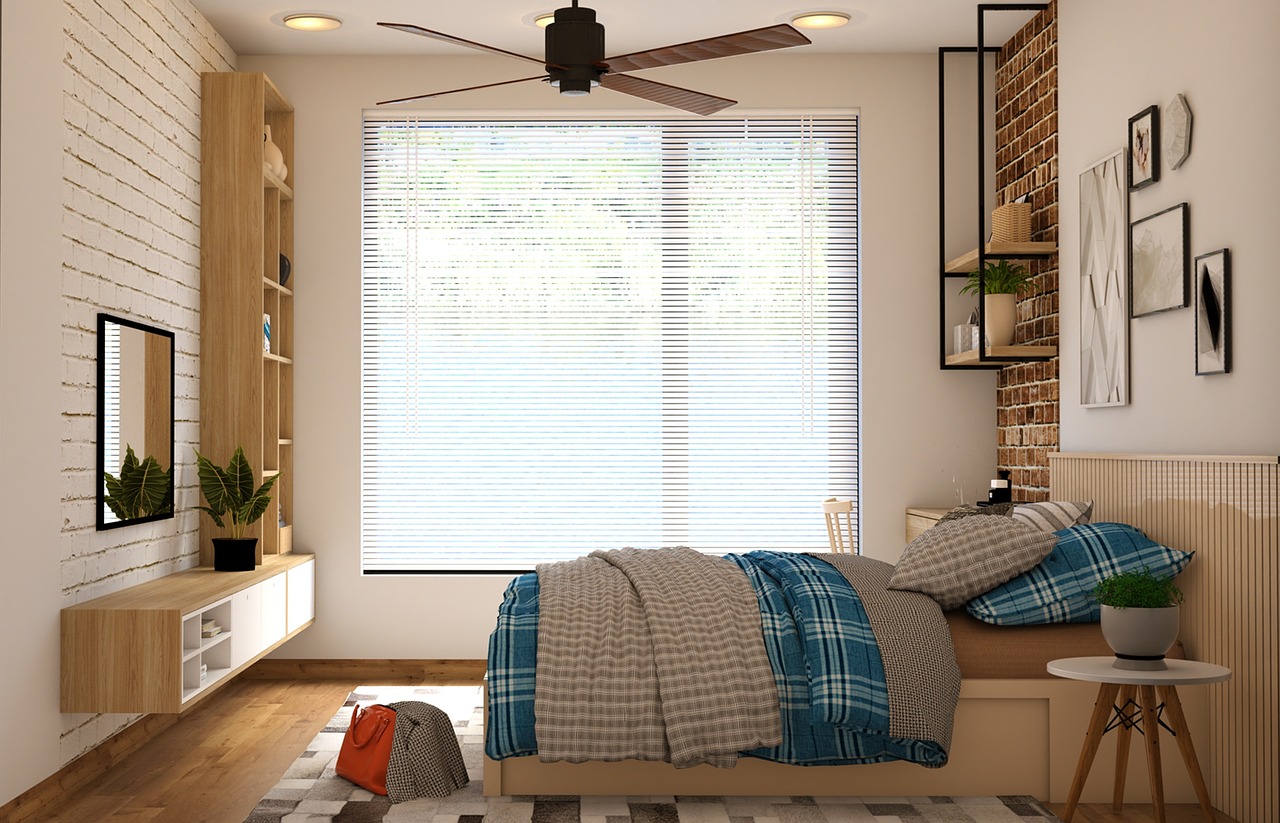
Modern and Minimalist ceiling fans with smooth lines and simple designs are sleek, functional, and typically available in natural colors that best suit today’s homes.
These fans pair well with open designs, giving your room a clean, smooth appearance. Besides, with the built-in LED lighting, they provide efficient illumination while keeping the aesthetics simple.
Take the example of a Modern Wave Ceiling Fan. Its sculpted, curved blades are inspired by natural waves, blending art with practicality. This energy-efficient fan optimizes airflow in larger spaces and features a built-in dimmable LED light.
For the rustic and farmhouse style of rooms, there is nothing like having a beautiful fan with wooden looks, and warm colors to blend in well with the raw nature of the room.
Most ceiling fans feature a blend of elements like wood tones or metal often used with aged looks to complement the nostalgic feel. They are perfect for creating a laid-back yet refined environment.
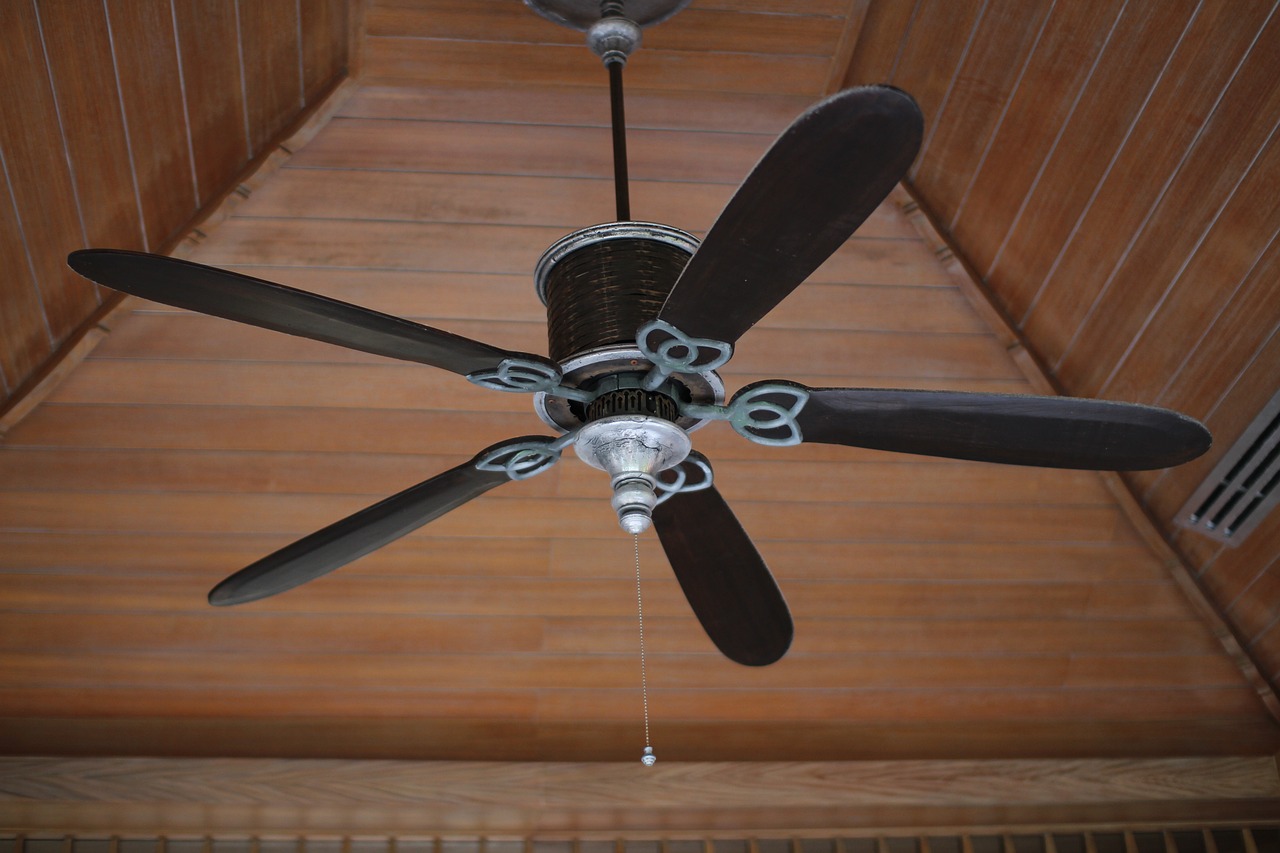
An excellent Rustic Farmhouse Ceiling Fan with a black matte finish and wooden blades is perfect for a farmhouse look. It is functional, can effectively circulate the air, and offers rustic charm.
When it comes to traditional and classic rooms, ornate vintage-style ceiling fans with intricate designs and warm metallic finishes like bronze or brass provide a refined, vintage charm.
These fans often feature elaborate detailing, such as carved blades or decorative motor housings, which enhance the elegance of the room while maintaining a sense of grandeur.
A classic antique-style ceiling fan stands as an excellent example of using traditional techniques with modern functionality.
The antique finish of brass, coupled with rich wooden blades, gives the beauty of the classic old-world design. It complements the formal look of the room while offering durability in the fan’s construction.
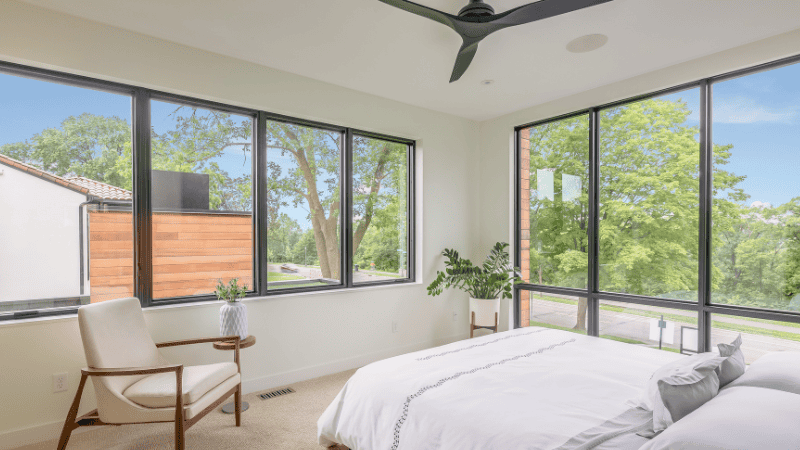
Industrial-style rooms often feature ceiling fans with exposed mechanics and robust finishes like black or gunmetal, reflecting a raw, utilitarian aesthetic.
These fans are designed to enhance the urban, unfinished look of loft-style spaces, incorporating metal elements and bold lines that emphasize functionality over embellishment.
The Matthews Atlas Irene Fan is an ideal match for this style, offering a sleek, minimalist design with visible mechanics and a strong, industrial finish. Its clean, bold look complements the modern, urban vibe of industrial interiors while providing excellent air circulation.
Discover top ceiling fans for living rooms, featuring stylish designs, powerful performance, and energy efficiency to elevate your space.
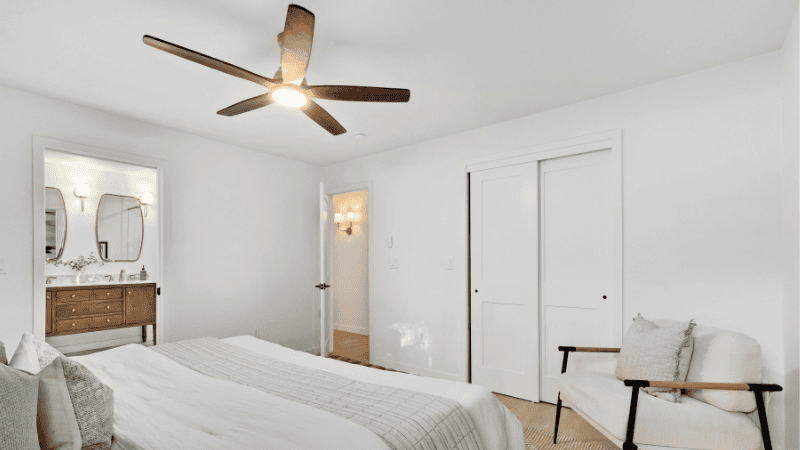
The 52″ Ceiling Fan with Light Kit offers strong airflow and a modern look with dual-finish blades. Its reversible motor ensures year-round use, and the integrated LED light provides energy-efficient lighting. The remote control allows easy adjustments, making it a versatile choice for any room.
The 52″ Ceiling Fan features a low-profile design, ideal for rooms with low ceilings. The matte black and Siberian walnut blades add elegance, while the quiet, reversible motor and dimmable frosted light kit provide efficient airflow and ambient lighting.
The Modern Ceiling Fan boasts a sleek design with a quiet DC motor for powerful airflow. It includes an optional dimmable LED light, seven-speed settings, sleep, and whoosh modes, and a timer. Available in black or white, it’s easy to install and blends seamlessly with modern interiors.
The Modern Ceiling Fan features 65-inch blades for optimal airflow in large rooms. The dimmable LED light and quiet 6-speed DC motor ensure efficient performance, while the reversible motor provides year-round comfort. A remote control allows for easy operation.
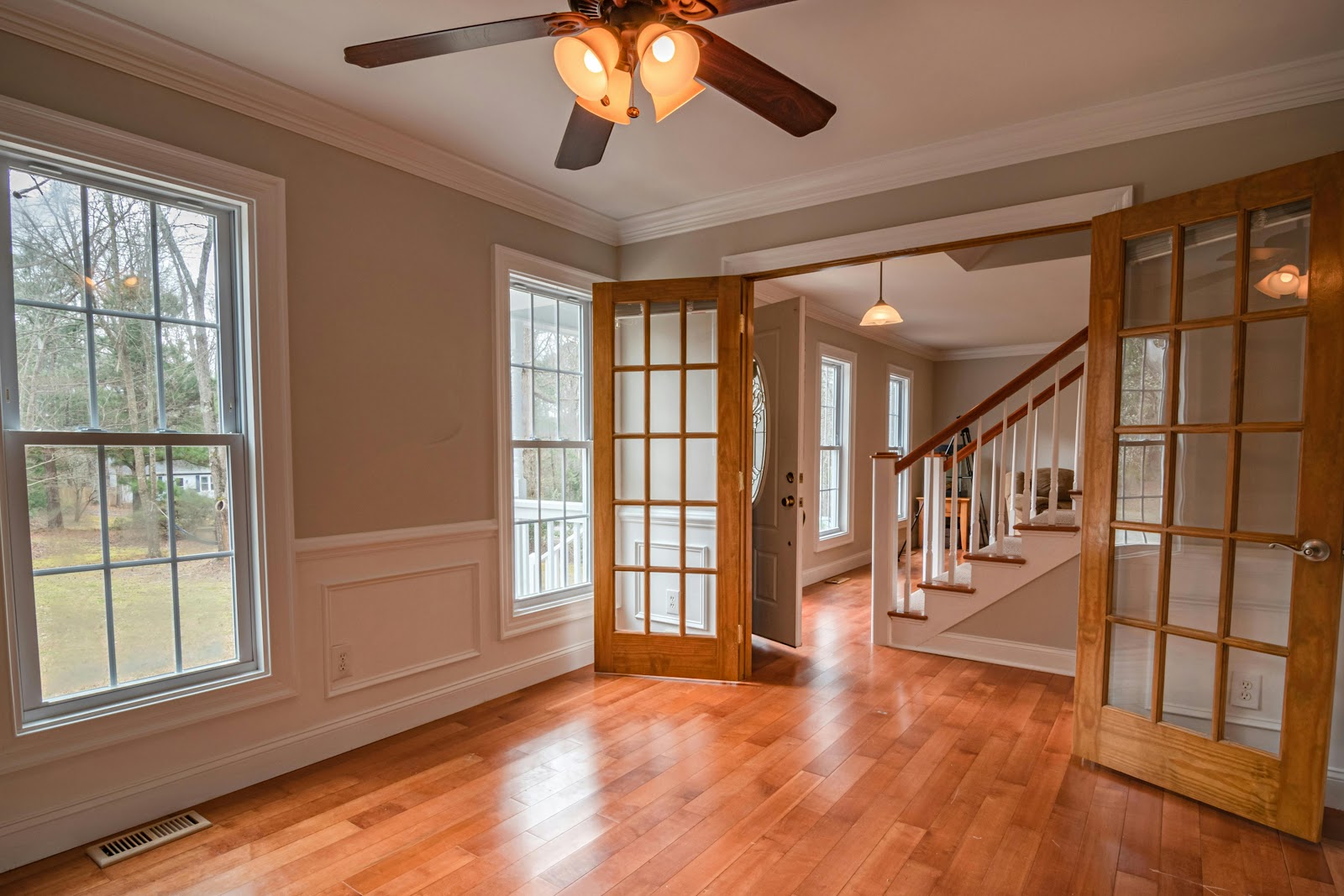
Learn the impact of airflow, ceiling height, blade span, light integration, and much more when selecting a ceiling fan for your room.
Fan blades that complement an equal airflow throughout your room are, of course, better for you. For small-sized rooms of up to 100 sq. ft. like bedrooms, a fan with blades of 29-36 inches is perfect. Rooms in the 100 to 200-sq-ft, range works best with fans featuring 50- to 60-inch blades.
For larger rooms or over 200 sq. ft., the ideal fan will be one with blades of over 52 inches. These fans provide the power to circulate the air across wide space year-round.
When choosing the ceiling fan, consider the mounting type and ceiling height. Fans can either be installed without a download or with a download, depending on the room’s height. For low-profile ceilings, choose hugger fans that are installed directly on the ceiling.
For high ceilings, opt for downrod-mounted fans to ensure proper airflow. A fan blade should be at least 8 ft from the ground. If your ceiling is sloped, a download may be required to ensure the best performance.
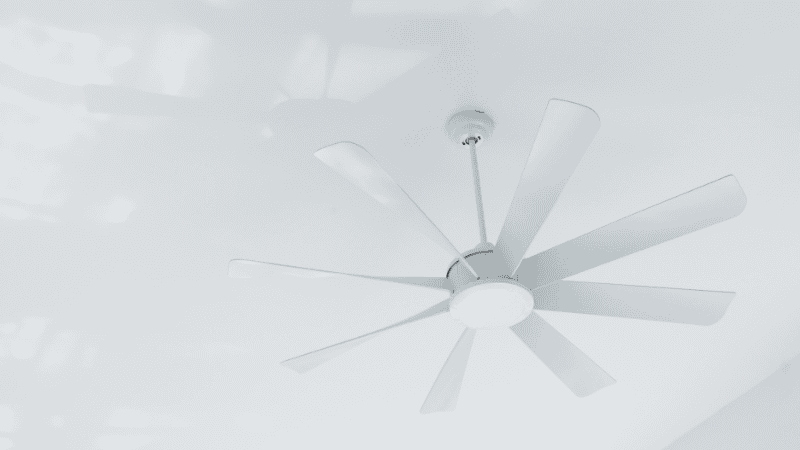
The performance of a ceiling fan is determined by Cubic Feet per Minute. High CFM fans are better and more suitable for spacious rooms. A higher CFM means better air circulation, especially in larger rooms. For optimal performance, aim for a fan with at least 3,000 CFM in smaller spaces.
For large spaces, choose a fan with a high CFM (over 4,000). For example, the Honeywell Carnegie Fan offers an impressive 5,202 CFM, making it perfect for large rooms.
Fans that have built-in lights often use LED technology, which is rather popular currently. This is especially helpful in rooms where space is limited or additional lighting is required. Those models equipped with LEDs integrated into the fan frame are an effective way to solve the light issue, as you do not need separate fixtures.
For energy-efficient fans, go for the ENERGY STAR-certified fans. These are typically designed to save energy with no compromise on quality. Also, note the motor type. The DC motors are lighter produce less heat and consume less power as compared to AC motors.
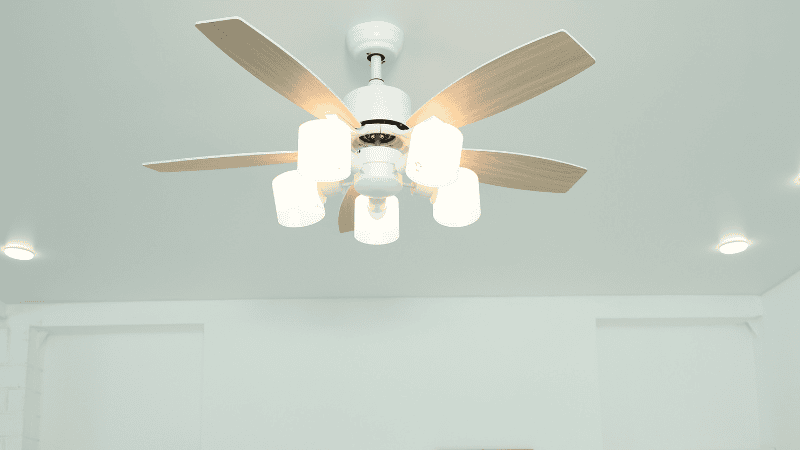
Are you ready to bring a cool breeze to your room? Then stop thinking about which brand to choose because Risun ceiling fans are your go-to solution. It is always possible to enhance the appearance of your space when you make the right selection. Do not settle for less—search for the fan that merges style and utility.
Ruisun has been engaged in the ceiling fan industry for more than ten years. We offer the finest ceiling fans and products for your business.
So, are you looking for premium-quality ceiling fans for your business? Reach out to Risun today! Our collection combines efficient cooling with sleek LED lighting to elevate your space’s style. Let our experience be your solution to success.
Ready to get started ?
Send Your Inquiry

Our team will get back to you promptly

please
download
Get notified about new products
Our team will get back to you promptly!