When you walk into a room and see a majestic chandelier, it instantly lifts the space, adding a pristine touch. Chandeliers have been part of luxury decor since the 9th century, with early English glass designs from the 1720s featuring simple styles.
Every space, however, demands a unique chandelier style to match its theme. Here, we explore the top 5 trending chandelier styles and their characteristics to help you choose the perfect one.
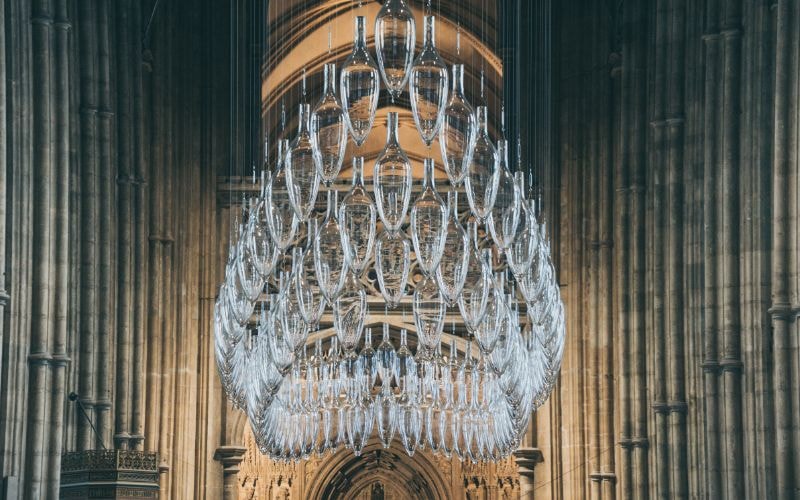
A chandelier is an ornamental lighting fixture that originally supports multiple lights or bulbs and is designed to hang from high ceilings. At the start, chandeliers were used to hold candles before the lighting system was invented, with over 17 million people using Chandeliers in their homes and offices.
Chandeliers were mostly decorated and made from glass but went on to be built from crystals, metals, and wood as well.
These lighting ornaments are a statement and showpieces rather than just lights; they bring a depth and a sense of grandeur to a room. Chandeliers are a common fixture in many hotels they provide that luxury and authentic feel for customers.
It’s frequently displayed in churches, too, with real candles, and in dining rooms, foyers, or ballrooms, but Chandeliers also come in sizes that will suit smaller spaces.
Having shaded chandeliers in your room is a feeling you can’t describe in simple words. They help create an inviting and warm ambiance that makes a room feel very welcoming and luxurious. The benefits of installing one are unlimited.
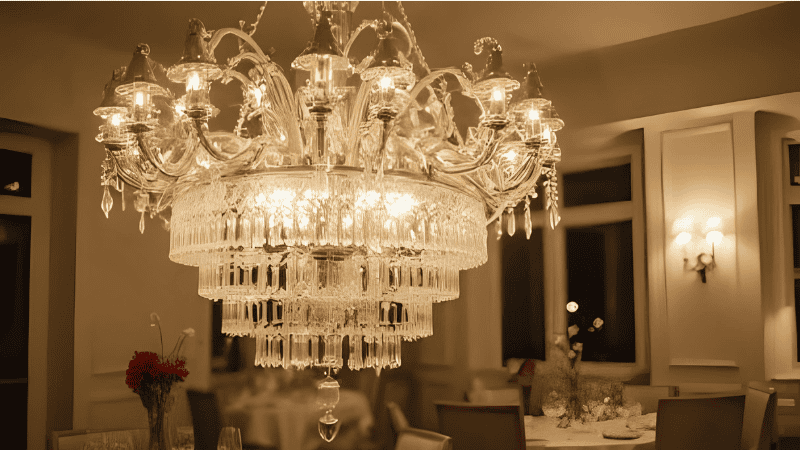
They can instantly lift the ambiance of a space. Their soft and low lighting system helps to make an environment best suited for events and gatherings. Be it a grand dining room or a cozy bedroom, the right chandelier can create an atmosphere of refinement and warmth.
Chandeliers serve as a stunning focal point and light fixture, which helps draw attention to complete specific areas of a room. For example, a glass chandelier over a dining table will not only provide a relaxing, natural light kind of feel but also a visually appealing setting.
For rooms that demand a touch of opulence, such as foyers or ballrooms, multi-tiered chandeliers make a bold statement and exude grandeur.
Chandelier lighting isn’t limited to formal spaces. It can add charm and functionality to living rooms, dining rooms, bedrooms, and even entryways, adapting to the unique needs and styles of each room.
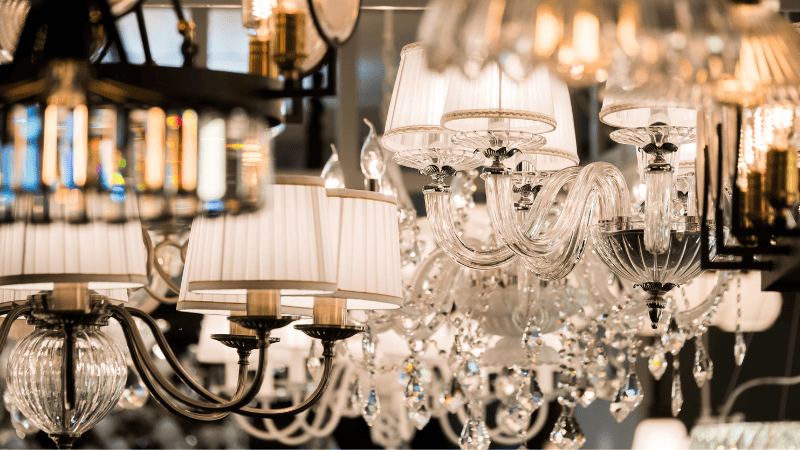
Traditional Chandeliers mostly feature ornate designs with classic touches like crystal and brass finish with candles or candle-style chandeliers bulbs.
These types of chandeliers usually have intricate designs, details, and fine finishes that give an original and authentic appeal to your space. Best for spaces that need a touch of richness and formality.
Modern Chandeliers focus on fine lines and minimalist design and come with light bulbs and light fixtures. They are often made with materials such as glass, metal, or fabric and utilize neutral color schemes, such as white, black, and metallic tones.
This new chandelier also incorporates geometric and abstract shapes as well. It’s best to pair a modern chandelier with timeless furniture pieces, which helps strike a balance between contemporary, classic, or popular styles.
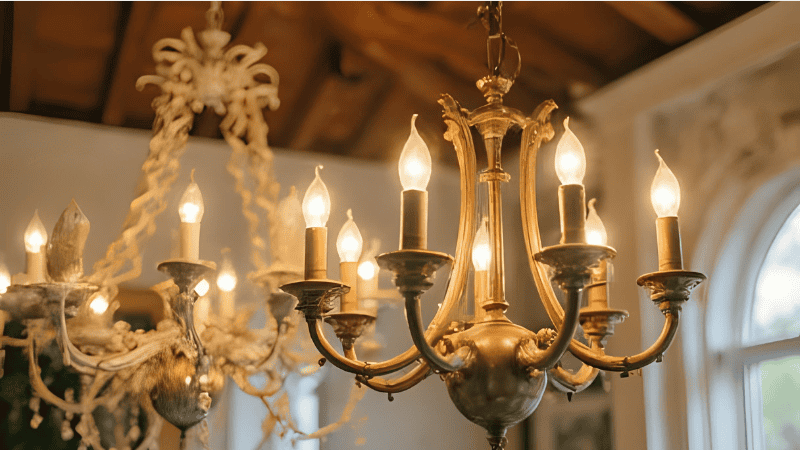
Coastal chandeliers bring a light, airy look that’s great in beach houses or casual living rooms if you want to create that open-up kind of feeling while incorporating the outdoors.
You can use chandeliers that feature natural materials like wood, rope, and wicker, while their relaxed, airy designs emphasize lighter hues, like pale whites, blues, and greens.
Rustic chandeliers come in a wide variety of modern shapes and styles, which are perfect for giving a home a more rugged look. Natural elements (like distressed wood and wrought iron) make rustic chandeliers feel warm and comfortable.
Metal antique or weathered finishes are common with these types of Chandelier styles, making them integrate well into rustic and country-style or farmhouse-inspired decor.
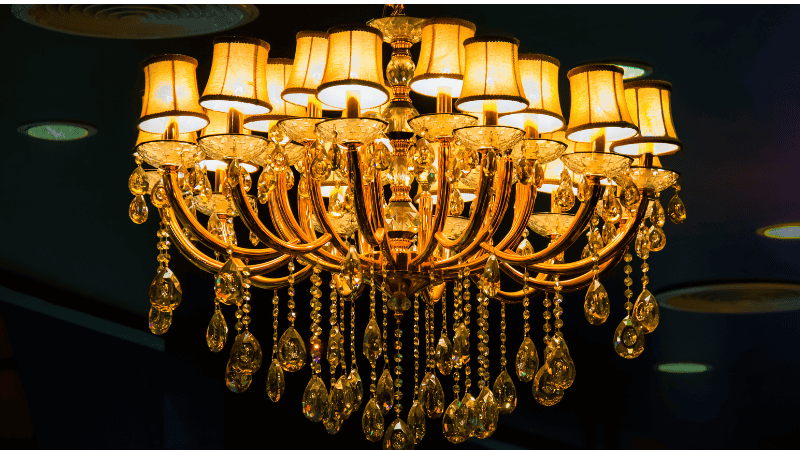
Crystal chandeliers are one of the most beautiful styles you can have. Their material itself screams elegance. A crystal chandelier can incorporate various different forms.
Crystal chandeliers are famously liked because, other than using one big chunk of crystal, they use different types and sizes of crystal, from big and small, that catch and refract light, giving off a shimmering effect that is very similar to diamonds.
These chandeliers are best suited for formal dining rooms and ballrooms, or to give your home that luxurious setting with its grandeur look.
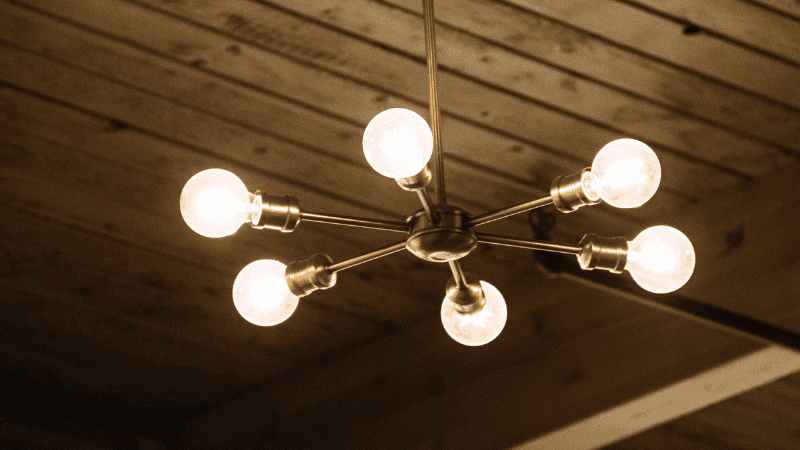
Chandeliers with geometric shapes are some of the best chandeliers for home decor! Such home light fixtures can be designed in many different styles, like cubes, hexagons, cages, linear chandeliers, spheres, and more. You can bring a new experience with such chandeliers with three-dimensional effects.

Modern residences, entryways, kitchens, and dining rooms benefit the most from the sleek and contemporary lighting that geometric shapes Sputnik Chandeliers provide.
Rustic chandeliers typically incorporate natural materials and finishes, like wood, metal, and wrought iron. These chandelier designs are often inspired by lantern-style chandeliers, which bring a warm and inviting touch to spaces like farmhouse kitchens or cozy living rooms.
Adding elements like burlap shades, wooden arms, or distressed finishes creates a rustic charm that is timeless.
Best For Farmhouse kitchens, rustic living rooms, or cottages looking to bring in a cozy, natural vibe.
Industrial chandeliers are best characterized by exposed bulbs, raw chandelier designs, and metal finishes, which often resemble and are inspired by the lighting you might find in a factory or warehouse. Made with rugged materials, which often feature exposed bulbs, wire cages, and minimal embellishments.
These types of chandeliers are for Loft apartments, modern industrial interior design, or spaces where you want to add a touch of urban chic.
Boho-chic chandeliers serve a more carefree and relaxed aesthetic. They often incorporate eclectic materials such as wicker, beads, and rattan to create airy, light designs that are modeled after bohemian-style rooms or beach houses. They provide a natural, earthy aesthetic that allows them to feel right at home in laid-back, relaxed quarters.
Boho-chic chandeliers are Bohemian-style rooms, beach houses, or anywhere a relaxed, eclectic vibe is desired.
| Category | Details |
|---|---|
| Style | - Traditional: Ornate designs with crystals and intricate details. |
| - Modern/Contemporary: Sleek, minimalist designs with geometric shapes. | |
| - Rustic: Made from natural materials like wood or antlers for a cozy feel. | |
| Material | - Crystal: High-quality glass or crystal for refracting light. |
| - Metal: Often used in modern designs; can be brass, chrome, or wrought iron. | |
| - Fabric: Shades made from fabric for softer lighting effects. | |
| Light Source | - Incandescent Bulbs: Traditional option providing warm light but less energy-efficient. |
| - LED Bulbs: Energy-efficient and long-lasting; available in various color temperatures. | |
| - CFL Bulbs: Compact fluorescent lamps are energy-efficient but may not fit all fixtures. | |
| Size Options | - Large/Grand: Suitable for spacious rooms; often used as statement pieces. |
| - Medium: Versatile size for dining rooms or living areas. | |
| - Mini: Ideal for small spaces or as accent lighting in nooks. | |
| Installation Type | - Hanging/Drop Chandeliers: Suspended from the ceiling; suitable for high ceilings. |
| - Flush Mounts: Close to the ceiling; ideal for low ceilings or smaller rooms. |
A 1-tier chandelier has one layer of lights. This is great for smaller rooms or anywhere that needs narrow but soft light. Great for areas such as bedrooms, kitchens, or smaller dining rooms.
A 2-tier chandelier consists of two tiers of lights, which is excellent for more brightness and visual aesthetics. It works best in dining room entryways.
Multi-tier types of chandeliers provide multiple layers of individual lights, serving as visual centerpieces for grand, open spaces. They work best for grand foyers, ballrooms, or huge dining rooms.
Bowl Chandeliers, as the name suggests, are bowl-shaped chandeliers. They allow for a very interesting light effect. Bowl chandeliers allow for filtered light to be bestowed upon the surface, as most of the light is directed at the roof or ceiling. The Bowl Chandelier emits a soft glow, which is one of the best Ceiling light designs.
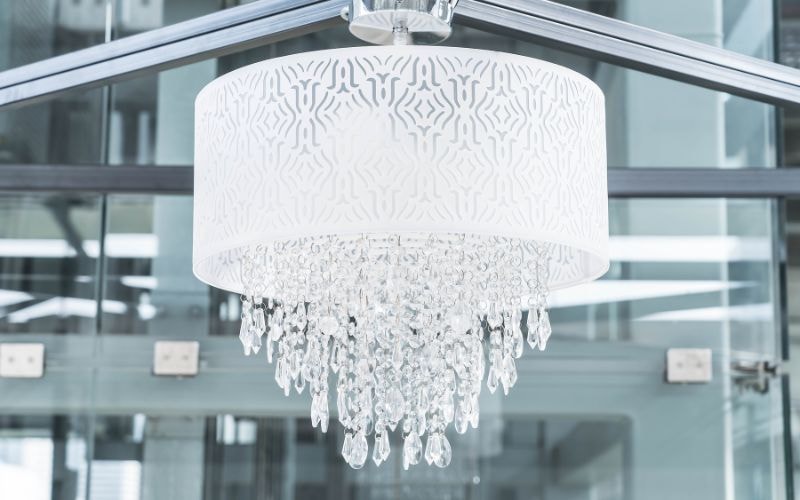
Choosing an appropriate chandelier depends on the purpose and area of the room. In order to determine which size chandelier is best, you should first take measurements of the length and width of the room in feet. For instance, if your ceiling is 10 ft wide and 12 ft deep, the size of a chandelier should be 22–inch in diameter.
Always consider the overall decor of the room when selecting a chandelier, making sure it is in line. Think about the room’s current style, color palette, and materials. A modern chandelier with a sleek metal frame will go best with a contemporary living room, while a crystal one would add depth to a classic dining room.
By now, you should have a clear idea about the types of chandeliers, their uniqueness, and how you can use different styles, elements, and materials for different spaces. There’s a chandelier to suit every home and every style.
So you opt for a dramatic, multi-tier chandelier or a simple boho-chic piece; the right fixture can transform your space into something extraordinary.
At Risun Corp, we have over 13 years of expertise in building proven lighting solutions for homeowners and businesses worldwide. Our dedication to manufacturing the best product and innovation has made us a trusted partner for countless clients looking for one-stop lighting solutions.
We provide all sorts of ceiling lights and LED solutions for your needs and business, from ceiling fixtures to outdoor pendants. Feel free to reach out to us for free suggestions.
Do you feel overwhelmed when finding the right type of light bulb? This guide will categorize the bulbs according to their type, their features, and their benefits.
Deciding on the right one is crucial for energy savings, consumption, light quality, and mood setting. The U.S. Department of Energy explains that transitioning to energy-efficient lighting could save you hundreds. With our extensive experience in the lighting industry, we understand the lighting needs for homes, offices, and other areas.
Ready to uncover various types of lights? Let’s get started!
A light bulb is a great way to illuminate any area. These bulbs are versatile and available in different dimensions, forms, and types, all with specific uses and advantages. Knowledge of these basics will enable you to make the right choice depending on the type of lighting required for home, office, or any other use.
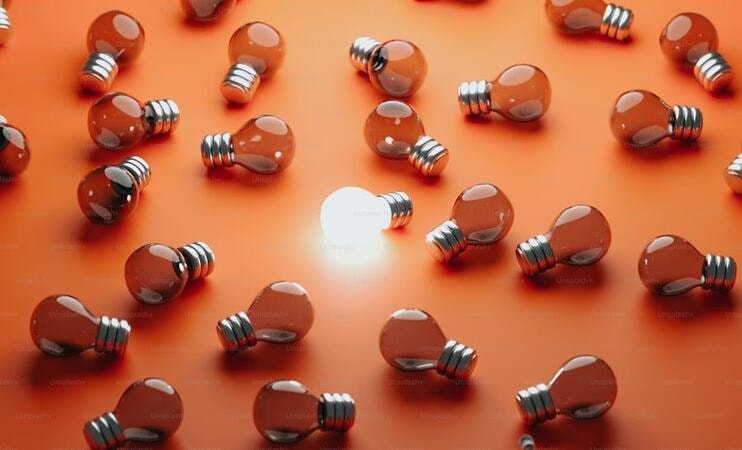
A light bulb is an electrical appliance that illuminates by causing an electrical current to flow through a metal conductor. There are many types of light bulbs. These include LED bulbs, halogen bulbs, and many more. When the current passes through the filament, the electrons experience some resistance, which heats the filament. This heat generates light, which is called incandescence.
Now, let’s take a look at the different sizes and shapes of light bulbs.
Bulb sizes are important when selecting the bulb for your interior. They determine both the fit and the lumen. Bulb sizes are given in eighths of an inch; the most popular is A19, and the diameter of this size is 2.375 inches. The size of the bulb defines the fixtures, the wattage, and the intensity of the light given off by the bulb.
Let’s take a look at the different sizes of light bulbs:
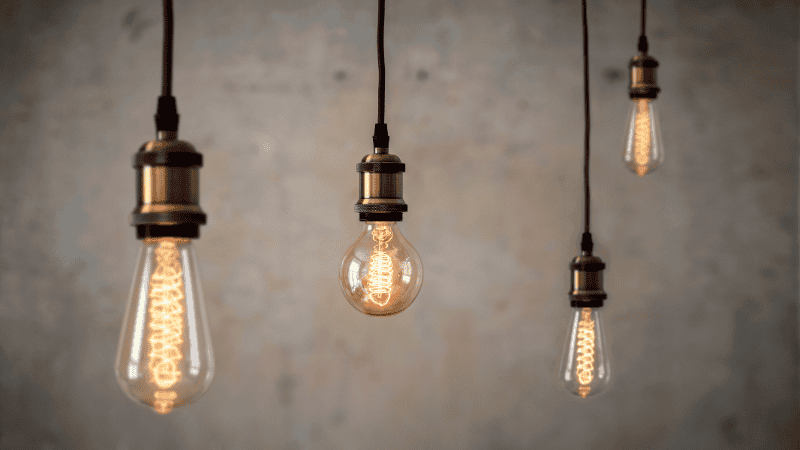
If you want to get the best performance out of your lighting fixture, it is suggested that you follow the specifications of the lighting fixture, as well as the bulb. Energy efficiency also depends on the size of the bulb, so the size of a light fixture and bulbs is critical. You should also note that since bigger bulbs provide more light, they will be more expensive.
Light bulbs are of many types. They are available in different shapes and sizes. They are used for different purposes in different environments.
The one most frequently used is the A19 bulb type. Its purpose is to act as the general light source in a typical home. These are universal and can easily work with most fixtures, thus suitable for the bedroom, kitchen, and living room.
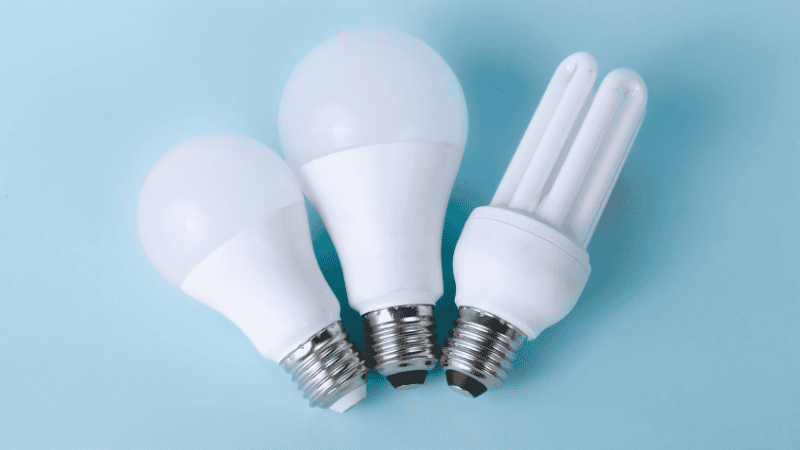
Knowledge of the bulb shapes enables one to select the appropriate bulb. This also helps in making the place functional and aesthetic.
Today, there is a wide range of light bulbs available. This is because technology is changing day by day. Below are the most common types of light bulbs, each with its features and advantages:
Incandescent bulbs work by heating a metal filament until it emits light. They are less energy efficient than other bulbs because over 90% of their energy goes into heat production. However, incandescent bulbs are used in many decorative applications, including pendant lights, as the light emitted by a bulb is warm.
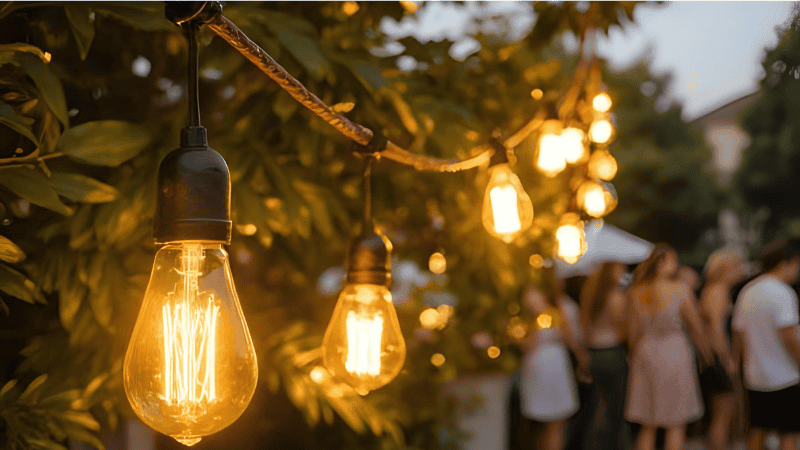
Moreover, their ability to dim smoothly makes them an ideal choice for creating cozy and adaptable lighting environments in homes and hospitality spaces.
Halogen light bulbs are a part of incandescent lamps, but with a difference. They employ a similar filament that glows by getting heat. The halogen gas contained within the bulb increases efficiency and lifespan.
These bulbs use less energy than standard incandescent bulbs while giving off bright and clear light. Halogen bulbs are normally used in track lighting and recessed lighting since they give concentrated, clear, and bright light.
Although they are common nowadays in tubes and bulbs, they contain a small amount of mercury vapor. When electricity flows through the vapor, it generates ultraviolet light, which illuminates the phosphor coat in the bulb and produces visible light.
It is always important to know that fluorescent bulbs are more energy-saving than normal bulbs and are used in large areas such as offices, kitchens, and hallways.
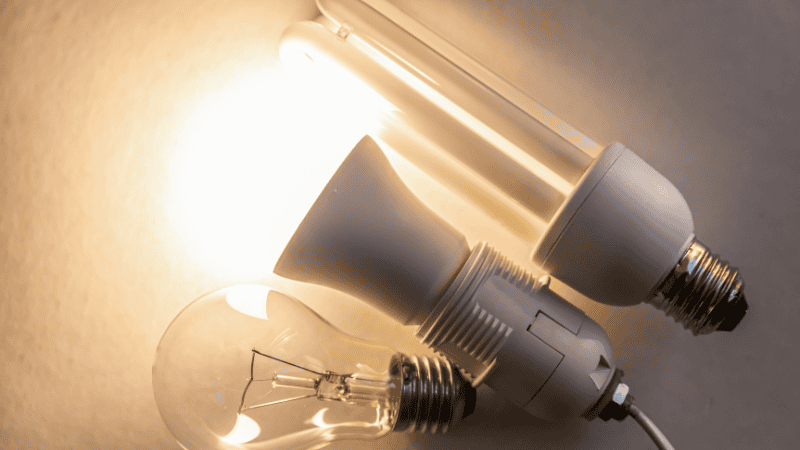
They are available in different sizes and are commonly described in terms of length and diameter. Fluorescent lights are suitable for places that need wide and uniform lighting.
LED light bulbs are perceived as energy-saving and certainly offer high luminous intensity. They produce the most light (lumens). These types of bulbs absorb less energy than traditional incandescent bulbs.
LED light bulbs emit light using a light-emitting diode (LED), which offers the bulbs a longer life. These light bulbs also consume less power. A study on ResearchGate states that LED bulbs use 25% of the total energy that is used by incandescent bulbs.
The High-Intensity Discharge (HID) bulbs are appropriate for large installations, including streets, ample storage spaces, and other business establishments. Such bulbs contain sodium or mercury vapor that transfers electricity to light up the enclosure.
HID bulbs are very efficient and serve high-intensity light, which is essential for applications used outdoors where a broad beam of light is desired. They are usually fixed in places like car parking areas, street lights, open markets, and other open commercial places.
| Type | Features | Uses |
|---|---|---|
| Incandescent | Warm light, low efficiency | Decorative lighting |
| Halogen | Bright, energy saving | Spotlights, kitchens |
| Fluorescent | Cool light, energy-efficient | Offices, large areas |
| LED | Long life, low energy use | Homes, smart lighting |
| HID | High brightness, durable | Streets, warehouse |
When considering lighting, it is important to think of its features and benefits. These can be light intensity, energy consumption, and the color rendering index.
Here are features that you should consider when choosing a light bulb:
Lumens and watts are two measures used when selecting a light bulb. Lumens are the amount of light emitted by a bulb; watts are the amount of power a bulb uses. More lumen means that the bulb has a greater amount of light emitted, while lesser wattage means that it uses less energy.
LED light bulbs provide high efficacy as they produce more lumens per watt than incandescent light bulbs. As a result, they can be used to save energy.
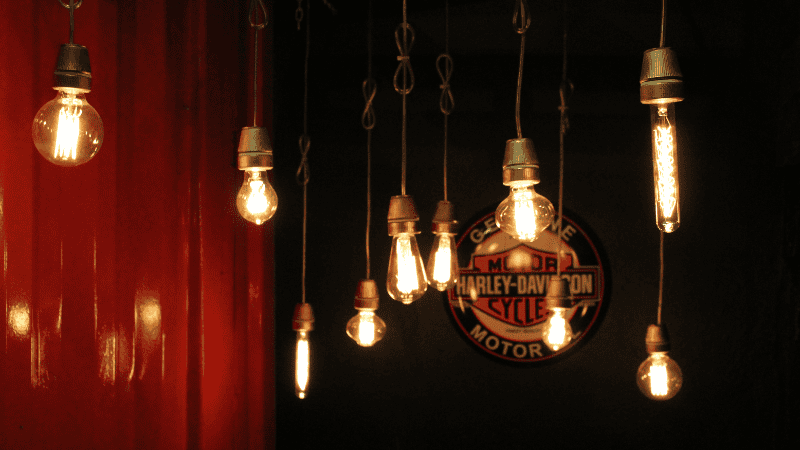
Color temperature and rendering have been defined as the ability of the bulbs to provide well-balanced lighting. This is accompanied by a bulb’s capacity to produce color at any given instant.
Color temperature is measured by the unit kelvin (K). This points to the type of light produced by the bulb. LED light bulbs with lower Kelvin values, meaning 2700K, are warm white, while bulbs with high Kelvin values, such as 5000K, provide light daylight.
The color rendering index (CRI) is used to determine the capability of a light source to reveal the actual colors of the object. The higher this rating is, the better it is for scenarios that involve replicating colors, such as in arts or kitchens.
Most LED bulbs have this dimming feature to give you the ability to control the brightness level depending on the mood or activity. Some bulbs include a remote controller, while others are controlled through an application on a smartphone or smart speaker using Wi-Fi.
These smart bulbs bring comfort and convenience into your life by providing the ability to manage lights remotely and create schedules or scenes. If you want a comfortable and flexible lighting solution, then consider a remote-controlled bulb.
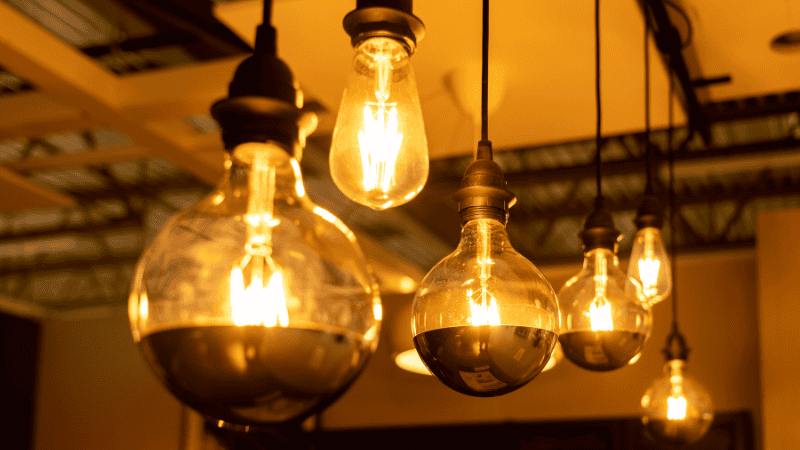
According to the U.S. Census data and Simmons National Consumer Survey(NHCS), 120.71 million consumers in the United States used energy-efficient light bulbs in 2020.
Common misconceptions are that some light bulbs are expensive and a waste of energy, while some are cost-efficient but have poor lighting quality. Here is what you should consider while choosing the light bulb:
The type of lighting you require determines the kind of light bulb you should choose from the market. For instance, if you need task lighting then there is task lighting that is available in the market.
This type of light bulb is suitable for activities such as reading or cooking. There is also ambient lighting, which is used to light up a room. Consider what type of color temperature and color rendering best fits into your surroundings.
Some lighting may be perfectly suited for relaxation, while other types of lighting may be appropriate for a working environment. Also, more features must be considered. These include the efficiency of energy as well as the usage period of the bulb.
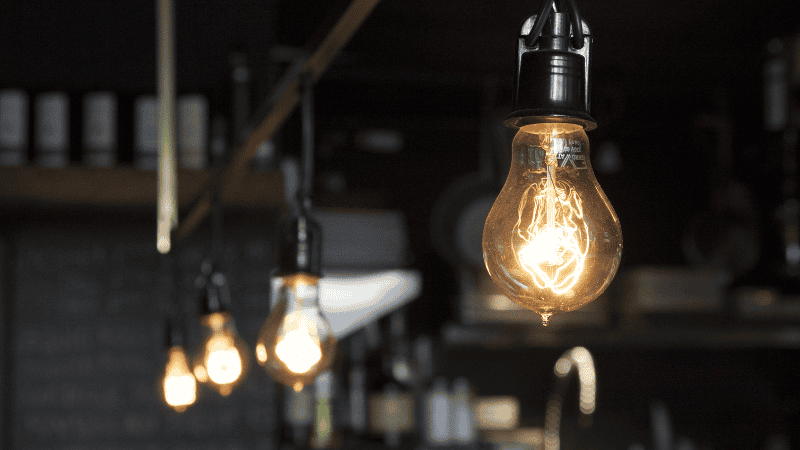
It is imperative to read the package label in order to know about the specifications of the bulb. This will help you select the right type of bulb and choose the features that are well-suited to your needs.
The label provides information about wattage, brightness(measured in lumens), color temperature (daylight, warm, cool), and energy-efficient ratings.
So, if you prefer a bulb that produces day or warm light, it is best to read the package label on the product.
There are many types of brighter light that are made to suit different uses other than homes or offices uses. For example, Auto headlight bulb. They are designed to provide better road illumination. On the other hand, smart bulbs, are incorporated into home automation systems.
Selecting the right bulb for these specific usages guarantees the best performance and efficiency you require. Let’s take a look at the application of bulbs:
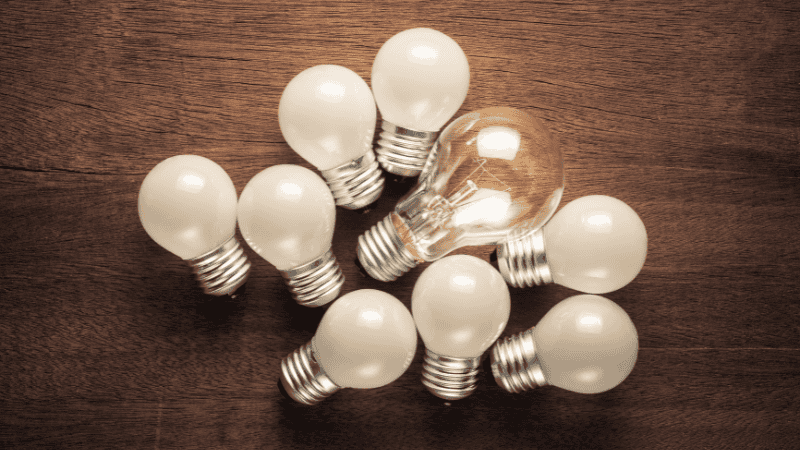
Automobile headlight bulbs have a tendency to produce more light, like the common bulbs used in lamps and fixtures. When they are being replaced, it is advisable to get one that is compatible with the make and model of the vehicle.
Automotive headlight bulbs are categorized by halogen, LED, and HID, each with different brightness and lifespan. It is advisable to refer always to the car’s manual or seek the help of a professional when choosing the right one.
Smart light bulbs are one of the most important elements of modern home automation systems. This enables the user to manage the lighting through a smart device or voice decisions through Amazon Alexa or even Google Assistant. These lighting options are also energy-efficient.
These compact fluorescent bulbs have options for the time and intensity of the light and sometimes even the hue. Some models allow you to switch the light from warm, yellowish light to cool blue.
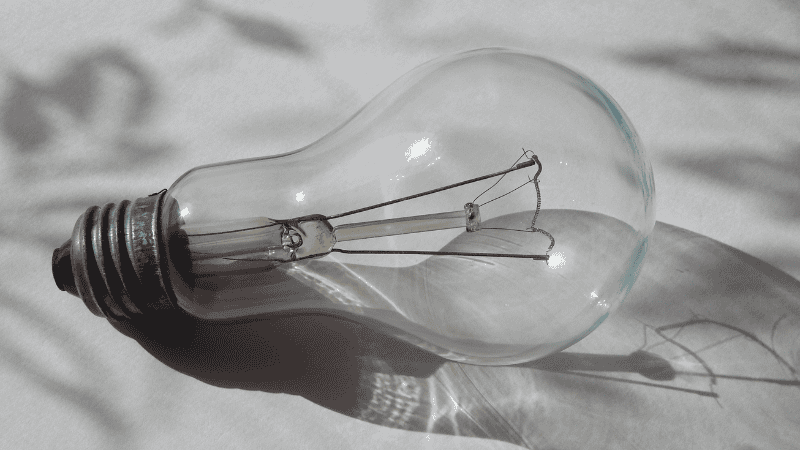
This will help you find the right lighting for any situation – be it at home or on the road. Smart bulbs are versatile and energy-saving, and are ideal for smart homes.
Selecting the right light bulb will enable one to consume the right energy, spend a specific amount of money, and get the right lighting impact. Whether you’re aiming for a warm, inviting look or clear light that is suitable for work, choosing the right light bulb is key.
It’s important to embrace energy-efficient bulbs, particularly LED bulbs, since they will help you save on bills and contribute to the environment. Begin your purchase of energy-efficient bulbs now, or transition from traditional bulbs for better lighting and lower bill costs.
Risun Corp is an experienced manufacturer with more than 15 years of experience in the lighting industry. We specialize in providing you with quality energy-saving solutions for business and residential purposes.
Are you looking forward to improving your lighting and, at the same time, saving energy costs? Discover a vast collection of energy-saving bulbs by checking out our product catalog or by getting a consultation. We believe will suit your house or your commercial space!
LED light bulbs are currently the most efficient type of light bulbs that one can purchase. They consume far less energy than traditional incandescent bulbs and halogen bulbs and produce equivalent or even better light intensity. Also, LED bulbs have a longer lifespan in order to know how much energy they use. This makes them more efficient.
Yes, you can replace the incandescent bulb with LED bulbs. LED bulbs come in all types of forms and sizes to accommodate most fixtures and produce the same amount of light as a regular bulb, but with lower wattage. The only thing you need to know is whether the LED bulb matches the wattage and socket of the fixture.
For reading, LED bulbs with full brightness and a cool white color temperature of 4000K to 5000K are suitable. These bulbs offer cool light with full brightness that does not strain our eyes and helps in perfect eye concentration of the eyes. Make sure that the bulb has a high CRI so the colors look natural and bright.
LED bulbs are highly durable because they have a lifespan of 15,000 to 50,000 hours, depending on the quality of the bulbs and usage. This is far longer than that of an incandescent bulb, which has a lifespan of 1000 hours, and a fluorescent bulb, which has an average lifespan of 10000 hours.
Are you looking for good lighting for working areas? This blog post will walk you through some of the best LED shop lights.
Without extensive experience in the lighting manufacturing industry, we know about LED shop lights. We can guide you in picking energy-efficient and bright LED lights.
You’ll also learn about focusing on durability, brightness, and the installation process of LED shop lights. Are you up for exploring the best LED shop lights? Let’s get into it.
LED shop lights are specialized fixtures. They are meant to provide effective lighting for various working areas. They are energy efficient and very reliable, making them perfect for use in businesses and industries.
LED shop lights come in tubes, panels, high bay, strips, and many other sizes. They meet all the lighting requirements of a workspace.
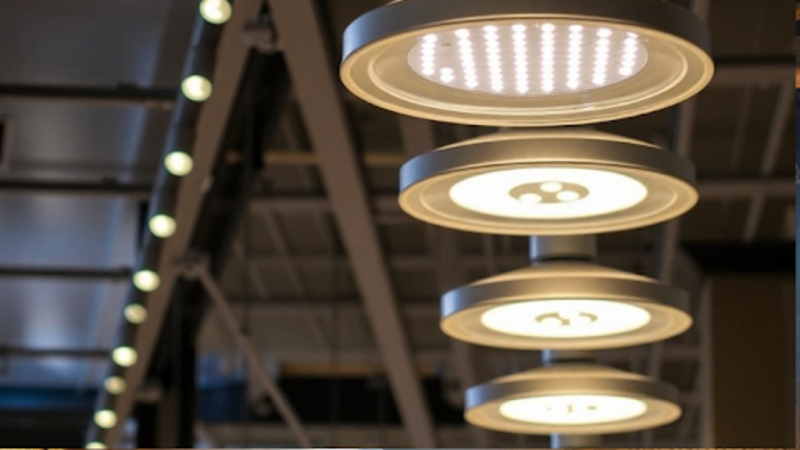
Their design helps avoid strain on the eyes and improves visibility, which in turn makes the workplace atmosphere productive for the employees. LED shop lights are an advanced and practical solution for modern working environments.
Choosing LED shop lights is crucial to maintaining an effective working environment. A study shows that lighting quality affects workers’ working efficiency. Here are some benefits of opting for the right LED shop lights:
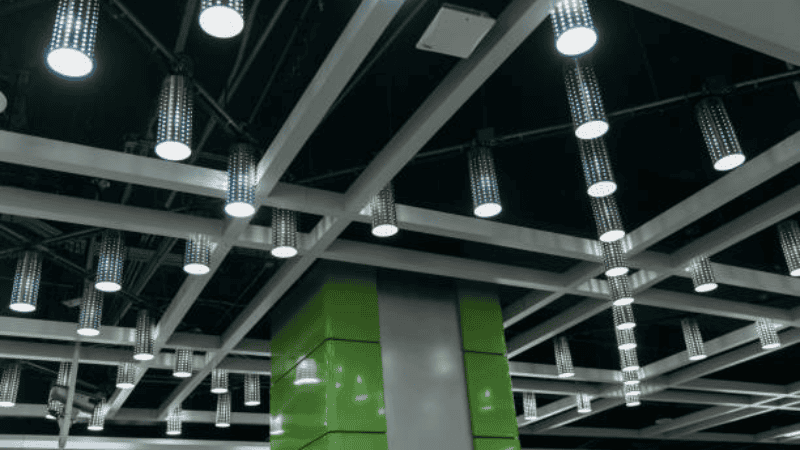
LED garage, warehouse, and shop lights are flexible and easy to set up.
General lighting is characterized by overhead lighting, which brightens the whole space, while specific lighting is task lighting that provides a higher level of light intensity for operations that require extreme precision.
Smart LED options have the added luxury of being able to control and even dim the lighting for your garage, warehouse, or workshop.
Various types of LED shop lights contribute to effective lighting. Here are some different types and fixtures you can use:
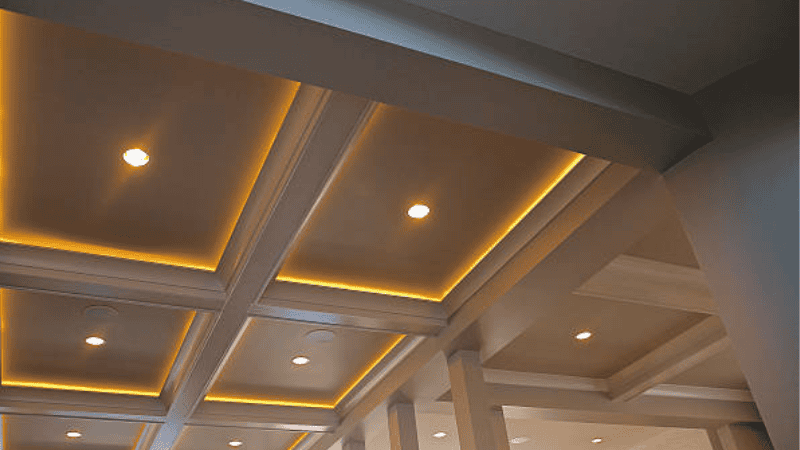
High-bay LED lights are meant for big garages or workshops with roofs at least fifteen feet and high ceilings. They have high lumens, making them suitable for areas that need wide and strong sources of light.
These are familiar in warehouses, industrial sections, and large workshops and offer wide and even illumination.
They are energy efficient, longer-lasting, and ideal for use in making ceilings to enhance visibility in areas with high ceilings.
LED tube lights are T8 or T5 tubes suitable for small working spaces or specific application areas where high-intensity light is needed.
They are new-generation products that replace most fluorescent lights and tubes in terms of better efficiency, service life, and ease of maintenance.
LED tube lights are easy to install because they can be retrofitted to existing luminaires in most cases.
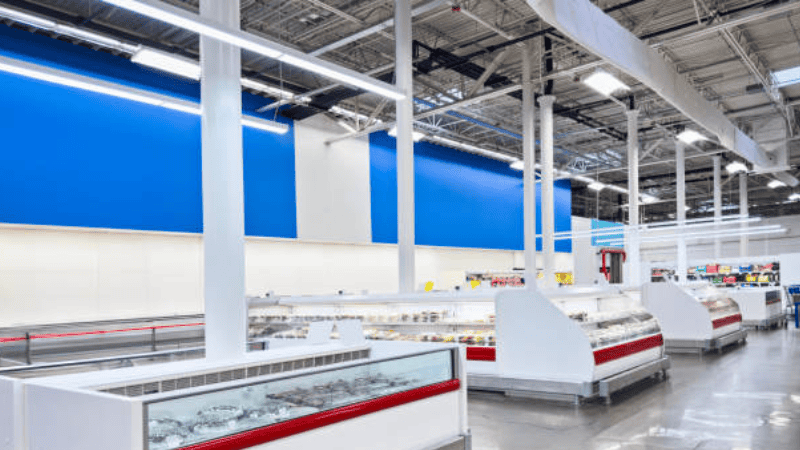
T8 tubes are useful for general lighting applications, whereas T5 lamps are small and deliver high light levels for the specific needs of work areas.
Continuous linear LED lights offer a uniform, evenly distributed bright light along a line. They are suitable for garages and workshops with long tables or shelves.
Many of them are directional, and the amount of light they produce can be adjusted and dimmed.
These lights organize the work environment through lighting. They reduce shadowing and provide clear visibility along the length of the work plane.
LED panel lights are contemporary luminaires intended to deliver diffused soft light with low glare. These lights are appropriate for expansive areas of work; they provide uniform illumination all over the workspace.
Because of their thinness, they are visually pleasing and best suited for overhead mounting in garages or workshops for offering full access and clean, precise lighting.
You can find various LED shop light fixtures for various requirements.
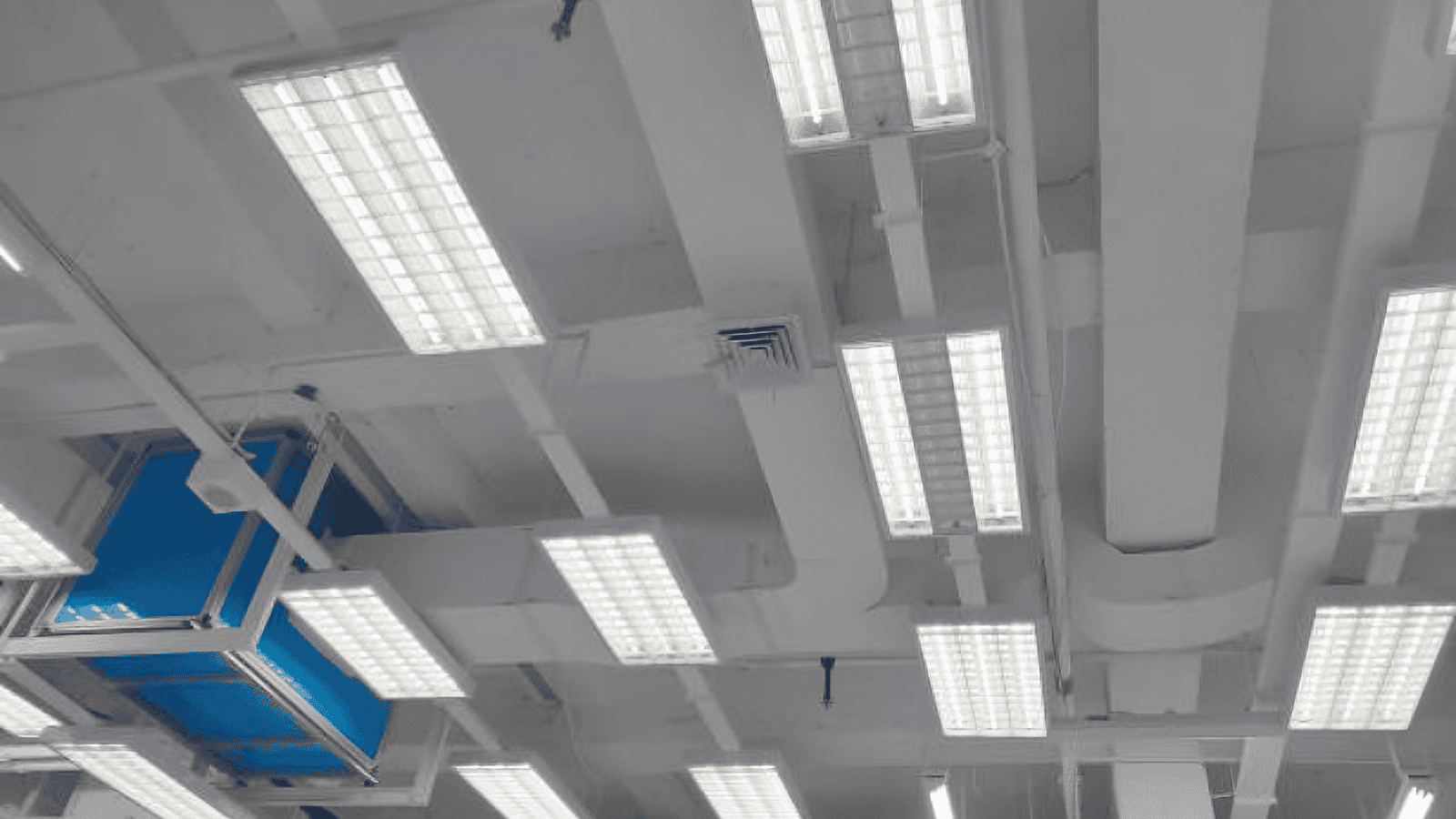
All of them are effective in their own way, and their effectiveness depends on the size and purpose of the work area.
| Type | Best For | Features |
|---|---|---|
| High Bay Lights | Large, high-ceiling spaces | Wide coverage, high output |
| Tube Lights | Small, focused areas | Easy to install, energy-efficient |
| Linear Lights | Long work surfaces | Consistent lighting, dimmable options |
| Panel Lights | Large workspaces | Diffused, uniform light |
| Shop Light Fixtures | Varies | Flush, pendant, or surface-mounted styles |
The following factors will enable you to select the appropriate LED shop lights:
This is because the size and layout of your garage or workshop will determine how you arrange the lighting. To determine the appropriate lumens for a space, work areas typically require around 50 lumens per square meter.
For instance, if you want to effectively illuminate a workplace of 200 square feet, you need a light that offers a minimum of 10,000 lumens.
A workspace measuring 200 square feet would need a minimum of 10,000 lumens to ensure proper lighting. Select the right wattage to provide the brightness you require while using energy properly.
The beam angle defines the distribution of light in a given area of work or a workspace. For larger and more open spaces, choose LED lights with wide beam angles (120°-180°) to prevent hot spotting and heat up.
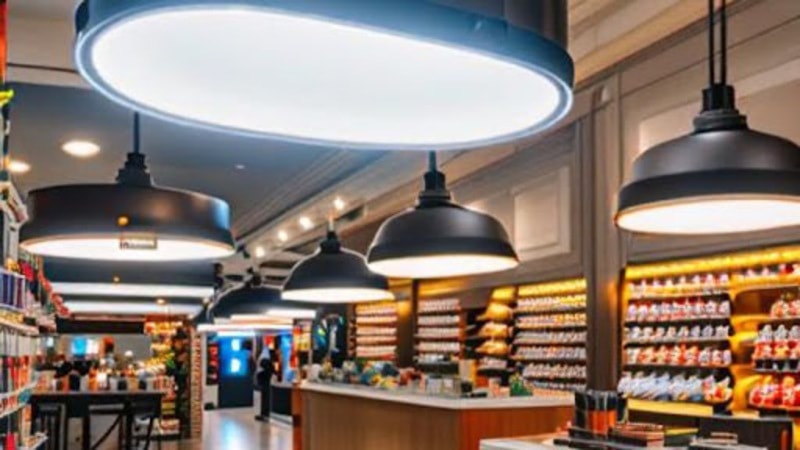
Small beam widths and angles are preferable where one needs to illuminate a particular area of space for a specific job.
LED shop lights use much less energy and have a longer life as compared to power-hungry incandescent or fluorescent bulbs.
This also saves energy and electricity bills and reduces the period required to make electricity bills and maintain the machines. LED lasts 25,000-50,000 hours while the normal bulbs last 1000-2000 hours of usage.
Select appropriate, offering light intensity in lumens and color temperature in Kelvin.
For the workplace, cool white (5000 K- 6000 K) is commonly recommended because it offers clear light similar to natural daylight, thereby improving focus and vision.
| Feature | Recommendation |
|---|---|
| Lumens per sq. ft. | 50+ lumens |
| Beam Angle | Wide (120°-180°) for large rooms like the living room or large dining room. |
| Color Temperature | Cool White (5000K-6000K) |
| Lifespan | 25,000–50,000 hours |
The flexibility of the application is due to its efficiency and adaptability in different spaces. Here are the most common applications:
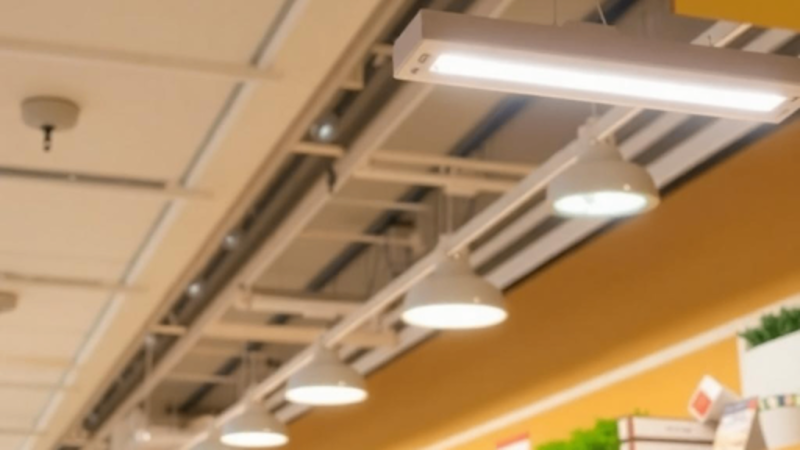
For commercial or residential applications, LED shop lights come in handy, giving a boost to the lighting quality, as well as offering energy savings.
LED shop lights have several advantages over conventional sources of illumination.

LED shop lights are easy to install and, hence, suitable for the quick replacement of conventional lighting options. Some are retrofit, meaning you can replace old fluorescent lights with tubes or conventional lighting fixtures with LEDs without having to rewire the place.
This ease of installation helps to save time and money. From the point of view of requirements for maintenance, the LED shop lights are the ones that need the least attention. A major advantage associated with their use is the fact that they have a longer life cycle than traditional sources of lighting.
Cleaning and dusting should preferably be done on a regular basis in order to guarantee the high performance of the product and its durability. The required maintenance will be simple because keeping the lights free of dirt and debris will extend their brightness and energy efficiency.
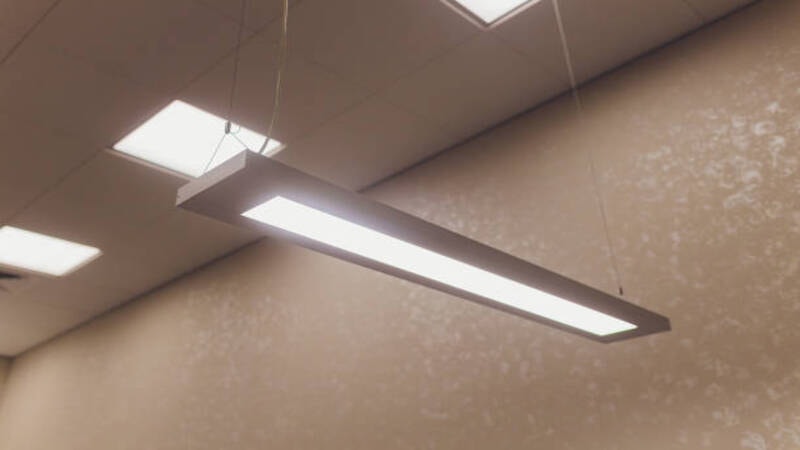
LED shop lights feature light-emitting diodes (LEDs) as their primary form of source of illumination. These diodes give out light that is as bright as normal bulbs but uses less power than bulbs used in the past.
This makes LED lights suitable for workplaces to give out bright light with little consumption of power.
LEDs are also energy-saving and very efficient shop lights that can be commonly used in commercial and industrial shops.
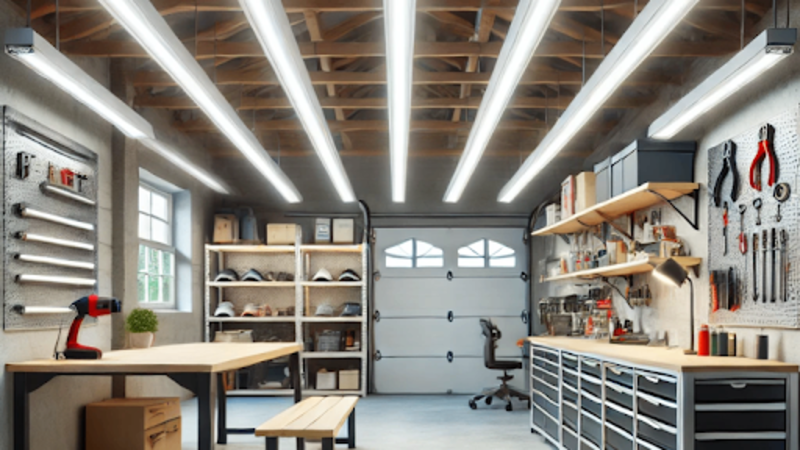
They eliminate eye pressure and provide better visibility, and offer the advanced of LED technology, which is very important for increasing working productivity.
In addition, LEDs are energy efficient because they do not contain hazardous materials and are 100% reusable, making the lighting systems of the work environment more sustainable.
According to the U.S. Department of Energy, “LED lighting uses at least 75% less energy and lasts 25 times longer than incandescent lighting.”
LED shop light selection determines the efficiency of the working area, and that is why it should be done carefully. Here are some common mistakes to avoid:
The right light density is crucial when choosing the illuminance of the LED shop light. Selecting a small number of fixtures may lead to inadequate illumination, while selecting too many may cause over-illumination.
It is best to achieve balanced lighting without going overboard, as this might cause glare or energy waste.
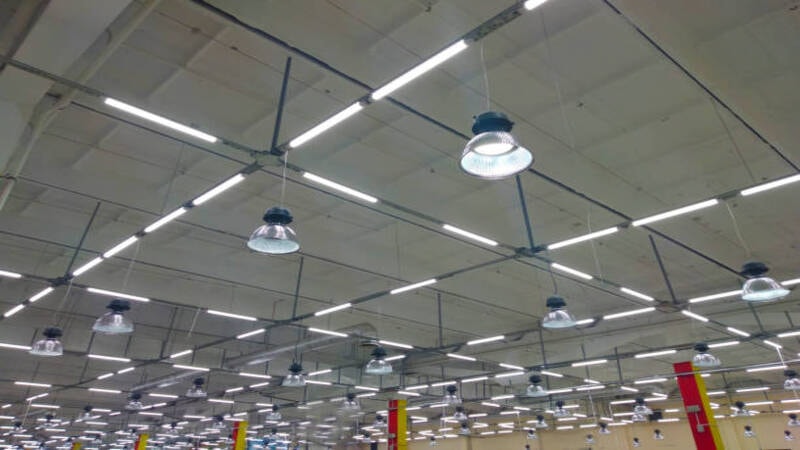
Ceiling height and room sizes also greatly influence the use of LED shop lights. For tall halls, a high bay is advisable to illuminate wide areas.
For small spaces, USM LED tube lights or linear fixtures may provide sufficient light without being too bold.
Another essential parameter, significant in working areas, is color temperature. Do not use warm lighting, as this may give a feeling of relaxation, though it may lead to poor vision.
For bright and clear light, opt for cool white (5000 K- 6000 K) or daylight colors in the luminaires. These color temperatures approximate daylight, making tasks that demand attention easier on the eyes.
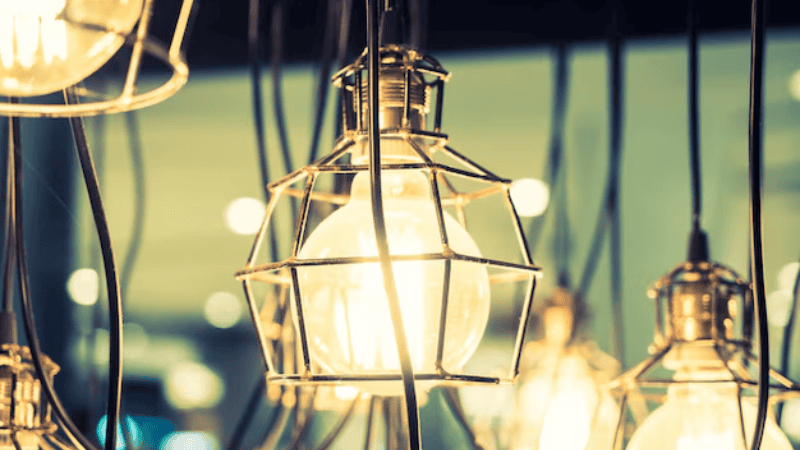
When choosing the best LED shop light, the following details are some of the most vital aspects to consider in order to acquire the best light.

Picking the best LED shop lights offers you a well-illuminated, efficient, and secure workplace.
LED shop lights are an effective solution for different working environments, such as the garage, office, and workplace in your house. They are energy-efficient and durable. They increase safety and accessibility while reducing maintenance costs. Here, the main decisions depend on requirements such as lumens per watt and IP rating.
If you are interested in changing the lighting in your workspace, then visit Risun Corp to find the most efficient and durable LED shop lights.
We have many choices and the best products to make sure that you get what you want or your business needs. Please feel free to contact us and get a free quote, as well as professional advice on what type of LED lighting will be most suitable for you and improve your business.
Are you looking to elevate your bedroom comfort with LED bedroom lights?
LED lights are installed in the ceiling of the bedroom. LED lights use 75% less energy than traditional lighting. This makes it a sustainable as well as comfortable choice for bedrooms.
This blog post will walk you through the ins and outs of LED bedroom lights, and learn about how to choose the right one for your needs, and get the expert’s suggestions. Curious to explore these innovative bedroom lights? Let’s get into it.
Research shows that in the next ten years, LED lighting will capture 60% of the market, creating a huge demand. Choosing the right LED light for your bedroom is not only a question of choosing a design. Here are the key factors to consider:
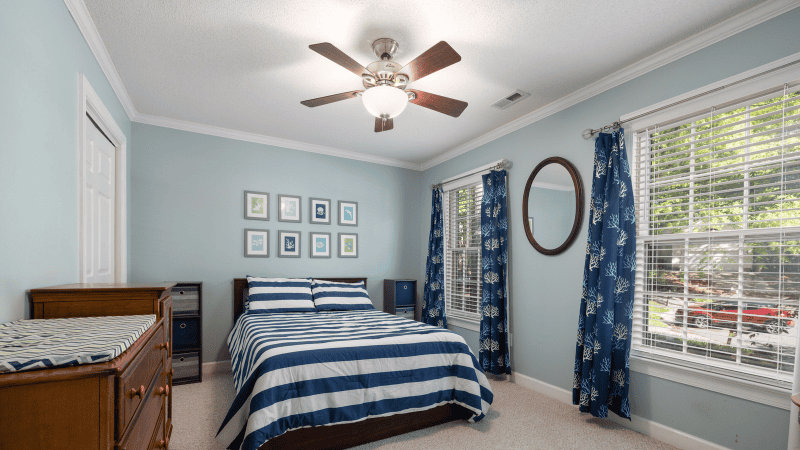
The size of your bedroom defines the kind and number of lights that should be installed. In a small area like a gaming room, there might be a need for a single overhead LED ceiling light only.
For big rooms, there might be the need for layered lighting which includes the strip LED lights for accent and desk lamps for work.
The lighting in your bedroom has a lot to do with the kind of light that you have and how bright it is. Warm white (2700K-3000K) is suitable for relaxation, and cool white (4000 K- 5000 K) is suitable for reading or working.
New LED lights come with features such as app control, voice, and even Wi-Fi. These options make it easier to fine-tune your lighting and also to connect it with your smart home devices.
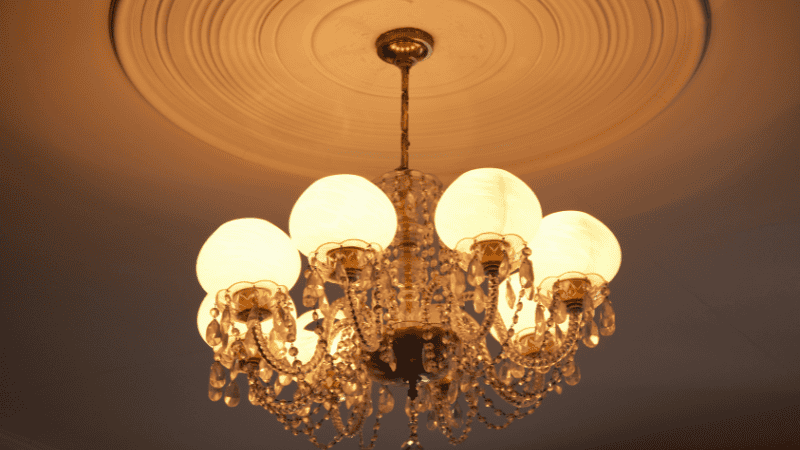
LED lights use less energy. They also have a longer lifespan compared to the standard incandescent bulbs, hence costing you less.
Flexibility is best served by LED strip lights or rope lights. They are easily bendable or can be easily cut to create any shape and size to suit any space.
| LED Light Type | Key Features | Uses |
|---|---|---|
| LED Strip Lights | Flexible and versatile | Under furniture, accents |
| LED Smart Bulbs | App and voice control | Smart home integration |
| LED Wall Sconces | Decorative and functional | Highlighting features |
| Recessed LED Lights | Minimalistic design | Ambient ceiling lighting |
| Color-Changing Lights | Dynamic mood setting | Thermatic ambiance creation |
According to research, the demand for LED lighting might reach 160 billion U.S. dollars in 2026. LED lights are a game-changer for bedroom lighting, offering several benefits. These are:
LEDs consume between 60% to 80% of the energy of traditional bulbs. As a result, electricity costs are greatly minimized.
Due to their capability of lasting up to 25 times as long as incandescent bulbs, LEDs reduce both replacement and wastage.
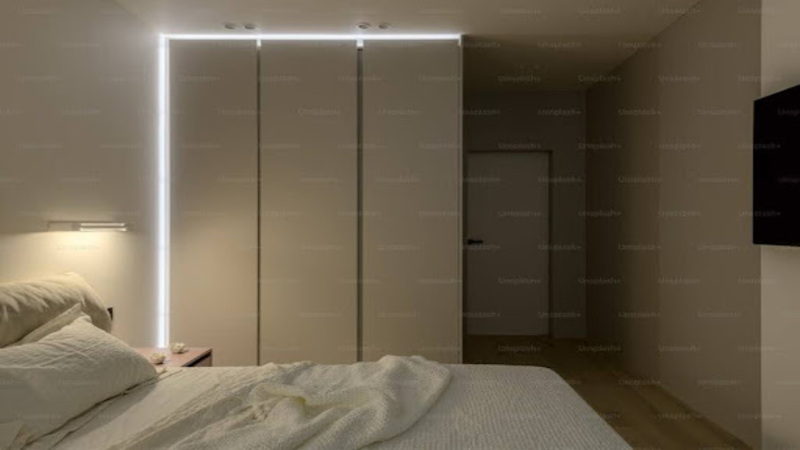
LED lights are available in various colors and designs, so you can choose the light bulbs you want, which range from dimmable options to color-changing options.
LED lights contain non-toxic elements like mercury and are fully reusable and 100% recyclable. These lights are also friendly to our environment.
Choosing an LED lighting system for your bedroom can have numerous benefits. These include:
LEDs are not only functional but also make your bedroom even better. It makes them an economical choice as they offer energy conservation, along with durability.
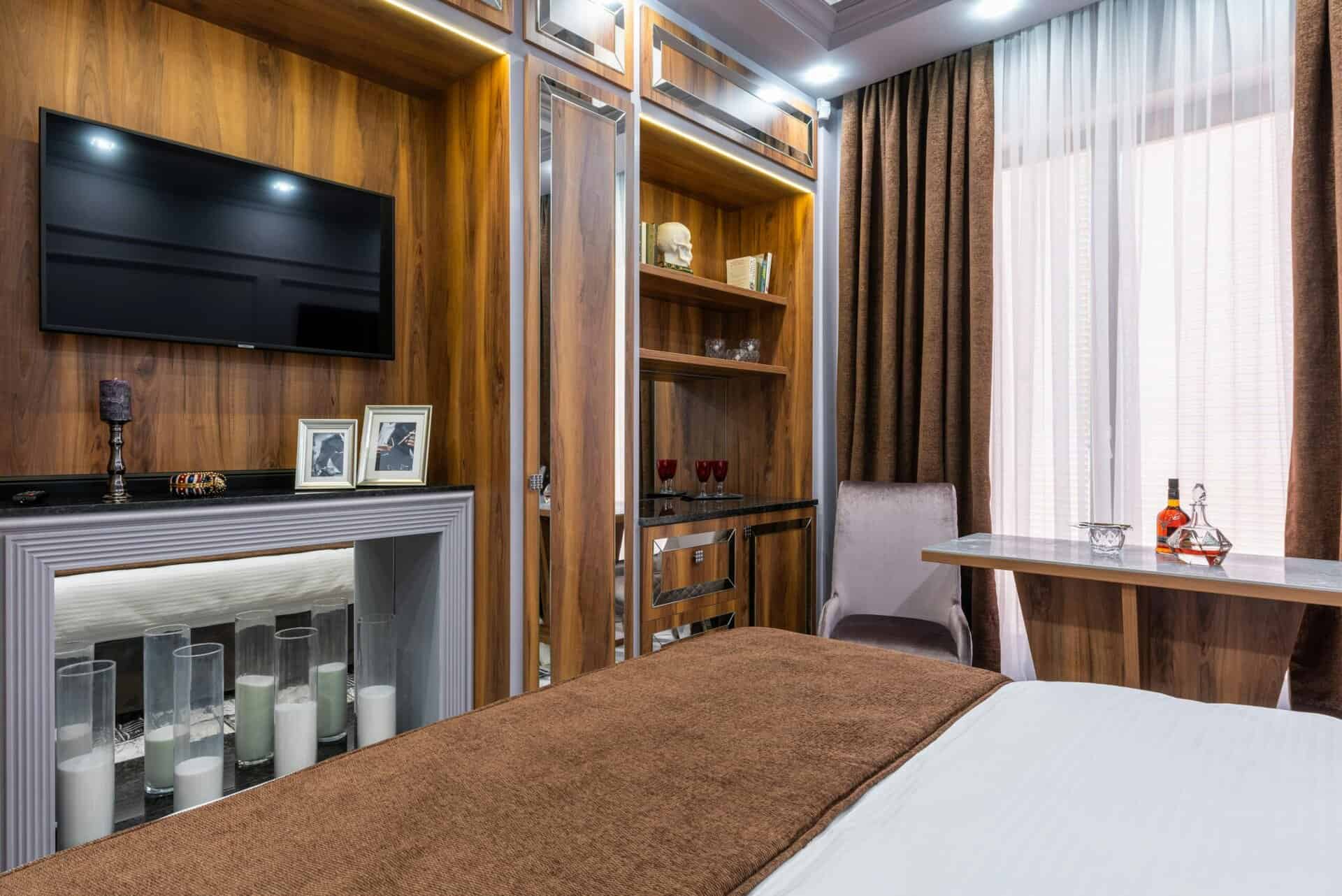
Also, with dimming and color-changing options, you can have the right lighting depending on whether you are unwinding, sleeping, or studying.
LED lights give your bedroom a more luxurious and stylish look. Smart LED lights, especially, can be easily adjusted with various options and programmable, which improves the looks and usability of the light sources.
Incorporate artwork or designs in your home by focusing it with LED spotlights or wall-mounted lamps. This also gives your bedroom a personality and dimension.
The following are various types of LED lights you can install in your bedroom:
LED light strips are very flexible, and can be installed under furniture, against walls, or behind TV sets. They offer task lighting and may be used to accent the structure of a house and make the environment warm and fashionable.
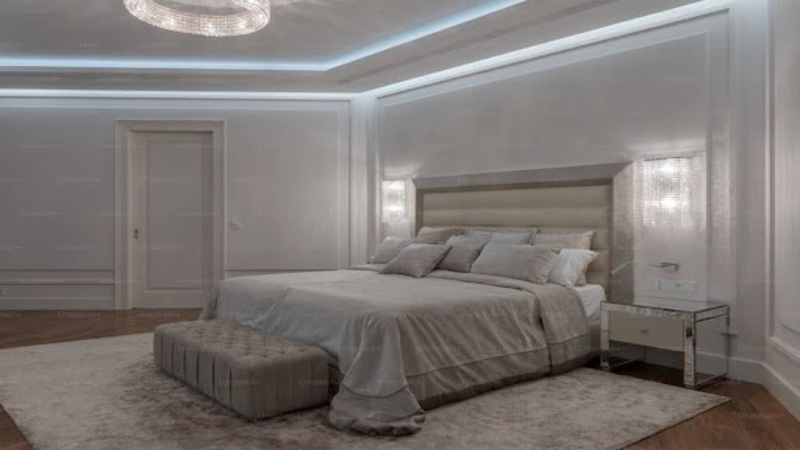
There are different types of LED ceiling lights. They include recessed lighting, chandeliers, and many others. They give diffused light and can be selected to blend with other designs in the bedroom.
A type of lighting that is important for specific tasks such as reading or working is included in this. This consists of desk lamps that have adjustable brightness and color temperature or lamps that can be placed beside the bed.
Smart LED lights include Philips Hue and LIFX. They can be operated with a smartphone or by voice. You can install them into home automation systems, and this is highly convenient.
LED wall lights that are fixed on the wall or sconces are great light fixtures for accent lighting. They can be used for making a statement as well as giving a room a warm glow.
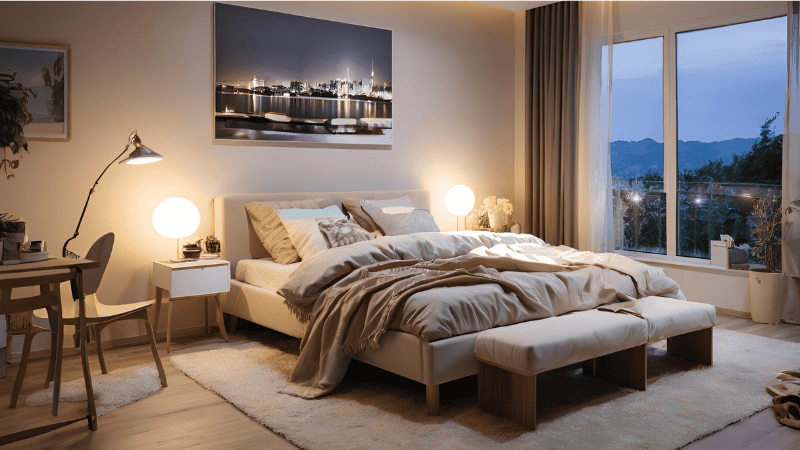
Opting for a suitable LED light for your bedroom is essential for effective lighting. Here is how you can choose the best LED lights for your bedroom:
The intensity of LED light is expressed in terms of luminous flux, or lumens. A large room needs more lumens to light up the room properly than a small room would need.
The integration of general, local, and feature lighting is used to achieve a visually harmonized and purposeful environment. LED ceiling lights are used for general lighting, desk lamps are used for working, and strip lights are used for highlights.
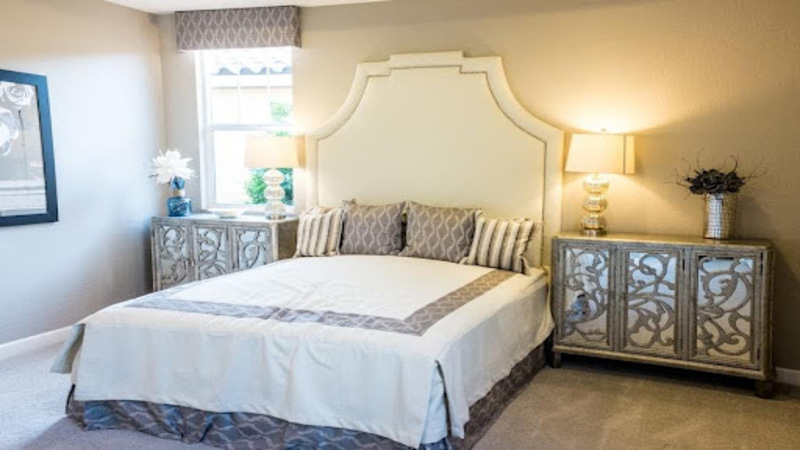
Soft white light (2700 K- 3000 K) is best for people who want their home atmosphere to be cozy after work or studying. Cool white light (4000K – 5000K) is better for doing some work that includes precision and detail.
LED strip lights are preferred because of their flexibility and simplicity in installation. Here’s how they can transform your bedroom:
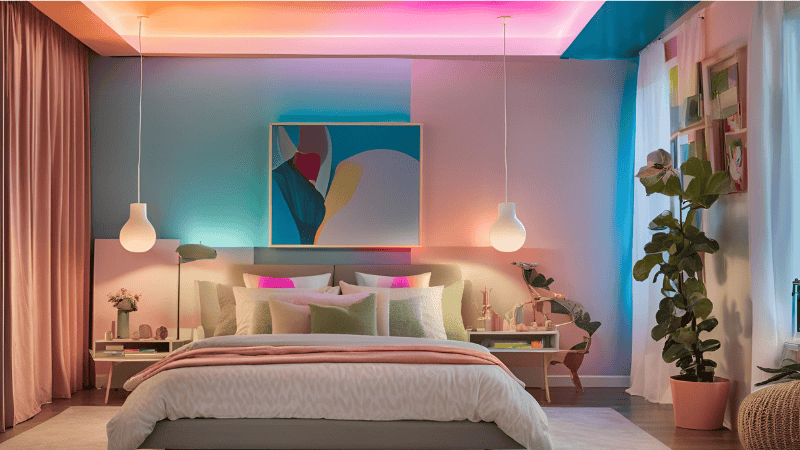
Consider models with the feature of being controlled through a remote or an application. If you want to make the space warm, then warm white or yellow strip lights are the best for the job.
Installing LED lights is straightforward, but safety is crucial:
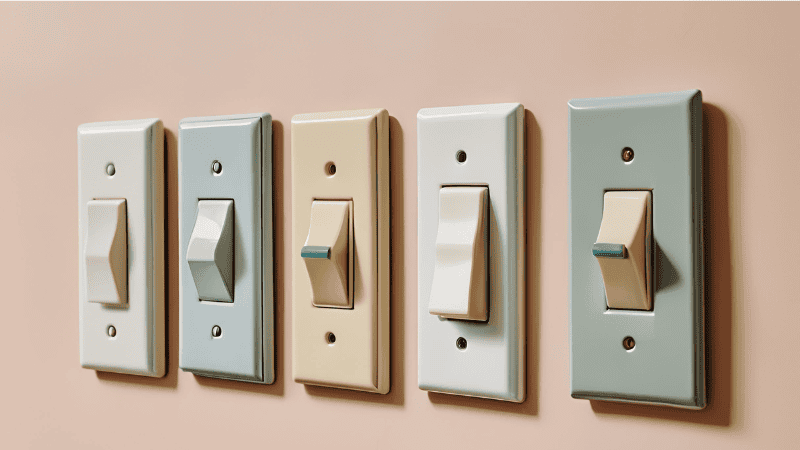
You can make your room look its best with proper lighting. This is why it is imperative to avoid these mistakes:
Excessive lighting or inadequate lighting in the bedroom is not ideal for your room and comfort. Always look at the lumens to see what you are getting.
Overloading your home with lighting fixtures or bulbs will overcrowd your room. Find a balance between the layers by using them properly.
Proper positioning may cause glare or inadequate illumination in some areas. It is therefore important to be very particular about the layout you choose for the best outcome.
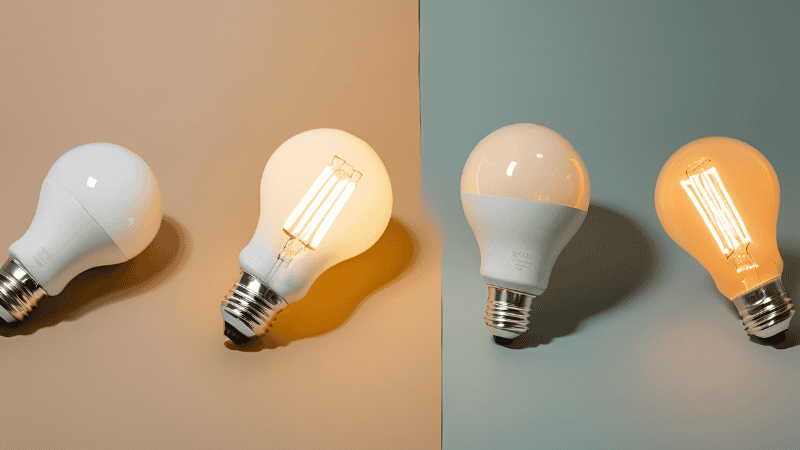
LED lights are perfect for setting the mood in your bedroom. Experiment with different colors and brightness levels to find the ideal ambiance.
For a festive touch, consider themed lighting during holidays. Complement your lighting with decorative elements like pillows or wall art for a cohesive look.
At Risun Corp, we have 15 years of experience in manufacturing high-quality products. By opting for the right LED light, brightness level, and design, you can balance functionality and style.
Ready to find out how you can make your business better? Request a free consultation or download our product catalog today. Contact us today to upgrade your bedroom lighting.
Looking to create a kitchen that feels warm, inviting, and beautifully illuminated? According to the survey, 85% of the respondents believe that lighting is critical when designing and renovating a kitchen.
And no matter if you’re having a dinner party or if it’s just you and your family, the lighting defines the mood. In this guide, we’ll explore the best ideas for brightening your kitchen with style and efficiency. Let’s get started!
Kitchen lights typically fall into several critical categories, each significantly facilitating form and function in the kitchen.
This provides a kind of artificial general light to the entire kitchen, which adds comfort. It ensures the room’s lighting is normal and suitable for most daily activities.
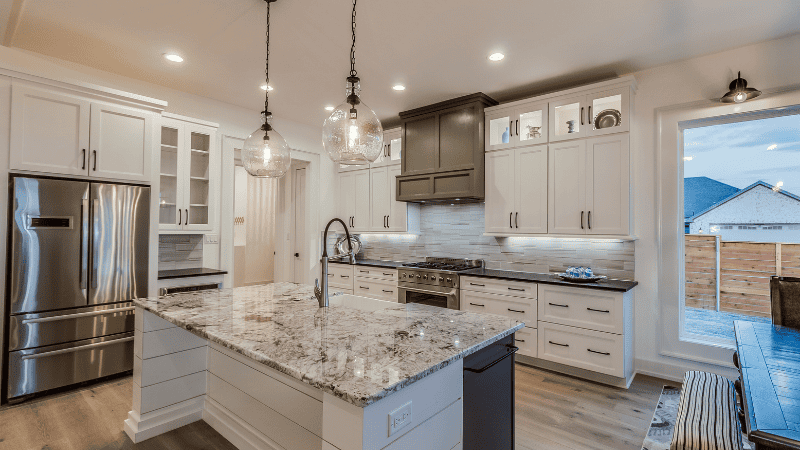
Task lights focus on certain areas such as countertops, stovetops, and sinks, and their main objectives are to increase precision and decrease accidents while cooking or doing other tasks.
Such lighting makes design elements like backsplashes, open shelves, or artwork visible and creates an illusion of depth in the kitchen’s design.
They are referred to as the ‘accessories’ of the kitchen and may include impressive, classy pieces like chandeliers or attractive pendants.
Natural light is good for achieving an open, light-filled look, but it depends on the architecture of your kitchen and the regional climate.
When natural lighting is not an option, carefully designed artificial lighting is the perfect replacement and addition to the interior.
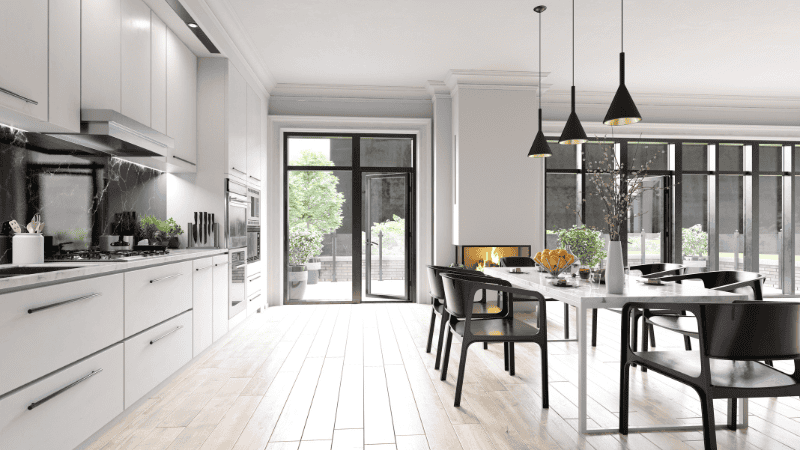
Enhancing your kitchen with stylish and functional lighting is a popular trend among homeowners. In fact, 88% of U.S. consumers consider personal style extremely when choosing home lighting. Lighting in the kitchen must be adequate to avoid compromises in safety and productivity.
The first type is called task lighting, where critical areas needed for activities such as chopping, cooking, or cleaning are lit.
The second type is ambient lighting, which is general lighting meant to enhance visibility and the general comfort of occupants in a room.
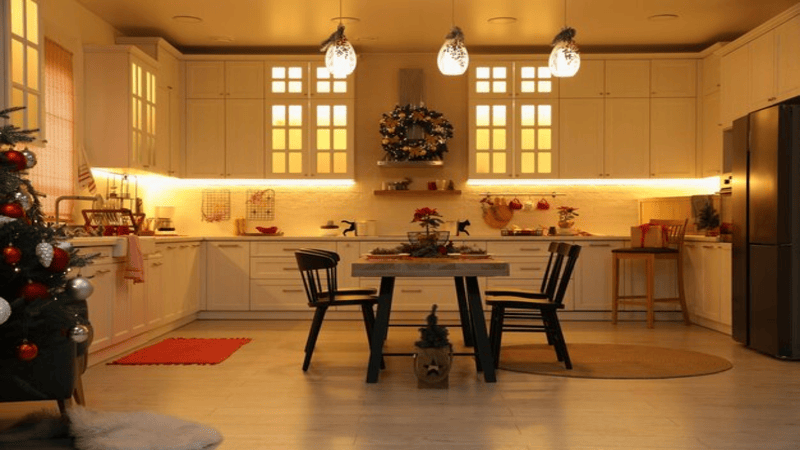
Accent lighting enriches a room’s design when accenting a focal point, such as a backsplash or cabinetry. All these layers of light in coordination interrelate to foster a kitchen functionality, aesthetics as well as adaptability to its different uses.
Lighting is a creative factor that adds value to how your kitchen is constructed and designed, as well as the kind of lighting installed to achieve the intended ambiance.
Your lighting fixtures should enhance your décor, whether it is modern, rustic, or traditional, while warm or cool light tones create the ambiance.
Proper illumination also makes the kitchen larger, cozier, or more luxurious. Instead of being seen, used, and forgotten, it becomes a beauty to behold.
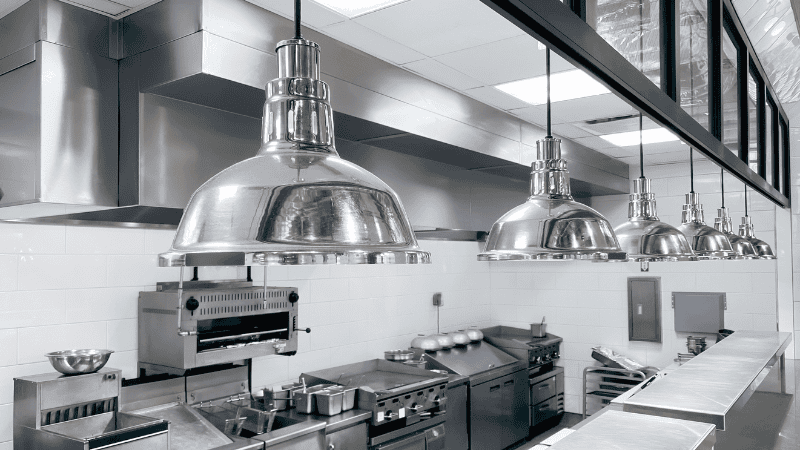
Choosing the best lights to use in the kitchen requires one to balance the need and beauty of the lights. It’s therefore essential to ensure your kitchen is well-lit, and, as an added bonus, it has to look good too.
In addition to this, there are many types of fixtures in different sizes, colors, shapes, and styles that you can choose from depending on whether you want the lighting to be the focus of your kitchen‘s decorative style or subtle.
Ceiling lights and chandeliers are perfect sources of general lighting for your kitchen. They easily light up the entire room and act as a fulcrum to the room’s design.
Chandeliers are especially striking as attention-grabbing centerpieces, and thus, they are well-suited for use in tall kitchens or above dining tables. Whether modern, rustic, or traditional, chandeliers should match the style of a particular kitchen.
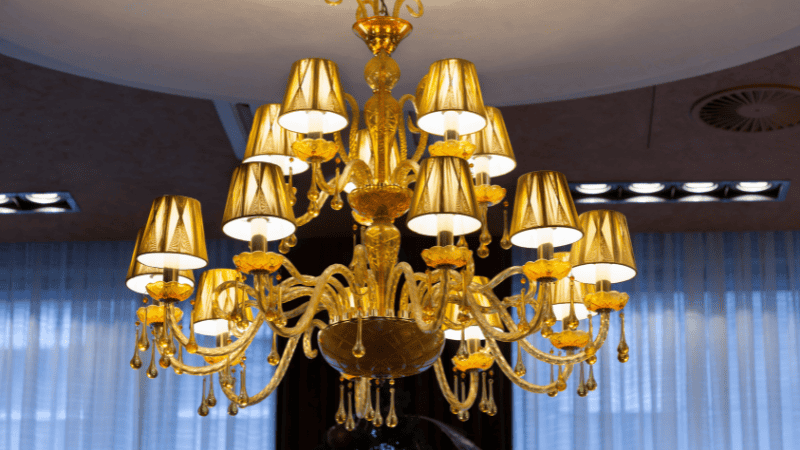
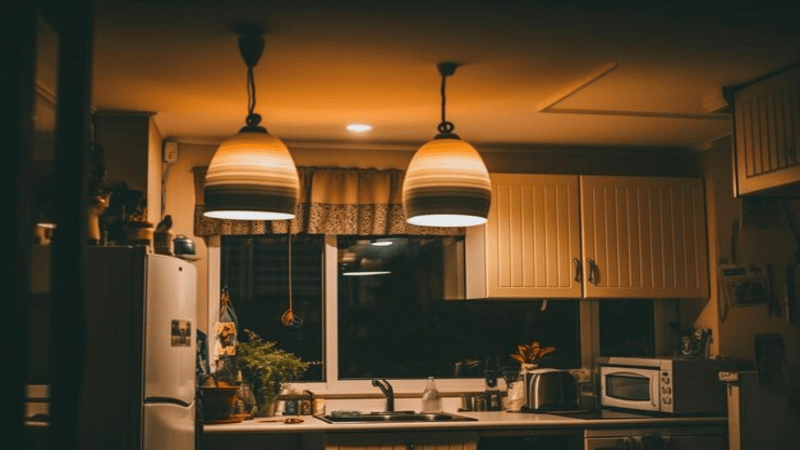
Pendant lights for the kitchen are another type of kitchen lighting that can be easily placed above islands or dining tables. They offer localized light for cooking or eating, and simultaneously, the anchors become visual icons.
Pendants are available in different designs, which include plain and simple, and more elaborate and elaborate, depending on the model you want to incorporate in your kitchen.
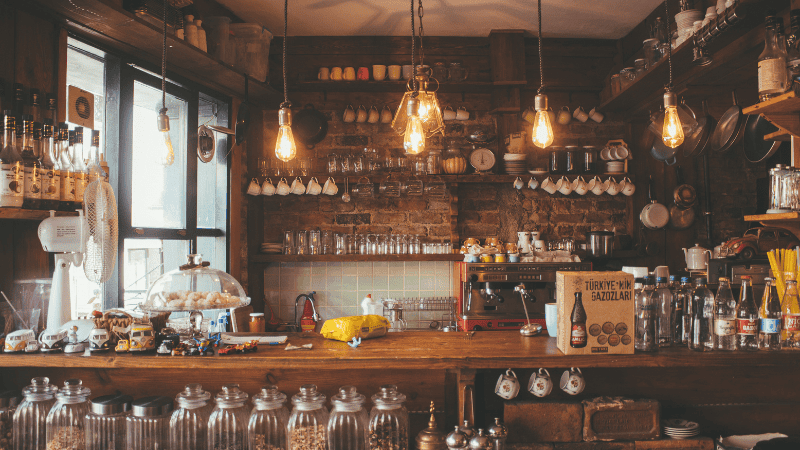
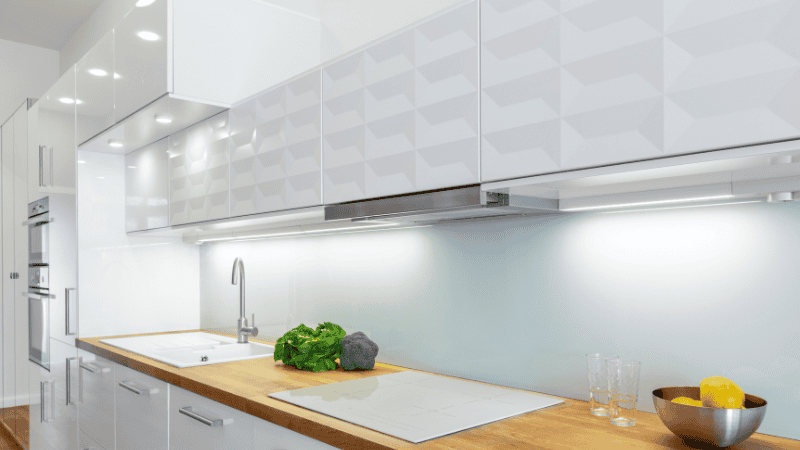
Under-cabinet and toe-kick lights are excellent additions for a functional and ambient light touch. These indoor fixtures illuminate countertops, ensuring proper visibility for tasks like chopping and cooking.
Toe-kick lights placed at the cabinetry base add a soft glow that enhances the room’s atmosphere, particularly in the evenings.
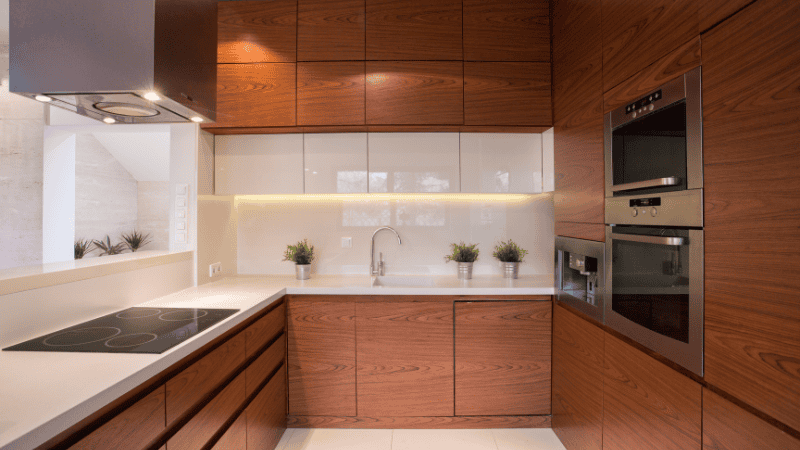
Track and recessed lights are versatile options that blend seamlessly into the ceiling, making them unobtrusive while still highly effective. Track lights can be adjusted to direct light when needed, while recessed lights offer a clean and modern look with even illumination.
To make the most of your lighting, consider key factors like:
Choose fixtures proportional to the kitchen’s dimensions to ensure balance and avoid overcrowding.
Position lights strategically to maximize functionality and aesthetics, such as focusing task lighting over work areas.
Ensure even light distribution by maintaining appropriate distances between fixtures for consistent coverage.
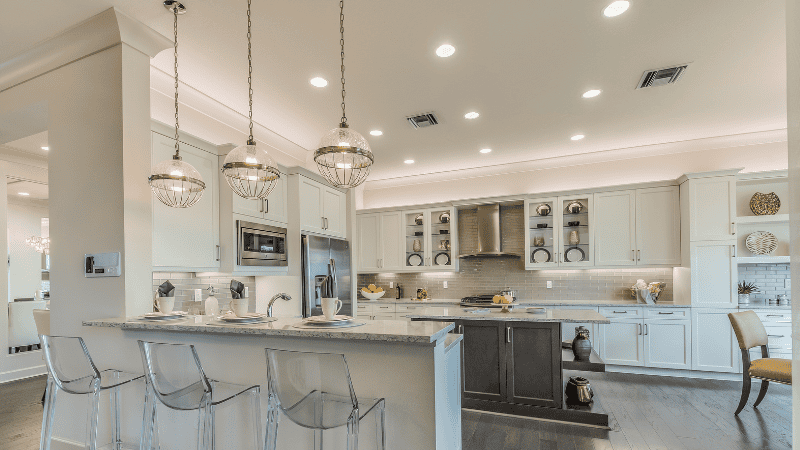
Select warm or cool tones to match the kitchen’s ambiance and enhance its overall aesthetic.
Incorporate dimmers or smart controls for flexibility in lighting intensity and mood customization.
Accent lighting is necessary for kitchen islands and countertops since cooking happens around those areas. Under-glass-door cabinet lighting or pendant lighting offers a more specific light to focus on the task at hand, such as chopping, mixing, or cooking, to avoid mishaps.
Vintage curved pendants installed over an island or peninsula enhance utility and aesthetics, visually enriching the kitchen space.
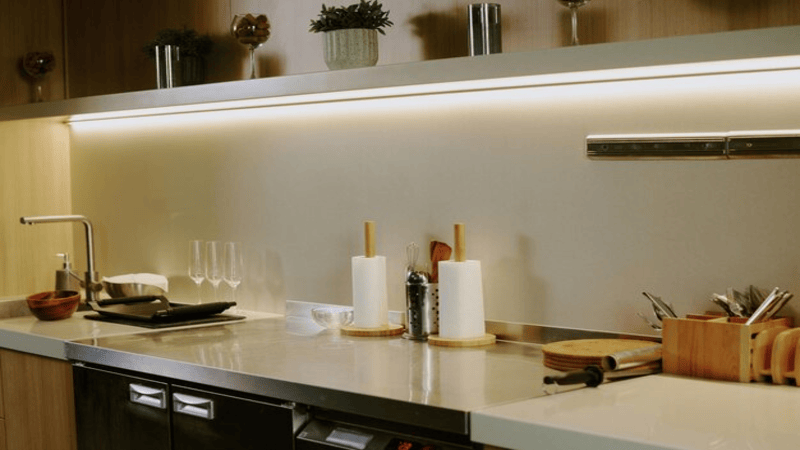
One of the most effective ways of using accent lighting is to highlight some of the features in the kitchen. Illuminate a seamless backsplash, a painted picture, or even your embarrassment of gorgeous dinnerware settings using LED lights beneath cabinets or around the perimeter of a kitchen island.
These lighting choices enhance and define the look of your kitchen while giving the area a keen aesthetic appeal.
Lighting is a crucial part of an aesthetic since it can transform a functional kitchen into a warm one. Therefore, it is appropriate to choose fixtures, determine their placement, and use lighting to give a purely functional part of the house a touch of specific zones.
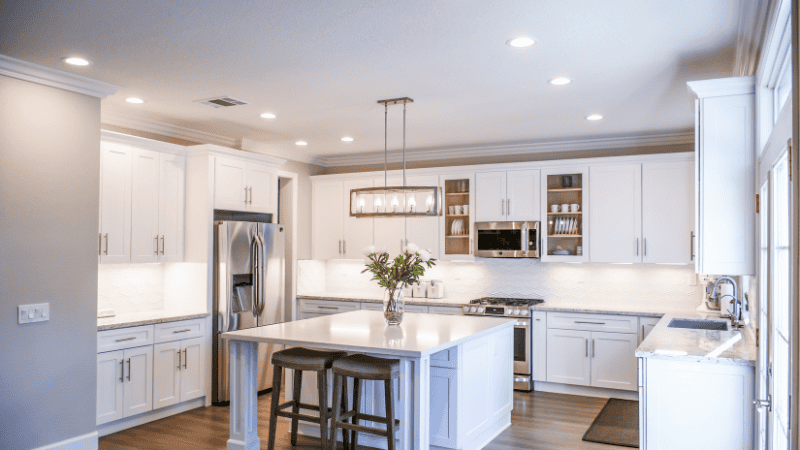
The size and placement of the kitchen must be considered while buying light fixtures. If the ceiling heights in the rooms are extreme, hanging lights such as chandeliers or pendants can be used to occupy the vertical height.
Mount suspending lights like under-cupboard lights over working surfaces or areas such as countertops and stoves for precise work. Ceiling fixtures or track lights guarantee that every corner and corner of the small kitchen is well-lit for warmth.
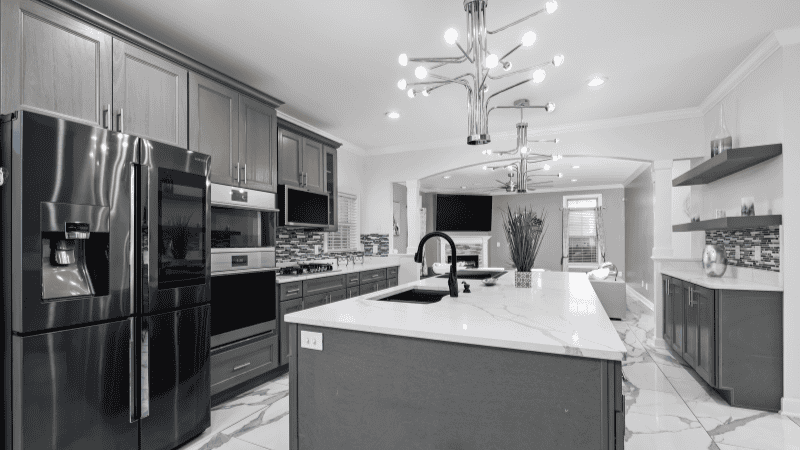
As part of the design of an open kitchen area, the appropriate use of light will enable different areas of the apartment to be defined.
Pendant lights over the island convey the message that they are for the cooking or preparation zone, while installing a chandelier above the dining table shall define an area as the dining zone.
Accessory lighting can focus on ornamental features, ensuring that the whole area is connected into one system without losing such division.
Layered lighting is key to achieving balanced illumination in your kitchen by blending ambient, task, accent, and decorative lighting. This approach ensures your space is both functional and visually appealing.
Start with decorative ambient lighting, such as ceiling lights or chandeliers, to provide general brightness and set the tone for the room.
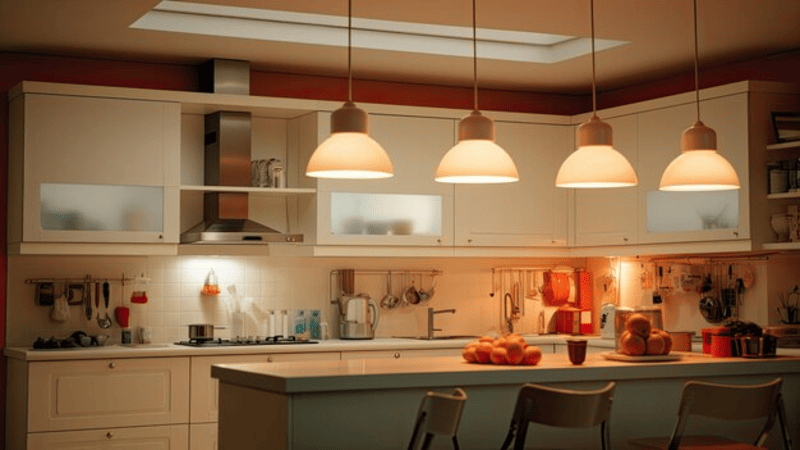
Task lighting is essential for high-use areas like countertops, sinks, and stovetops. Under-cabinet lights or focused pendants enhance visibility, making meal preparation and cleanup safer and more efficient. Highlight these areas with direct lighting to combine practicality with style.
To enhance your kitchen’s ambiance, incorporate dimmers for flexibility in brightness, allowing you to adjust lighting for various moods and activities.
Add decorative and accent lighting, such as LED strips or statement fixtures, to emphasize design elements and create a cohesive, inviting atmosphere.
Good kitchen lighting is not just about utility but it also embraces form, Combined with functionality it forms part of the holistic kitchen concept where cooking, eating, and entertaining happen.
Different choices for purpose, color, temperature, fixture, and decoration should be selected to enhance the space and brighten up the kitchen.
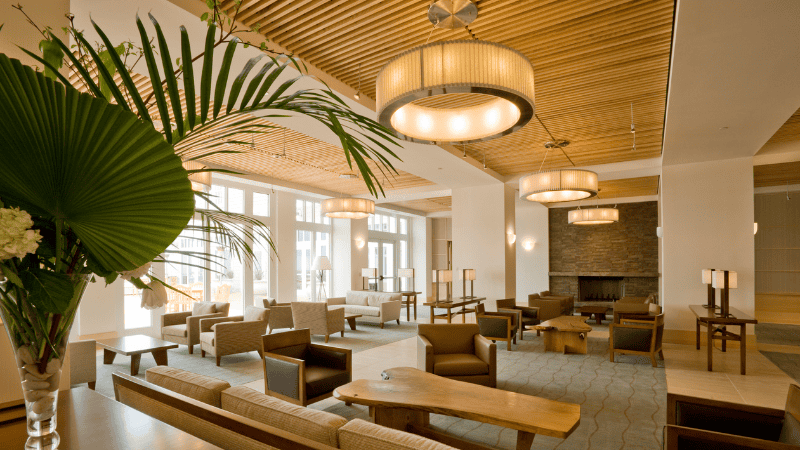
First, you need to determine the purpose of each light to meet your goal for the kitchen’s illumination. Accent lighting is required in working zones, such as countertops and stovetop areas.
In contrast, general lighting just provides a general wash of light and illumination for any corner of a given space.
Additionally, pendant lights are the preferred choice for illuminating kitchen islands, with 67% of homeowners selecting them for this purpose.
Roof and wall lights are good examples of such layers, where the goal is to coordinate all types of illumination. Hence, they are not simply applied but integrated organically into the design.
Here is a quick summary of lighting type and their benefits:
| Lighting Type | Description | Best Placement | Benefits |
|---|---|---|---|
| Pendant Lights | Decorative fixtures hung from the ceiling | Over kitchen islands or dining areas | Adds style and focused light |
| Recessed Lighting | Lights installed flush with the ceiling | Throughout the ceiling | Creates even, shadow-free lighting |
| Under-Cabinet Lights | Slim fixtures beneath cabinets | Under upper cabinets above counters | Illuminates workspaces effectively |
| Wall Sconces | Mounted fixtures on walls | Near dining nooks or accent walls | Enhances ambiance and adds depth |
| Chandeliers | Elegant overhead fixtures | Center of the kitchen or above tables | Makes a bold statement |
| LED Strip Lights | Flexible light strips for accents | Along shelves or toe-kicks | Adds a modern and subtle glow |
Two important factors about color temperature should be considered when choosing the right color temperature: illumination for mood and operations.
Warm LED lights (2700K–3000K) emit warm, comfortable light suitable for many rooms and general illumination, while cool LED lights (3500K–4000K) give better task and color reproduction. There has to be brightness flexibility in every average area to avoid extreme brightness or extreme darkness.
It is advisable to install at least one light fixture of each type in order to light up all areas adequately. Recessed lighting provides ambient light, and specific areas are covered by pendant lighting over countertops, islands, and dining tables, while under cabinet lights provide precise lighting.
This gives a layered and somewhat visually pulsing lighting arrangement.
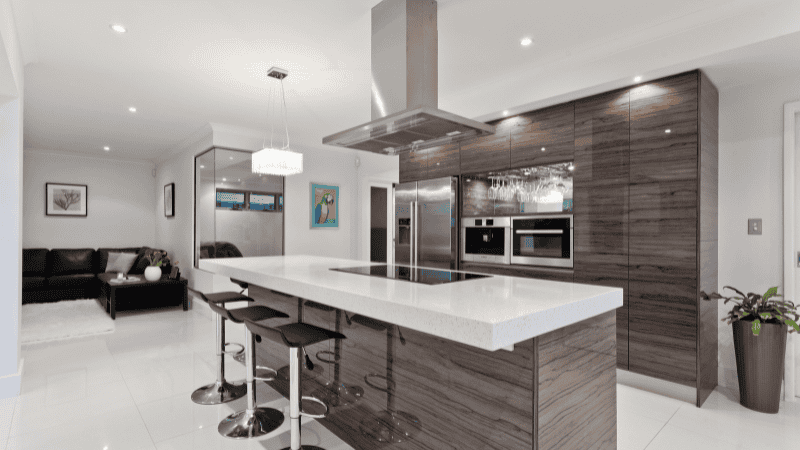
Accent lighting also brings out the character and the design of your kitchen. Accent lights focus on aspects of the design, such as backsplashes or showcasing some display cabinets.
On the other hand, chandeliers or even some beautiful pendant lights are considered a centerpiece for the room. These touches turn this functionality into an area where your kitchen is not only utilitarian but also beautiful to look at.
Kitchen lighting is a crucial element of design, but certain mistakes can detract from the functionality and aesthetics of your space. Avoid these common pitfalls to ensure your kitchen is well-lit, practical, and inviting:
Ambient kitchen lighting sets the tone for a welcoming, functional space that leaves a lasting impression. At Risun Corp, we know that the right lighting can enhance your kitchen’s appeal and improve its usability.
Whether you’re upgrading a commercial space, designing a showroom, or enhancing a hospitality setting, we’ve got you covered. Why settle for ordinary when you can create a kitchen that shines? Let’s work together to find lighting solutions that balance style, efficiency, and performance.
Reach out for a consultation or browse our catalog to see how we can help you brighten up your space — because good lighting isn’t just a choice; it’s a development.
Ready to get started ?
Send Your Inquiry

Our team will get back to you promptly

please
download
Get notified about new products
Our team will get back to you promptly!