UGR, or Unified Glare Rating, is a key measure used to determine discomfort caused by glare in interior lighting. But what does this mean for you?
Whether you’re designing a workspace, upgrading your home office, or choosing lighting for a public area, understanding UGR in lighting ensures comfort, productivity, and safety.
It helps with compliance, boosts customer satisfaction, and drives sales growth. This guide shows you how to choose, buy, and stock UGR-approved lighting for your business success.
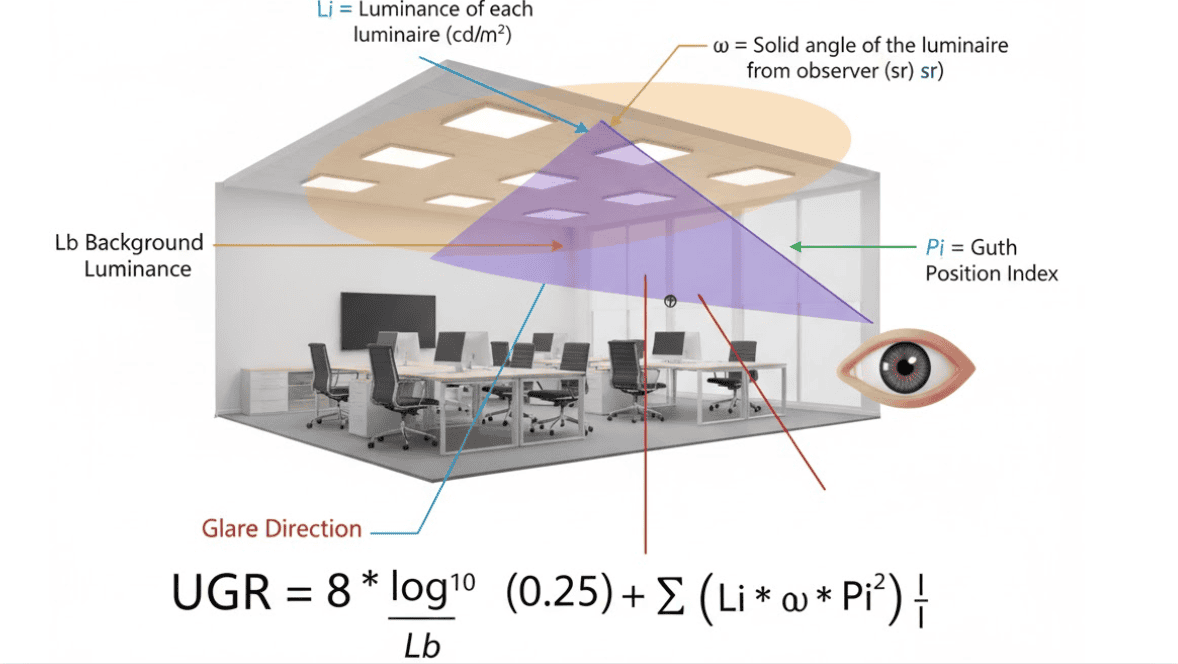
UGR is an international measure. It measures how much glare from artificial lights bothers people. This affects how we design and brighten different light fixtures.
If you know the right UGR, you can pick the best lighting for any business, whether inside or outside.
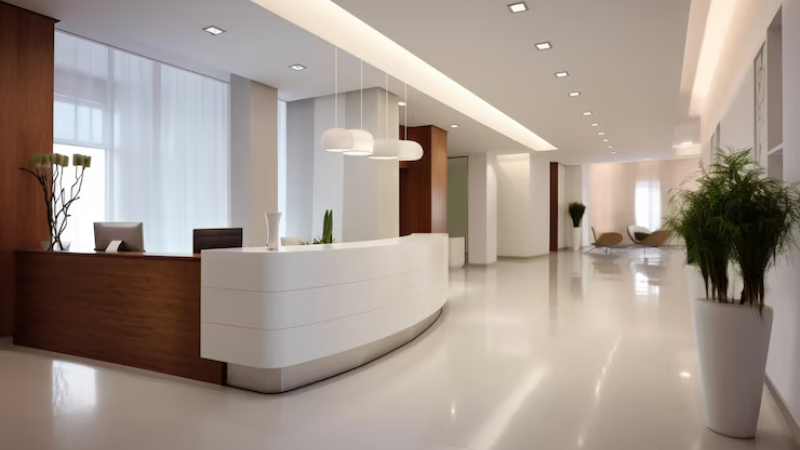
The following examples can be used to find the UGR level:
Here are examples to determine UGR levels:
These UGR values ensure visual comfort and regulatory approval.
Differing UGR Value In Various World Regions
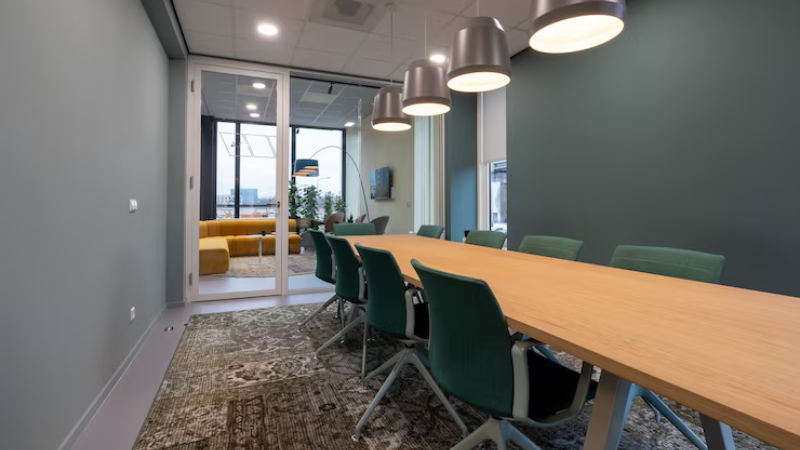
Understanding the Unified Glare Rating (UGR) is crucial because it immediately impacts your environment and bottom line:
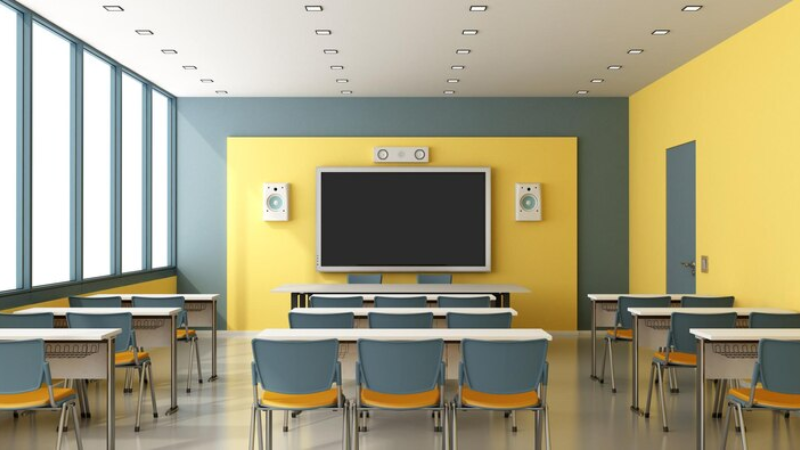
Different spaces require different UGR levels, and choosing the right fixture type ensures maximum performance across all applications.
Visual comfort in offices, classrooms, and healthcare settings affects well-being and productivity. Lighting with a UGR of 19 or lower is ideal for classrooms for visual tasks. Good lighting affects students’ psychology.
Recessed ceiling mounts and LED panel lights with diffusers offer even lighting and low glare. They are perfect for daily use in spaces where good visibility is important.
Recessed ceiling mount lighting and LED panel lights with diffusers offer broad, even lighting with little glare—perfect for daily use in visually challenging environments.
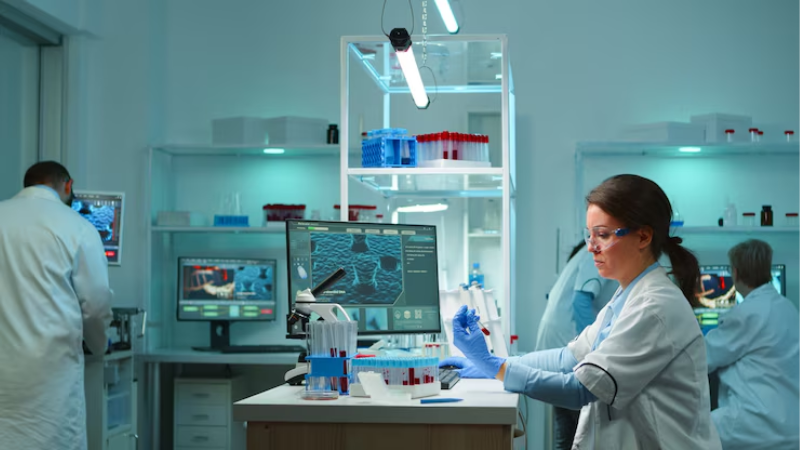
High-use areas, such as inspection rooms, need better glare control. Aim for UGR values of 16 or lower.
Optics-enhanced anti-glare illumination equipment carefully optimized for such applications provides focused light without visual discomfort, enabling improved task completion and concentration.
On the other hand, factories and industrial warehouses prefer sight and safety over the necessity of precise glare control. Here, a UGR value of 22 is sufficient in most situations.
Industrial LED high bay lighting and floodlights use wide reflectors. They give the right brightness while keeping UGR levels acceptable
Not all lights labeled “UGR-compliant” are equal. Here’s what you should check:
If you want to lower the Unified Glare Rating in your space and create a comfortable environment, consider implementing these 10 effective strategies:
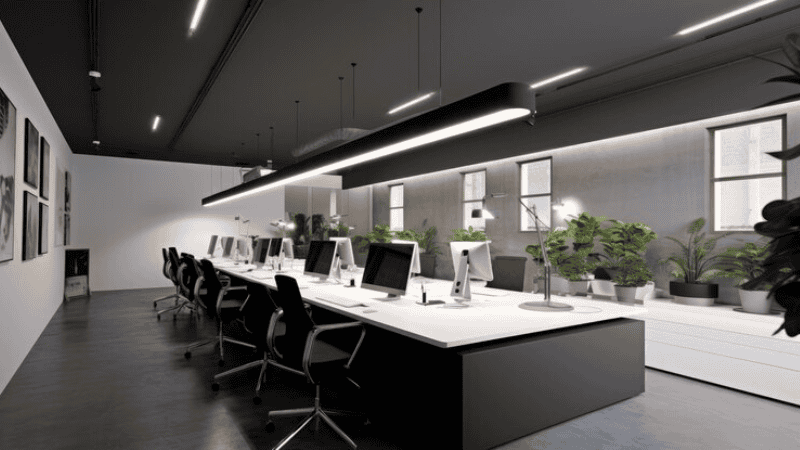
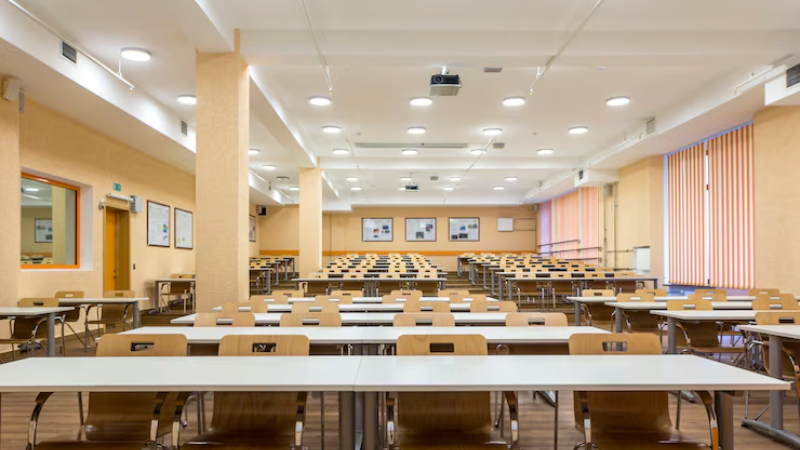
By carefully following these steps, you can significantly mitigate glare and easily achieve a comfortable, high-quality lighting environment tailored for any space.
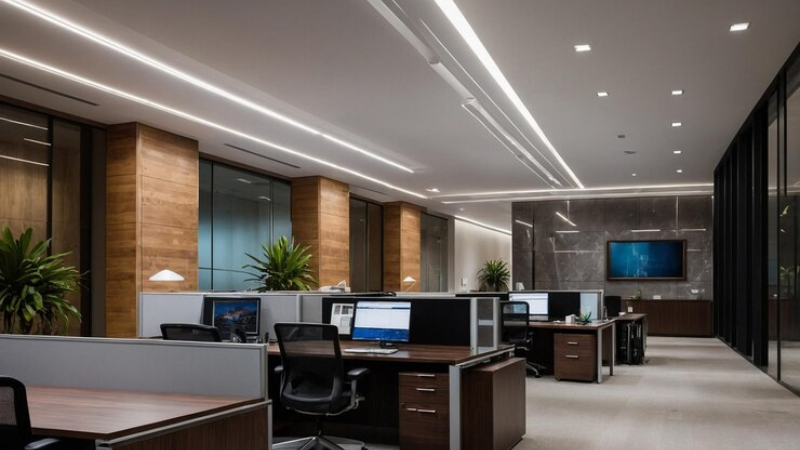
When investing in new lighting, you need to ensure you are getting authentic, high-performance UGR fixtures. Here are the critical steps to verify quality:
Review Photometric Documentation
Start by requesting and reviewing the third-party photometric data from the manufacturer. Reliable companies will always provide this essential proof of the product’s UGR rating and performance.
Check for Standards Compliance
Make sure the product explicitly adheres to relevant lighting quality standards. Look for valid certifications against international standards like EN 12464-1, IES, or GB/T.
Examine Physical Performance
Don’t just trust the data. You should also inspect the physical attributes, such as the actual beam angles, the quality of the diffusers, and the stability of the color temperature (CCT).
Beware of Unsubstantiated Claims
Always ensure that the quoted UGR values are transparent, consistent, and directly supported by the manufacturer’s test reports. If the data is vague or unavailable, treat the claim with skepticism.
Here are some case studies to help you see how UGR impacts the environment.
A German brand changed office lighting to UGR ≤19 LED panel lights. They did this because customers wanted glare-free office lighting.
Six months later, the company achieved a 40% increase in B2B sales. This was due to interest from architects, corporate buyers, and facility managers in EN 12464-1 compliant products.
A local distributor landed a big contract supplying high-bay warehouse lighting for logistics facilities. The customer required UGR ≤22 compliance for workplace safety.
The distributor won the contract by providing tested and certified UGR fixtures. Their success gave them prestige for future public sector bids. It also opened growth opportunities in a tough market.
UGR Lighting makes commercial and industrial spaces comfortable and safe. It also reduces glare and complies with regulations. This not only satisfies customer needs but also provides long-term value.
At Risuncorp, we offer a full range of UGR-compliant lighting solutions for commercial, educational, and industrial spaces. Our products meet international standards and help you achieve comfort, safety, and compliance.
Contact our team today for a free consultation and let us help you design a lighting plan that meets your needs while keeping glare under control.
LED Strip lights are a cost-effective, versatile lighting solution for residential, business, and creative purposes.
LED Strip lights find broad application areas in the industry of interior decoration, architecture, and sign making, and can be bent to specification. Precise width selection of LEDs is important as it will define brightness, power, and strip installation convenience.
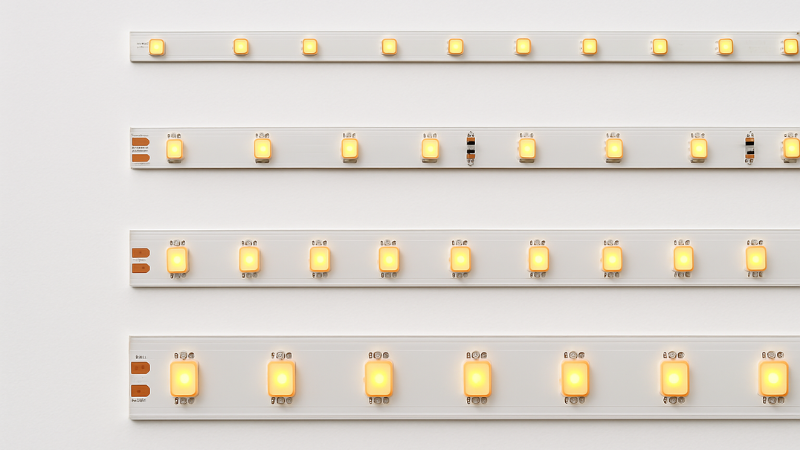
When selecting an appropriate LED strip light, the widths will direct you on how to optimize performance for your application.
The most widely used commercially available LED strips are 8mm, 10mm, or 12mm, particularly in configurations with multiple rows for enhanced brightness. They are ideal for general-purpose lighting applications such as under-counter lighting, under-cabinet lighting, room ambient highlight, and shelf lighting.
The thin strips of specific application (3mm–6mm) are ideal for stealth mounting or thin mounting, and the large ones up to 28mm are ideal for multi-row mounting LEDs for high luminosity.
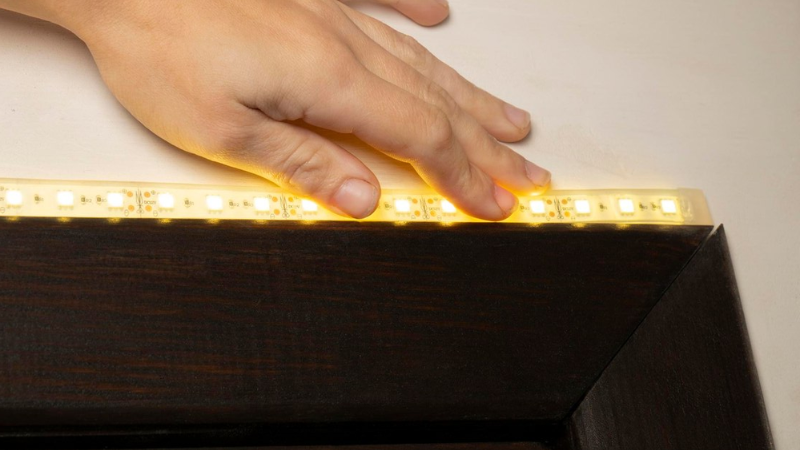
Where heavy-duty lighting needs to be achieved, however, double-row wider-than-normal LED strips are ideal.
Wide LED strips can go up to as much as 120mm in width and usually have more than one row of LEDs. They’re used with triple-row heavy-duty lighting for gigantic commercial spaces, industry, or wherever lots of light in a high-beam, massive space is needed.
Thin or narrow LED strips like 2.7mm COB LED strips are used for thin space illumination, mini-signing, or design effect light where privacy is an issue.
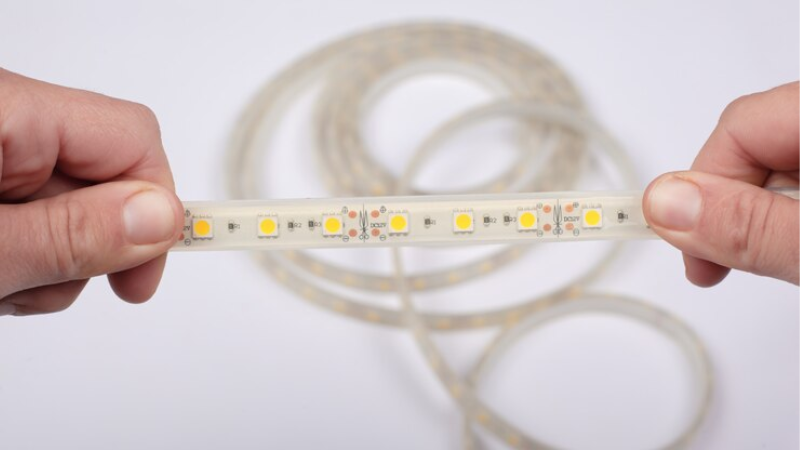
The types of LED chips determine strip width and use for special lighting applications. An approximate guide per chip type follows:
These strips are most recognized due to their dotless, silky smooth light. COB (Chip-on-Board) LED strips are available in 2.7mm, 4mm, 5mm, 8mm, 10mm, 12mm, and 16mm.
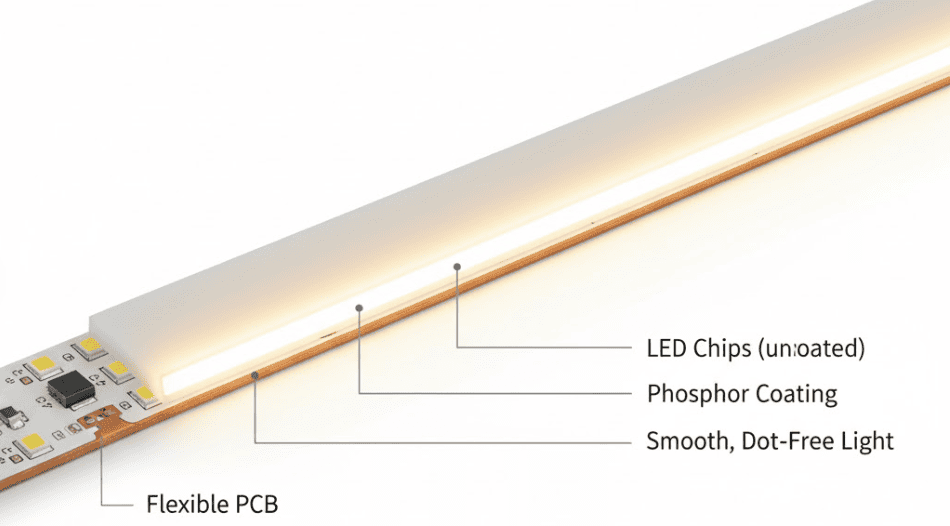
Installed on designs where there is a small space and intensive usage, COB LED strips produce silky smooth light free of the dots of LEDs. Installed in interior design and professional applications where there are restricted mounting spaces and low-key lighting.
You can upgrade your interior design by laying different LED strips. It will give an extra dimension to your style and design.
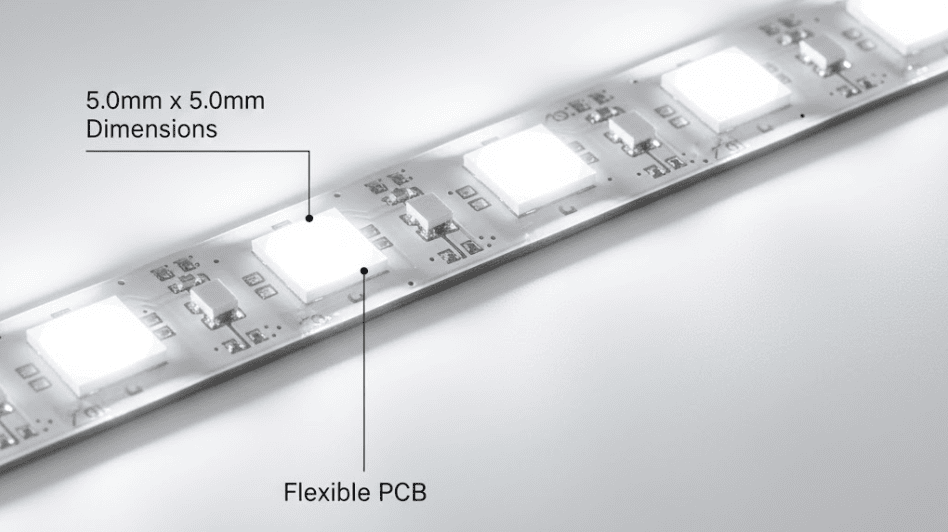
For greater brightness and light power, 5050 SMD LED strips are the preferred choice. 10mm and 12mm standard width and wide multi-row coverage from a minimum of 15mm to 120mm.
It is a high-power, high-brightness, and good color rendering index bulb that is best used in commercial and residential spaces requiring powerful and steady lighting, such as offices, warehouses, or signs.
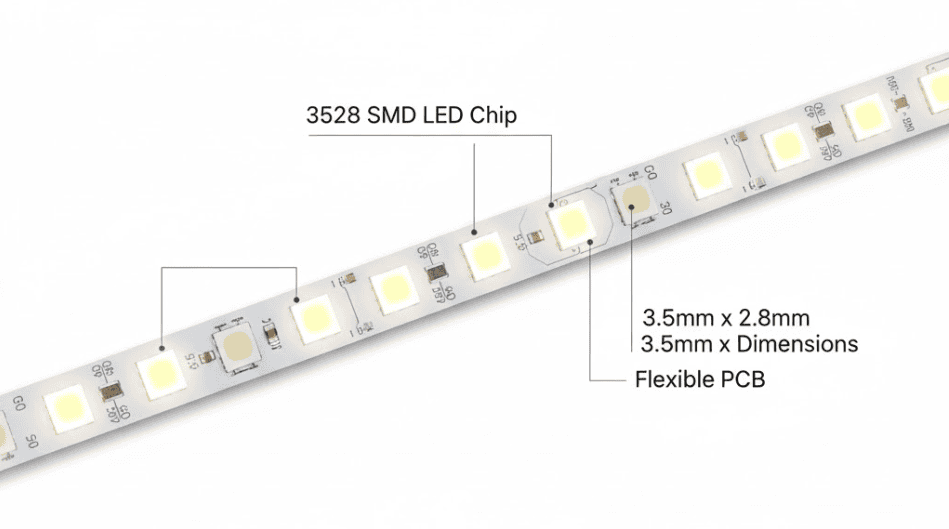
3528 SMD LED strips are best used where power efficiency is a factor. For 3.5mm x 2.8mm, 8mm, 10mm, and 15mm dimensions, the strips are more energy efficient than 5050s and best for novelty or low-power lighting applications.
Uses include home ambiance lighting, different types of decorative lighting, shelf lighting, and window front dressing of boutiques.
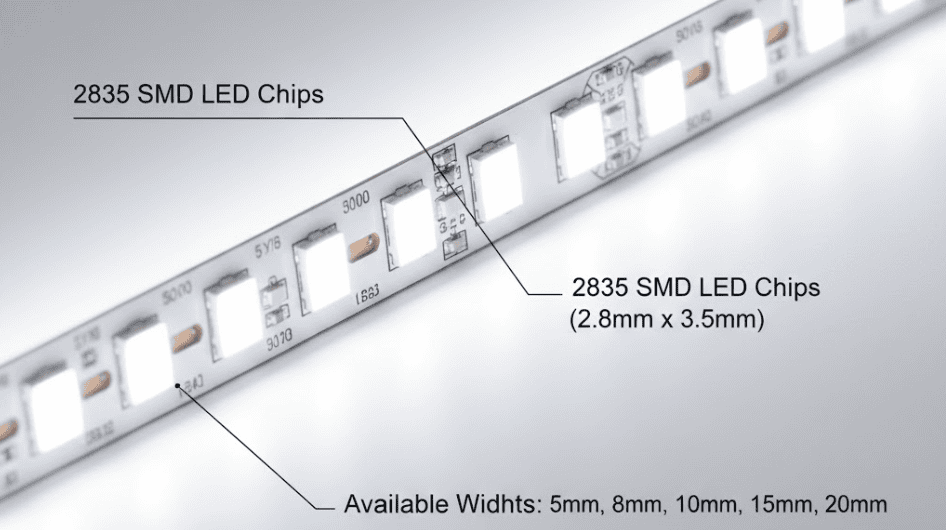
2835 SMD LED strips are responsible for mass use. There are lots of different widths ranging from 5mm, 6mm, 8mm, 10mm, 15mm, 20mm, 28mm, up to 30mm.
Low power usage and high lumens make them ideal for heavy use, from building architectural lighting and signage to residential and commercial lighting.
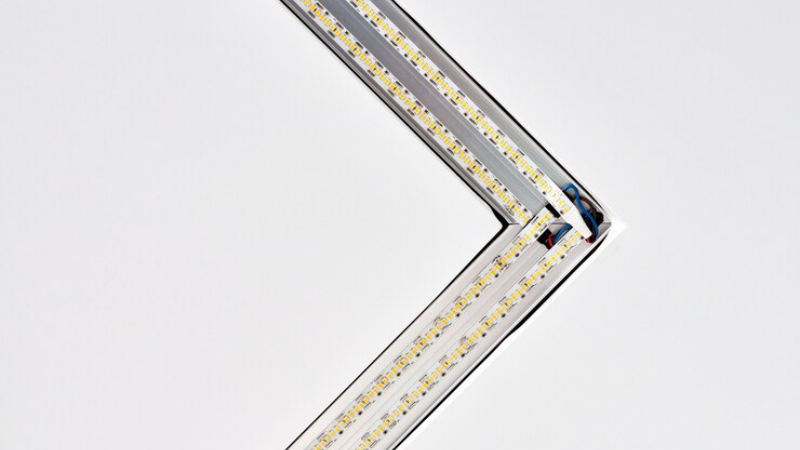
LED strip lights come in different shapes, each with a different purpose. Some are brighter, some are more flexible, and some are water-resistant or outdoor-rated.
The one to use depends on where and how you will be using them—whether for home decoration, business lighting, or commercial purposes. Below is a short description of the most popular ones:
| Type | Brightness | Flexibility | Waterproof | Best For |
|---|---|---|---|---|
| SMD 3528 | Low Brightness | High Flexibility | Optional | Accent & decorative use |
| SMD 5050 | Medium Brightness | MediumFlexibility | Optional | Home & retail lighting |
| SMD 2835 | HighBrightness | MediumFlexibility | Optional | Office & commercial use |
| COB LED Strip | SmoothBrightness | Very HighFlexibility | Optional | Displays & tight spaces |
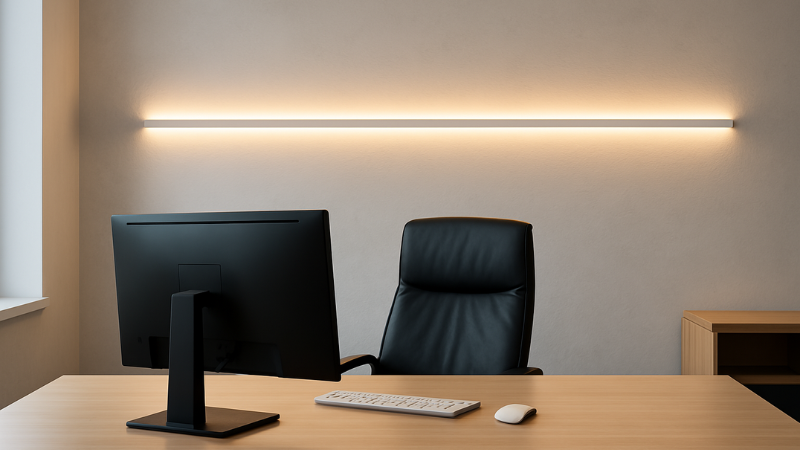
Choosing the right LED strip width is not only a design consideration—it affects installation, performance, and lifespan. Keep the following considerations in mind before buying LED strips:
When choosing an LED strip, never forget your space constraints and light applications. The thinnest LED light strips (i.e., 3–6mm) are adequate for small applications like cabinetry trim or sign work, and larger widths (10mm–28mm+) are ideal for higher brightness or multi-row applications.
Width also determines interfacing to diffusers and aluminum channels, which is important in clean mounting and heat management.
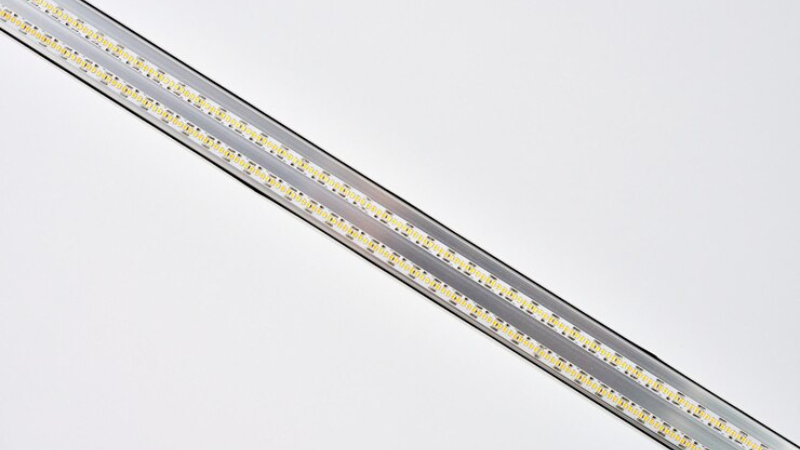
With wider strips, LED density (in LEDs/metre) usually comes into consideration. Increased density gives whiter, more diffused light and is optimally suited to the primary lighting of extensive spaces.
Narrower, less dense strips are optimally suited to ambient or accent lighting uses with smaller or specialty spaces.
Heat management is required for safety purposes as well as for the lifespan of LEDs, particularly with thinner strips.
2835 chip strips produce more heat than 3528 ones, and therefore, aluminum profiles or channels enhance LED heat dissipation in order to grant performance and protection.
Poorly handled heat dissipation could result in failure, reduced brightness, or hazards in sensitive implementations.
The length of an LED strip isn’t a number—it’s an influence on the convenience or hassle of the installation process and the long-term performance potential of the strip.
The length of a strip influences installation methods and visibility instantly. Thin strips work best in areas where little space is available, such as in the back of cabinets, trim furnishings, or signs.
They are harder to conceal but might have to be handled more carefully. Thick strips, conversely, are less inconvenient to install in open areas but occupy more room and typically call for larger fixtures or channels in order to fit securely.
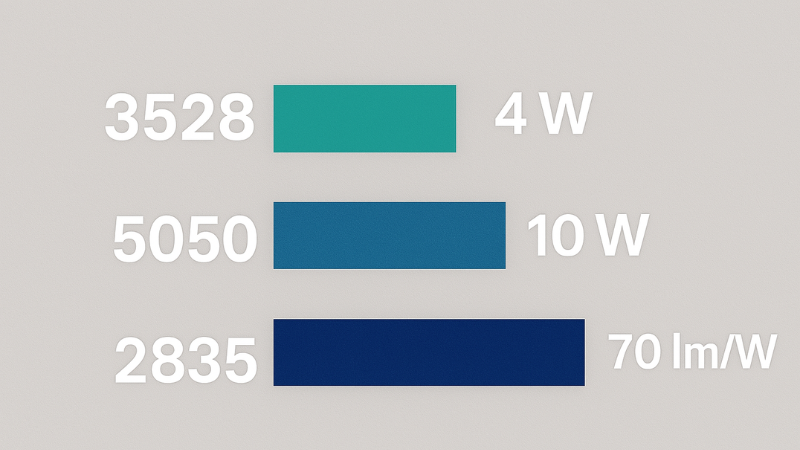
Thin strips use higher power with a growing density of LEDs or a multi-row configuration. 3528 strips, for instance, use less power and lumen-to-watt ratio than 5050 or 2835 strips, which have higher intensity, higher IP rating, and output at a higher cost of power.
The wider and diffused LED strips mean your load on the power supply is higher.
In estimating power requirements, calculate wattage per meter of strip times length, and then add a 20% buffer to allow efficient and safe usage. Utilizing a proper power supply avoids heat buildup and allows long-term usage.
Selecting the right width of LED strips is crucial to obtain optimum performance, hassle-free installation, and good looks. The perfect width will vary based on your environment, light requirements, power usage, and other design considerations.
Struggling to take your lighting solutions to the next level with high-performing, performance-driven LED strips?
Risuncorp provides customized commercial LED lights to meet your specific environment and technical requirements. Contact us today for professional advice, volume capacities, and custom-made strip lengths that lead your imagination.
Q1: What is the difference between 3528, 5050, and 2835 strips?
3528 strips are cost-effective with low brightness, and they can be used for decorative lighting. 5050 and 2835 strips are brighter, and 2835 has superior heat dissipation along with efficiency, and can be utilized for use in commercial or general lighting.
Q2: Can I use a thick LED strip on a slim profile?
You can get it to work, but it gets cranky occasionally. Slim strips won’t fit so tightly in tight spaces—use slimmer strips or adjustable mounting for a good fit.
Q3: Do longer LED strips have more brightness?
Not exactly. Brightness is more about the density of LEDs (the number of LEDs per meter) than strip width—longer strips have room to fit more infill, but density is what counts.
When power fails unexpectedly, emergency lighting systems automatically activate to provide illumination and guide people safely toward exits, especially preventing panic and ensuring safety during critical moments.
In a workplace, hospital, shopping center, or apartment complex, installing sufficient emergency lighting promises protection, reduces response time, and saves lives when they really count.
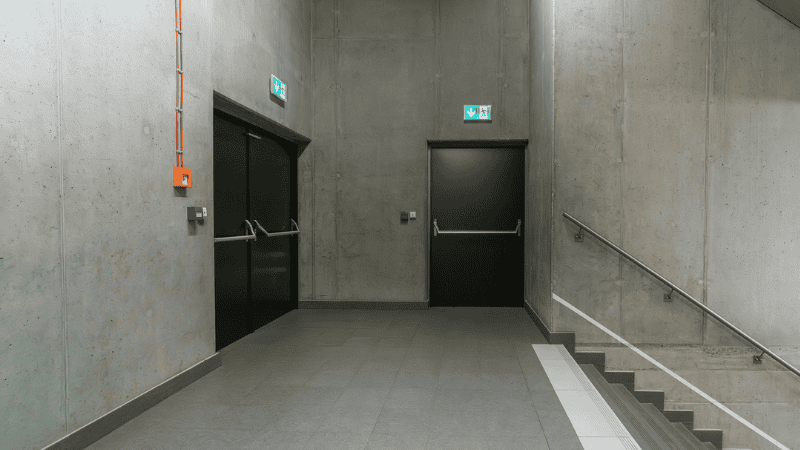
Emergency lighting is a substitute lighting system that is in use whenever the main source of power is interrupted, and thus maintains essential areas such as means of escape, stairs, and emergency exits illuminated in the event of power disruption or an emergency.
The main motive of emergency lighting is to guide individuals to safety when normal lighting is not available, thus contributing towards life safety and reducing the evacuation risks in instances of power failures or other crises.
In public spaces and workplaces, emergency lighting plays a vital role in rescuing lives and preventing confusion. It enables individuals to navigate through the building safely and proceed toward exits without hysteria.
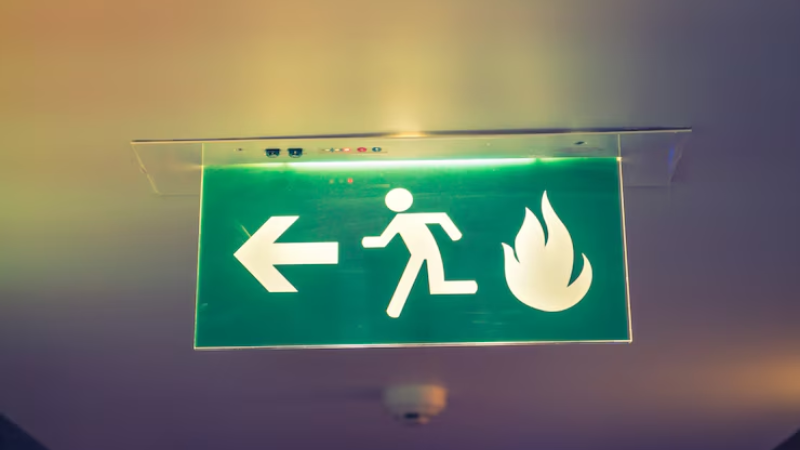
Emergency lighting systems are required to comply with various regulations and standards that ensure they operate during emergencies. The regulations include emergency light code installation, maintenance, and testing to ensure that emergency lighting systems operate during emergencies.
Regulatory Reform For Fire Safety Order 2005 (RRO) applies to non-domestic premises and necessitates the installation, IP rating, maintenance, and regular testing of emergency lighting.
The RRO must be satisfied that the emergency exits are properly illuminated to provide enough light for safe egress and to maintain the system.
The RRO applies to all kinds of premises, including offices, schools, hospitals, and entertainment venues, and it provides emergency lighting as part of the comprehensive fire safety plan.
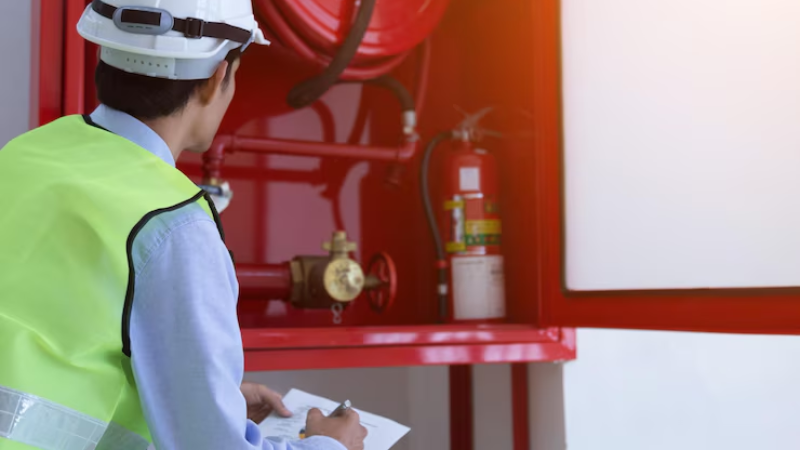
Fire Safety Approved Document B is a document that gives life safety codes for safety, including emergency lighting. It ensures that buildings are adequately installed with escape lighting in order to safely evacuate in case of emergencies such as fires or power failures.
Emergency lighting should be fitted in areas of great importance, such as escape routes and staircases, in order for the inhabitants to move safely.
Compliance with standards like BS 5266-1 (Emergency Lighting Code of Practice) and BS 5499-4 (Escape Route Signing) ensures that emergency lighting inverters are safe and uniform in illumination.
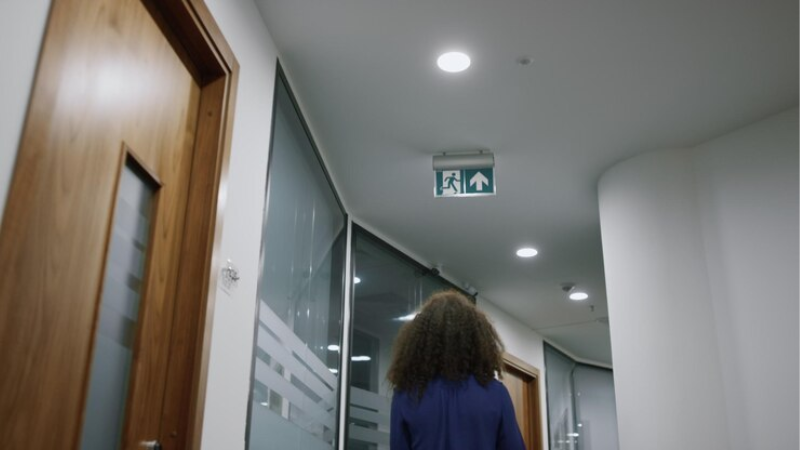
BS 5266-1 addresses the design, Color rendering index, installation, and maintenance of emergency lights. The standard stipulates the lux requirements in various places, such as means of escape (1 lux) and open spaces (0.5 lux).
It also stipulates the emergency lighting duration requirement in a way that emergency lighting shall be in operation for a duration of not less than three hours.
The standard dictates where lighting shall be installed, for instance, means of escape, stairs, and exits, and demands it to be inspected on a regular basis by means of monthly functional testing and yearly full-duration testing for the sole purpose of ensuring reliability during emergency operation.

BS 5499-4 prescribes the escape route signs’ location and position to be easily read and visible in diminished visibility. The regulation mandates legible-to-read emergency exit signs readable from appropriate distances.
It also mandates adherence to ISO7010, which has globally accepted safety symbols, so that the building occupants are given adequate time to identify escape routes and escape effectively.
Other standards, like BS EN 60598-2-22 for safety emergency lighting, have performance requirements for installed lights in case of emergencies.
Another very important standard, BS ISO 3864 1, covers safety colors, anti-glare properties, and symbols so that emergency lighting requirements and signs meet international safety standards.
These all help make the emergency lighting facilities functional, safe, and compliant with safety standards, as well as structural to save both the occupants and the building.
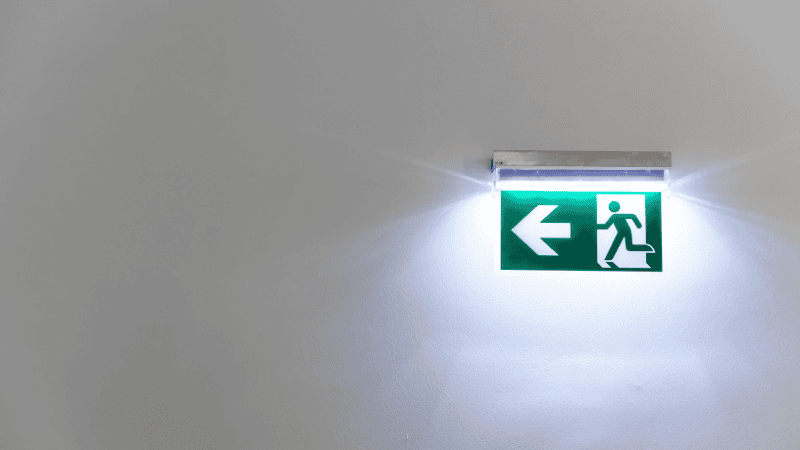
Emergency lighting fixtures are designed to provide light during a failure in the normal source of power to allow safe evacuation and continued operation in essential areas. There are various emergency lighting equipment and systems, each with application and operation.
Emergency lighting systems are divided according to their purpose. There are four different types of emergency lighting. They comprise escape lighting, standby lighting, and high-risk task lighting.
Escape Lighting is used to light escape routes and guide people to safety in the event of an emergency. Escape Lighting is usually applied to corridors, staircases, and exits.
Open space lighting is directed at the open spaces so that they can safely leave during low visibility. Lighting of means of escape is used to light the route to the exits.
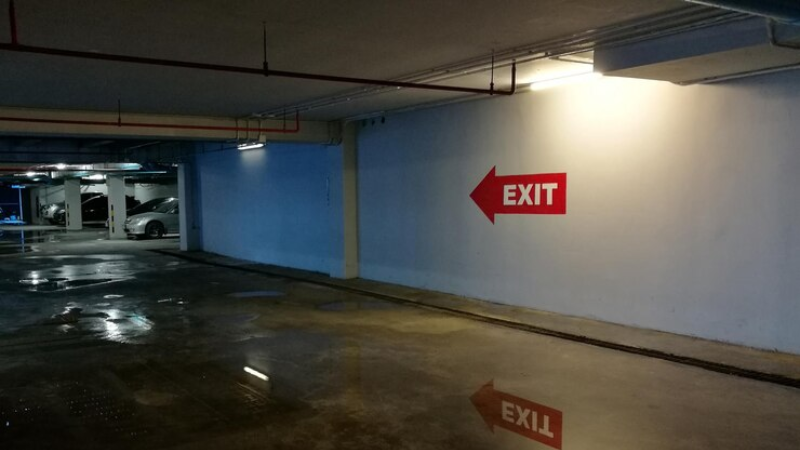
Standby Lighting is applied to provide necessary operations even in the event of power outages. Standby lighting in places like hospitals, police departments, or data centers keeps necessary areas, like operating rooms or control rooms, lit for necessary activities at all times.
High-Risk Task Lighting is specific lighting for high-risk locations, i.e., industrial or chemical plants, where some tasks can be hazardous without proper lighting. It enables employees to continue their work safely, even in case of a power failure, reducing accidents.
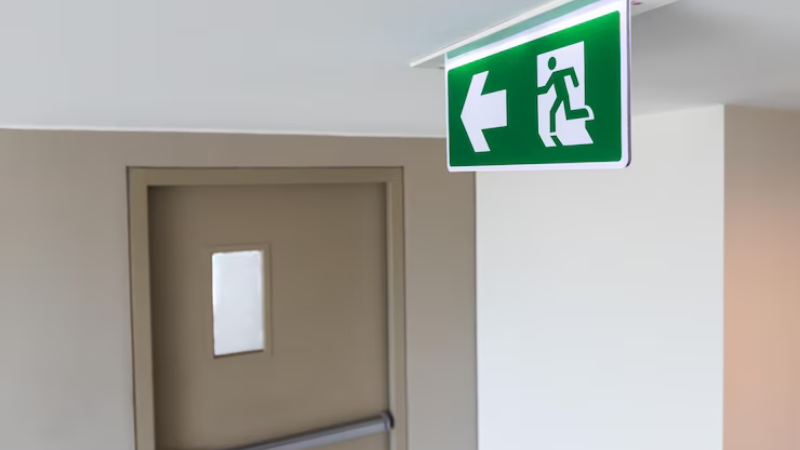
Emergency lighting systems may also be classified according to the mode of operation. They are self-contained emergency lighting and central battery systems.
It is powered by a battery within the lighting device itself. They are simple to install and repair because every unit is self-contained. They are generally used on smaller structures or spaces where centralized power would be impractical.
Central Battery Systems provide alternate emergency lights from a central battery. Central battery systems are typically installed in gigantic buildings or complexes where the maintenance of individual units is impossible.
Central systems would typically be more advantageous for large-scale installation since they allow easier maintenance and testing.
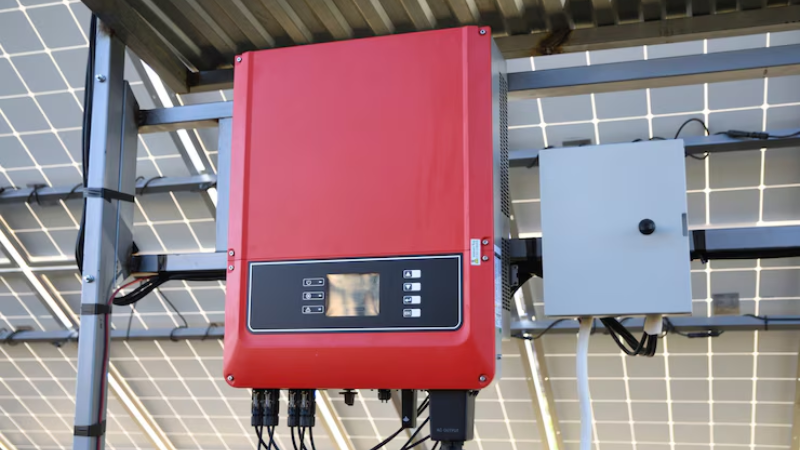
Emergency lighting systems vary based on usage and maintenance frequency:
Maintained Lighting is always on, provided the space is illuminated at all times, even during normal operation. Such lighting is typically installed in spaces where there needs to be constant visibility, like corridors or busy spaces.
Conversely, non-maintained lighting works only in the case of a power failure. Non-maintained lighting is usually installed in places that are not lit throughout the day and night, such as staircases and stores.
Non-maintained lighting will turn on automatically during a power failure to act as a source of light in case of an emergency.
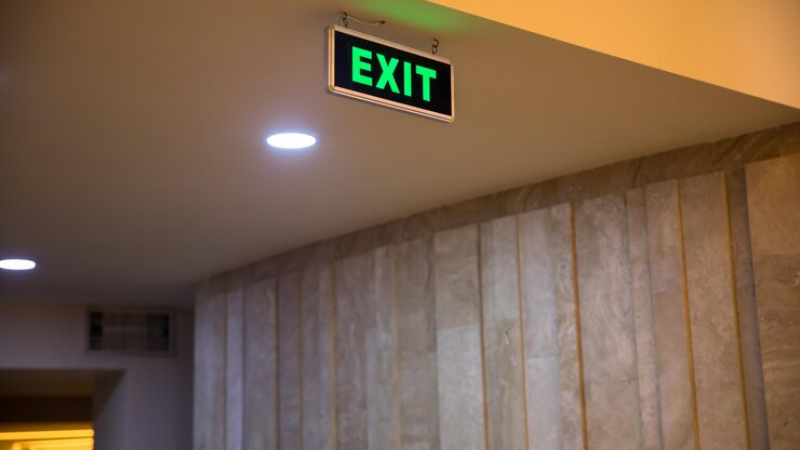
Proper planning and design are required to ensure the smooth operation of emergency lighting systems. System design should consider building layout, occupancy, and code.
A plan for an emergency lighting system starts out with an examination of what the lighting should be in terms of building type, and if it’s an office building, a hospital building, a school building, or another kind of residential or commercial building.
Emergency light installations are regulated by codes, like a minimum lux rating and installation at or near exit paths.
Every building has its own lighting requirements; a workplace has its own lighting requirements; hospitals need critical lighting, while commercial areas need a continuous supply of lighting.
Good design ensures that all the areas have sufficient illumination, such as stairs, corridors, and fire doors, so that people can evacuate the building safely in an emergency.
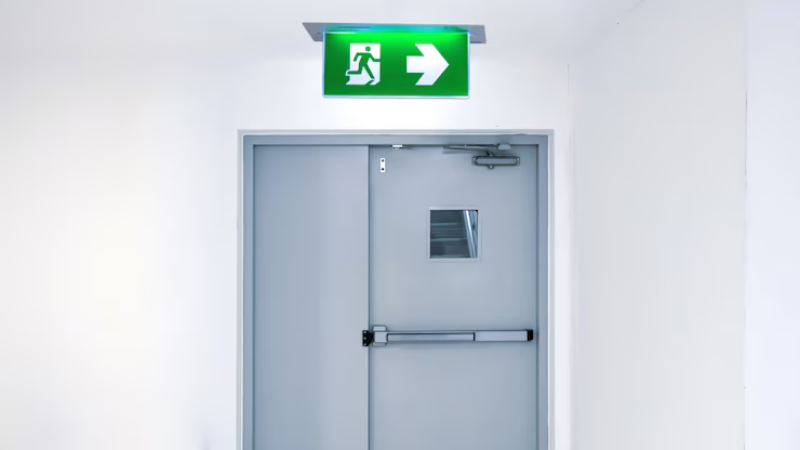
The need for emergency power equipment also varies with the building type. Public spaces such as malls, shops, airports, or cinema halls need flood lighting for outdoor space safety to accommodate large crowds of people.
Private residences may need lighting for specific areas such as stairs or corridors. Dangerous zones such as factories or laboratories need custom lighting solutions, such as explosion-proof lighting or task-based lighting, to ensure worker safety in the event of potentially dangerous situations.
Emergency lighting systems must also be tested routinely to confirm readiness for use at the time it is needed.
The routine test requirements under the regulation are generally addressed by BS 5266-1 and involve monthly operational testing and full-duration testing on an annual basis.
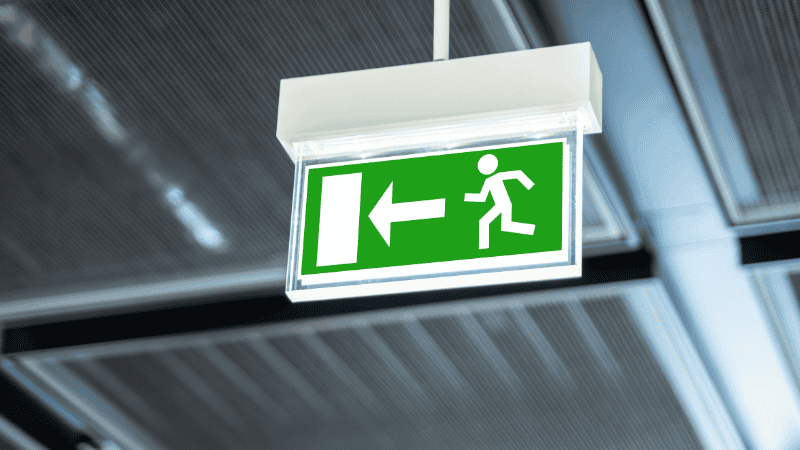
If emergency lighting works effectively, monthly functional tests must be present on systems to ensure they perform effectively.
The tests ensure the lights switch on and remain on for the required duration. It also checks which types of switches you are using for emergency lighting. There are 8 common types of switches that you can use.
Full-duration annual tests also need to be conducted to simulate a prolonged power cut and to ensure the system operates for the entire specified time, typically three hours.
Also, routine checks and maintenance need to be conducted to detect and correct any faults early so the system remains in working condition at all times.
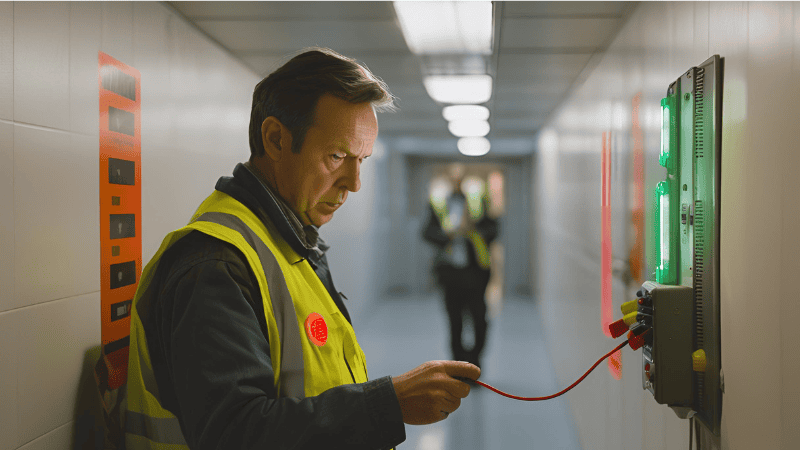
Self-test emergency lighting systems automatically to ensure they do not work incorrectly. Manual testing is being taken over by self-test systems, and these can provide peace of mind as well as automatically identify failing systems.
Self-test systems possess many benefits, ranging from boosting the confidence level of facility managers and building owners.
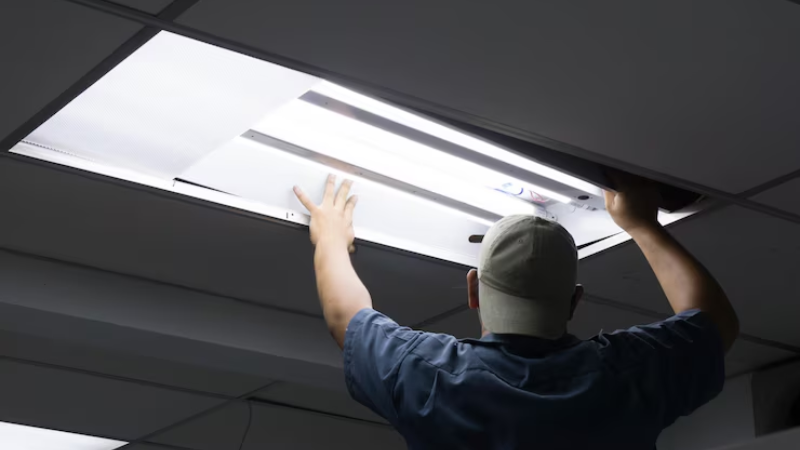
Self-test systems are of two types: self-test units and addressable test systems.
They are basic units that run internal diagnostics on each and every light automatically. They usually display their status through the use of LED indicators, whether the unit is functioning properly or needs attention.
These are higher-level. These systems connect every light to a master control board, which monitors the condition of all emergency lighting in the facility. This system is easier to work with, test, and maintain on large installations, providing more details about the status of each device.
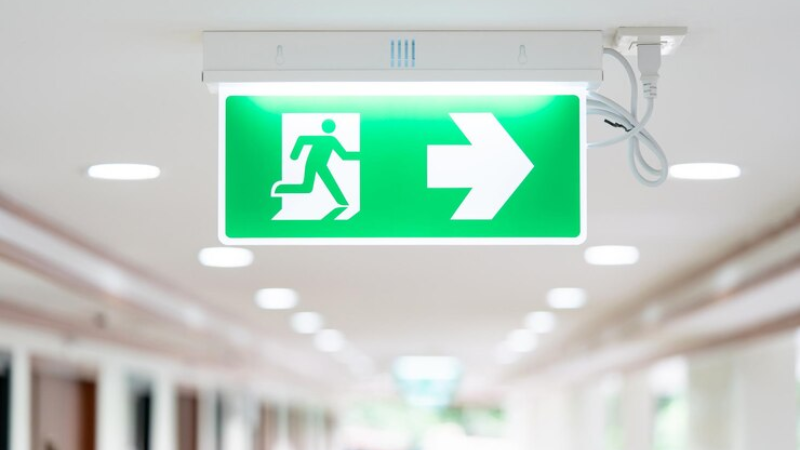
Regular maintenance and installation are needed to allow the continued functionality of emergency lighting systems.
In emergency lighting installation, install lights near exit signs, stairs, and corners in an unobstructed manner so that they are visible.
Wiring is also diverse in self-contained and central battery units; hence, proper standards should be employed. Proper installation by qualified individuals, along with regular visual inspection, is required to meet all regulatory requirements.
If your lights are continuously flickering, they are battery drained, have a bulb burnout, or have wiring malfunctions. If none of these is the real cause, then there are some other reasons why your light flickers.
Checks need to be done regularly, batteries replaced at intervals of 3-4 years, and the alignment reset. Any malfunction has to be addressed immediately with repair or replacement to guarantee system operation.
Emergency lighting is very important for the safety of occupants in power loss situations, helping individuals navigate through means of escape and areas of hazard as advised by the National Fire Protection Association.
Installation and testing on standard time frames, like self-test systems, add safety and efficiency and make the system operate when it is most needed.
We strive to provide innovative and high-end light solutions. At Risun Corp, we provide certified, high-performance emergency lighting systems designed for industrial and commercial environments.
Take advantage of a free consultation and learn how we can help you and maximize lighting solutions for your business. Contact us today for a free consultation and discover how to enhance your facility’s safety and efficiency.
Q1: What Cable Can Be Used for Emergency Lighting?
Emergency lighting systems need fire-resistant cables that can endure high temperature ranges and operate uninterruptedly during emergencies, particularly fires.
Q2: Should Emergency Lighting Remain On All the Time?
There are 2 kinds of emergency lighting: maintained (lit permanently) and non-maintained (operates in case of power failure). Maintained provides continuous light, while non-maintained operates on power failure.
Q3: How Do I Test Whether My Emergency Lighting Works?
Emergency lights tend to have an operational green LED indicator. Proper testing, i.e., regular functional testing at monthly intervals and annual full-duration testing, should be done to ensure the system is functioning as required.
Q4: Is Emergency Lighting Compliant in Small Offices?
Yes, there are emergency lighting standards for small offices if they are of complex design or for public use. This ensures the safety of all individuals in case of power supply interruption, as necessitated by BS 5266-1.
Q5: Where Should Emergency Lighting Be Installed?
Emergency lights should be installed in principal locations, such as exit doors, stairs, corridors, and high-hazard areas in hospitals, offices, and warehouses to facilitate evacuation safety.
Q6: What is the minimum lux level for emergency escape lighting?
As per BS 5266-1, escape routes require a minimum of 1 lux, while open areas need 0.5 lux to ensure safe evacuation visibility.
Metal Halide (MH) lamps fall under high-intensity discharge (HID) light technology. MH lamps find far-reaching applications in commercial and industrial lighting requirements requiring powerful, efficient, and long-duration illumination.
With organizations adopting newer technologies, it is essential to understand how MH lamps work and differ from new technologies such as LEDs.
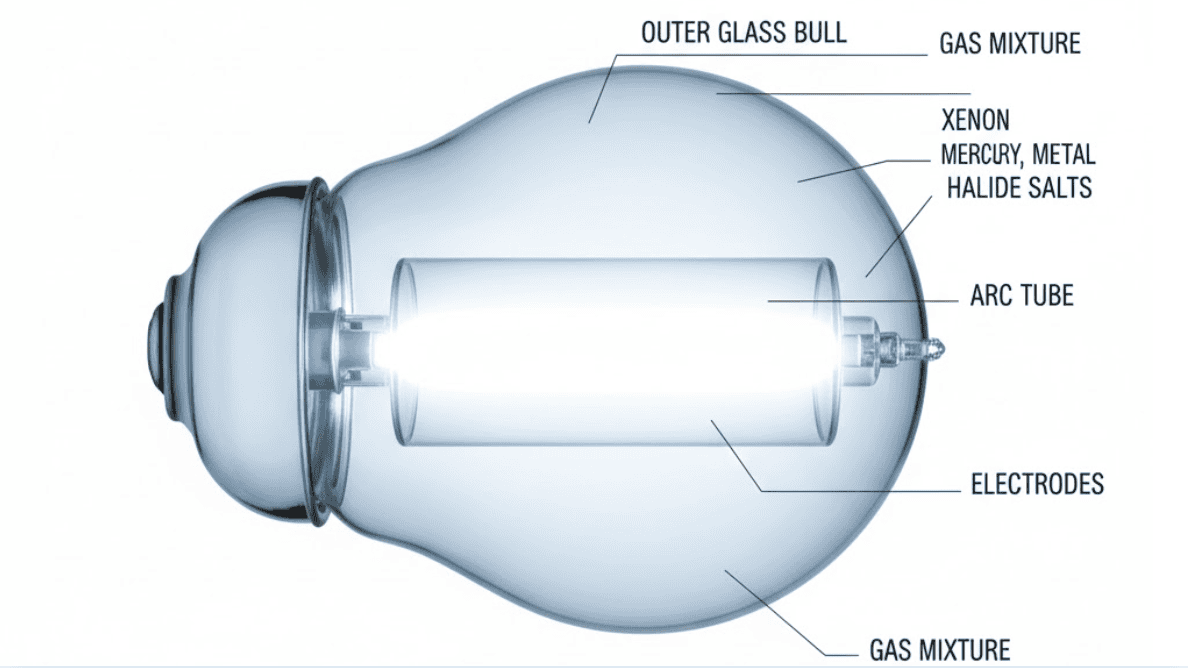
A Metal Halide lamp is an HID lamp, which utilizes a unique mixture of gases—xenon, a noble gas, metal halides, sodium, and mercury to create a highly intense white light. They are also called Mercury lamps. They come in different bulb sizes, shapes, types, and codes.
When energized, the electric current attacks the gas mixture within the lamp to create a highly intense, highly efficient, and concentrated beam. This makes MH lamps ideal for areas that need proper sight.
The essential elements of a Metal Halide (MH) lamp are assembled to produce white, energy-efficient light by combining special materials and techniques. Metal Halide components are:
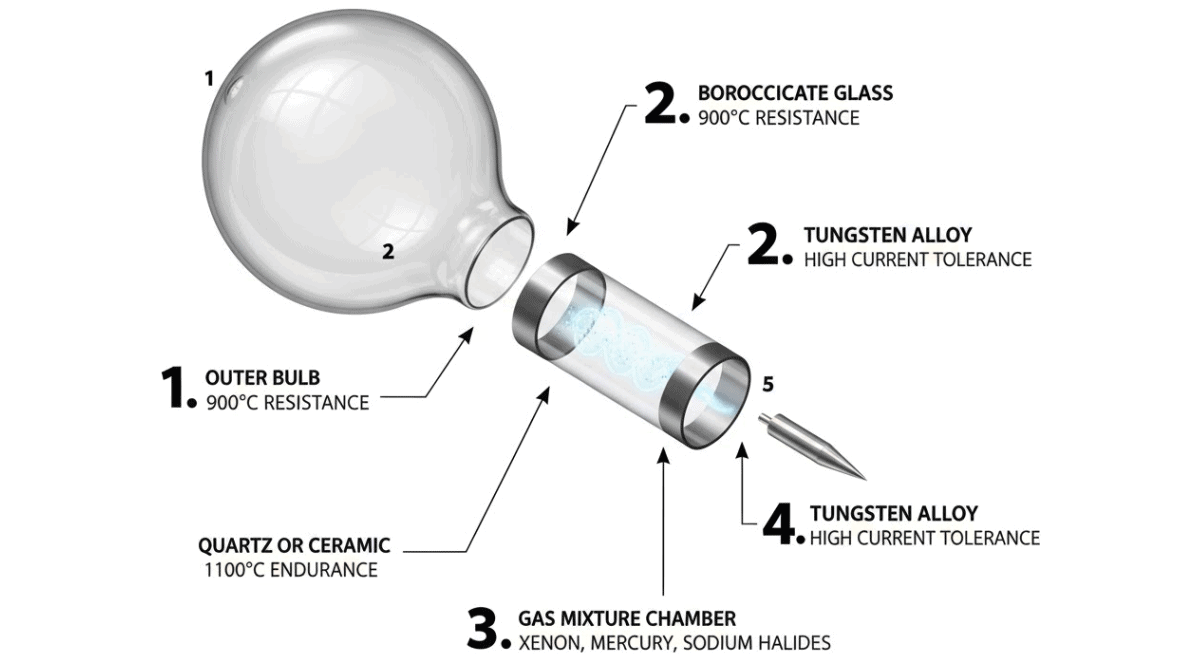
The outer bulb is generally borosilicate glass, which is thermally shock-resistant and also withstands high temperatures. The outer bulb acts as a protective envelope and filters out unwanted ultraviolet (UV) radiation.
The arc tube is within the outer bulb and holds metal halide salts and gases. It is typically ceramic or quartz, capable of supporting extremely high operating temperatures.
Two electrodes are placed on the two ends of the arc tube. When electricity flows through the electrodes, it creates an arc that vaporizes the gas mixture and releases light.
The ignition process starts when an electric current is allowed to flow through the electrodes. This causes the gas within to be heated up, vaporizing and combining with the metal halide compounds and emitting brilliant white light.
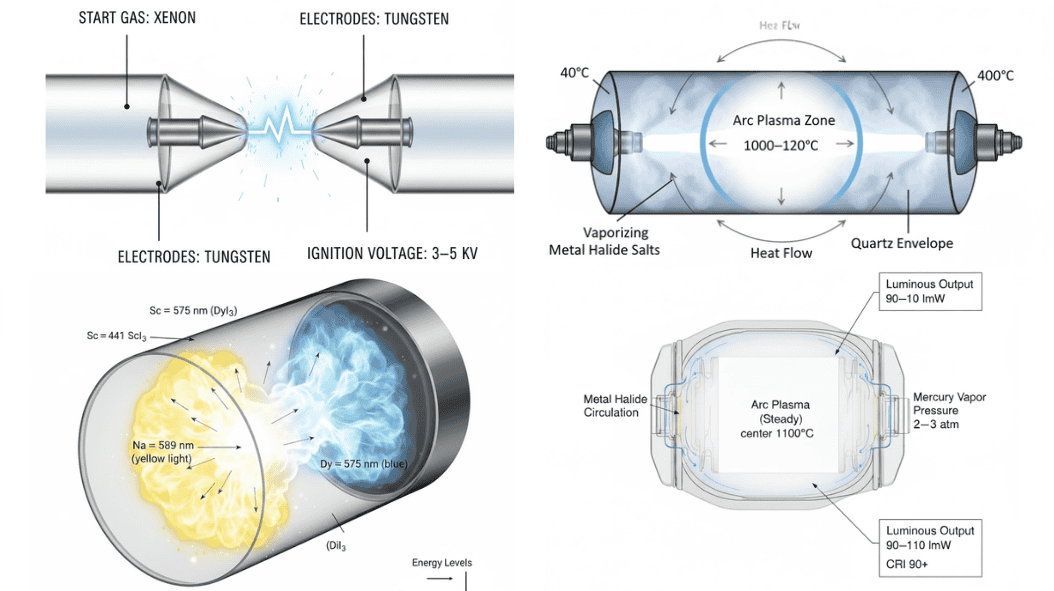
Compared to incandescent lamps, in which light is produced by the thermal energy of a filament, Metal Halide lamps generate light because of a chemical reaction in an arc tube that contains gas.
The instant the arc is struck, the arc tube warms up, and for a short while, metal halide salts are converted into plasma and emit a beam of high intensity.
This technology provides higher lumen output and color rendering index and is best suited to applications with high light intensity and visual acuteness.
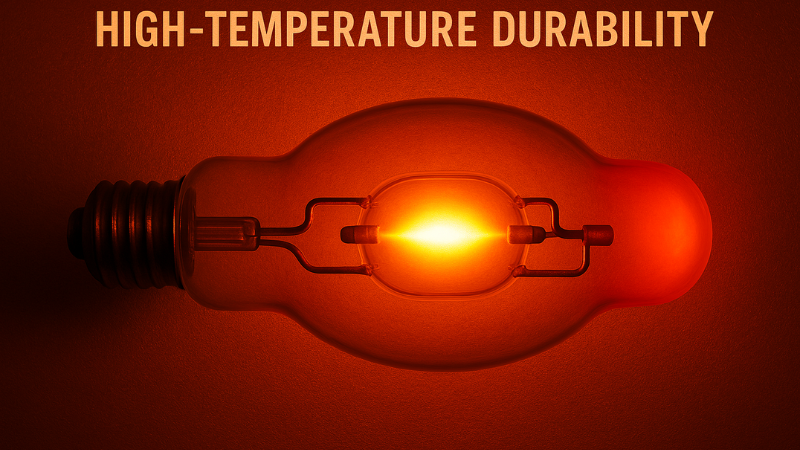
Metal Halide light lamp materials make them durable and efficient, with properties such as heat resistance, protection against UV radiation, and high-temperature endurance in secure and long-duration applications.
MH lamps operate at very high temperatures; therefore, the used materials must withstand extreme heat without breaking down. They have a good IP rating, which makes them weather-resistant, too.
The arc tube inside can be of ceramic or quartz material with thermal stress-sustaining ability, yet delivering good light output after very extended periods of time. The external bulb, typically borosilicate glass, offers shock, temperature fluctuation, and physical pressure resistance.
Because MH lamps release ultraviolet radiation, a UV-blocking coating on the outer layer of the bulb is incorporated into most models.
This prevents hazardous UV radiation from permeating through and harming surrounding material close to the lamp, thereby lessening health hazards, particularly indoors.
All parts are selected because they are heat-resistant for a prolonged period of time. What this implies is that the lamp is longer lasting and safer, even in industrial or open-place usage where longevity is an issue.
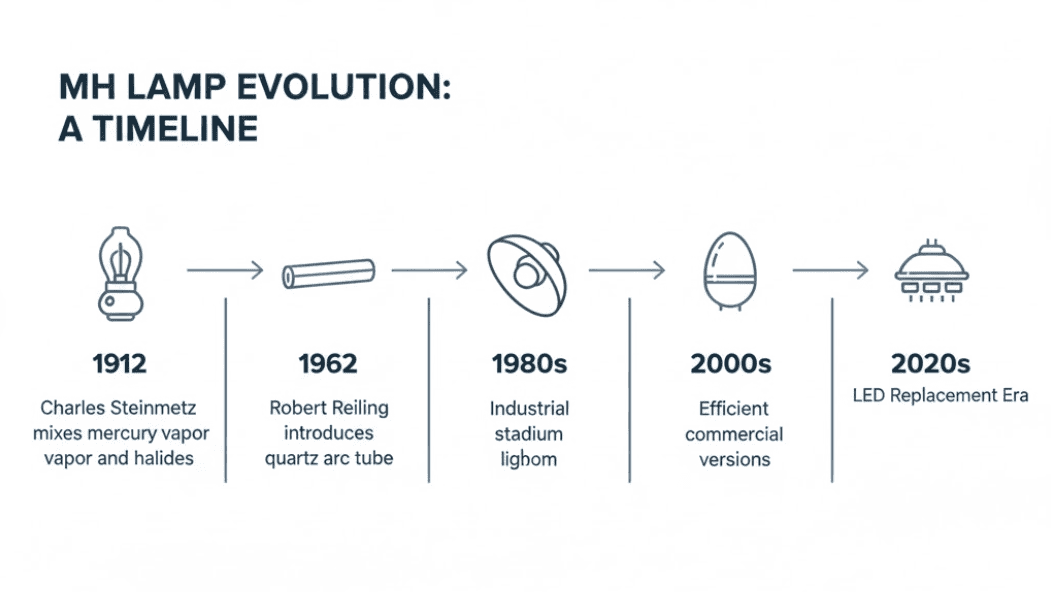
The history of Metal Halide lamps developed out of initial experimentation with a globally utilized method of lighting due to improvements in manufacturing processes and material technology.
Metal Halide lamps originated from early lighting experimentation where mercury vapor was mixed with halide salts. It was during the year 1912 that Charles P. Steinmetz found that brightness was improved with salts.
The turning point occurred in 1962 when Robert Reiling used a quartz arc tube, which removed durability issues and improved performance.
Initially expensive and used for particular purposes, MH lamps became cost-effective as manufacturing processes improved. In the 2000s, they were used widely along roads, sports stadiums, and business areas for efficiency and intense illumination.
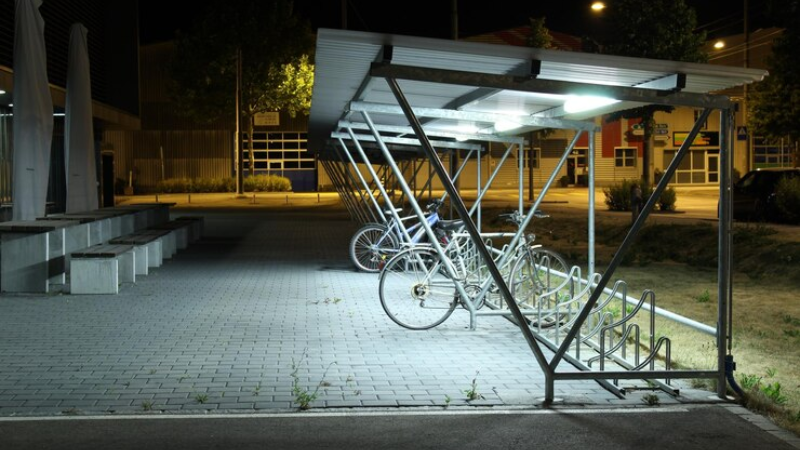
Metal halide lamps have a number of applications in various ways, including longevity, good emission of light, and higher energy efficiency.
MH lamps work both indoors and outdoors in harsh conditions. They are extensively applied in:
With a lifespan of 15,000–20,000 hours, MH lamps’ lives last many times longer than incandescent bulbs, minimizing maintenance and replacement expenses.
Regarded for brightness and color accuracy, MH lamps project white light and greater luminous flux, which proves optimal for operations that require detailed usage, such as sports fields and showrooms.
They also have a warm white light color temperature that is very close to natural white light. This type of color temperature provides very good visibility.
Energy efficiency is calculated through the lumens-to-watt ratio. Metal halide lamps return more lumens per watt of power compared to halogen or incandescent lighting, helping firms save power without sacrificing lighting.
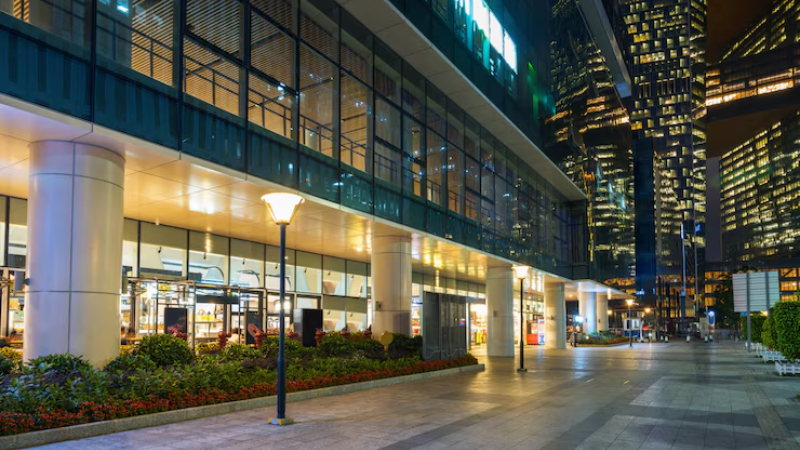
Metal Halide lamps are gas discharge lamps. Therefore, they have disadvantages, such as warm-up and cool-down periods, arc tube burnout, color shift, UV radiation, and infrared radiation/mercury hazard.
MH lamps require 1–15 minutes to come up to working intensity and also require 5–10 minutes for cool-down when turned off, interrupting activities.
The arc tube would also degrade and burst after a time interval due to a higher current flow rate, which would cause safety concerns and different performance.
Older MH lamps start to shift colors in rare cases, i.e., they turn yellow or pale in color, degrading image quality in important applications.
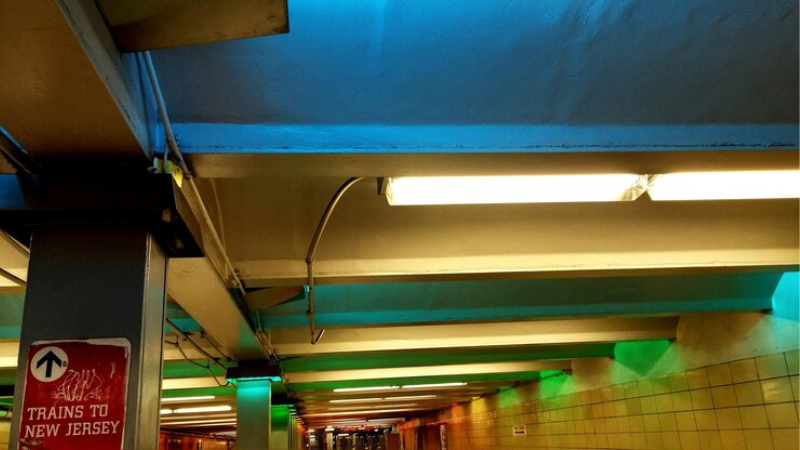
MH lamps are UV light sources and contain mercury. Both should be disposed of and stored correctly to prevent environmental and health hazards.
Alternatives to Metal Halide lamps are fluorescent, CFL, and LEDs, each of which has some advantages. Based on their use, each one provides various advantages.
Fluorescents and CFL lights are utilized as low-energy replacements in low- to mid-output applications. They are instant on and value for money.
They cannot be utilized for high or cold applications, though. They are meant for low space volume and, therefore, require a quantity equal to one solitary MH lamp output.
LEDs are replacing halogen, CFL, and fluorescent bulbs and are currently the highest energy-efficient replacement for MH lamps. Their advantages are:
So search LED vs Halogen vs CFL vs Metal halide before purchase. Though LEDs are more expensive to purchase initially, their long-term cost savings and return on investment provide strong incentives to companies that value efficiency and sustainability.
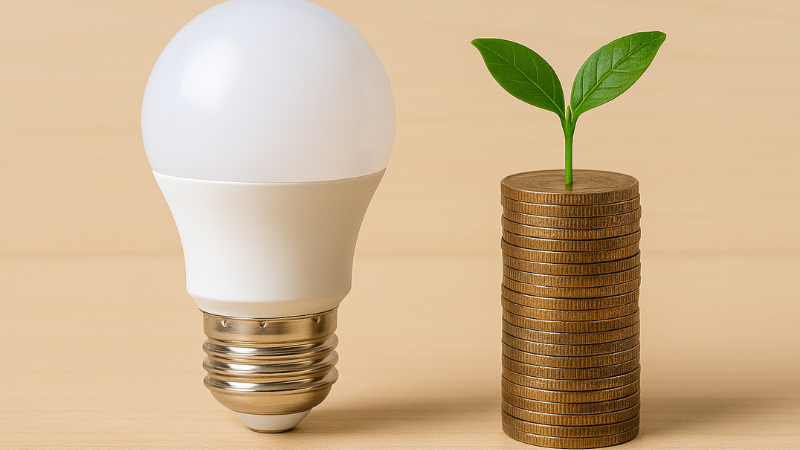
| Feature | Metal Halide Lamps (MH) | Fluorescent Lamps | CFL (Compact Fluorescent Lamps) | LED Lamps |
|---|---|---|---|---|
| Brightness | High | Medium | Medium | High |
| Energy Efficiency | Moderate | High | High | Very High |
| Lifespan | 15,000-20,000 hours | 7,000-15,000 hours | 10,000-15,000 hours | 25,000-50,000 hours |
| Warm-Up Time | 1-15 minutes | Instant | Instant | Instant |
| Cool-Down Time | 5-10 minutes | None | None | None |
| Color Quality | Good (High CRI) | Moderate | Moderate | Excellent (High CRI) |
| UV Emission | Yes | Yes | Yes | No |
| Mercury Content | Yes | Yes | Yes | No |
| Cost (Upfront) | High | Low | Low | High |
LEDs are well-suited for companies that desire to save on energy expenses, need excellent system efficiency, minimize maintenance, and exhibit a lower profile. They will perform in almost any setting, even those most traditionally lit by MH lamps.
When the installation cost is too prohibitive or excessive, light must be provided intermittently; MH lamps are still an option. So weigh down LED vs metal halide lamps before choosing your option.
Metal Halide lamps are still an excellent source of light for those applications that demand high-intensity light on a huge scale. Their high-intensity output, color rendition, and longevity make them appropriate for stadium lighting, road lighting, and in industry as well.
With years of commercial and industrial lighting history as a proven and reliable producer, Risuncorp offers products at the cutting edge of performance and reliability.
Learn about our product selection or get a custom consultation today and discover the ideal lighting for your business.
Fluorescent lighting fixtures are used in many offices, stores, and homes because they’re bright and cost-effective. Two common types are T8 and T12 LED tubes, but they are different.
This guide will explain the key differences between T8 and T12 bulbs. We will focus on comparing their energy efficiency, lifespan, and return on investment (ROI).
By the end, you’ll know which one is better for energy saving, lowering electricity bills, and creating better lighting upgrades for your space.
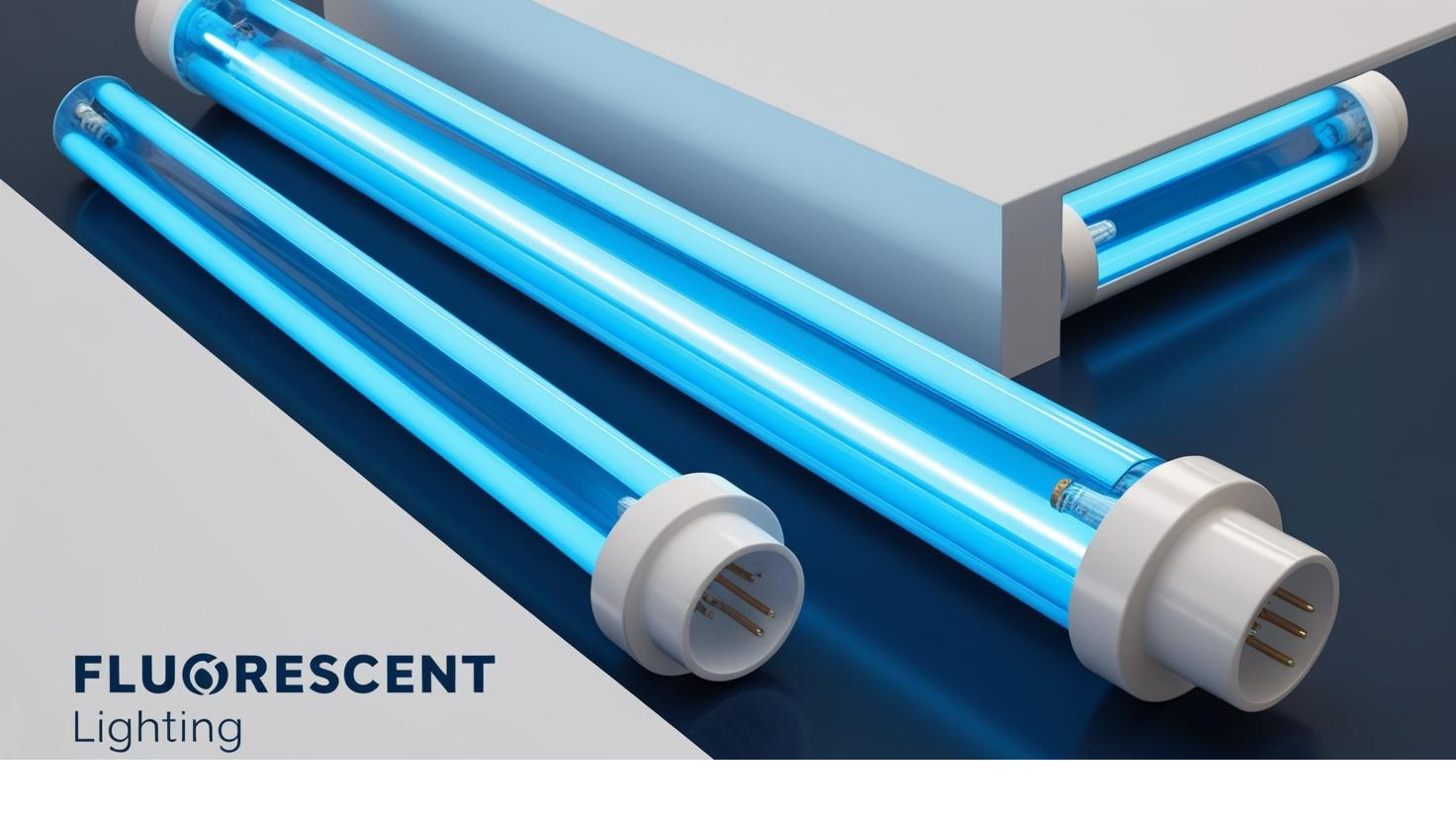
Fluorescent lighting is one of the most prevalent sources of light used in most homes, schools, and workplaces. It is different from traditional incandescent lamps and emits light through a unique process.
Fluorescent Fixtures use electricity to create a tiny arc within a glass tube filled with gas. The arc produces a non-visible ultraviolet(UV) light.
Inside the tube, there is a white powder called phosphor. During manufacturing, the UV light is converted into visible light that we can see after it hits the phosphor.
They consume less electricity, have longer lifetimes, and reduce energy bills—thus making them popular with businesses and homes for many years.
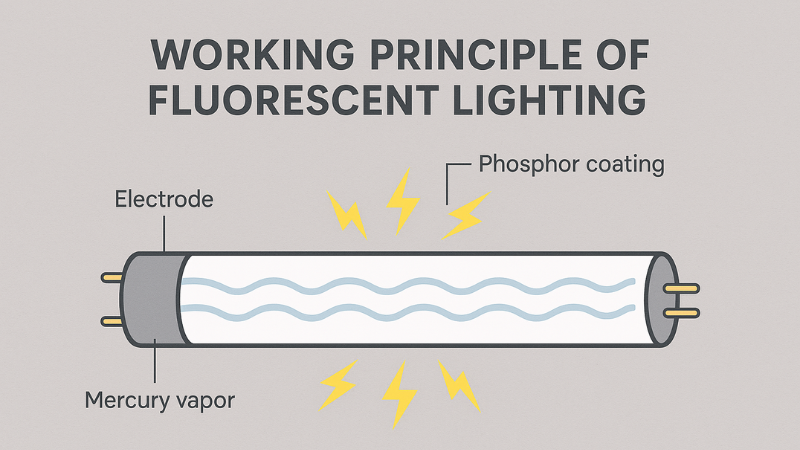
The main parts of a fluorescent lamp are:
T8 and T12 fluorescent bulbs also differ in size, energy efficiency, and longevity.
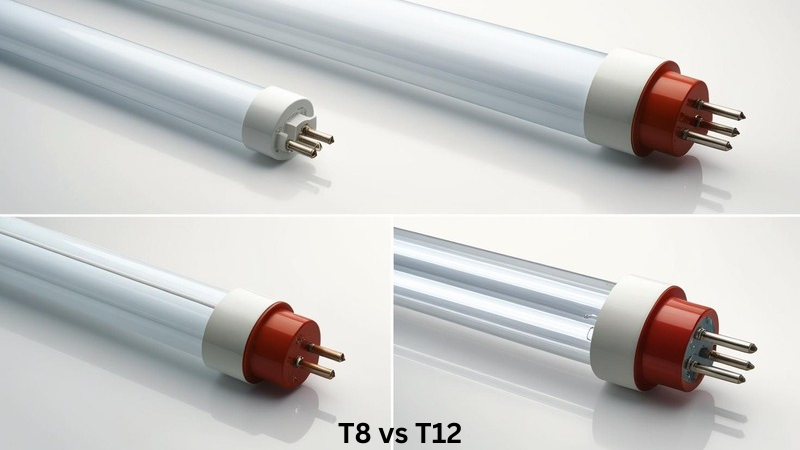
1. Size Differences (Diameter)
T8 bulbs have a diameter of 1 inch; hence, they are compact, lightweight, and lighter in weight than the heavy 1.5-inch diameter of T12.
2. Energy Consumption (W)
Regarding lumens to watts, these bulbs consume only 25-32 watts of energy, while T12 bulbs consume 34-40 watts or more energy. T8’s original design utilized more efficient Electronic Ballasts, providing greater light output (lumens per watt) compared to the T12’s less efficient Magnetic Ballasts.
3. Lifespan and Maintenance
T8 bulbs, however, last longer, lasting about 30,000 hours, while T12s have a shorter life, functioning for about 20,000 hours. T8 bulbs provide the same level of power but greater light output, which minimizes frequent replacements and long-term maintenance costs.
The efficiency is dependent on the size, type, shape, and code of the bulb. Among all other bulb types, T8 and T12s are the most popular because of their efficient design and working.
4. Ballast Technology
T12 bulbs rely on Magnetic Ballasts, which are known to be inefficient, produce humming noise, and can cause light flicker. T8 (and modern T8 LED) use Electronic Ballasts, which operate silently, start faster, and provide more stable, consistent light.
5. Industry Status and Phase-Out
T12 fluorescent lighting is now considered an outdated technology and is currently in the process of being phased out globally because it is being replaced by high-efficiency technology, namely T8 LED bulbs.
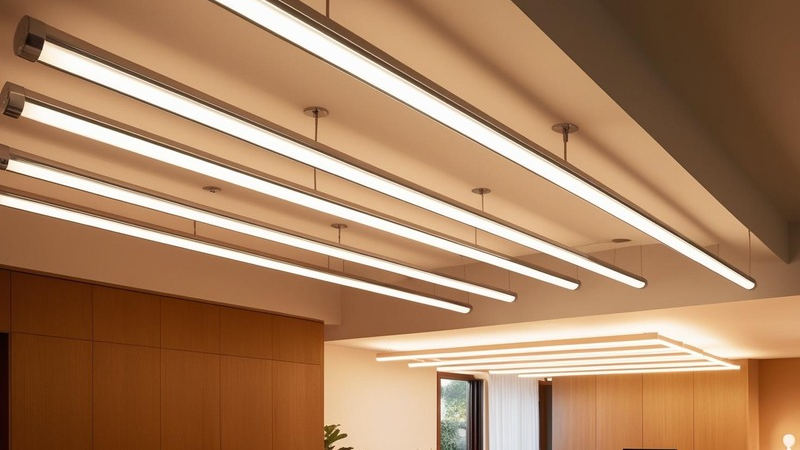
There are quite a number of reasons why T8 fluorescent lighting is still the most suitable choice for companies looking to push efficiency at minimal costs.
T8 fluorescent lights allow businesses to save a great deal of money by consuming less power. With their reduced wattage in comparison to the traditional bulb, T8s conserve power without sacrificing light quality, resulting in savings in the long run.
T8 bulbs offer perfect color lighting temperature and a higher Color Rendering Index (CRI). This improves workplaces to be more pleasant by offering improved and better lighting. Improved vision reduces eye fatigue, ensuring productivity and better color perception for goods in retail settings.
T8 bulbs are highly versatile and can be applied in any environment. They can be applied to offices, warehouses, business enterprises, and even retail, offering adequate and functional lighting for any business use.
T8 fluorescent lights are more eco-friendly than the previous lighting technology due to their improved efficiency and environmental benefits. They also contain lower levels of hazardous materials.
Their efficiency directly leads to less carbon emissions, which makes them a greener alternative for businesses that have to minimize their carbon footprint.
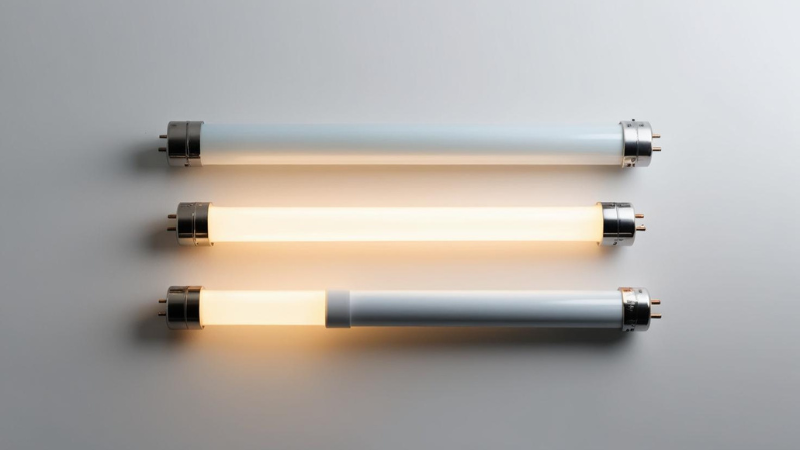
Several decades passed, and T12 fluorescent lighting was used everywhere, but it is currently in the process of being phased out because it is being replaced by high-efficiency technology in much of its application, with T8 bulbs as such an option.
One of the biggest advantages of T12 bulbs is that they are cheaper to buy. It is an economical option for businesses, especially in older structures where it might not be possible to install new lighting systems.
Although they cost less to purchase, T12 bulbs are less efficient when it comes to energy since they end up spending more on electricity bills in the long run.
T12 bulbs have magnetic ballasts and are less efficient compared to electronic ballasts utilized by T8 bulbs. Inefficiency translates to higher operating costs.
T12 fluorescent lighting is still seen in some of the older offices, warehouses, and other structures that have not yet upgraded to newer light technology.
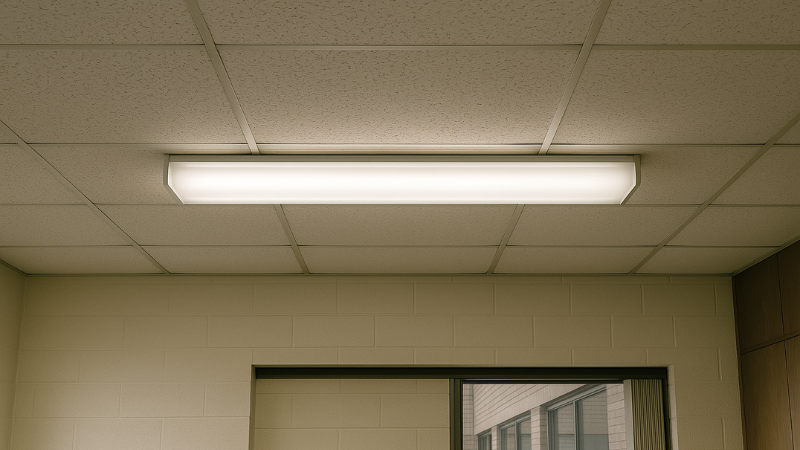
T12 bulbs produce light through gas discharge and use more energy than newer lighting, and the money it saves goes right back into the utilities. After a while, the cost of running the T12s can be equal to or greater than what was saved in the first place, and that makes them less cost-effective in the long run.
This is just one of the primary reasons why businesses are leaving the older T12 varieties behind and adopting their more efficient relatives, like T8s and LED lighting.
In terms of energy efficiency, where T8 is compared with T12 bulbs, T8 is the more expensive one. T8 bulbs consume 25-32 watts, while T12 bulbs consume 34-40 watts; hence, T8s consume less power.
In the long term, businesses can cut a significant amount of money from their electricity bill by choosing T8.
For instance, if a business utilizes 100 T12 bulbs for 10 hours daily, the lighting provided by using T8 bulbs can cut costs up to $1,500 annually, depending on the cost of electricity in the area.
In addition to saving dollars and decreasing energy expenses, T8 bulbs also help the earth by diminishing carbon emissions.
Using less electricity decreases the carbon footprint of a company, which is good for the earth and the bottom line.
Rebates and incentives are offered by most utility companies to businesses transitioning to energy-efficient lighting, adding to savings.
With respect to long-term cost, the lifetime of T8 and T12 bulbs is an important factor. T8 bulbs last about 30,000 hours, while T12 bulbs last about 20,000 hours.
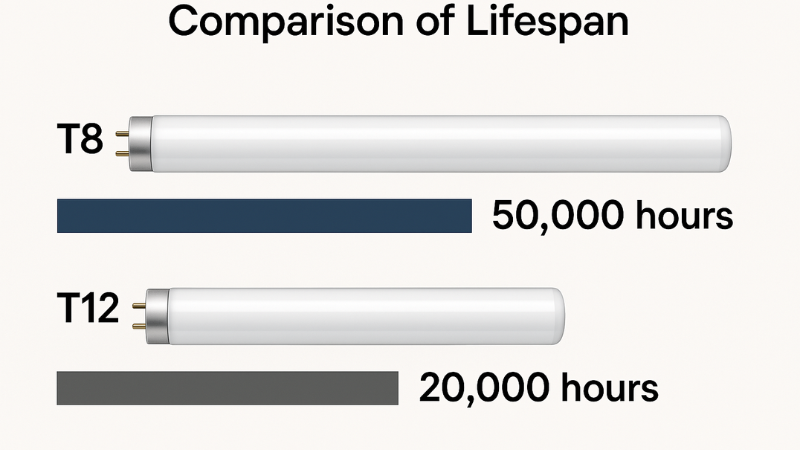
This means there are fewer T8 bulb replacements, so companies spend less on labor and maintenance in the long term.
Although T8 bulbs are comparatively more costly in terms of initial investment, the conservation of the cost of energy in the long run and being replaced less frequently means that they will be more economical in the long run.
Finally, the ownership cost of T8 lighting retrofits is reduced, i.e., there is a return on investment for companies.
T8 lamps produce whiter and smoother light, which provides more lumens per watt. They are, therefore, appropriate in areas where visibility is greater, i.e., offices, shopping centers, and health clinics.
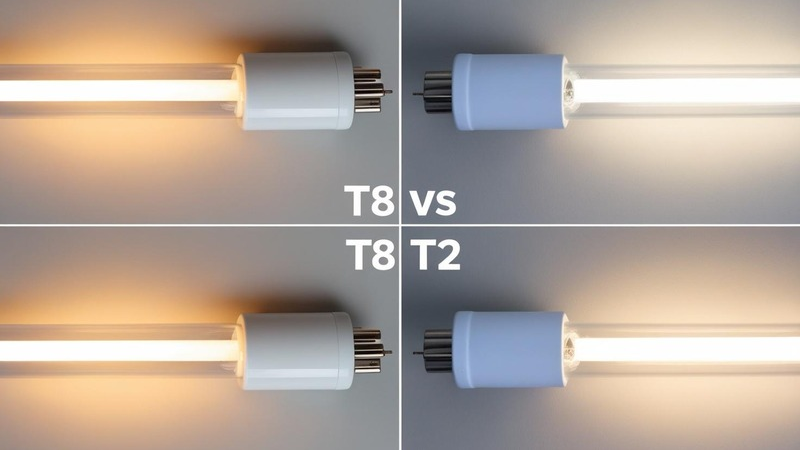
T8 bulbs also possess a better color rendering index, and it is equally vital for application in activities such as proper perceiving of color.
T12 bulbs, on the other hand, emit lower amounts of light and are inappropriate in situations of intense exposure or open appearance.
For very busy business districts, T8 is the better choice because it offers more color value and brightness.
T12 lamps are still utilized for small or less noticeable spots, but for most businesses, the change to T8 would be the more convenient and better choice.
| Feature | T8 Lamp | T12 Lamp |
|---|---|---|
| Diameter | 1 inch | 1.5 inches |
| Efficiency | Higher (more lumens/watt) | Lower |
| Energy Use | Less power (e.g., 32W) | More power (e.g., 40W) |
| Lifespan | Longer | Shorter |
| Light Output | Brighter and consistent | Dims over time |
| Ballast Type | Electronic preferred | Magnetic (older tech) |
| Availability | Common in modern settings | Phasing out |
| Cost | Slightly higher upfront | Cheaper initially |
Choosing T8 or T12 fluorescent lighting depends on different factors that will influence both your short-term costs and long-term expenses.
T8 is the choice for businesses that seek to conserve energy. T8 bulbs consume less power than T12 bulbs, which means lower electricity bills. If your goal is to conserve on energy costs, the best option is to opt for T8.
Another good option is to convert fluorescent into LED. The conversion of fluorescent to LED requires time and cost. So make sure to weigh up your options for a better investment.
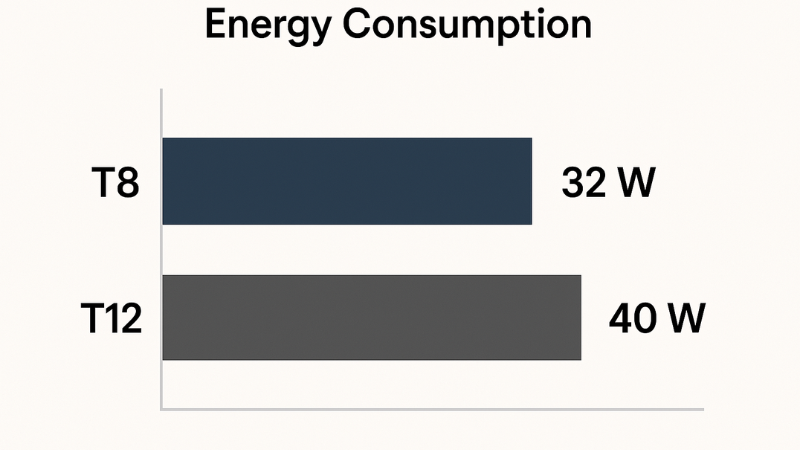
Even as the cost of installing T8 may be partnered with the added cost of LED retrofitting and new LED bulb installation, these costs are most often overcome by the investment in energy-saving return in the form of future bill savings.
T8 LED bulbs are more energy efficient than fluorescent fixtures, but they require more upgrade costs. So make sure to weigh down T8 LED vs fluorescent before upgrading.
For bigger spaces where more light output is needed, like offices or warehouses, T8 is the best. T8 bulbs give off brighter, steadier light, which is suitable for spaces where visibility is highly critical.
For smaller or less important spaces, T12 may still be enough, but T8 is always the more efficient of the two in most situations.
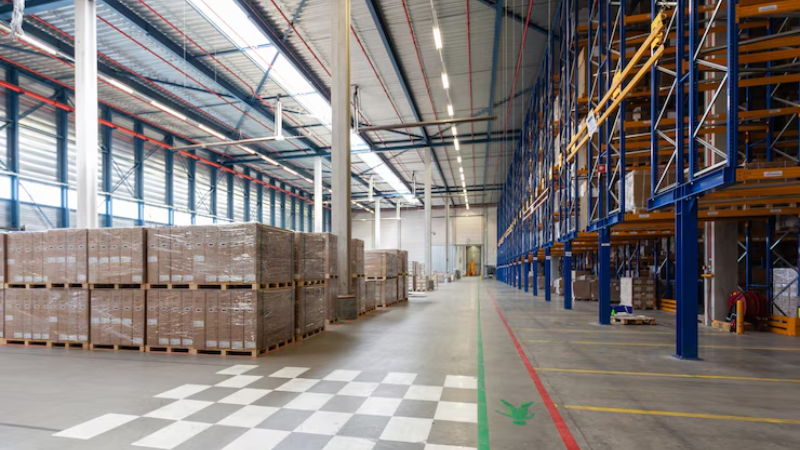
When deciding between T8 and T12, weigh the individual needs of your business.
T8 is most suited for commercial downtown areas, offices, shopping floor levels, and warehouses with enough lighting needed to see by and be energy-efficient due to their higher photometric performance.
T12 LED bulbs are still available in some older buildings or situations where a replacement isn’t really called for due to the lower upfront cost.
Nevertheless, in most contemporary business environments, T8 is preferable.
It is best for most companies to upgrade from T12 fluorescent lighting to T8, even though it will cost more upfront. Here’s how to see if the switch is worth it.
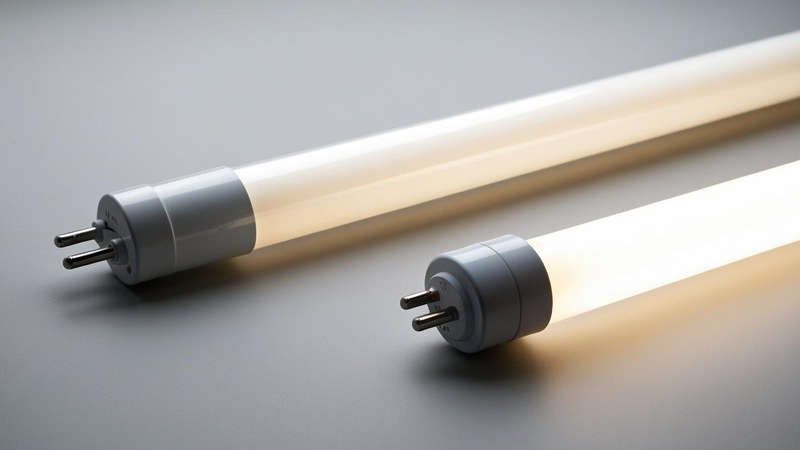
Even though it costs to switch to T8, especially considering voltage differences, it is worth it big time in the long term.
T8 light bulbs use less energy and last longer, so your electricity bill and maintenance will be minimal in the future. The returns on these ends typically pay for the conversion in a matter of a few years.
To calculate the return on investment (ROI) of replacing with T8, think about the following example:
Swapping 100 T12 lamps for T8 lamps in an office working 10 hours per day, energy bill savings alone can amount to $1,500 yearly.
With consideration of the initial investment of replacement, you can earn back 2-3 years from the money.
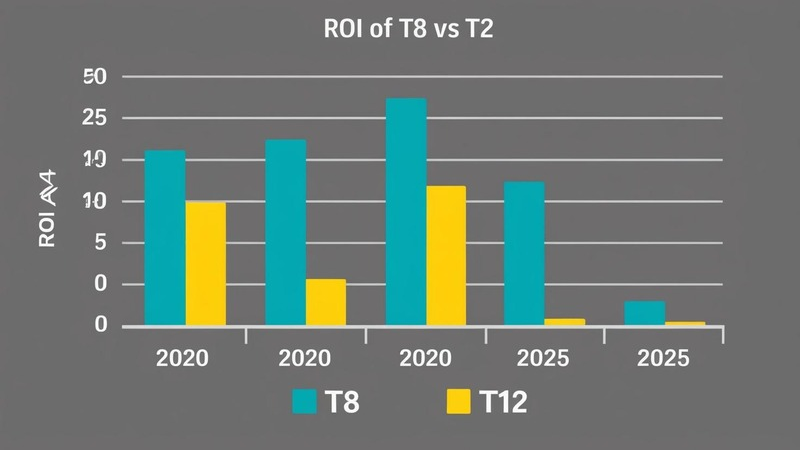
The use of more efficient T8 lighting also has environmental benefits. Using less energy, T8 bulbs lower the carbon footprint of your company, aligning your company with sustainability levels and benefiting the environment.
In most regions, utility companies provide rebates or incentives to companies that change to more energy-efficient lighting, such as T8. Some tax incentives can also be obtained, making the transition even more economical.
Make sure to contact local utility companies and government programs to determine what financial incentives are available to your company.
T8 is preferable for companies that require long-term savings, higher-quality lighting, and a specific color temperature that enhances visibility.
Nevertheless, T12 can still work well in smaller, low-priority locations where the upfront cost is of primary concern.
At Risuncorp, we are experts in delivering cutting-edge lighting solutions that enable businesses to save in the long term and improve performance.
Want to revolutionize your lighting system? Contact us today for a free, customized ROI analysis for your lighting upgrade, or browse our product catalog to select a perfect lighting solution for your business requirements.
Ready to get started ?
Send Your Inquiry

Our team will get back to you promptly

please
download
Get notified about new products
Our team will get back to you promptly!