Want to reduce eye strain and stay focused for hours of work or study? In this article, you’ll learn how the ideal lighting arrangement can boost eye ease, mental concentration, and long-term performance.
From color temperature to brightness levels, we’ll break it down so you can easily see what matters most.
Proper lighting is the do-or-die factor in your ability to stay focused, productive, and comfortable while learning, reading, or working.
Wrong lighting conditions will lead to eye strain, headaches, mental tiredness, and even affect sleep cycles being affected.
Light not only illuminates your workspace—it actually directly affects how your brain and internal clock function within your body.
Science learns more about how LED energy-saving light bulbs are quickly becoming a standard fixture in homes, schools, and businesses.
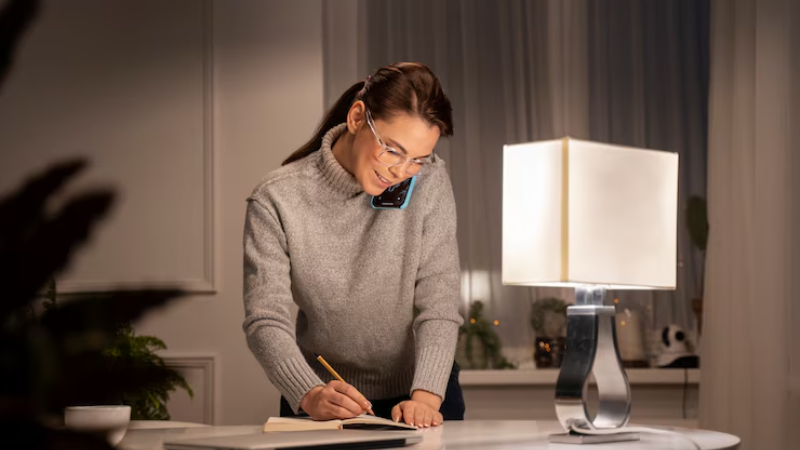
Proper lighting is all about selecting the right color light bulbs, size, type, shape, and code. Together, all of these create a perfect lighting fixture.
Choosing the correct color temperature of light is essential when it comes to how your brain processes what’s around it. Blue-dominant, cool light (approx 5000K–6500K) induces alertness and improves focus and cognitive sharpness.
And if you want to select a warm white light for your place, then it’s the best fit for relaxation. Warm light (2700K–3000K) induces comfort, soothing the brain—especially for the night. Natural light is still the standard when it comes to retaining peak focus and keeping circadian rhythm timing.

Excessive blue light, however—especially in the evening—will suppress melatonin release, distorting your sleep cycle. That is why light control plays a role in obtaining that balance between productivity and health.
Selecting the best LED light color temperature for an hour of the day, especially the color for reading, can increase concentration, be healthy for the eyes, and give improved quality sleep cycles.
Use cool yellow and white light (5000K–6500K) during the daytime when reading, studying, or working. It is closest to natural daylight and has the effect of sharpening mental acuity and alertness.
Expose yourself to moderate blue light exposure for increased alertness and cognitive function, as well as performance through a digital display screen, but limit it close to sunset.
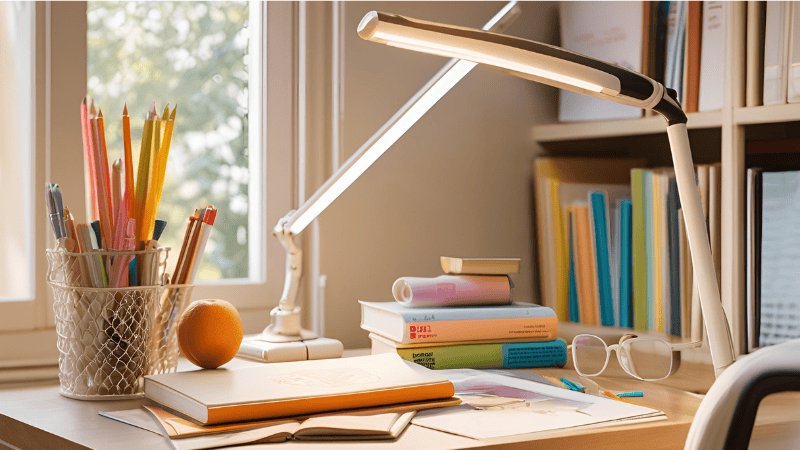
It is made to restrict blue light emission during the night to prepare your body for sleep. Amber or red light must be used for late-night reading since it will not inhibit melatonin.
Blue light-blocking bulbs or blue light filter glasses can also reduce sleep disruption.
The best LED light color and correct LED light bulb size can be the difference between productivity and comfort, whether it’s a business office environment or homework.
LED light for concentrated work minimizes eye strain and also makes long concentration periods easier to handle.
A quality LED desk light is an essential component of any serious workspace.
Desk lamps such as the BenQ e-Reading Desk Lamp enable you to adjust their color temperature and brightness to enable you to tailor your lighting to your preferred use.
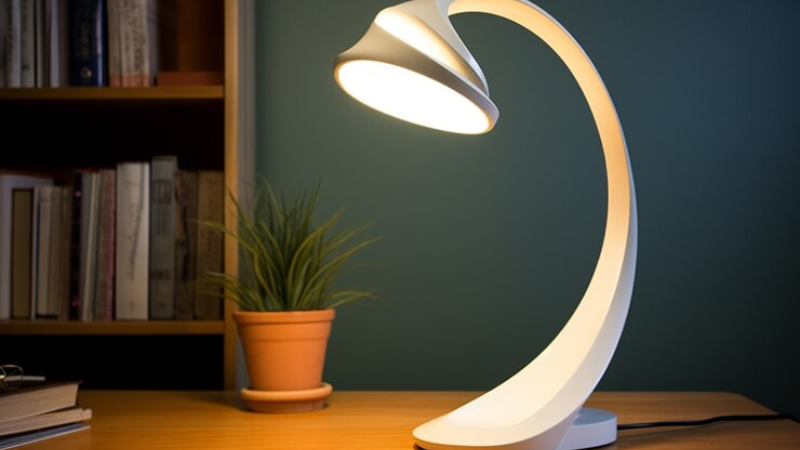
Between reading and writing, and just computing, having the ability to toggle between warm and cool color temperatures minimizes eye strain and improves perception.
Studies show that the color temperature affects the minds and creativity of students. So, optimizing the classroom lights or desk lights affects student psychology.
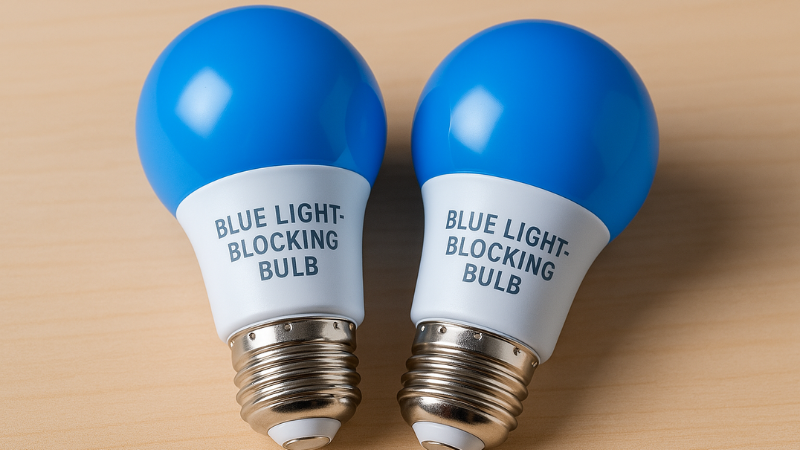
For healthy vision—particularly when working on the screen—prefer blue, cold, light-blocking LED light bulbs. These are especially convenient when working late at night since they block the blue wavelengths that disrupt melatonin production and disrupt sleep quality.
These are ideal for digital learners and professionals who must work late at night, especially during study sessions.
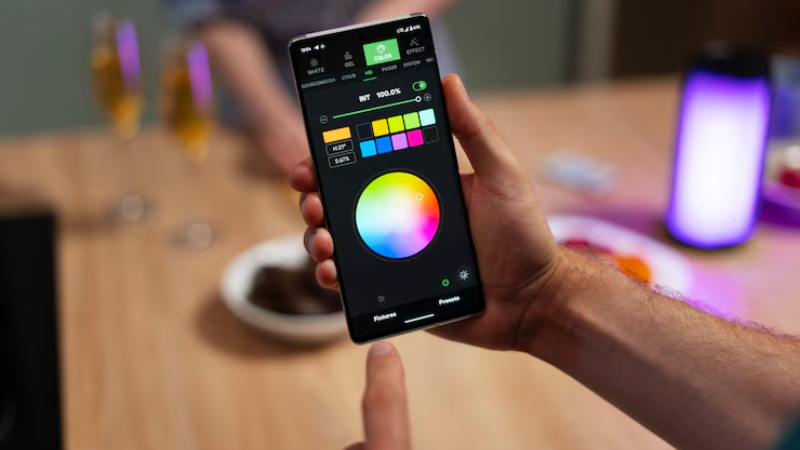
Smart bulbs like Philips Hue, Risuncorp, or LIFX Smart Bulbs make it easy to adjust brightness, light intensity, and color temperature with an app or voice. These must be employed in the workplace and learning environments where adjustable light throughout the day is needed.
Automation can be scheduled or employ activities like brainstorming, writing, or video conferencing through presets.
Task lighting is directed at one spot in an effort to be the most intense and reduce eye fatigue because it positions light exactly where it’s needed. They are best if chosen for workplace or office lighting.
As a stationary under-shelf or as a freestanding machine, task lighting is especially convenient when utilized to read papers, draw, or do accurate work.
Make sure to look for lamps whose arms or beams are adjustable to provide maximum comfort and precision.
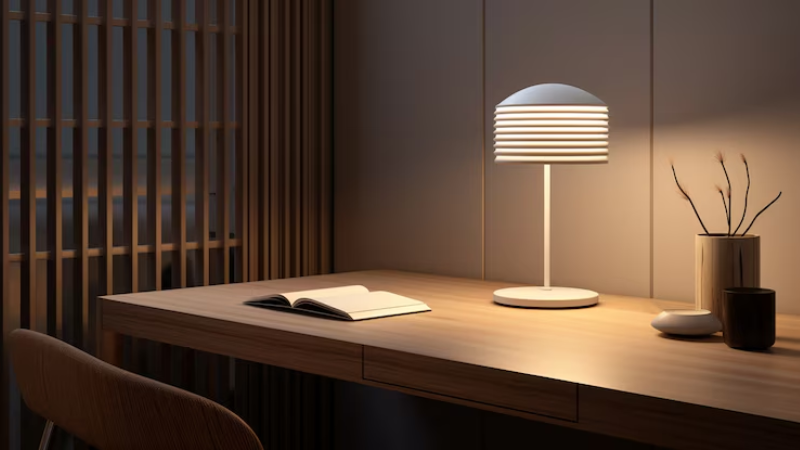
Having the proper lighting arrangement isn’t a matter of eyesight—it’s a matter of long-term vision and health.
Inadequate illumination—either too bright or too dark—induces the eyes to strain and work harder. It produces side effects of headache, watering, dry eye, and inability to see clearly.
Brightness control and the application of uniformly illuminated LED lighting prevent such occurrences.
Blue light emitted by computer monitors, especially for longer durations, results in digital eye strain. Blue light also affects sleep patterns in the long run.
The use of blue light-blocking glasses or yellow lamps in the work environment decreases glare and enhances comfort in the eyes, particularly during prolonged screen viewing times.

Invest in good lighting to reduce risks for chronic conditions such as dry eyes and blurred vision. Daylight-like color or color adjustment to your activity level can enable eye health and overall comfort in everyday functioning.
Color temperature, in terms of Kelvin (K), impacts the extent to which the light is “warm” or “cool” and has a physical effect on mood and productivity.
Lower Kelvin values (2700K-3000K) give a warm, yellowish light. Higher values (5000K-6500K) give a cooler, bluish-white light. It’s not only an appearance difference; it also has a functional effect on the use of a space.
| Color Temperature | Light Color | Effect on Eyes | Best For |
|---|---|---|---|
| 2700K – 3000K | Warm White | Relaxing, soft on the eyes | Reading before bed |
| 3500K – 4100K | Neutral White | Balanced, low eye strain | General studying |
| 5000K – 6500K | Cool White / Daylight | Bright, boosts focus | Tasks needing alertness |
Every space has its own specific light needs, and LED now has diverse varieties to cover them all.
Select LED ceiling fixtures and lamps that are both energy-efficient and smart. Models like the BenQ e-Reading Lamp or Philips Hue can be programmed to dim at the same time each day, reducing glare and boosting productivity during homework sessions.

Companies appreciate adaptable illumination that saves overhead and promotes well-being among workers. Comfortable, cool temperatures and even lighting improve task performance and focus.
The use of blue light reduction technology and smart automation in typical offices or training facilities achieves maximum comfort and productivity. Companies should pay attention to different types of commercial lighting fixtures to create a mix of comfort and style in their spaces.

Present LED lighting is typically fitted with smart controls to switch between cool white light for intense work and warm light for breaks or nights. Such adaptive light solutions accommodate shifting patterns of work as well as different habits of use and are best suited for multi-purpose spaces.
You are investing not only in work productivity every time you install the right LED lighting solutions in your office or study room, but also in long-term well-being.
While digital technology is opening doors to work and education, yellow light and screen-related eye health issues are increasing. Smart lighting solutions can avoid eye strain and promote visual comfort to a great extent.
Prolonged screen usage radiates blue light, which is responsible for digital eye strain and sleep disturbance.
Blue light filtering glasses, screen filters, or low-blue-emission LED lamps can alleviate aches, particularly when utilized during nighttime. They are treatments that guarantee melatonin is maintained and enhance healthy sleep cycles.

One of the easiest and most beneficial routines is the 20-20-20 rule: 20 minutes away from something, 20 feet for a minimum of 20 seconds. It leaves room for blinking, prevents dry eyes, and relaxes the eye muscles, avoiding fatigue after long close-up screen use.
Correct lighting positioning reduces screen glare and reflections. Position desk lamps 30 degrees away from perpendicular, and don’t use overhead lighting that reflects off monitors.
Use dimmable LED lights so that brightness can be adjusted according to the room’s ambient lighting, and use cooler colors during the day and warmer colors at night to reduce eye strain.
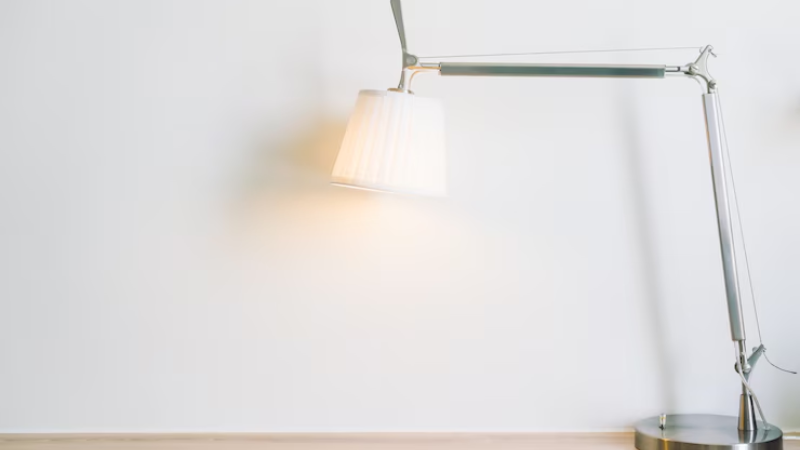
Aside from comfort, smart lighting choices also have cost and environmental benefits.
LED bulbs use 80% less energy than traditional incandescent or fluorescent lighting. They are more efficient in converting energy into light rather than heat, so they are cooler and safer to use in small office or study spaces.
However, companies should weigh down LED vs incandescent bulbs before investing in bulk inventory to avoid any last-minute problems. Because this is all a matter of one’s own comfort and activity level.
Although LED lighting costs more to buy initially, reduced power consumption and longer life, frequently in excess of 25,000 hours, mean less replacement and significant cost savings in the long run.
It is especially logical in reading rooms, offices, and retail business establishments with extended late evening business hours.
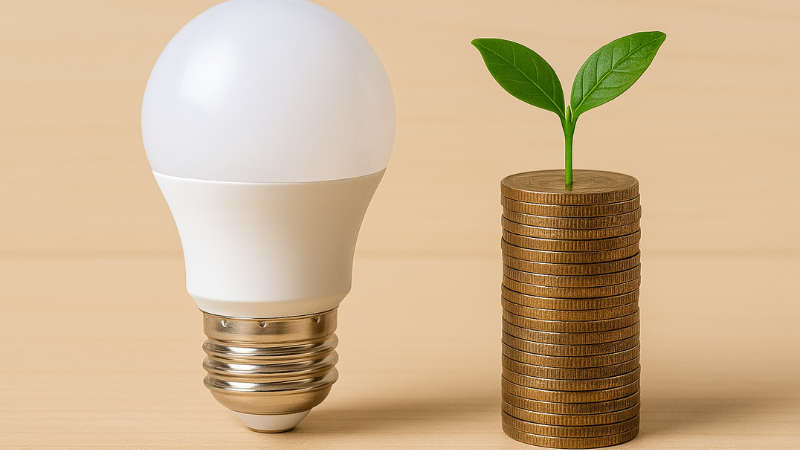
For businesses, a move to energy-saving LED technology translates into reduced operational costs, reduced maintenance cycles, and increased productivity of employees.
Intelligent automated lighting systems can also take it a step further to maximize consumption, with a simple ROI in the first year of operation.
When selecting light for business, study, or work, comfort, efficiency, and durability should top your list of priorities. When deflecting glare from the screen away from your eyes, selecting switchable color temperatures, or using smart LEDs, ethical lighting contributes to productivity as well as contentment.
We produce better quality LED lighting systems for reading rooms, home offices, and business premises at Risuncorp. With years of market presence, our products are made to be durable, comfortable, and energy-efficient.
Schedule a free consultation or browse through our product catalog to see all our lighting products and get the professional solution for your business.
Struggling to choose between BR30 and BR40 LED bulbs or BR LED replacement lamps for your setting? If you want to illuminate a house, office, or business space, we will walk you through options that are appropriate for you.
This article guides you to the proper decision by considering size, light output, correct color rendering index, and use. Let’s start
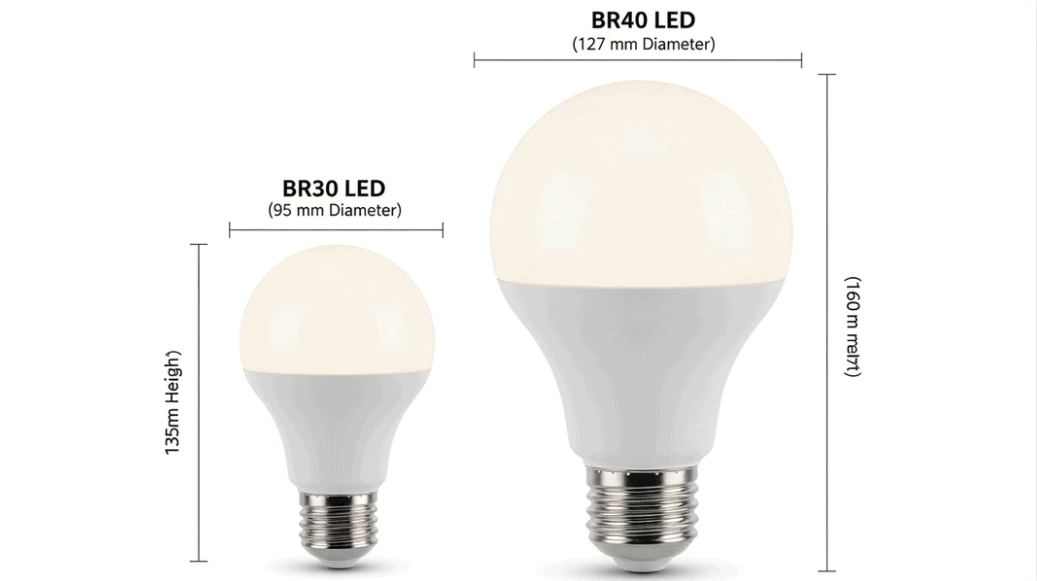
LED lighting has rapidly become the norm for both residential and commercial use. More than 50% of American households already use LED bulbs, and the direction is obvious—individuals desire to be energy-efficient, longer-lasting, and cheaper.
This increased demand makes homeowners and companies question what is ideal for their lighting needs. The latest technology uses LED with BR lighting, specifically featuring bulged reflector designs.
The most popular replacements are BR20, BR30, and BR40 LED bulbs with more focused lighting. Companies are learning about BR lighting, BR bulb sizes, and techniques.
As similar as they are, the one that will work best for you will depend on the size of your area, the level of brightness you need, and the application.
It is a wise decision to learn everything about BR and LED lights, including the beam spread, pros, and cons of LED and BR, to make a wise decision.
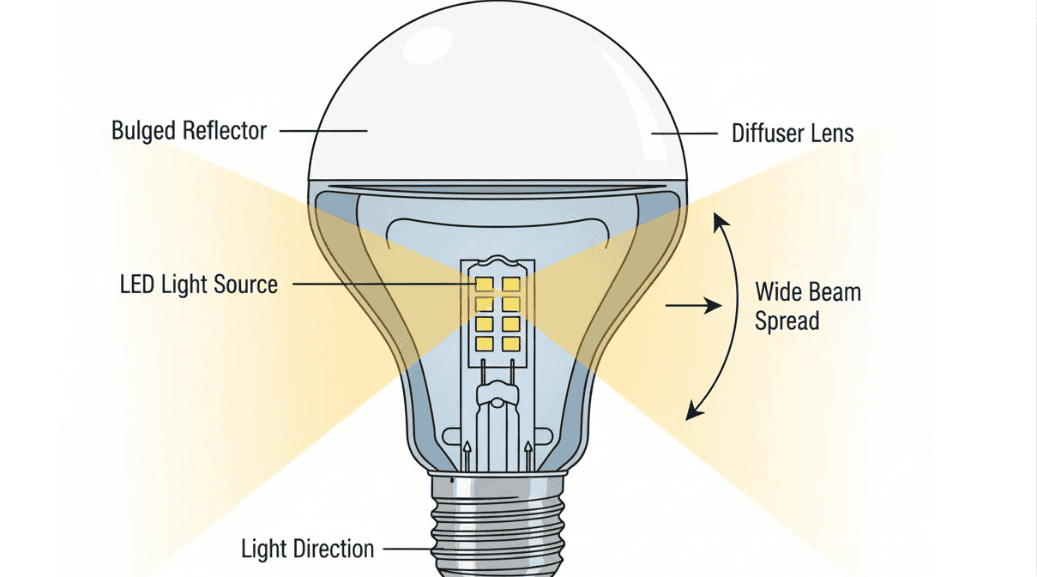
BR bulbs—”Bulged Reflector” bulbs—are designed to concentrate light using a parabolic reflector into a beam and are a stalwart of track lighting and recessed lighting.
The number that comes after the “BR” tells us about the bulb’s diameter in eighths of an inch, and this designation indicates the diameter.
A BR30 bulb is 3.75 inches in size, and its bulb shape concentrates light, making it mostly installed in small cans (approximately 4 to 5 inches). It is best suited for use in the kitchen, office, and bathroom, where it requires a stronger light source.
A BR40 bulb measures 5 inches in length. It is better for large recessed cans (typically 6 inches and larger) and is more appropriate for larger areas such as living rooms, hallways, or offices where broad, even lighting is needed.
BR30 is also used in Cans lighting, accentuating large objects as well. So, make sure to go through cans of lighting vs. recessed lighting before ordering in bulk.
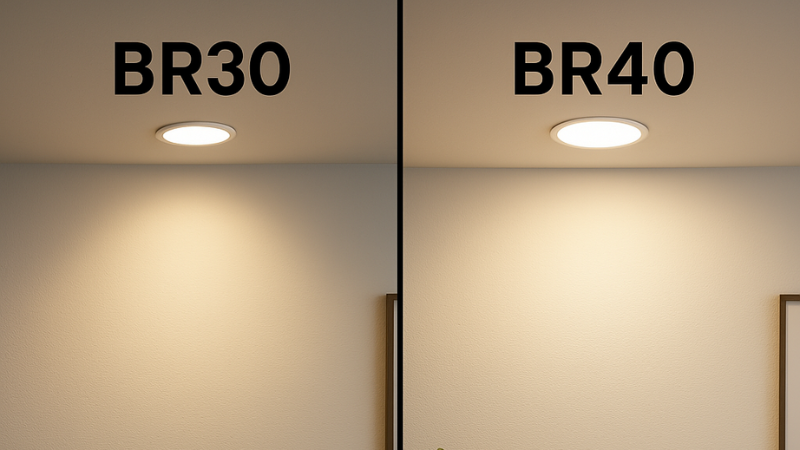
The following differences between BR30 and BR40 bulbs will help you make the best choice for your environment.
The most obvious distinction between the BR families is diameter. BR30 has a diameter of 0.3 feet or 3.75 inches and is ideal for small recessed lighting cans. There are some other types of recessed lighting where BR LED lamps can be used.
BR40 is 5 inches and intended for large fixtures. The diameter will affect not only appearance but also functionality.
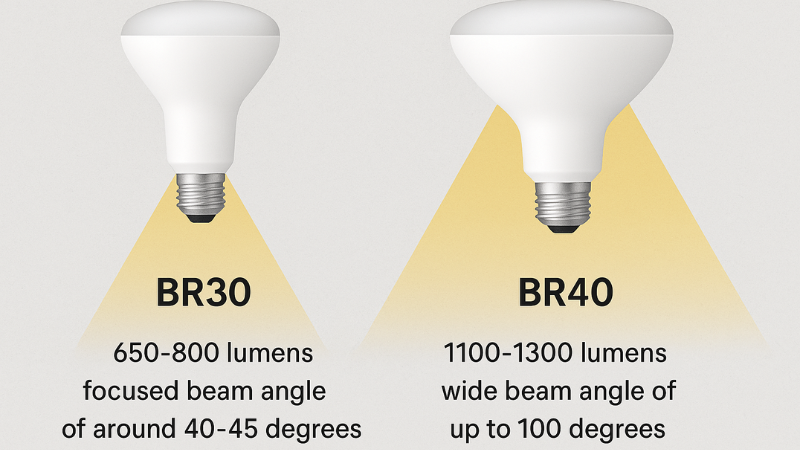
BR30 bulbs emit 650–800 lumens with a focused beam angle of around 40–45 degrees, achieved through directional photometry principles. They are, therefore, most appropriate for task or accent light fixtures in small spaces.
BR40 bulbs emit 1100–1300 lumens with a wide beam angle of up to 100 degrees using a reflector parabolic aluminized, perfect for lighting large spaces with smooth, even coverage.
Both BR30 and BR40 bulbs now have their energy-efficient new LED versions. In contrast to those wasteful old incandescent BR40 bulbs, LED saves more energy per month.
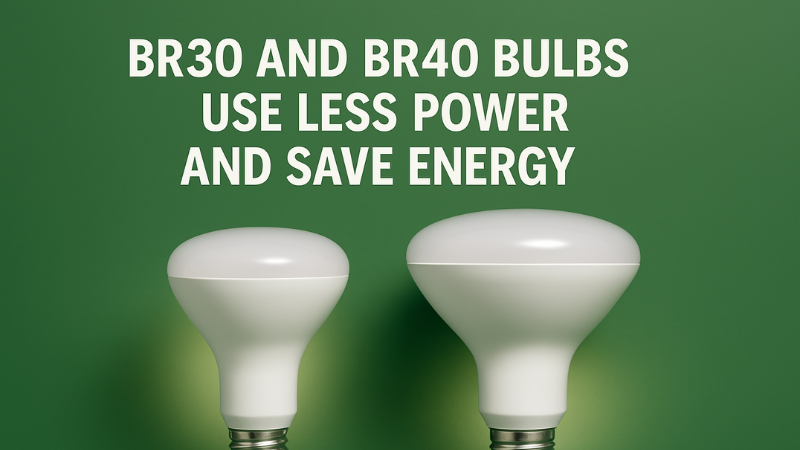
The new LEDs consume around 9–12W for BR30 and 12–15W for BR40, which are fairly priced alternatives that sacrifice no aspect of lighting.
| Feature | BR30 | BR40 |
|---|---|---|
| Diameter | 3.75 inches | 5 inches |
| Length | ~5.1 inches | ~6.5 inches |
| Beam Angle | Narrower (ideal for focused light) | Wider (broader light spread) |
| Best For | Standard ceiling cans (5"/6") | Larger cans (6" or deeper) |
| Light Spread | More directional | Softer, wider coverage |
| Wattage Options | 8W–11W (LED), 65W (halogen) | 11W–15W (LED), 85W (halogen) |
| Common Use | Kitchens, bedrooms | Living rooms, high ceilings |
| Price | Slightly cheaper | Slightly costlier |
Having the right bulb involves a lot to do with your room size, ceiling height, and the level of light you’d like.
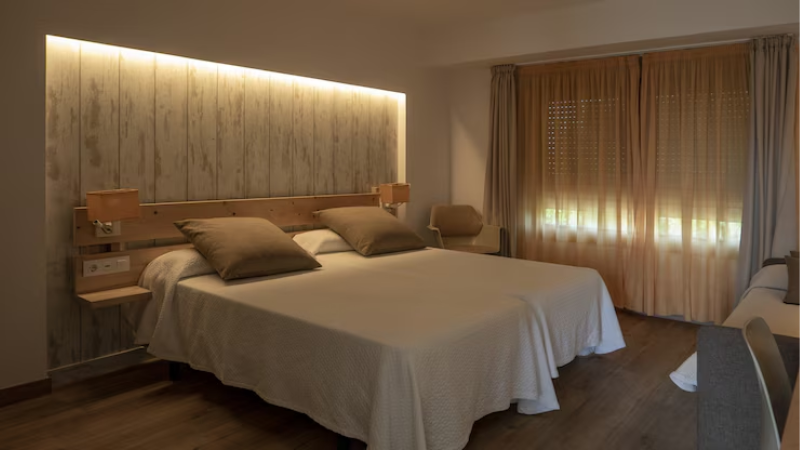
In small areas like kitchens, offices, or hallways, BR30 will be a fabulous option. Given its narrow beam and less luminous output in terms of lumens of light, the BR30 is optimized for applications requiring lower illuminance levels.
It renders good light but doesn’t dominate small spaces.
For open-plan spaces, malls, or large living rooms, BR40 provides wider coverage. The greater beam angle and brightness make the light travel farther, illuminating more space with better efficiency.
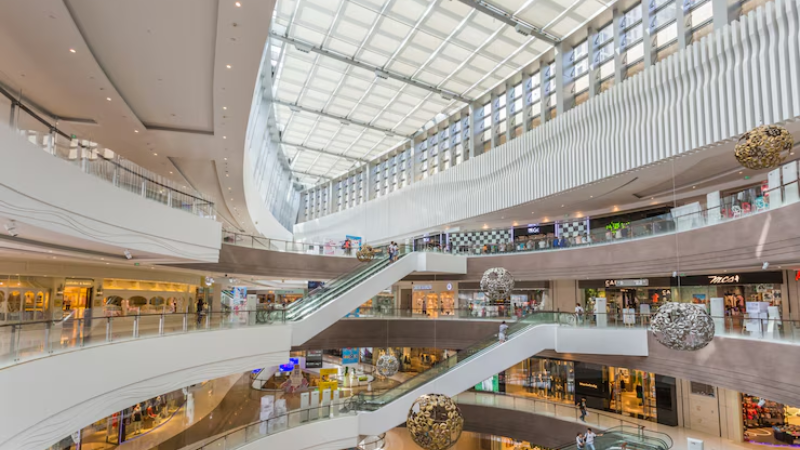
BR30 works well for standard ceilings of 8 to 10 feet, especially with a good color rendering index. For ceilings greater than 10 feet or for spaces requiring more illumination—galleries, showrooms—use BR40.
BR40 bulbs, which often utilize reflector parabolic aluminized designs, are largely used by businesses to illuminate large spaces like warehouses, corporate reception spaces, or conference rooms where brightness and evenness are the most important factors.
LED BR30 and BR40 bulbs offer better performance with less power consumption.

The two bulbs consume 25% to 75% less power than standard incandescent bulbs due to their higher luminous efficacy. That means substantial operating cost savings in the long term, particularly on multi-fixture installations.
BR30 and BR40 LEDs both have a shelf life of 25,000 to 50,000 hours. Lower replacement frequency translates to lower maintenance and higher long-term reliability on residential and commercial installations.
Dimmable bulbs and dimmers, BR30s are perfect for ambiance lighting. Dimming saves energy and provides extra bulb life with ambiance adjustability as a plus by leveraging phase-cut dimming technology.
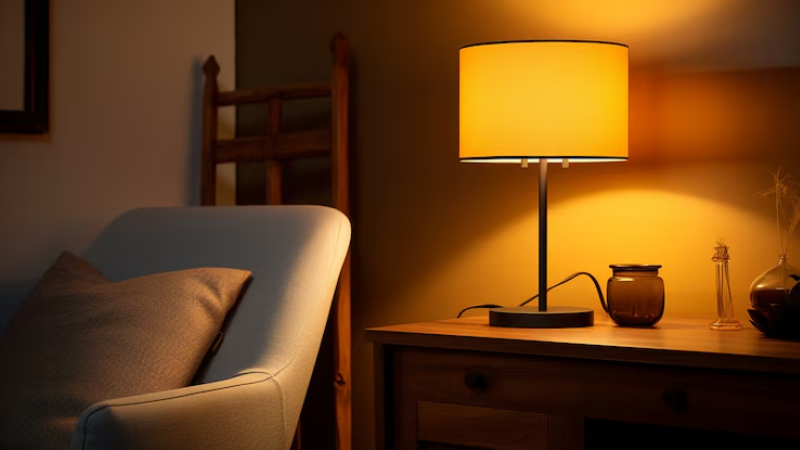
Although LED bulbs are seen to cost a bit more to buy, their long-term savings warrant them as an investment to be paid.
BR40 bulbs will cost a few dollars more than BR30 because of size and light output, being an improved version of R lamps.
Using a 50-BR40-bulb setup where the bulged shape concentrates the light at the center of the beam saves more energy cost per year (at $0.12/kWh) and is significantly lower with this new technology, saving hundreds of dollars annually.
LED BR bulb replacement is at a cost-justifiable point in time through energy savings and fewer replacements, particularly in high-use applications such as hotels, offices, or retail.

Certifications become an issue when making decisions about light distribution and lighting used in commercial settings.
Look for bulbs that have DDL and UL certification. These marks guarantee energy efficiency, performance, and conformance to standards of safety and quality.
Certified products, including those using a multifaceted R reflector BR bulged, are eligible for rebates from local utilities, conserve energy, and meet building codes that justify the investment for business process lighting applications.
The ideal supplier is as crucial as the ideal bulb.
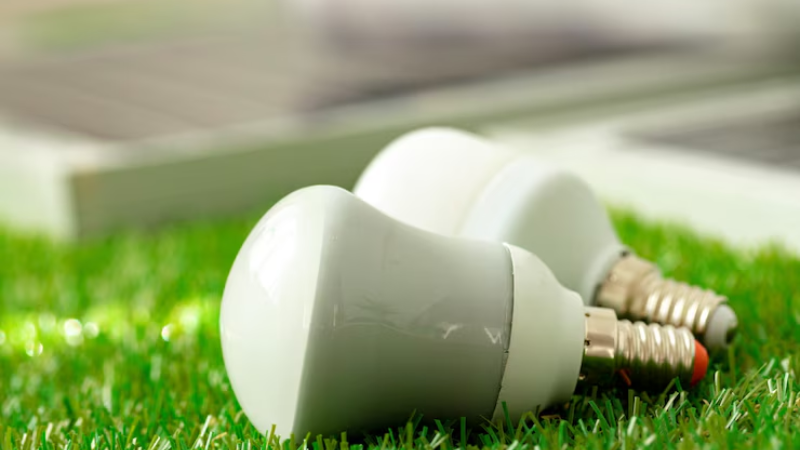
For companies selling to many locations or big buildings, select suppliers that offer a version of BR lamps at a bulk price and quick fill. Make sure to see the charts of bulb size, type, shape, code, and other important stuff to make a well-informed purchase.
Pick suppliers that provide wattage, beam angle, or color temperature customization to fit your application.
3- to 5-year warranty and experienced support personnel provide comfort in case of technical failure or inadequacy.
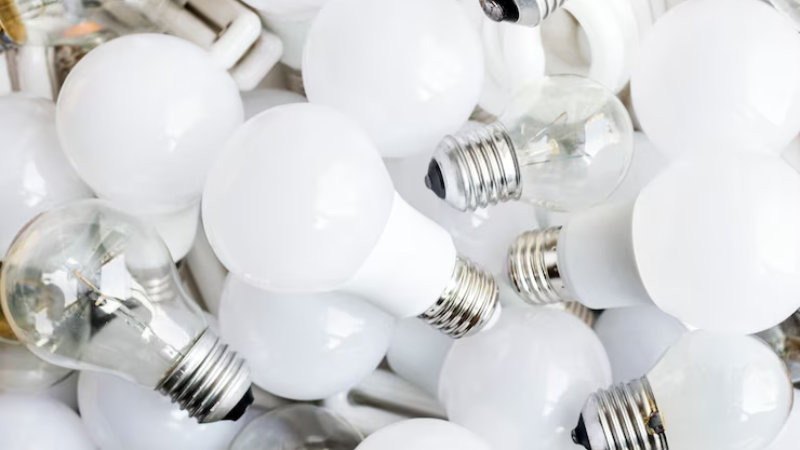
Both BR30 and BR40 bulbs have a great use in lighting design currently, as each lamp has a nominal size that suits specific tasks. Use your space measurements, ceiling height, and performance needs to make the most informed choice.
Here at Risuncorp, we have experience providing top-quality LED light solutions to last, save, and shine. Discover our solutions, including lamps for retrofitting light, or book a free consultation today to discover the light that meets your business requirements.
Q1: Will a BR30 bulb fit a BR40 fixture?
Answer: A BR30 can be used in a BR40 fixture because it is smaller, but there would be a gap showing and less coverage of light.
Q2: What is the greatest difference between BR30 and BR40?
Answer: The greatest difference is in size—BR30 is 3.75″ wide, and BR40 is 5″. BR40 has a broader, softer light spread.
Q3: Is BR30 or BR40 better suited for recessed lighting?
Answer: BR30 is utilized on 4″/5″ cans and focused lighting. BR40 is better for 6″ cans and wide areas since it produces a wider beam.
Q4: Are bulbs labeled BR30 and BR40 of the same base?
Answer: Yes, they both typically contain the standard base E26, so they will fit into the same sockets, just like other LED lights.
Outdoor ceiling fans without light are useful commercial property facilities that provide the best airflow with energy savings. This guide provides valuable data to help you make the best-informed purchasing decision when buying a wholesale business or looking for an excellent wholesale supplier.
Power-efficient, long-life, and easy-to-use lightless outdoor ceiling fans are the preferred option for commercial use. They are easy to install with existing lighting and save energy.
They are perfect for hospitality, retail, and manufacturing companies. Restaurants, cafés, and hotels use them to offer comfort without altering lighting.
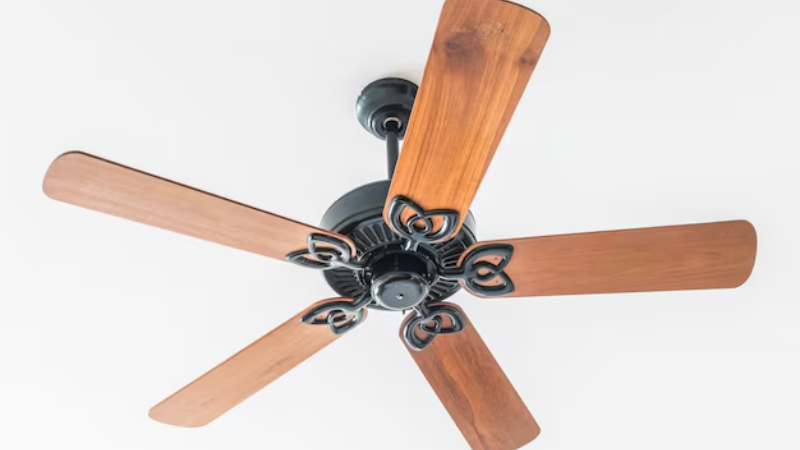
Factories and warehouses use them for ventilation, while retail stores and public areas use them to increase customer and visitor experience. They come in a variety of sizes, so make sure to get the right size of ceiling fan according to your needs.
Outdoor ceiling fans without lights are primarily needed for durability, energy efficiency, air speed, and easy installation. The following are the major tips to get the best outdoor ceiling fan while buying in bulk.
Weather Resistance & Durability: Selecting fans for outdoor use provides a long-lasting lifespan with low maintenance.
Wet-Rated vs. Damp-Rated Fans: Rainproof fans will endure the full impact of rain and are thus ideal for outdoor patios, porches, pool decks, and dining spaces.
Wet-rated fans will operate best in covered spaces like restaurant decks and commercial corridors, where humidity is evident, but no direct water exposure occurs.
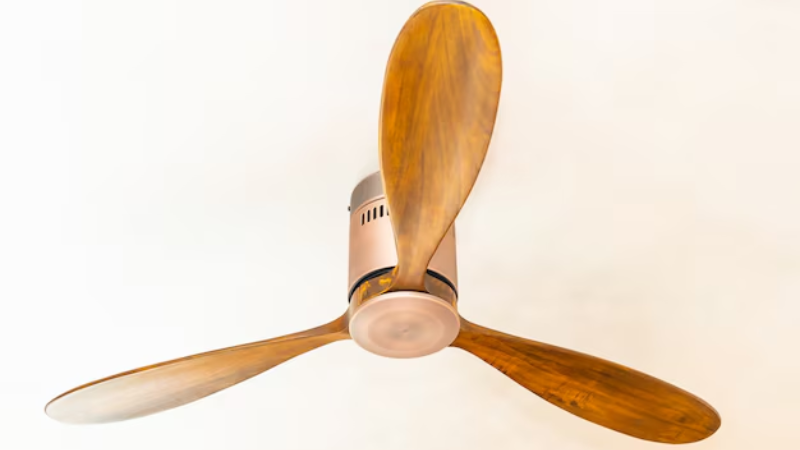
Material Selection: Using the appropriate material also makes the product weatherproof and longer lasting. Metal and stainless steel parts are more durable, whereas stainless steel blades made of ABS plastic are water-resistant and will never bend like wooden blades.
AC Motors vs. DC Motors: AC motors are durable, economical, and more appropriate to high-traffic commercial environments. DC motors consume 70% less power, are less energy-intensive, and are quieter. And if your fans are very noisy, there are guides to help fix your noisy ceiling fans.
Operational Efficiency: Energy-efficient motors lower the load on the electrical system and the cost of electricity. Companies that invest in energy-efficient models save on maintenance and operation costs in the long term, and they’re a business strategy.
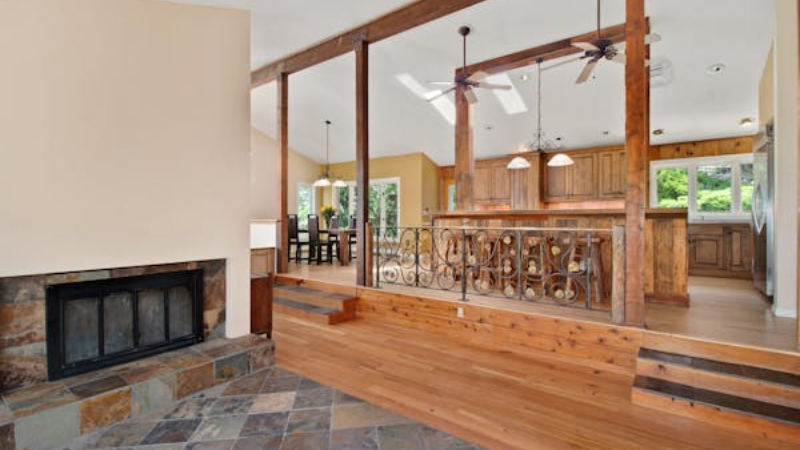
Blade Span & Airflow Performance (CFM Ratings): Blade operational diameter, air volume, and airflow capacity (in CFM) provide the proper airflow for commercial buildings.
Fan Sizes Recommended by Space:
Mounting & Installation Considerations: Effective mounting solutions provide stability, security, and optimal airflow efficiency.
Flush Mount vs. Downrod Mount: Flush-mounted fans are aerodynamically optimized and appropriate for low-ceiling spaces with little airflow potential. Downrod-mounted fans are better suited to large, high-ceiling areas like industrial manufacturing plants and festival grounds.
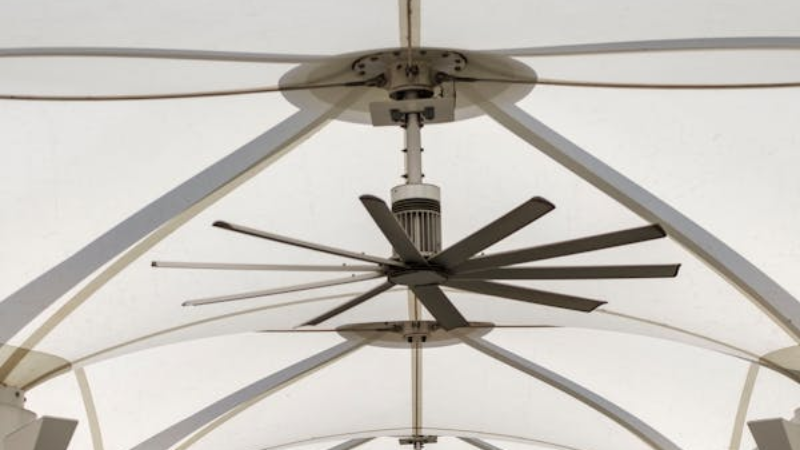
Sloped Ceiling Flexibility: Where there are slanting and sloping ceilings in commercial buildings, the application of fans mounted by adjustable mounting equipment is required.
The solutions provide all kinds of architectural designs, including optimum airflow distribution in different commercial settings.
Discover top-rated outdoor ceiling fans without light that combine energy efficiency, longevity, and maximum airflow to meet your home and commercial needs.
Check out the pros and cons of ceiling fans before choosing any kind of fan to avoid any inconvenience.
It provides a high airflow rate, efficiency, and lifespan combined with low maintenance, making it suitable for most commercial uses.
It has a high-duty motor and uses corrosion-resistant materials to provide good performance in outdoor as well as indoor use.
Suitable for hotel areas, office decks, and commercial lounges, it provides maximum airflow without sacrificing the sleek aesthetic look of the design.
Go check out guides on choosing the perfect ceiling fans for your rooms, buildings, and offices before selecting any type of outdoor fan.
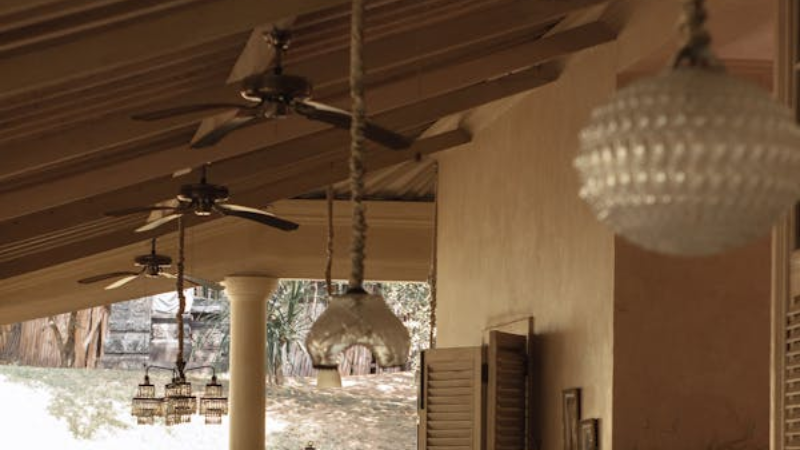
Designed for large areas such as factories, screened porches, warehouses, and empty rooms, this business fan boasts the highest airflow rating to keep working areas warm or cool. To get higher airflow, select high-vaulted ceiling fans for your high-ceiling space.
With its weather-resistant motor cover, high CFM value, and durable metal blades, it can withstand rough conditions without fail and is built to become a low-maintenance device that will last for years.
This fan’s silent operation and high airflow make it ideal for use in hotels where style and performance are required. Its low-profile design is ideal for high-end patios, outdoor restaurants, outdoor café dining areas, and continuous laminar airflow ventilation.
Acoustic reduction technology enables customers to dine without disturbance, which is ideal for businesses with relaxation and atmosphere as selling points.
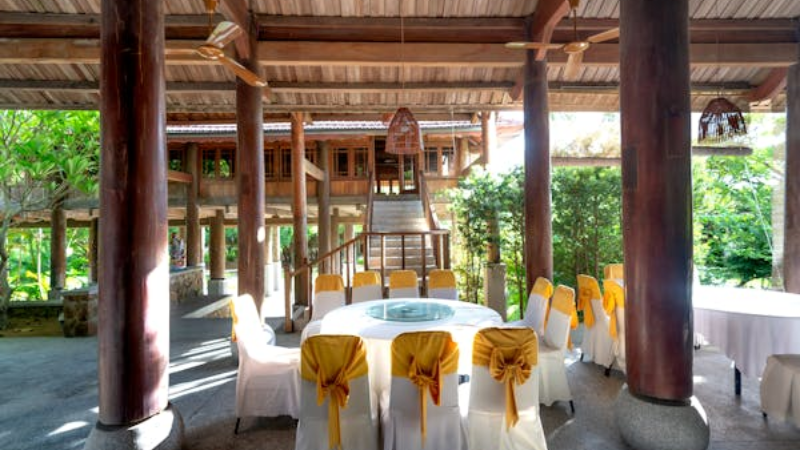
This flush-mount model is best for low-ceiling areas and provides efficient airflow without taking up extra space. Best for small business patio areas, retail, and any covered porch or walkways where traditional downrod fans are impractical.
It is simple to install a low-profile system that provides efficient airflow.
This intelligent ceiling fan is IoT-integrated, providing wholesale purchasers with access to trendy, energy-efficient products.
WiFi connectivity, variable speed control, and scheduling enable the fan to save companies’ energy while enhancing convenience. The fan is appropriate for luxury resorts, tech offices, and modern commercial structures.
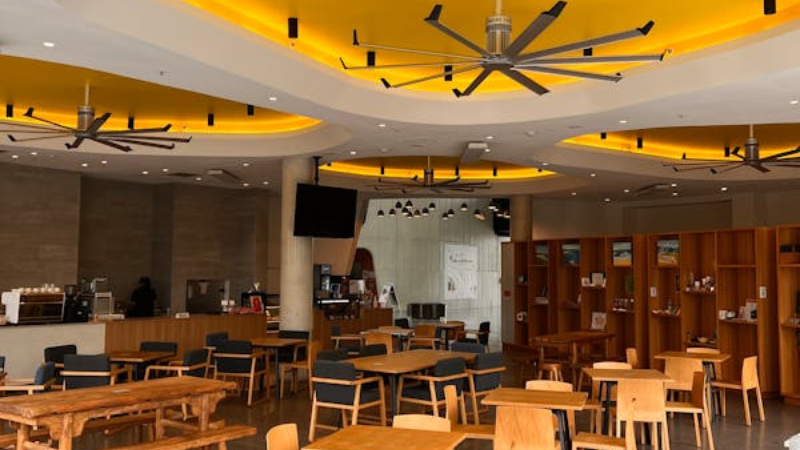
An affordable, high-performing value set for bulk buying, the fan provides consistent airflow performance without appearing in cost books. Released on a massive scale, it provides efficiency and reliability at an obscenely affordable price point.
Companies can improve ventilation, lower power usage, and achieve overall business comfort by using the proper outdoor ceiling fan without light.
This is a step-by-step guide on purchasing for businesses, designed to help them buy outdoor ceiling fans in bulk at an affordable and safe rate. Before selecting any seller, search for the top ceiling fan manufacturer.
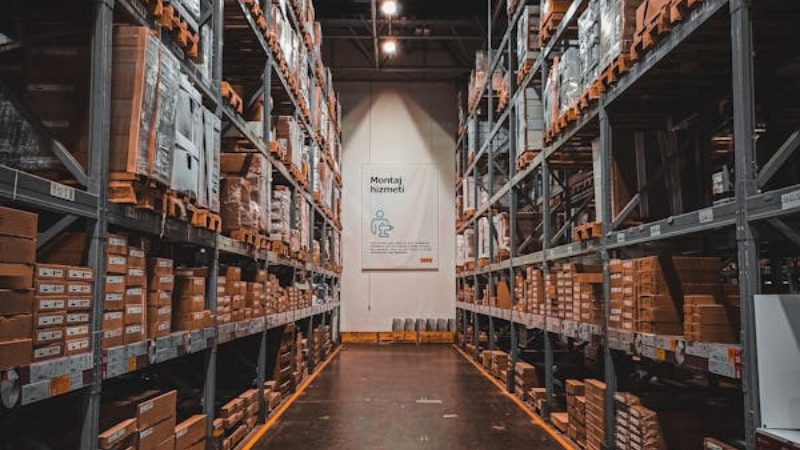
When purchasing an outdoor ceiling fan from a supplier, some things need to inform your choice:
Ensure the supplier meets in trade and is certified in product quality and safety. Utilize certifications such as UL or ETL for screened electrical safety and other region or locality-specific requirements.
A good supplier must have enough manufacturing capacity to fulfill your order quantity and be capable of delivering within an optimal lead time. It is advisable to ensure that they are experiencing realistic lead times so that business operations will not be hampered.
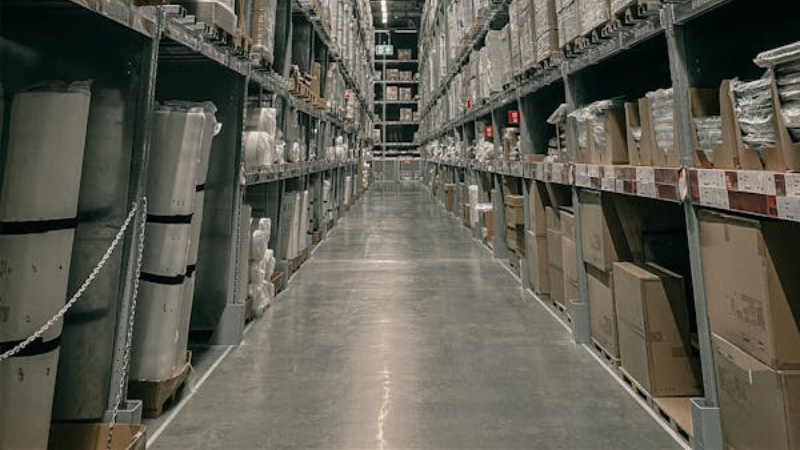
Check the price and quantity offered by the supplier to ensure that it is within your budget. Please pay attention to their MOQ since some suppliers will offer a lower price for bulk orders, while others will be flexible with small orders.
Make sure products are screened and guarantee post-sale services like installation support, maintenance, and backup.
Obtaining a reliable customer support supplier is crucial and can be a significant blessing when facing issues and problems that may arise after making a purchase.
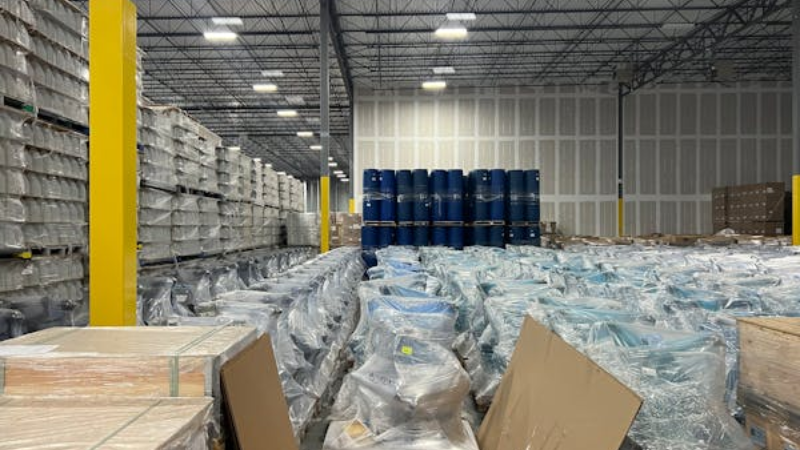
Most suppliers use economies of scale and have tiered pricing based on order quantity. The higher your order, the lower the unit price, but it is important to consider your order quantity and your budget to find the best prices.
Manufacturers also have MOQs to produce cost-effective runs. However, MOQs can be negotiated if you are a repeat buyer or want long-term business relationships.
Shipping logistics are the most critical aspect to consider when purchasing in bulk. Consider shipping costs, delivery times, and even customs fees when buying from overseas suppliers.

Offering customized options will push your product lines and brand differentiation to the next level. Look for suppliers who can provide the following customized options:
Your brand message or logo on custom packaging enhances perceptual branding and gives your customers a uniform brand image. The private label enables you to market the product with your company name, and that increases customer loyalty for your company.
Choose suppliers that can customize fan blades with special materials (e.g., ABS plastic, stainless steel, or wood) or colors that best fit your business or design needs for various business uses.
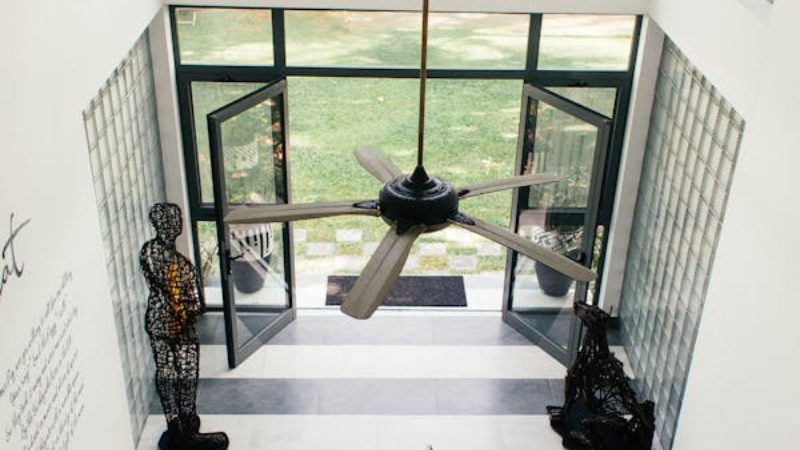
OEM and ODM services can perhaps tailor products in bulk orders so that your business can provide customized products according to the customer’s requirements.
Installation manual and maintenance guidelines for outdoor ceiling fans to perform optimally in commercial spaces.
The proper installation of outdoor ceiling fans provides proper air flow and comfort in business offices. Fans are installed in crowded spaces. The proper direction of ceiling fans is very important to perfect airflow during summer and winter.
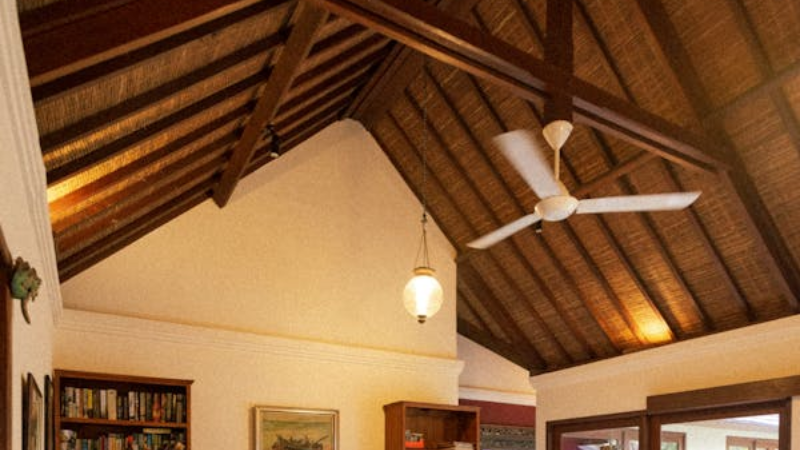
Maintenance is required for commercial outdoor ceiling fans so that maximum performance and unit longevity are achieved.
Dust and dirt can be deposited on fan blades, decreasing airflow and motor efficiency. To prevent dirt buildup, remove the blades periodically and clean them using a soft-bristle brush or a damp cloth.
Fans placed outside also collect dirt; hence, regular cleaning will keep the equipment in its running condition.
Where there is exposure to moisture or rain, rust-resistant materials such as stainless steel or coated metal will need to be utilized. Water-resistant or waterproof fan blades and covers will also need to be utilized to prevent rusting.
Safety during installation is the most important consideration in order to preserve safety and efficacy, especially where electricity or heavy-duty fans are being utilized.
When installing ceiling fans outside, refer to the manufacturer’s manual and locate the local electrical code regarding wiring. This would encompass proper voltage rating, grounding, and use of outdoor-approved electrical components.

To support high ceilings, employ heavy-duty Downrod mounts, and ensure that the house and ceiling can support the weight of the fan. Install the fan securely to prevent any chance of accidents and ensure extended use.
| Cooling Option | Cost | Energy Use | Best For |
|---|---|---|---|
| Outdoor Ceiling Fans | Low | Low | Patios, open spaces |
| HVAC Systems | High | High | Large indoor areas |
| Industrial Floor Fans | Medium | Medium | Warehouses, workshops |
| Misting Systems | Medium | Medium | Outdoor dining, events |
| Evaporative Coolers | Medium | Medium | Dry, hot climates |
Misting systems work optimally in very hot climatic conditions. Water vapour creates a cooling effect, which can cool outdoor areas.
Misting systems are expensive to install and maintain. Outdoor ceiling fans are energy-efficient and low-maintenance.
Misting systems have higher upfront installation charges and maintenance than water supply and sewerage systems due to their hydrodynamic complexity.
Ceiling fans mounted outdoors cost less to install and maintain since they are money-savers themselves due to the money-saving, low-cost cooling that they offer.
Wall fans are ideal for low-ceiling or limited-overhead-space rooms. Wall fans may be utilized in small commercial rooms where ceiling fans would be impossible to install. Ceiling fans have wider coverage, but wall fans provide concentrated air flow to specific rooms.
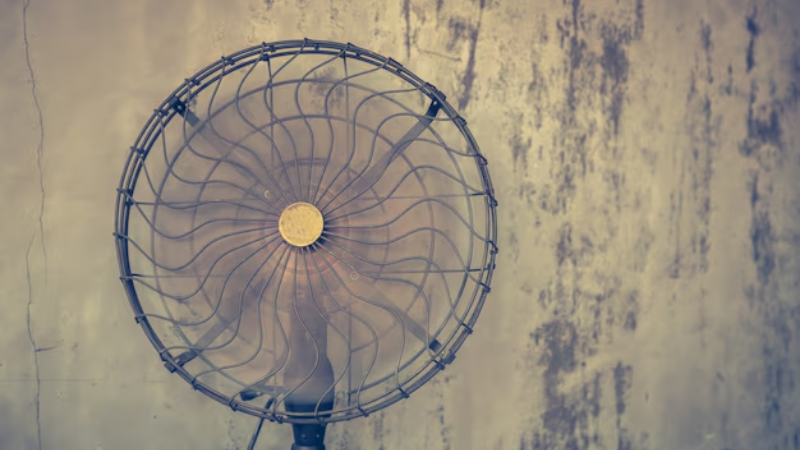
Industrial exhaust fans are utilized for pulling hot air and smells away from within structures such as factories or kitchens.
It is all about outdoor ceiling fans without light, but if you want to add an appliance that gives you proper airflow with maximum light, choose ceiling fan light bulbs. They are a two-in-one solution.
Outdoor ceiling fans without light provide the ideal solution for businesses to attain optimal energy efficiency, reliability, and air circulation without the extra complexity of inducted lighting.
Taking advantage of the benefits, now incorporate these fans into your business to bring more comfort and functionality to your environment.
Looking for outdoor ceiling fans without lights that save energy and last for years? At Risun Corp, whether you’re running a restaurant, hotel, warehouse, or retail store, our fans give you powerful airflow without extra lighting to meet your needs.
Send us a quick message today! Our team will get back to you fast with a quote and the best solution for your project.
Choosing the perfect kitchen ceiling fan for your business is important for power efficiency and aesthetics.
An appropriately chosen ceiling fan size improves air circulation, keeps employees and clients comfortable, and enhances your business’s look. This guide assists you in choosing the perfect kitchen ceiling fan depending on size, power efficiency, and capacity.
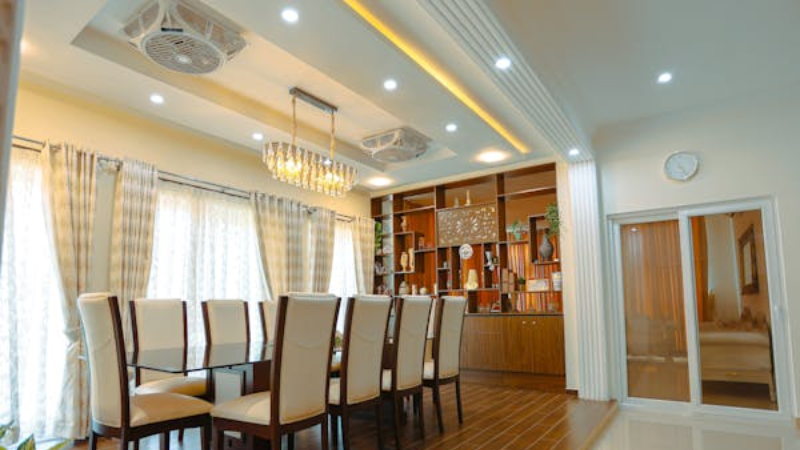
Kitchen ceiling fan lights are needed for comfort, ventilation, and sufficient lighting in household and business kitchens.
A ceiling fan offers ventilation, heat minimization, and odor removal, resulting in a healthier and more comfortable room.
When installed at homes, they offer kitchen warmth, beauty, and comfort, but when installed in restaurants and commercial kitchens, they keep the cooks and staff cooler, ensure improved airflow, and enable the creation of a proper working environment.
A kitchen ceiling fan with light has advantages such as improved air circulation, power savings, and aesthetics. Some of the most significant advantages are discussed below:
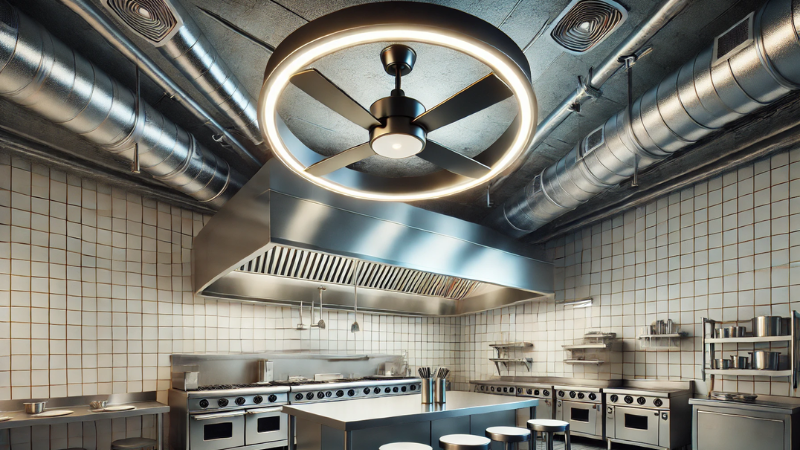
Cooking produces heat, steam, and smells, heating the kitchen. A ceiling fan avoids hot air stagnation, circulates air, and removes residual odors.
Stoves, ovens, and appliances warm kitchens quickly. A kitchen fan will cool the room by removing the warm air and circulating cooler air through the house using the principles of convection.
Ceiling fans use less energy than exhaust fans or air conditioners, providing an energy-efficient means to cool the kitchen.
Kitchen ceiling fans use little power in comparison to high-wattage energy-sucking air ventilation systems. They cool at a cost equivalent to a part of a minute, and with this, they are an economical solution for residential and commercial purposes.
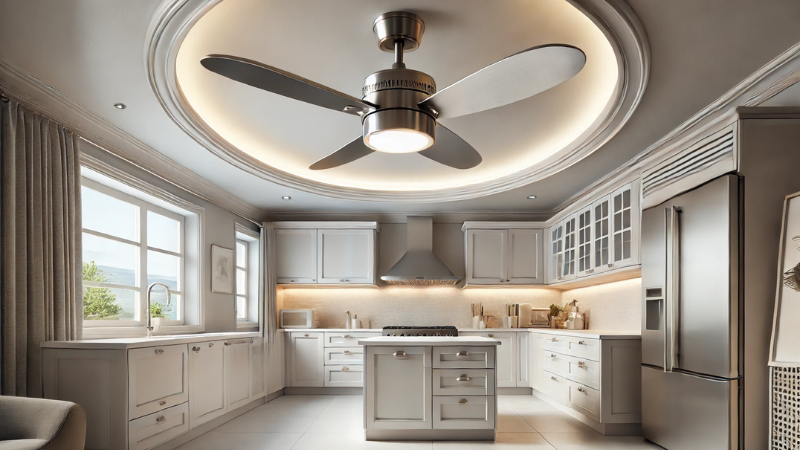
A kitchen ceiling fan with a light bulb is double the product, with airflow and lighting in one product. This is a good solution, especially for small kitchens.
For kitchenettes, a light ceiling fan occupies the most space to provide cooling and lighting in a single installation. It saves space on the additional lighting but keeps the kitchen ventilation.
Kitchen ceiling fans today come in different colors, materials, and designs, so you can pick a model that you love and suits your kitchen or bedroom interior design the most.
The best kitchen and master bathroom with ceiling fans with lights is chosen based on size, airflow, motor type, material, and lighting. Here are some points to consider before picking the best ceiling fan with a kitchen lighting fixture:
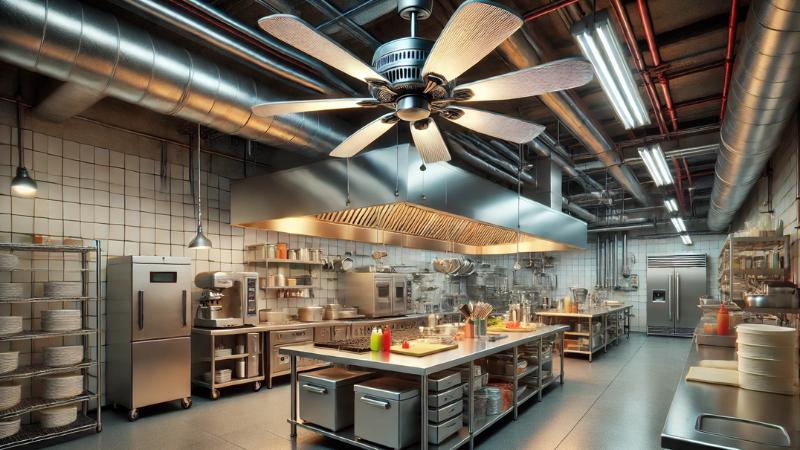
Cubic Feet per Minute (CFM) is the measurement of the efficiency of the air flow of a fan. The higher the CFM, the higher the ventilation, which is necessary in kitchens where odors and heat collect quickly. A kitchen fan must be a minimum of 3,000 to 6,000 CFM for efficient cooling and air flow.
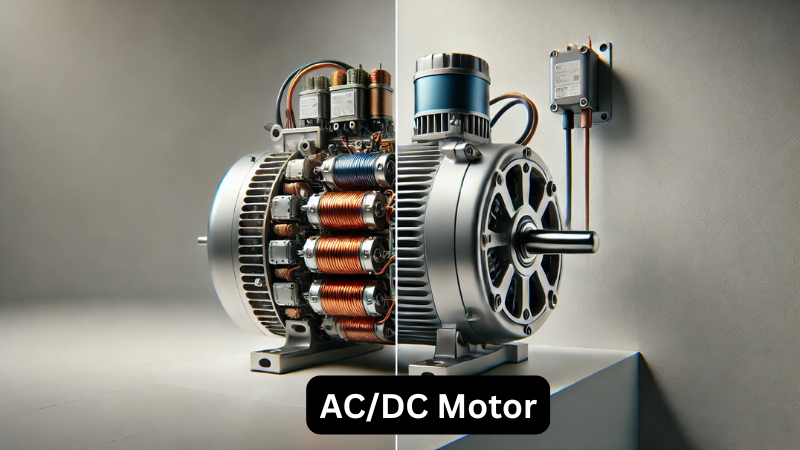
The motor type affects energy efficiency, noise, and overall performance. The most ordinary AC motor type delivers dependability and minimal cost, but at the expense of a higher level of noise.
DC motors, however, are less universal. They are quieter, more efficient, and offer higher precision in speed control.
Selecting the proper ceiling fan size offers comfortable airflow without overwhelming the room. Make sure to check the size guide to get the perfect size ceiling fan for your kitchen.
100 sq. ft. kitchens use 36-inch to 42-inch fans, 100-200 sq. ft. kitchens use 44-inch to 48-inch fans, and 200+ sq. ft. kitchens use a 52-inch or bigger fan to ventilate and cool the air. Selecting the right size avoids overwhelming the room but offers comfort.
The fan blade material determines durability, upkeep, and operation. The stainless steel blade is easy to clean, smooth, long-lasting, and suitable for contemporary kitchen interior designs.
The ABS plastic version is cheap but water-resistant and acceptable for steamy environments. Wooden blades are elegant and cozy-looking, but they need to be kept in check so as not to warp with high humidity.
Proper lighting enhances functionality and mood. LED lights are energy-efficient, as they last a long time and use a lot less power.
Dimmable lights support different levels of brightness, making it easy to obtain the appropriate atmosphere for cooking and dining. Essential kitchen lighting ideas help you brighten up your kitchen in a professional way.
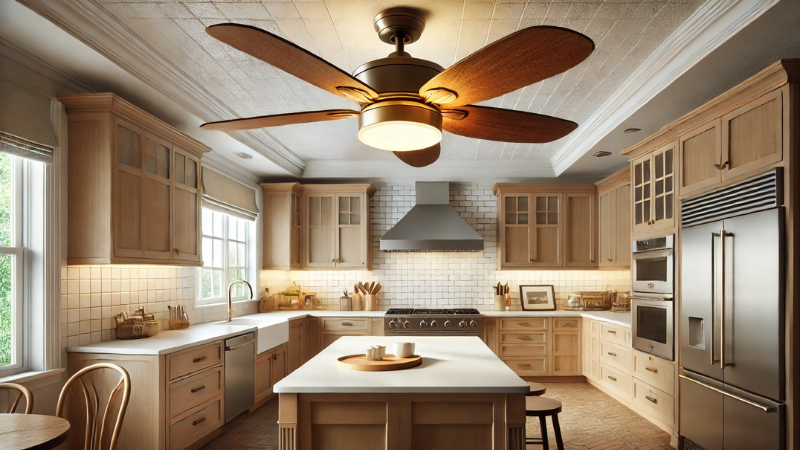
If you are a builder looking for energy efficiency, modern design, or smartness, we have some top picks for you.
The best-rated kitchen ceiling fan should combine powerful airflow, excellent lighting, and a stunning appearance. It should also have excellent CFM power for efficient ventilation, a smart LED light for excellent illumination, and a durable motor for an extended lifespan.
Most fans in this class support three to five blades, have dimmable lights, and feature an elegant yet not bulky design. Nowadays, businesses are investing in chandeliers and lights for the kitchens to make their inventory stand out from the crowd.
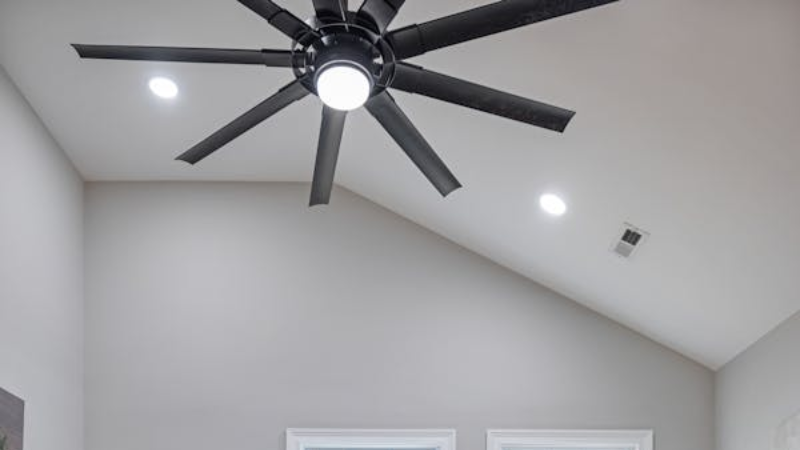
Energy-saving ceiling fans are ideal for homeowners and restaurant proprietors who want to conserve electricity bills without compromising airflow.
These ceiling fans utilize advanced DC motors that are more energy-efficient than traditional AC motors and have longer-lasting, low-power-consuming LED lights.
In low-ceilinged kitchens, flush-mount ceiling fans are ideal. These fans are kept near the ceiling, saving room without compromising airflow and spreading light. In tiny rooms that need to be closed, they provide adequate ventilation without overloading the space.
However, if you have a high-ceiling space, you can use vaulted ceiling fans for your high-ceiling kitchen or bedroom. They provide maximum airflow and have a modern look.
Smart ceiling fans introduce modern-day convenience through WiFi-enabled features, remote control, and app control.
They are also voice-controllable with Alexa or Google Assistant, enabling you to control the fan’s speed, adjust lights, and even schedule settings using your smartphone.
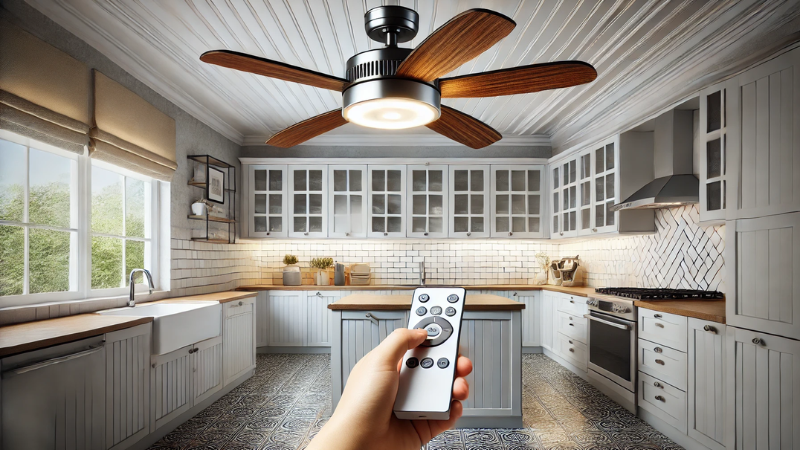
For individuals who value both performance and aesthetics, a contemporary kitchen ceiling fan combines sleek looks and maximum functionality.
The fans will usually have slender designs, innovative blade profiles, and high-end finishes like brushed nickel, matte black, or wood grain, optimizing aerodynamics for efficient airflow.
A heavy-duty, industrial-grade ceiling fan is a must in restaurants with continuous high heat and heavy cooking. They are specifically designed to deal with large areas of high airflow needs, having heavy-duty motors and high CFM ratings to provide maximum ventilation.
Most of these models also come with moisture-resistant blades and long-lasting construction to support the demands of hectic restaurant settings.
If you own a restaurant, you can also look for ideas to get the best restaurant lighting solution within your price range.
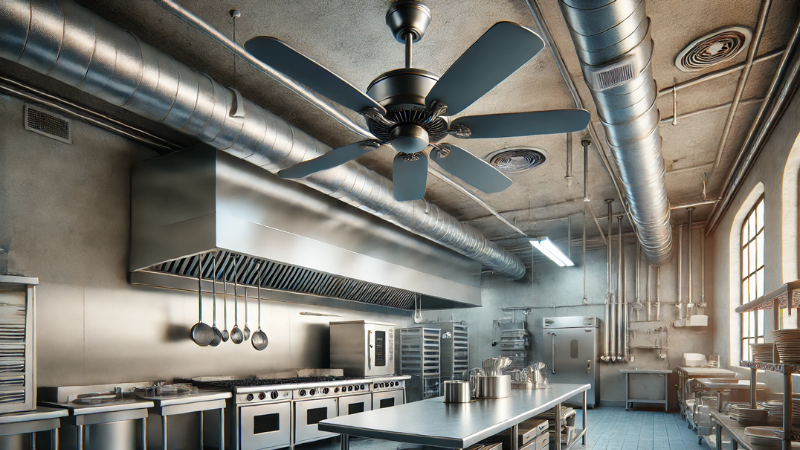
Proper installation and maintenance of a kitchen ceiling fan provide the highest performance, safety, and lifespan.
Where a ceiling fan is installed in the kitchen matters most for optimal airflow and cooling.
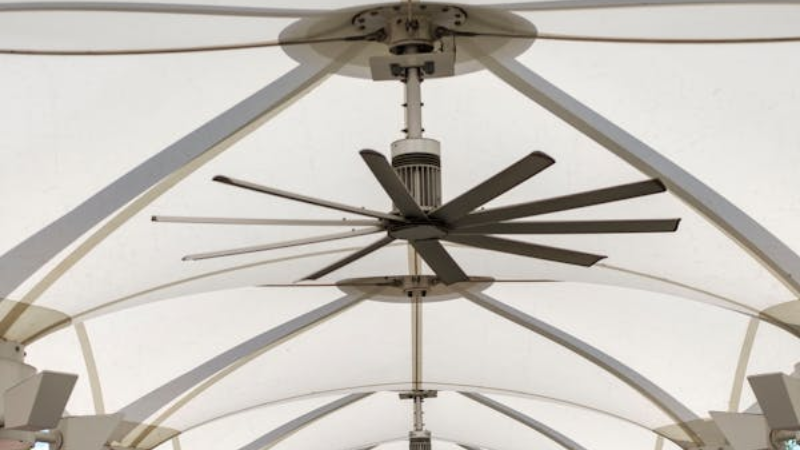
Kitchen exhaust fans are subjected to grease, dust, and water, which wear them out in the long run. Maintenance keeps them operating at maximum efficiency.
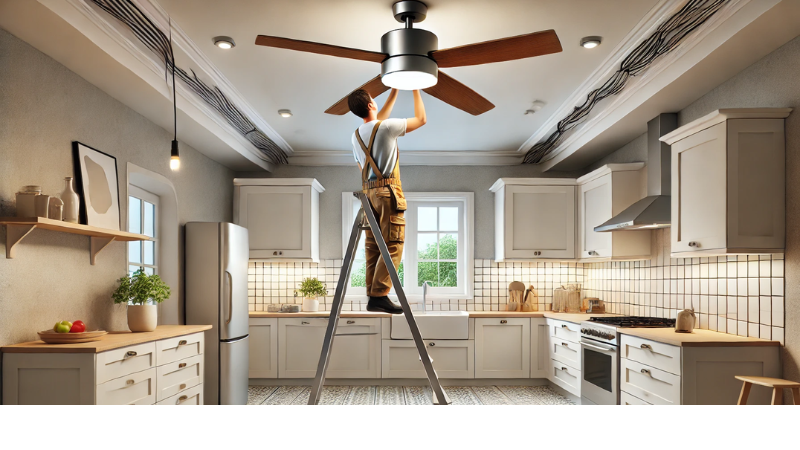
Adequate installation ensures durability and safety. The fan must be securely mounted to a ceiling joist or a fan-rated electrical box to bear weight and motion, ensuring proper mechanical stability and vibration control.
The fan should be far from heat-generating appliances like stoves and ovens. This is to keep it from overheating and starting fires. If the kitchen has a low ceiling, then a flush-mount fan would be the best choice to prevent obstruction.
Selecting proper ventilation and illumination for your kitchen depends on how you will use it. This comparison will guide you on when to utilize each device.
| Feature | Kitchen Ceiling Fan | Range Hood | Exhaust Fan | Pendant Lighting |
|---|---|---|---|---|
| Purpose | Air circulation, cooling | Removes smoke, grease, odor | Removes moisture, smoke, odor | Decorative lighting |
| Installation | Ceiling-mounted | Wall or ceiling above the stove | Wall or ceiling-mounted | Ceiling-hung |
| Best for | Cooling the kitchen | Cooking areas | Bathrooms, kitchens | Lighting over dining/kitchen areas |
| Price Range | $50 - $300 | $100 - $1,500 | $30 - $300 | $20 - $500 |
Ceiling fans and range hoods share kitchen ventilation functions, but are utilized differently. Ceiling fans are ideal for circulating air, lowering heat retention, and making cooking more comfortable.
They are not designed to remove smoke, grease, or odors from the air. Range hoods are intended to capture smoke, steam, and cooking smells and are crucial for offering clean air indoors.
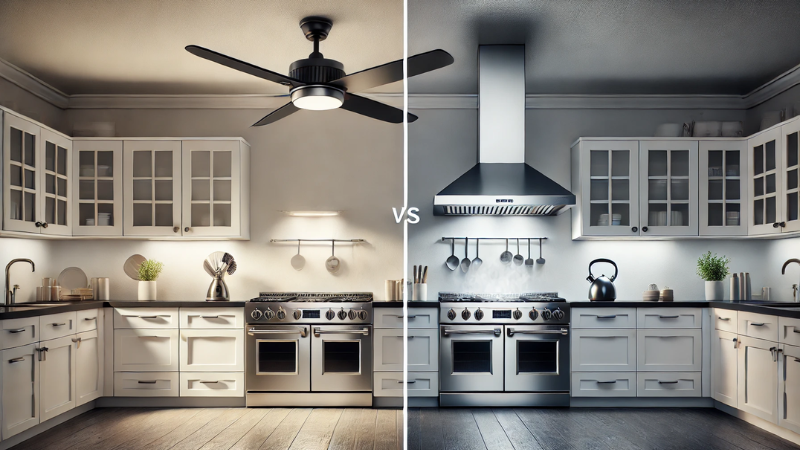
Whether air circulation or air elimination is needed determines whether a ceiling fan or an exhaust fan is used. Ceiling fans conserve energy and cool the kitchen by moving the air around. They are also used for decorative purposes and may be installed with built-in lighting.
They do not eliminate cooking odours and grease from the air, though. Exhaust fans extract heat, moisture, and flying grease from the kitchen. They provide ventilation, not cooling or supplemental lighting.
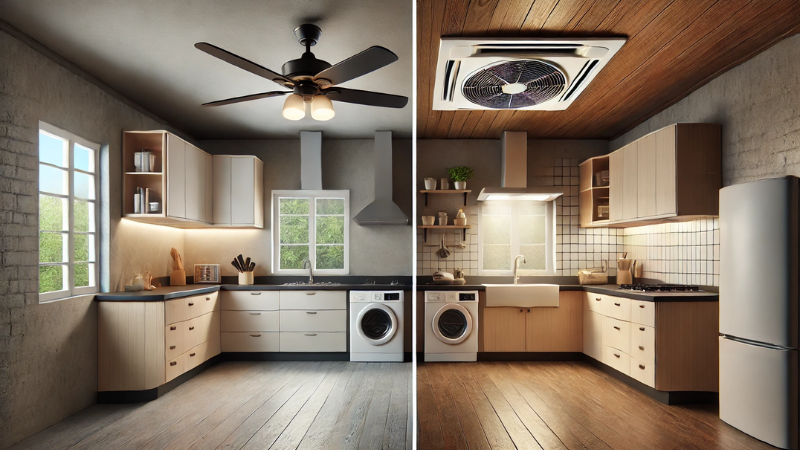
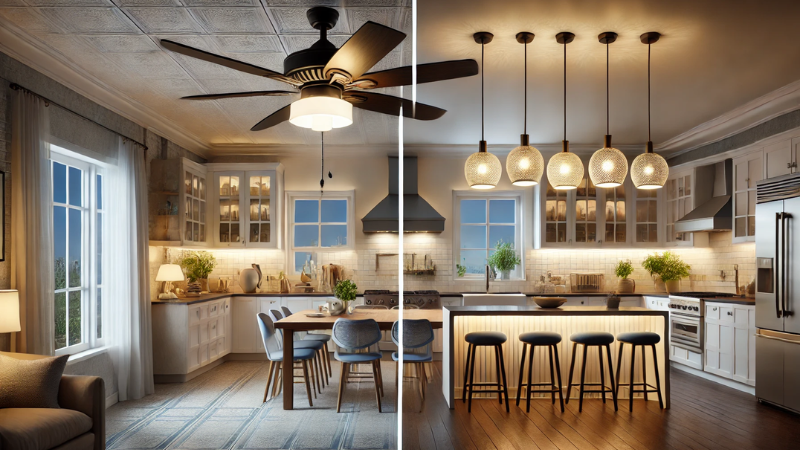
Ceiling fans with light are perfect for kitchens requiring both cooling and lighting, as they conserve space by doing two things simultaneously.
Pendant lighting is all about aesthetics and task lighting and is usually hung above kitchen islands or dining room tables.
The two can be installed together to enjoy concentrated lighting in the main areas and sufficient ventilation and comfort throughout the room.
But before installing kitchen pendant lights, make sure to have a complete idea of the details.
Buying ceiling fans in bulk demands maximum care when dealing with suppliers, customizing orders, and transportation.
Purchasing from factories usually provides lower costs, personalization, and ease of communication. Distributors bring convenience, expedited shipping, and access to established inventory systems.
Verification confirms a supplier’s credibility, capacity to manufacture, and experience, assuring reliability and quality consistency.
Private labeling is extremely important for companies willing to resell, establish, or create a brand presence. Most manufacturers provide individualized packaging, branding, and special designs to help make goods more saleable.

International shipping, freight, and delivery schedules are important to managing bulk orders. Knowledge of various shipping methods—air, sea, or freight—facilitates negotiating the balance between cost and efficiency.
Make sure to check the top manufacturers of ceiling fans in the world before booking your inventory with any seller.
Having understood the key factors to consider in bulk purchasing, your next action should be to locate a supplier who can deliver your requirements. Take time to compare producers, check customization options, and arrange your logistics.
Looking for reliable kitchen ceiling fans with lights for your home or business?
At Risun Corp, we provide energy-efficient, customizable ceiling fans designed for both residential and commercial kitchens. Whether you need bulk orders, private labeling, or tailored designs, we ensure competitive pricing and smooth global delivery.
Contact us today to request a free quote or explore our catalogue of ceiling fan solutions.
Q1: What size ceiling fan is best for a kitchen?
A: The right size depends on your kitchen area. For kitchens under 100 sq. ft., choose a 36–42 inch fan. For 100–200 sq. ft., select a 44–48 inch fan. For kitchens over 200 sq. ft., a 52-inch or larger fan ensures proper airflow.
Q2: Are ceiling fans with lights good for kitchens?
A: Yes. Ceiling fans with lights are ideal for kitchens because they provide both ventilation and illumination. This saves space, reduces the need for separate fixtures, and ensures a cooler, well-lit cooking environment.
Q3: What CFM rating should a kitchen ceiling fan have?
A: A kitchen ceiling fan should have at least 3,000–6,000 CFM for effective cooling and odor removal. Higher CFM ratings are recommended for commercial kitchens or restaurants with heavy cooking.
Q4: Which motor is better for kitchen ceiling fans: AC or DC?
A: AC motors are affordable and reliable, but tend to be noisier. DC motors are quieter, more energy-efficient, and allow better speed control—making them the preferred choice for modern kitchens and restaurants.
Q5: Can I buy kitchen ceiling fans in bulk for my business?
A: Yes. Bulk purchasing from trusted manufacturers ensures lower costs, customization options (such as private labeling), and reliable supply chain support. Always verify supplier credibility before placing large orders.
LED lighting is also well known as an energy-efficient and beautiful lighting source. Hence, it is a sensible option for commercial usage.
The two most famous ones—edge-lit and backlit—are differentiated on the basis of their LED locations. Awareness of the difference between these two helps companies choose the most efficient and effective one.
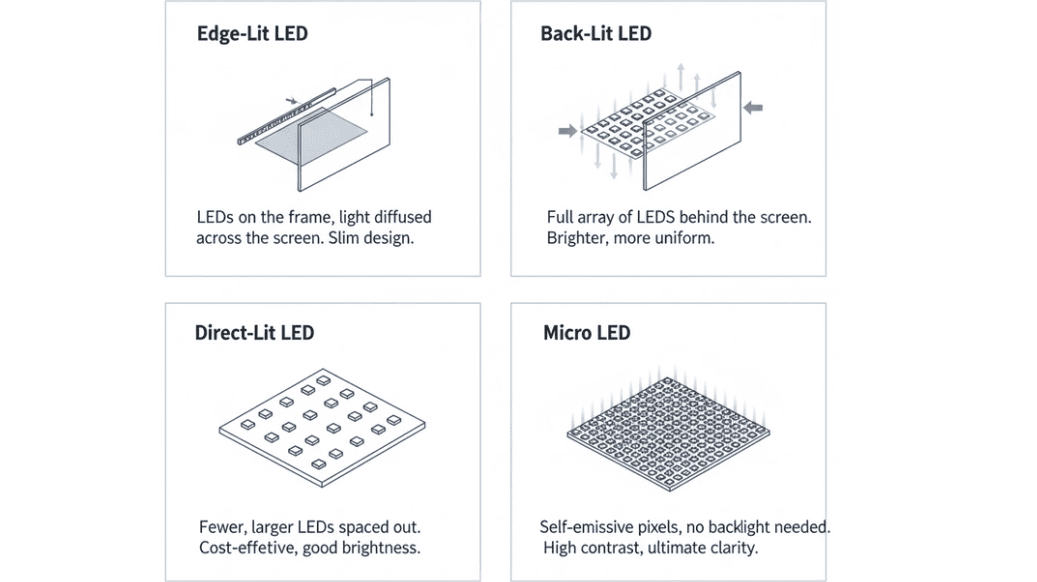
Working with LED displays requires a complete understanding of LED bulbs so businesses can pick an effective solution that will fulfill their room and performance needs. Below are the most widely used types:
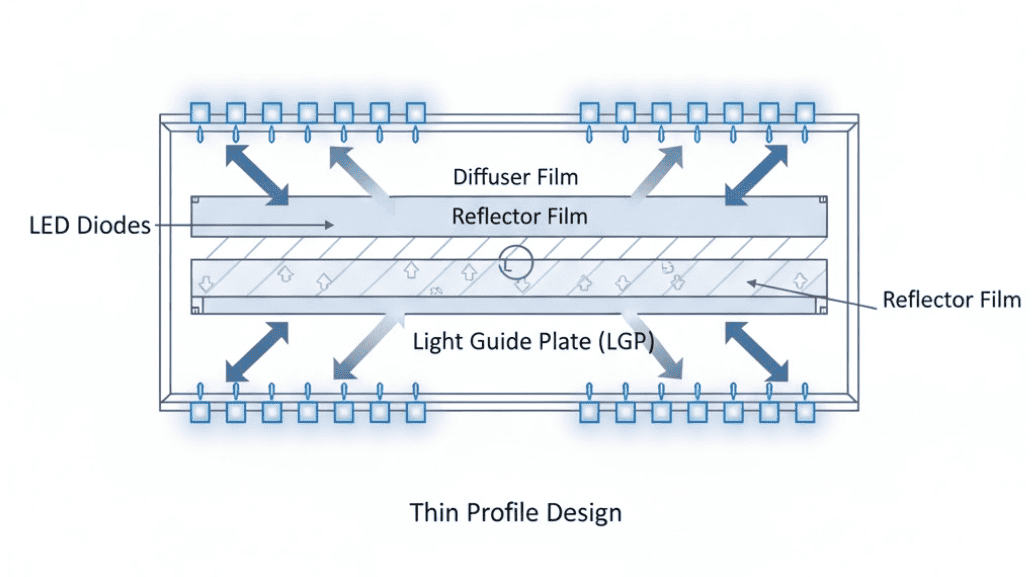
Edge-lit LED screens position LEDs along the edges of the screen. A light guide panel distributes light over the screen. It assists in delivering ultra-thin screens and lower energy consumption, but it may lead to non-uniform brightness.
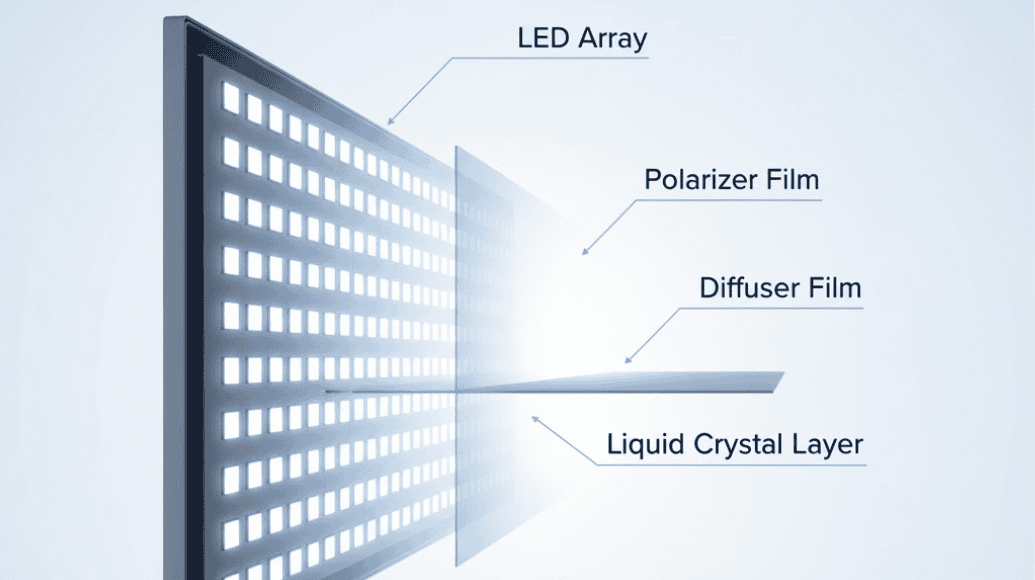
Backlit LED monitors place LEDs behind the screen, providing brighter and more even lighting and better overall image quality. This design makes it easier to see and is ideal for uses where even illumination is needed.
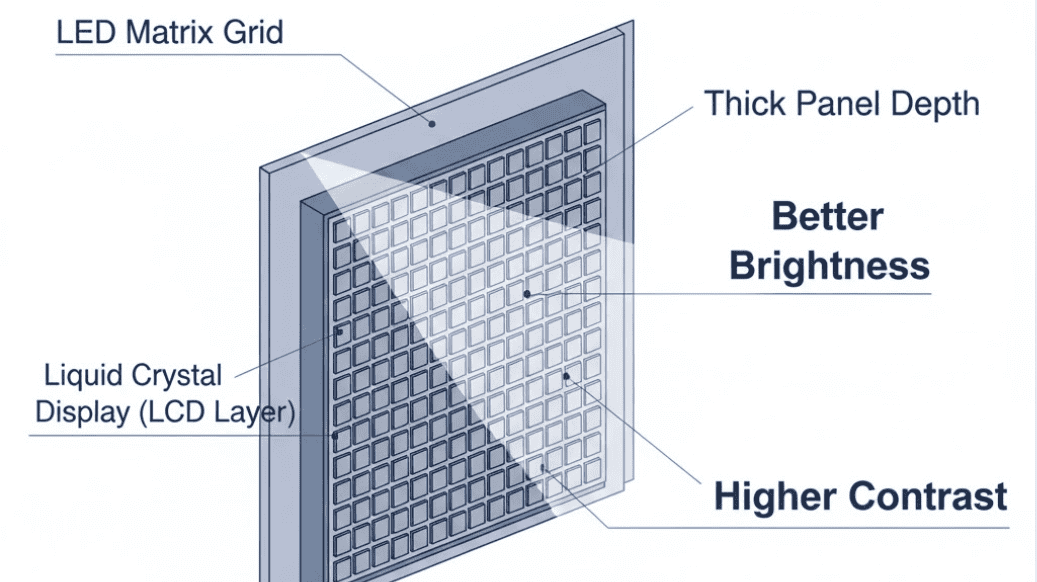
Direct-lit technology places LEDs in front of the LCD panel and does not employ a light guide. Even though the screens end up thicker, they offer better brightness and contrast.
They are best suited for locations where high-performance monitors are needed. Another type is indirect light. So choose wisely between direct and indirect lighting.
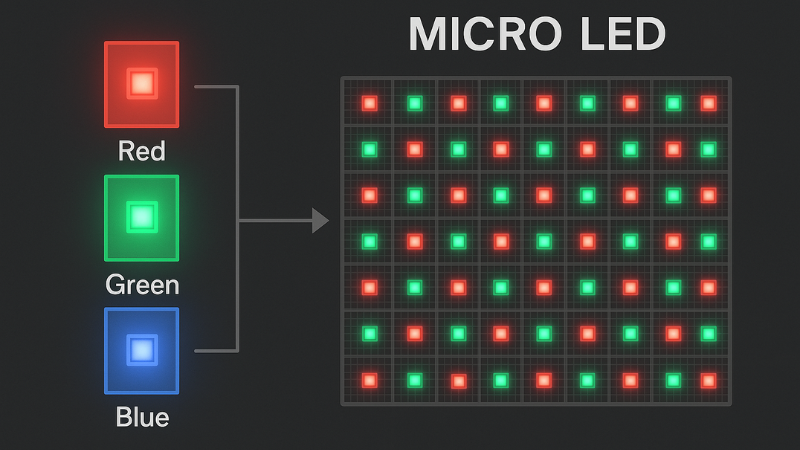
Micro LED screens use millions of individual LEDs to create one pixel. They offer superior luminance uniformity due to their exceptionally high color accuracy, brightness, and efficiency.
Micro LEDs are the pinnacle of LED technology, but they are currently more expensive and less common.
Edge-lit LED technology focuses on miniaturization and efficiency. LED pros and cons are really important to consider:
Energy Efficiency: Edge-lit panels consume less power and, therefore, are more expensive in the long term with regard to energy expenditures.
Slim Profile: LEDs are mounted at the edges to produce ultra-slim and lightweight designs—ideal for wall mounting or space-saving installation.
Great Picture Quality: Even though edge-lit panels provide good picture quality, even lighting or contrast is compromised in bigger sizes.
Cost-Effective: Due to their simpler building and reduced power usage, edge-lit LEDs are utilized in consumer-level TVs, monitors, and business usage where cost is a critical factor.
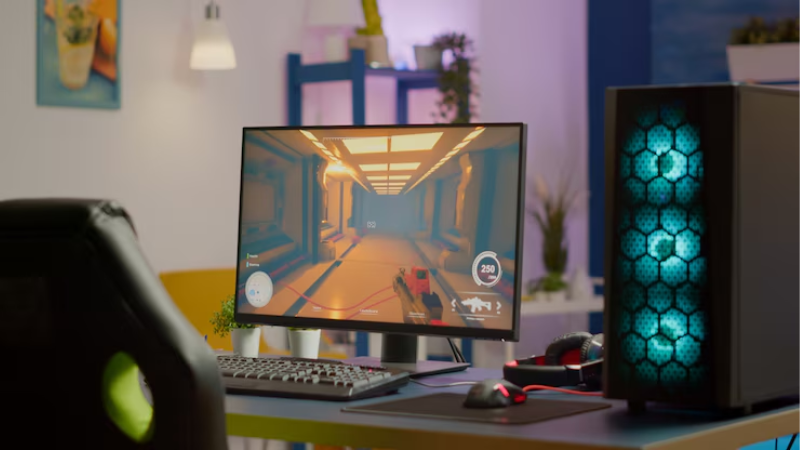
Backlit LED technology is centered around image quality and consistency, providing a premium solution for display needs:
Bulkier Build: Backlighting tends to require a thicker panel, which isn’t always preferred for all applications.
Increased Cost: The extra features and performance benefits of backlit LED panels make them more expensive than their edge-lit counterparts, which are often lower in price.
Premium Picture Quality: LEDs evenly distributed across the entire panel provide improved brightness consistency, contrast, and color accuracy.
High-End Applications: Typically applied in high-end commercial displays, signage, and professional monitors where image quality is a concern.
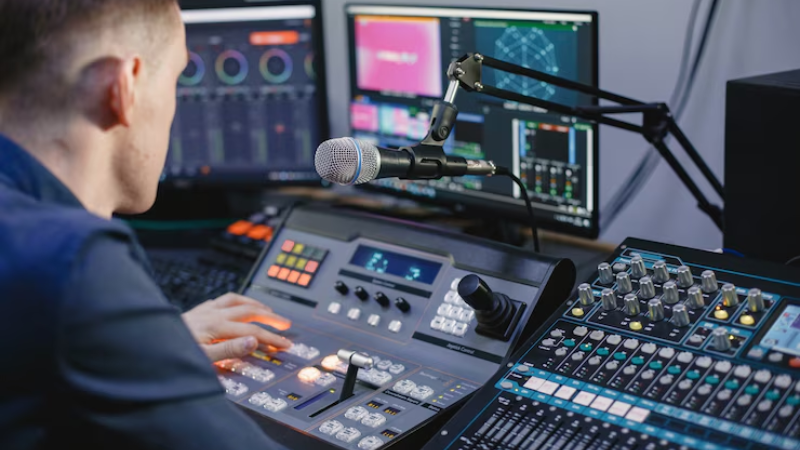
| Component/Metric | Edge-Lit Panel | Back-Lit Panel |
|---|---|---|
| LED Placement | Frame edges (side-emitting) | Backplate array (direct-emitting) |
| Light Diffusion | Light Guide Plate (LGP) + diffuser | Micro-prismatic diffuser + lenses |
| Heat Management | Frame dissipates heat | Metal backplate acts as heatsink |
| Thickness | Ultra-thin (<15mm) | Thicker (20-30mm) |
| Uniformity | Superior (LGP-driven) | Lens-dependent |
| Efficacy (lm/W) | Lower (LGP light loss) | Higher (no LGP loss) |
| Lifetime Costs | Lower (external driver) | Higher (built-in driver) |
| Upfront Cost | Mid-high (PMLA LGP cost) | Lower (but risky if low-tier) |
| UGR Control | Diffuser-dependent | Requires lenses/light grids |
| LGP Material | PMLA: 92% light transmission | PS: 80% light transmission |
| Lens Adhesion Risk | Not applicable | Modern adhesives reduce detachment |
In the case of long-term lighting solutions, the initial cost is merely a percentage of the total cost. Maintenance, replacement, and power consumption over the years are all critical considerations in determining the most cost-effective solution.
This case study demonstrates the comparison of the 10-year cost of 100 lighting panels for two traditional solutions: Edge-Lit panels and Low-Quality Back-Lit panels.
| Panel Type | Energy Cost (10 Years) | Maintenance & Replacement | Total 10-Year Cost |
|---|---|---|---|
| Edge-Lit Panels | $2,000 | $14,000 | $16,000 |
| Low-Quality Back-Lit | $3,000 | $17,000 | $20,000 |
Cheap back-lit panels can appear to be cost-cutting in the short run, but are costly in the long run because they consume more energy and require more maintenance due to higher thermal resistance.
Increased investment in more sophisticated Edge-Lit panels translates to huge savings over a period of 10 years.
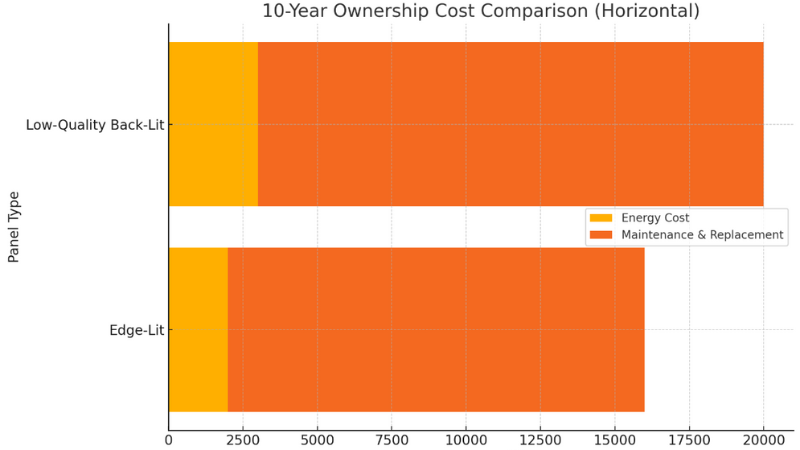
Choosing the wrong lighting panels leads to rapid performance decline, more maintenance, and early replacement—causing much more cost and disruption.
A simple procurement guide checklist below outlines typical pitfalls with Edge-Lit and Back-Lit panels and how to order to provide future-proof reliability.
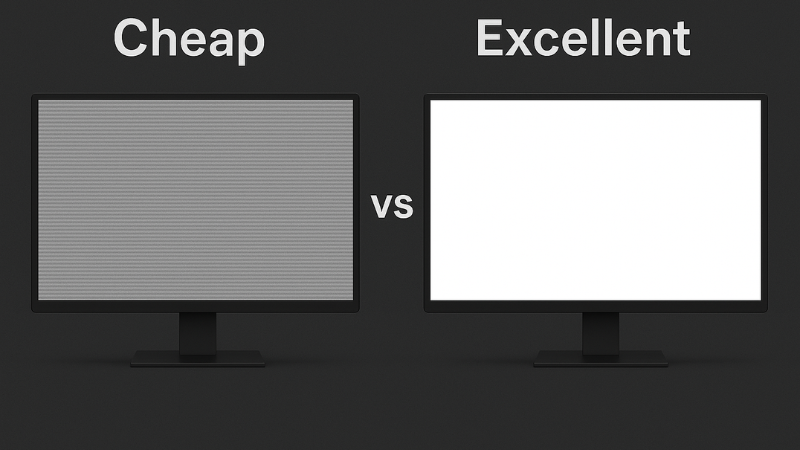
Back-lit panels are susceptible to a variety of pitfalls with no useful front panel or diffuser.
To protect your investment and for the panels to last long, search for the top LED manufacturer in the USA and quote the following at purchase:
These reports ensure that the panels meet essential durability and safety standards—essential to long-term performance.
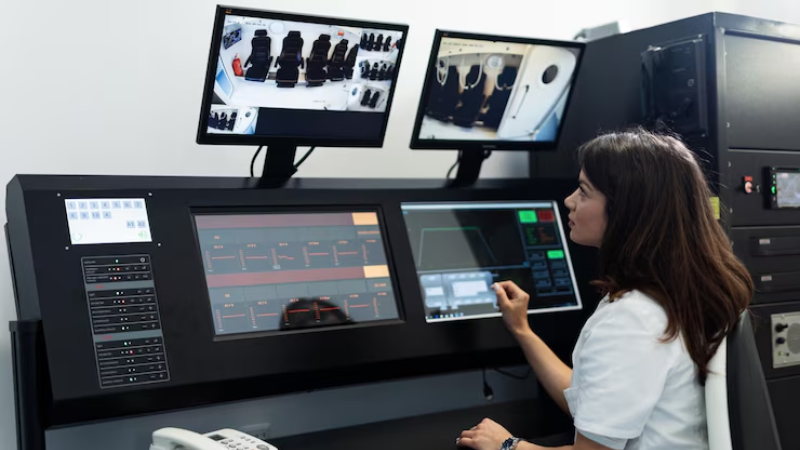
LED lights are the future of the lighting industry. When choosing LED lighting, your selection must be appropriate for the desired application and picture quality.
Brightness and clarity are paramount on displays like monitors or televisions, but energy consumption and cost in the long term are concerns for commercial and home usage.
Slimmer, more streamlined LED options are gaining increasingly wide appeal due to their slender thickness and space-conversion benefits, especially suited for modern interior decor or compact installations.
It’s also worth doing thorough research—reading technical specs and product reviews—to ensure that the LED solution you choose meets performance and budget needs.
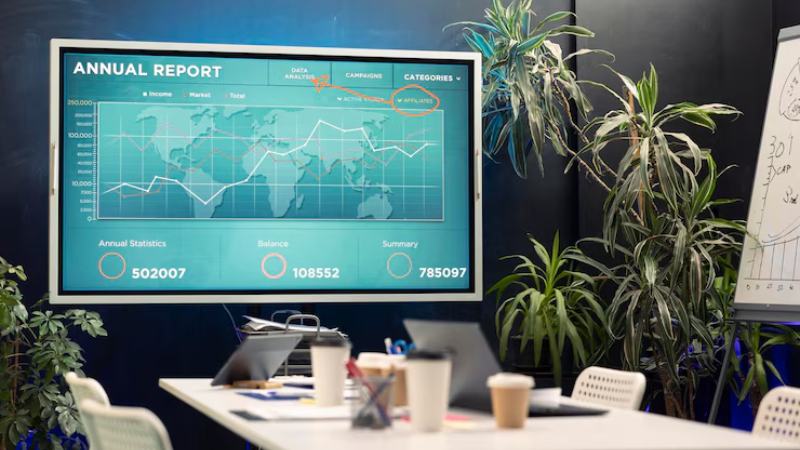
Edge-lit LED panels offer good value for businesses that require an affordable but effective commercial lighting solution, particularly in screens like television sets and computer monitors. To be even more attractive, LED modules can reduce power consumption without reducing luminance.
New technologies such as local dimming enable minute brightness level control, enhancing image depth and contrast without an increase in energy consumption.
Moreover, employing panels with multiple zones and additional LEDs can significantly improve image quality and save money, providing sharper images without sacrificing energy savings in the long term.
Choosing the best LED lighting compromises performance, efficiency, and cost. By bringing your specific application to life and exploring smart technologies like edge-lit panels and local dimming, you will achieve outstanding visual performance and bottom-line savings.
At Risuncorp, we leverage years of industry experience as a trusted builder of high-performance LED light solutions. Ready to level up your lighting game?
Contact us now for our newest catalog of products or schedule a free consultation with our experts to discover how Risuncorp can be the path to prosperity for you.
Q1: Which panel is ideal for 3m office ceilings?
Edge-lit panels are ideal. They offer excellent glare control with Unified Glare Rating (UGR) < 19, making them ideal for offices with typical ceiling heights of approximately 3 meters.
Q2: Can we include more than one type of panel in a single project?
Yes, you can mix panel types within a single project for functionality and economy. For instance, Utilize Back-Lit panels in warehouses or utility rooms where appearance is of lesser concern and glare control. Utilize Edge-Lit panels in classrooms, meeting rooms, or offices where visual comfort matters.
However, ensure that all panels are compatible with a shared control system(e.g., occupancy sensors, dimming) to avoid integration issues.
Q3: How do we verify UGR claims?
Demand third-party photometric test reports from suppliers that have been conducted to EN 12464-1 standards. They offer objective measures of glare performance and allow you to check for compliance and performance claims before purchase.
Ready to get started ?
Send Your Inquiry

Our team will get back to you promptly

please
download
Get notified about new products
Our team will get back to you promptly!