Need to make the right choice on lighting for your vehicle, business, or outdoor area for different tasks?
This is a how-to guide that explains what 2000 lumens truly means in real life, enhancing your understanding. We’ll also explain when to go brighter and when less is more. Let’s explore the ideal lumen level for your needs.
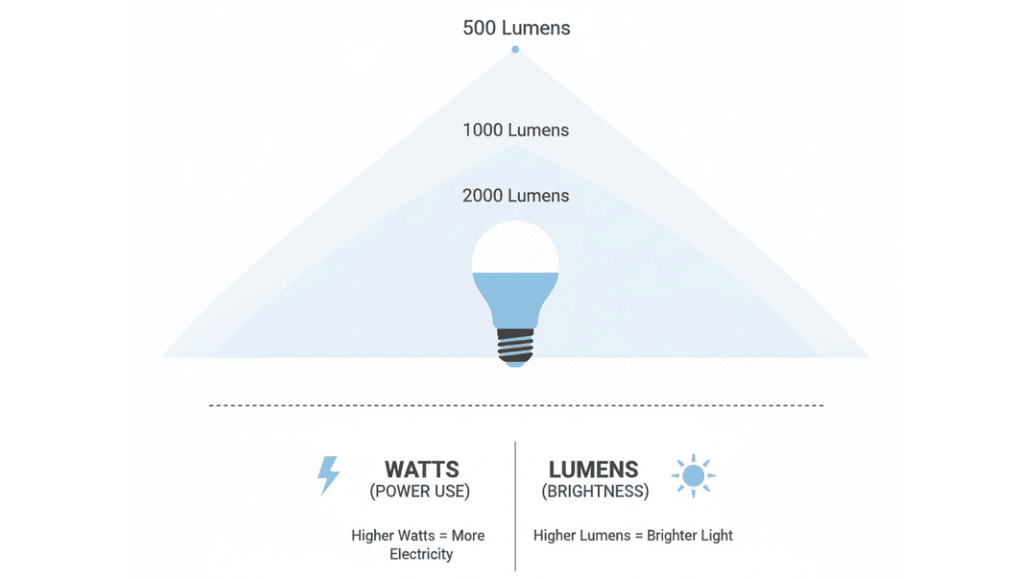
Lumens measure brightness—the amount of visible light emitted in various environments. Unlike watts, which measure energy use, lumens measure how bright light is.
Greater light means higher lumens, regardless of increasing power usage. It all depends on the size of the bulb and the lumens.
The right lumen levels are critical for industrial and commercial purposes. They determine visibility, safety, energy efficiency, and even productivity in spaces like the kitchen. However, special kitchen lighting fixtures are used for better visibility in kitchen spaces.
Applying lighting according to lumens ensures the room is well-lit without wasting energy. The right lumen output, when considered carefully, impacts efficiency, cost, and workplace performance.
Under- or over-lighting mistakes will result in visibility issues or unnecessary energy consumption. Lumen levels avoid those mistakes.
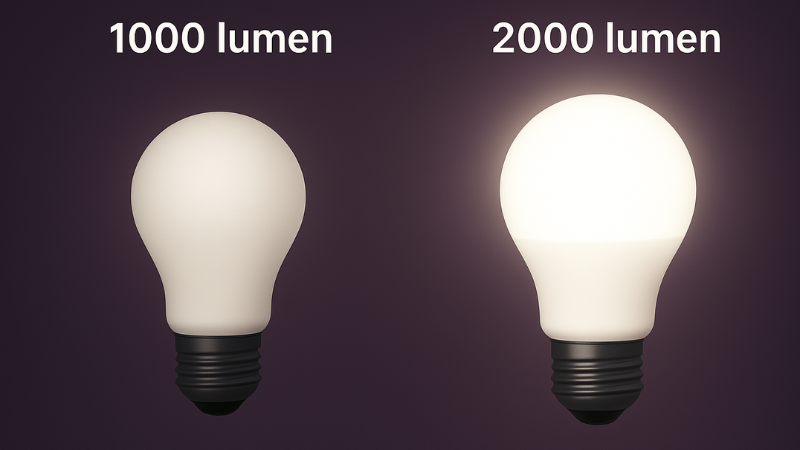
| Lumens | Incandescent Equivalent | LED Equivalent | Suitable Ceiling Height | Coverage Area | Best Use |
|---|---|---|---|---|---|
| 1000L | ~75W | ~10-12W | 2.5m - 3m (8-10ft) | ~10m² (100 ft²) | Small offices, retail displays, task lighting |
| 2000L | ~150W | ~20-25W | 3m - 4.5m (10-15ft) | ~15-20m² (150-200 ft²) | Open workspaces, warehouses, large retail areas |
Knowing when and where to use 1000 or 2000 lumens, especially in indoor environments, enables companies to maximize light performance, power efficiency, and end-user experience.
1000 lumens is best used in spaces that require subtle, targeted light, such as flashlights, without flooding the space.
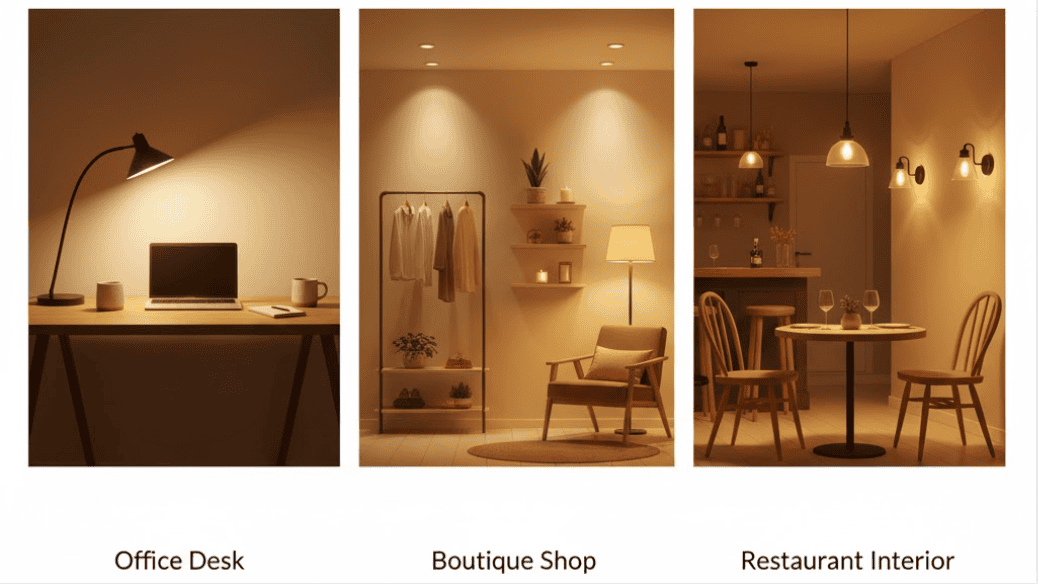
Retail store lights need to be perfect for good product display. For retail and hospitality establishments, 1000 lumens is perfect for product display, accent lighting, and ambiance lighting for boutiques, hotel lobby areas, restaurants, and cafes.
The brightness level maintains the atmosphere without overpowering the setting, making it perfect for creating a welcoming ambiance.
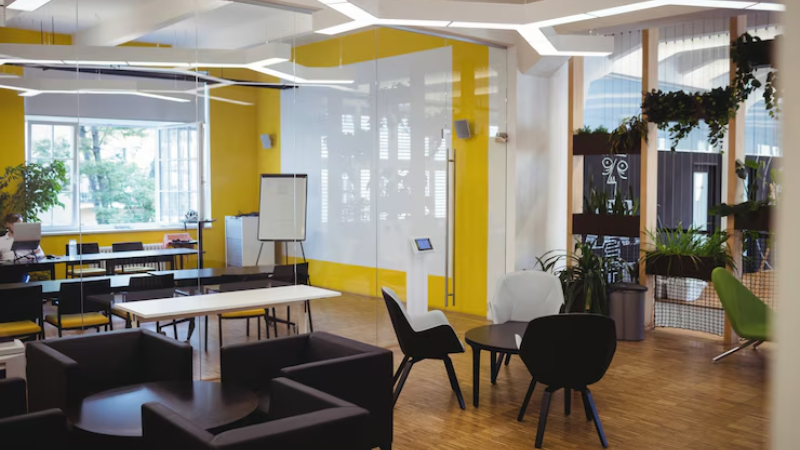
For offices and workplaces, 1000 lumens is appropriate for task lighting at the work surface, desktop lighting, and overhead lighting in small meeting rooms.
It brings enough light to allow for concentrated work without glare, making a comfortable and productive work environment for employees through optimal luminance levels and reduced visual fatigue.
For warm and intimate indoor business environments, different types of decorative lighting fixtures, such as pendant lights, under-cabinet lights, and wall sconces, can utilize 1000 lumens to foster welcoming, elegant environments.
This is the perfect synergy of function and aesthetics to perfect the general lighting in the environment.
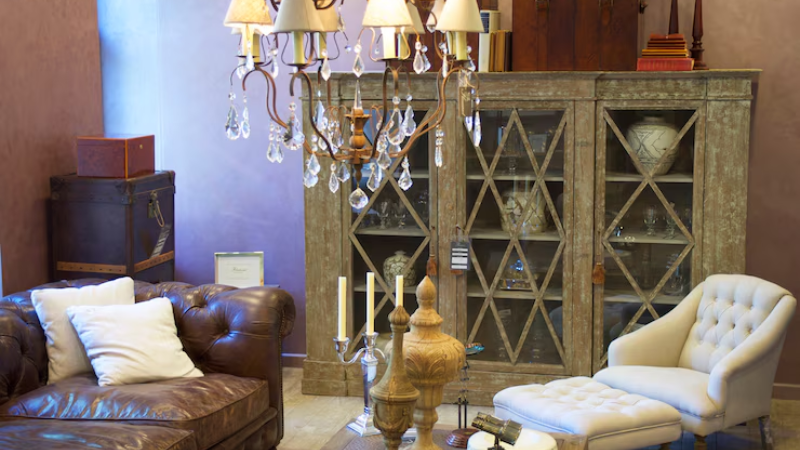
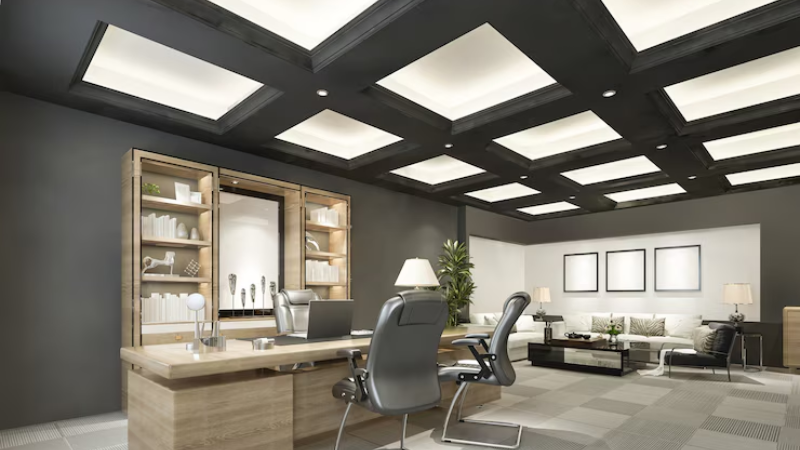
2000 lumens will be ideal in humongous areas where very intense brightness, well-spaced lighting is needed for security purposes, visibility, and traffic-density points, ensuring sufficient illuminance that can affect visual perception and safety.
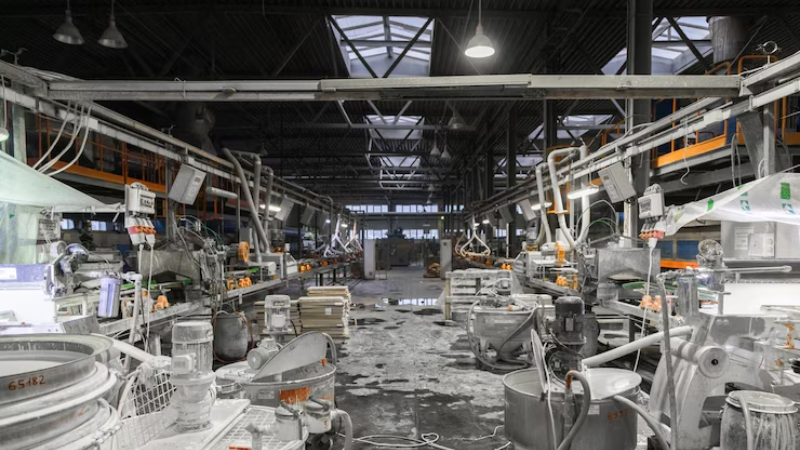
2000 lumens is required in manufacturing facilities and factories for lighting vast areas like warehouse halls, factory rooms, and production lines where production and safety matter. Further architectural lighting is necessary to reduce shadows to enable the workers to perform properly and securely.
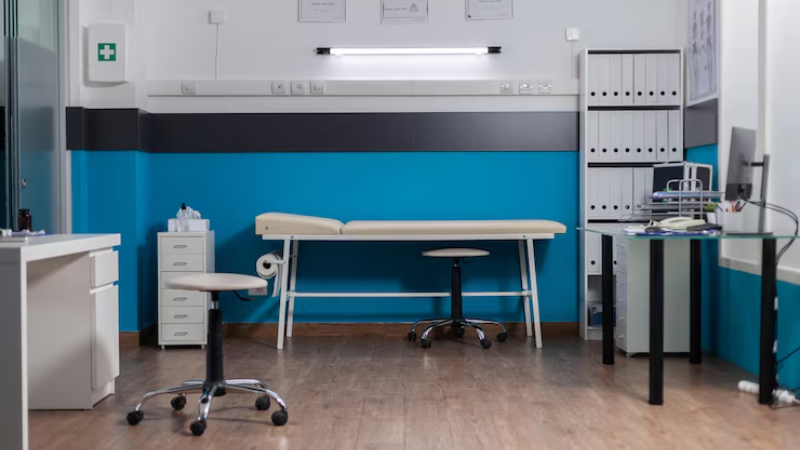
2000 lumens deliver adequate visibility to high-risk areas like operating rooms and laboratory rooms where accuracy is most needed, providing very high visual acuity levels.
The measurement of light must be accomplished so that it will deliver precision and reduce lost visibility.
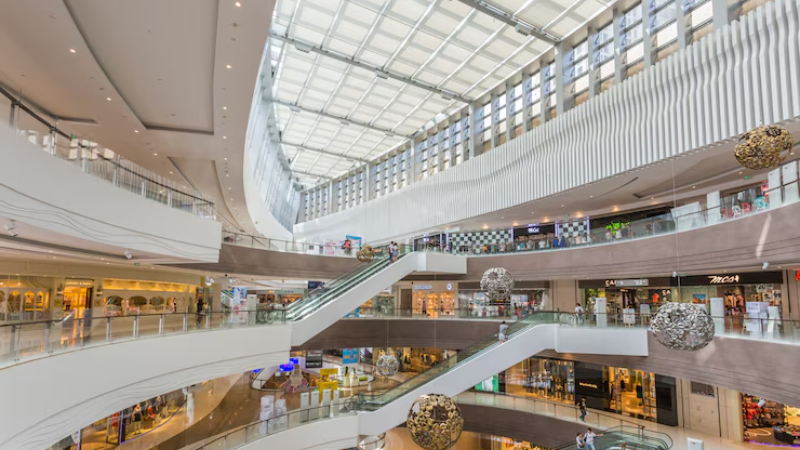
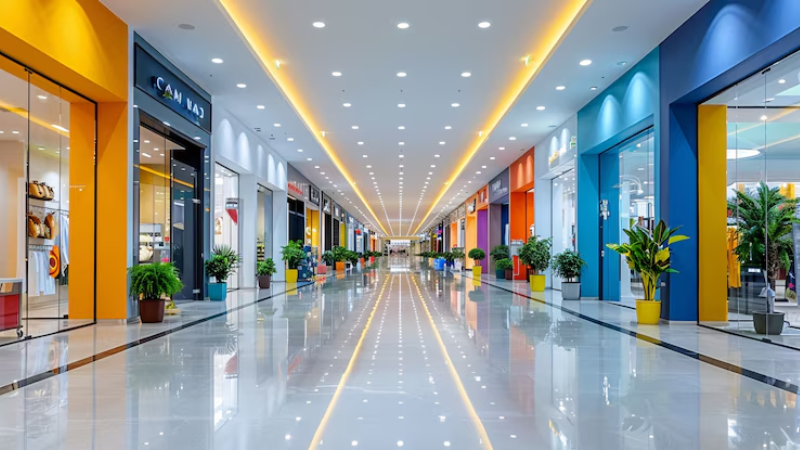
Big areas require commercial light units. For busy shopping places like shopping malls, supermarkets, and showrooms, 2000 lumens are suitable for various applications and give bright, evenly distributed light.
It creates a better shopping experience and gives light across the area. Busy spaces require this so the consumer can feel at ease and secure.
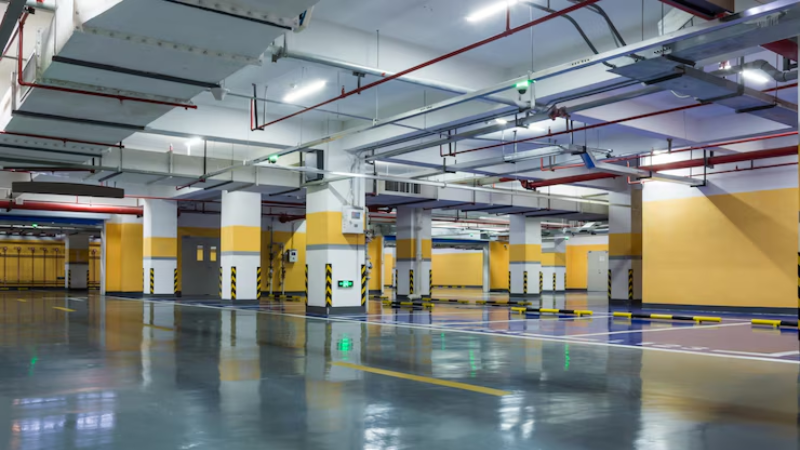
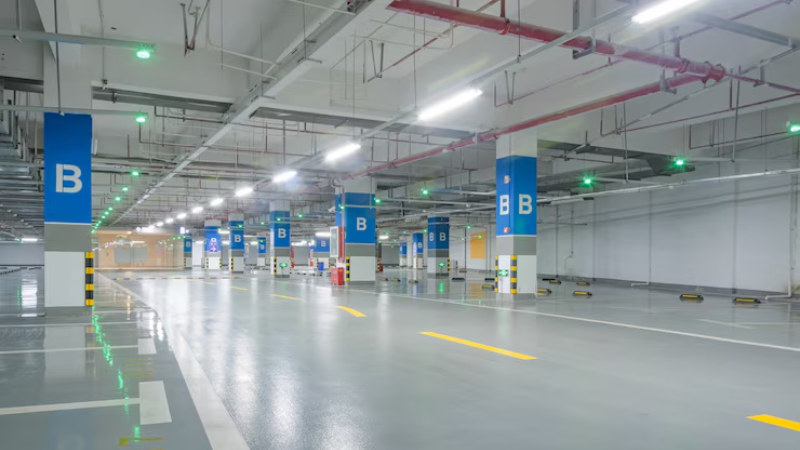
For security and outside lighting, 2000 lumens are most appropriate for parking lots, large entrances, and security zones. They provide good visibility for security and safety, as well as for cooking areas.
As they are fixed outside, such lights illuminate large surfaces and never have blind spots to provide complete coverage.
LEDs use less wattage and power than halogens and have longer lifetimes, which can result in tremendous cost savings for companies. Therefore, weigh down halogen vs. LED light bulbs before inventing them in bulk.
To give that perspective, LED technology is a category leader in terms of power efficiency. Here is the power consumed by 1000-lumen and 2000-lumen lighting broken down:
LEDs consume about 80% less power than halogens and about 40% less power than CFLs, providing maximum efficiency to commercial users who want to save energy and have lower utility bills.
LEDs are maintenance and energy cost savers, and their long life facilitates a high return on investment.
One office business followed the office lighting guide and replaced 100 CFL bulbs (15 watts each) with workplace LED lights (10 watts ). Since LEDs have a longer lifespan of 50,000 hours over CFL at 10,000 hours, the cost of replacement is reduced by this improvement as well.
Maintenance needs were also significantly reduced, aside from saving the company.
The replacement of 2000-lumen LEDs in warehouses enhances illumination, which means fewer workplace hazards and lower lighting maintenance costs because of increased bulb life.
Last but not least, the cost of lighting maintenance is significantly lowered, and the company can utilize the money elsewhere.
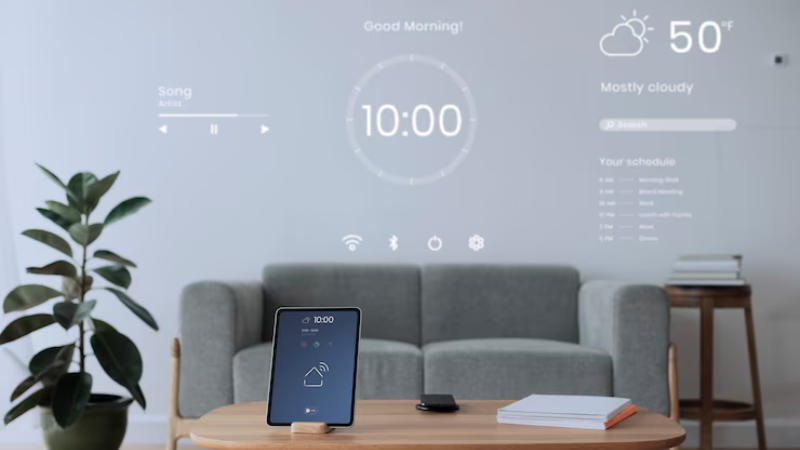
Dimming becomes feasible, along with variable output and smart features like presence detection and cell-phone control ability, to help optimise power efficiency and application versatility through advanced adaptive lighting systems.
1000-lumen designs are appropriate for applications that call for adjustable or dimmable light, such as desk lamps and general store lighting.
2000-lumen designs are appropriate for heavily used spaces such as workshops or security networks, where output adjustability and higher brightness are required to allow usability and security.
Advanced features such as occupancy sensors, smartphone compatibility, and daylight harvesting enable companies to manage lighting and adjust brightness according to sunlight or occupancy, leveraging photometric control for enhanced efficiency and comfort.
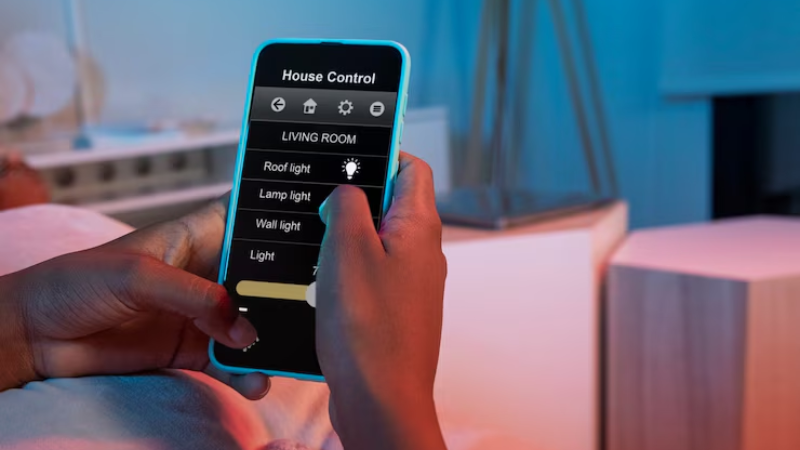
This is even more energy-efficient and cost-effective, and maximizes lighting performance for companies that require smart, efficient solutions.
In conclusion, choosing the optimum lumen levels not only enhances vision but also conserves energy and dollars in the long term. By efficiently using light solutions, companies are able to reap maximum productivity, security, and overall customer satisfaction.
Being one of the top producers with years of background in the lighting industry, Risuncorp is an expert at providing high-quality LED products based on your business requirements.
Do you want to improve your lighting solutions? Schedule a free consultation now, or download our product catalog to see our entire range of energy-saving lighting solutions.
Q1: What quantity of 1000-lumen units is required for a 50m² shop?
For a 50m² shop floor space, five evenly distributed 1000 lumen units should be perfect. The number can be adjusted depending on usage, ceiling height, and natural light provided.
Q2: Is 2000 lumens too much for office corridors?
2000 lumens might be excessive for typical office hallways unless employed in heavy-traffic office corridors or exit corridors that require ultimate brightness. For typical office corridors, lower lumens are the best to produce a soothing, unobtrusive environment.
Q3: Are 1000-lumen LEDs industrial-resistant?
Yes, if the IP rating is industrial grade (IP65 or above), 1000-lumen LEDs are industrial-resistant and can handle extreme industrial conditions, with a warranty of longevity and durability in rugged conditions.
What makes luxury chandeliers a must-have in upscale interiors? Being a symbol of art, they define elegance and leave an impression. With the market growing at a CAGR of 8.06% from 2024 to 2028, demand is surging. Hotels, villas, and businesses use chandeliers to set the mood and showcase their brand.
But choosing the Luxury chandelier isn’t just about looks. Quality, scale, and design matter just as much. Let’s explore what to consider for the perfect choice.
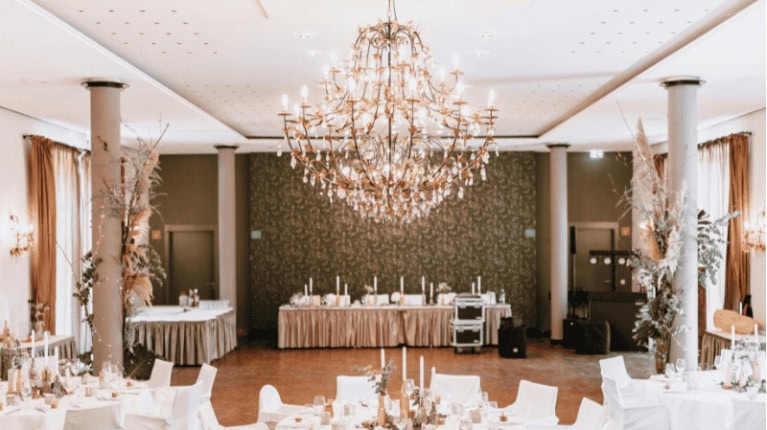
Luxury lighting transforms commercial spaces. Chandeliers set the mood, adding elegance and warmth. They elevate the design, making interiors feel grand and inviting. Guests remember the experience, strengthening brand loyalty.
For hotels, villas, and upscale commercial spaces, the quality of lighting impacts brand image. A well-lit space feels high-end, making visitors more likely to return. Dull or outdated lighting, on the other hand, can make a space feel uninviting.
Hotel owners, luxury villa developers, and interior designers seek premium chandeliers. They know lighting isn’t just décor—it’s an investment. The right chandelier attracts high-end clients and boosts business success.
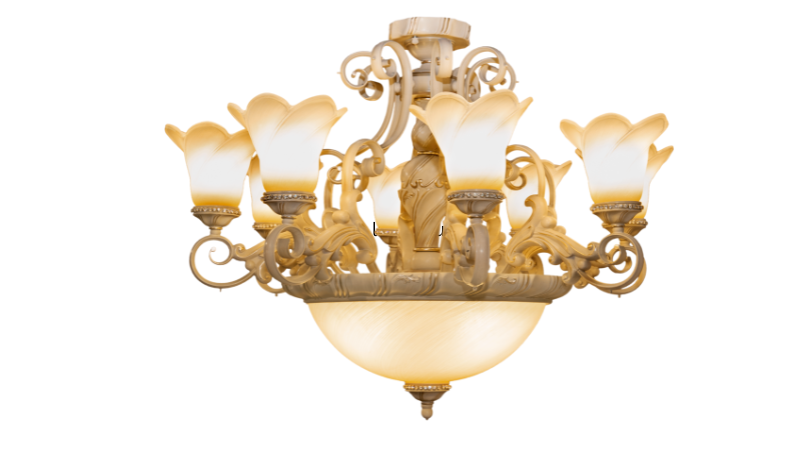
Premium chandeliers are made of crystal, brass, bronze, and Murano glass materials. These materials offer both durability and elegant design. Handcrafted chandeliers are the finest ones. They are made with unmatched detail.
Mass-produced chandeliers lack such detail and finesse. If maintained well, a well-crafted chandelier can last for 50 years.
To carve a unique identity, custom-made luxury chandeliers are the go-to. Some Commercial spaces need statement pieces, while some require subtle ones. The design selection for chandeliers depends on the interior design. It can be modern, minimalist, or classical.
Chandeliers matching the space dimensions have visual appeal. Proper sizing ensures balance and harmony. For example, a 20×30-foot ballroom requires a 50-inch chandelier as its suitable size. A large chandelier overwhelms a space, while a smaller chandelier fails to stand out.
The energy usage of LED chandeliers sinks to 75% below that of traditional light bulbs. LED chandeliers give out radiant light at a lower cost. Plus, the dimming feature allows the creation of an ambient space in commercial spaces. The guest experience and comfort level improve when lighting has dimming features.

Chandelier’s lighting becomes secondary in commercial settings. A chandelier has to reflect the brand in such spaces. As an example, to add elegance, luxury hotels need crystal chandeliers.
Boutique hotels look best with modern LED chandeliers. Resorts hit their peak with artistic and nature-focused fixtures. Chandeliers matching hotel themes carve out a unique identity and attract the target audience.
High-traffic spaces in hotels need durable chandeliers. Stainless steel, brass, and reinforced glass can provide such chandeliers. Easy-to-clean chandelier designs reduce maintenance costs.
Hotels holding several events go for modular light fixtures because they can be repaired quickly on-site. A well-kept chandelier keeps the disruptions minimal and functions longer.

A striking chandelier has an element of awe in commercial settings. Multi-tiered chandeliers usually have this kind of stunning effect.
To add grandeur to the hotel lobbies, multi-tiered chandeliers are the first choice. Similarly, statement lighting fixtures take the experience to another level in ballrooms.
To have a strong impact, well-sized chandeliers are pivotal. Well-sized chandeliers neither overwhelm nor underwhelm the space. Supplier companies customize to match the ceiling height and room dimensions.
Hotels find ways to keep both visual appeal and energy efficiency. To achieve this, LED chandeliers stand as the first choice. They cut down energy expenses with a longer operational lifespan.
Smart lighting in hotels modifies illumination intensity to create an ambience. Energy-efficient chandeliers align with sustainability goals and green certifications. Hotels with low power consumption have superior returns on investment over time.
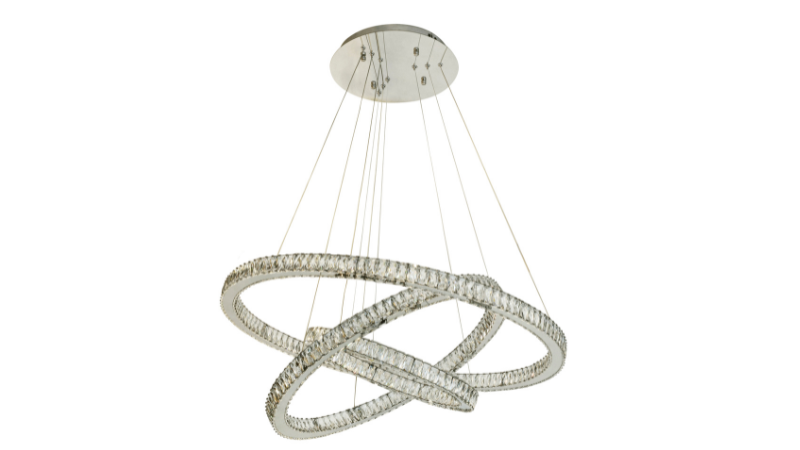
Luxury homeowners want chandeliers that match their unique style. Customization is key. Leading suppliers offer options in shape, material, finish, and lighting features. Crystal, brass, and hand-blown glass remain top choices. Tailored lighting enhances villa aesthetics and exclusivity.
Large villas need statement lighting. Grand staircases and expansive living rooms demand oversized chandeliers. Proper placement maximizes impact. Install in entrance halls for a lasting first impression. Dining rooms need balanced lighting for elegance and function.
Eco-conscious design is growing. Luxury chandeliers now feature sustainable materials. LED lighting reduces energy use without compromising beauty. High-end finishes like recycled glass and responsibly sourced metals add elegance. Modern villas blend sustainability with sophistication.

Chandeliers shape the atmosphere of a commercial space. They add elegance while serving a functional role. A well-chosen fixture enhances customer experience. Modern designs create a sleek look. Classic styles bring warmth and sophistication.
Restaurant lighting must match its theme. Formal dining spaces need crystal or statement pieces. Casual restaurants benefit from rustic or industrial styles. Gourmet spaces shine with artistic chandeliers. Fast-casual spots work best with minimalist lighting.

Luxury boutiques need eye-catching chandeliers. High-end brands prefer sleek, contemporary designs. Corporate offices use elegant lighting to reflect professionalism. The chandelier should align with the brand’s identity.
Good lighting improves mood and productivity. Soft, diffused light creates a welcoming space. Bright but comfortable illumination is key for retail and offices. Balance aesthetics with functionality for the best results.
Below are the different types of Chandeliers for different spaces.
| Chandelier Type | Ideal For | Design Style | Material | Best Placement |
|---|---|---|---|---|
| Crystal Chandeliers | Hotels, Villas | Elegant, Grand | Swarovski, K9 Crystal | Lobbies, Ballrooms |
| Modern Chandeliers | Hotels, Offices | Minimalist, Sleek | Glass, Metal | Reception, Meeting Rooms |
| Classic Candle Chandeliers | Villas, Restaurants | Vintage, Traditional | Wrought Iron, Bronze | Dining Areas, Hallways |
| LED Chandeliers | Commercial Spaces | Energy-efficient, Contemporary | Acrylic, Aluminum | Conference Halls, Lounges |
| Sputnik Chandeliers | Luxury Apartments | Artistic, Futuristic | Brass, Metal | Living Rooms, Entryways |
| Drum Chandeliers | Boutique Hotels | Soft, Sophisticated | Fabric, Glass | Bedrooms, Small Dining Spaces |

The top-ranking suppliers help reduce project-related perils. A supplier with extensive experience only supplies dependable products.
Such suppliers have certificates like CE, UL, and IP. These certificates safeguard the project from regulatory noncompliance. High-end projects need to fulfill all industry requirements.
Bulk purchases create cost efficiencies, yet supplier rates differ between providers. Some offer better rates, while others focus on premium craftsmanship.
Strong negotiation secures discounts, extended warranties, and better payment terms. Without proper agreements, delays and hidden costs can impact the budget.
Custom chandeliers require top manufacturers. Poor craftsmanship can cause design problems and extensive production delays. The selection of a dependable supplier maintains project consistency, which minimises future project risks.
Weak supplier relationships often result in inconsistent quality and unreliable deliveries

Luxury lighting is booming and constantly evolving. Contemporary and mid-century modern chandeliers are in high demand. Crystal chandeliers remain timeless, adding elegance to grand spaces.
Vintage designs are making a comeback, blending classic charm with modern aesthetics. Minimalist chandeliers with sleek lines and subtle details are now a top choice for high-end properties.
Smart chandeliers are transforming commercial lighting. Features like dimming, color changing, and remote control enhance convenience.
Energy-efficient LED chandeliers are replacing traditional options. Many luxury brands now use eco-friendly materials to meet sustainability goals. This shift reduces costs and supports green initiatives in the hospitality and commercial sectors.
You’re now ready to make a reality-based decision. What should be the next step? You need to find a trusted supplier to find chandeliers that go well with your brand’s image.
Whether for a hotel, villa, or commercial space, investing in premium lighting enhances ambiance and customer experience. Connect with industry experts today to bring your vision to life.
Rinsun serves to make chandeliers more radiant while adding visual beauty to the space. Our high-quality lighting brings out the best in any space, making it more luxurious.
We illuminate spaces, including villas, hotels, and offices. We transform ordinary lighting into extraordinary brilliance. Upgrade today for an elegant touch and let your chandelier shine brighter.
Looking for a modern, energy-saving lighting option? LED panel lights give you bright, even light at a smart cost. To pick the right one, you should know the main panel types and where each works best.
This guide shows you the differences, the quick sizing rules, and what to check before you buy. Ready to improve your lighting? Let’s start.
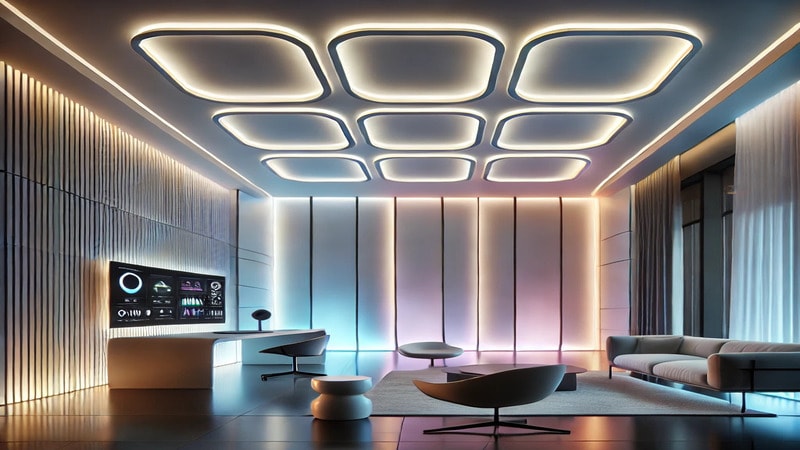
LED panels use arrays of LEDs, a diffuser, and an optical plate to spread light evenly. They are thin, durable, and use far less power than old lamps.
You can choose from common sizes like 1×4, 2×2, and 2×4, plus low-glare office versions and outdoor-rated models. With a few checks on size, color, and controls, you can match panels to almost any business space.
Some common types of LED Panel Lights are:
| Type | What it looks like | Where it shines | What to check |
|---|---|---|---|
| Edge-lit | Ultra-slim, very uniform face | Offices, hotels, homes | Slightly lower brightness; premium look |
| Back-lit | LEDs behind diffuser, deeper body | Retail floors, schools, warehouses | Higher lm/W, more output |
| Surface-mounted | Sits on ceiling surface | Concrete or high ceilings, retrofits | Fast install, easy service |
| Recessed | Flush with ceiling grid | New builds, drop ceilings | Needs grid/cutout; cleaner look |
| Smart/dimmable | App/scene control | Mixed-use spaces | Match driver: TRIAC, 0–10 V, DALI |
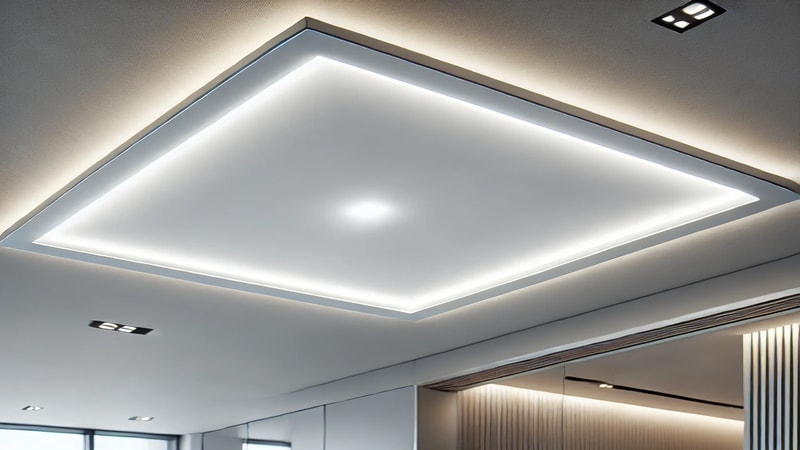
Differences between Edge-lit and Back-lit panels based on their properties are as follows:
Quick pick: You want a soft, premium look and a very thin body? Choose edge-lit. You need more punch per watt or higher ceilings? Choose back-lit.
For Outdoor settings, use Outdoor LED Panel Lights, specifically designed to be weather-resistant. Lastly, for Residential use, focus on sleek and energy-efficient light panels.
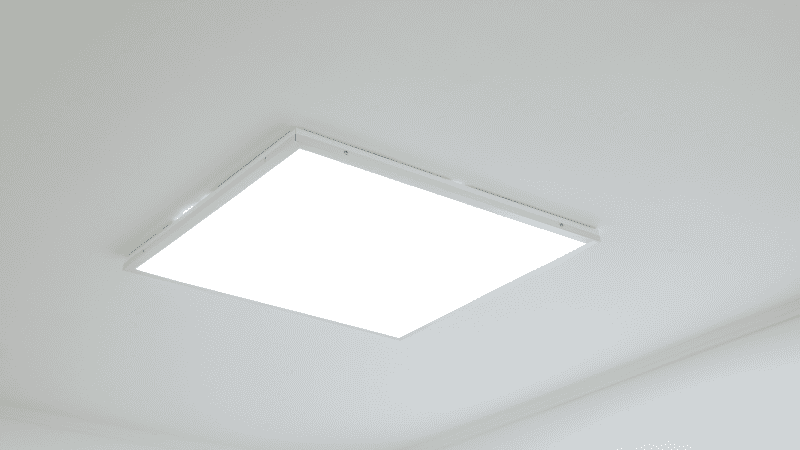
Surface-mounted panel lights go on the ceiling. Recessed LED Panel Lights are installed within the ceiling.

Dimmable panels let you set the mood and save energy. You can use simple TRIAC dimming, or go pro with 0–10 V and DALI for smooth control.
Smart modules add app and voice control if you want scenes and schedules. Always confirm driver compatibility before you order.
These lights also provide comfort by adjusting brightness based on users’ preferences.
With so many types available, choosing the right LED panel light can be tricky. Here we will discuss the Best LED Panel Lights with CCT and CRI by space:
Here’s a concise intro you can place right above the table:
| Space | CCT (K) | CRI | Notes |
|---|---|---|---|
| Living room | 3000–3500 | ≥80 | Warm-neutral, relaxed feel |
| Bedroom | 2700–3000 | ≥80 | Cozy, easy on the eyes |
| Kitchen | 3500–4000 | ≥80 | Clean, bright prep light |
| Office / classroom | 3500–4000 | ≥80 | Low glare if possible |
| Retail / gallery | 3500–4000 | ≥90 | Better color pop |
| Warehouse | 4000–5000 | ≥80 | Higher lumens, tall spaces |
Your living room feels good with warm to warm-neutral light at 3000–3500 K. Bedrooms are softer at 2700–3000 K.
Kitchens work well at 3500–4000 K, so food looks true. Pick panels that are dimmable and aim for CRI 80 or above; use CRI 90 if you care about color accuracy for makeup or photos.
Panels look slim and modern, and they sip power, so your bills drop over time.
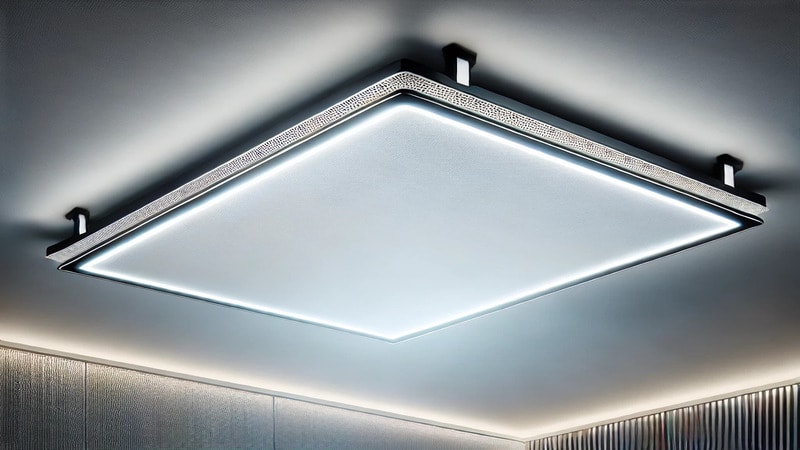
Different types of LED lights are used in commercial spaces. Offices and Conference Rooms use Neutral or Cool White color temperature ranges(4000 – 5000K) LED panels. This ensures even and bright light distribution.
Warehouses: 4000–5000 K with higher lumens and good efficiency, so aisles stay bright and safe. Choose back-lit for higher output and better lm/W in tall spaces.
Retail and Showroom Spaces: They need white color temperature (4000K). It enhances the product colors and improves customer experience.
Offices and meeting rooms: 3500–4000 K with low glare makes screens easier to read. Retail: 3500–4000 K with CRI 90 helps products pop.
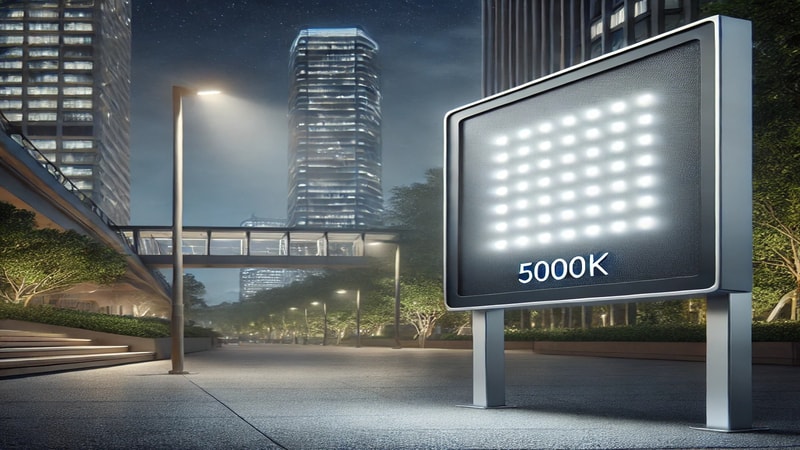
LED panel lights offer multiple benefits, such as:

When choosing an LED panel, businesses should think about multiple factors. For workplaces, high-brightness panels are ideal. On the other hand, low-lighting effect panels are used in living rooms.
Energy efficiency is another factor to consider. Make sure to choose lower-wattage LEDs, as they use less energy and, hence, are energy-efficient.
Color temperature ranges play a vital role in choosing the right LED panel. Make sure to choose the right one for your needs.
Additionally, the Color Rendering Index (CRI) measures the ability of light to show the right colors. A CRI of 80+ is best for homes and offices. Retail spaces need to show vibrant colors, should use panels with CRI 90+.
Lastly, evaluate the durability of LED panels by checking their lifespan and warranty terms. A high-quality LED panel lasts more than 50,000 hours and comes with a warranty.
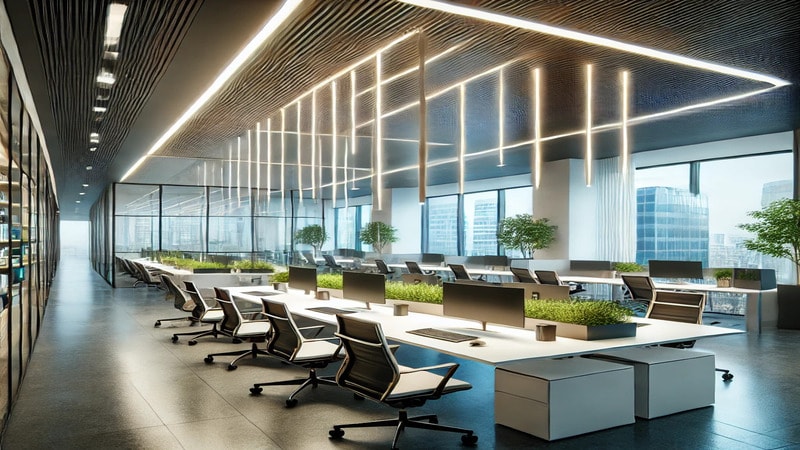
The main differences between outdoor and indoor lights are:
| Features | Indoor LED Panels | Outdoor LED Panel |
|---|---|---|
| Used in | Homes and Offices | For exterior lighting setups. |
| Brightness level | Moderate brightness for warmth and comfort | High brightness for clear visibility outdoors |
| Weather-resistance/Water proofing/Dust proofing | Optional | Mandatory |
| Heat resistance | Designed for room temperature and cannot tolerate extreme heat. | Designed for extreme hot and cold temperatures. |
| IP rating | Need Low IP rating (IP20 – IP40) | Need High IP rating (IP65 or higher) |
Opt for a supplier with:
| Region/Use | What to look for | Why it matters |
|---|---|---|
| North America | UL or ETL, FCC; DLC recommended for rebates | Safety, EMC, and utility incentives |
| European Union | CE + RoHS, ErP/Ecodesign | Safety, hazardous-substance limits, energy rules |
| UK | UKCA (plus RoHS) | Post-Brexit compliance |
| General (in/outdoor) | IP rating (IEC 60529), optional IK impact rating | Dust/water protection, durability |
| Optics/Photometry | LM-79 (luminaire), IES files | Real, model-specific performance data |
| LED lifetime | LM-80 (LED) + TM-21 (projection) | Credible life claims (e.g., L70 50,000 h) |
Proper installation and maintenance extend the life and are linked to their durability of panels.
To install LED light panels, follow the given procedure:
To install surface-mounted LED panels, first mark a suitable mounting point on the ceiling. Once marked, install mounting brackets. Next, connect the wiring to the power source.
Once wiring is connected, secure the LED panel in the bracket. Lastly, test the panel and secure it properly.
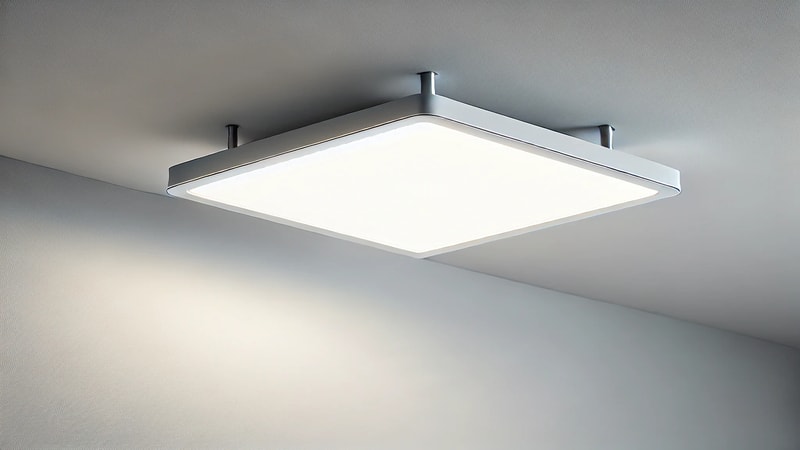
For installing a recessed LED panel, first find a place with enough space. Then, cut a shape in the ceiling and insert the panel. Once the panel is inserted, connect the panel to the power source. Lastly, test the panel and secure it.
Tips and tools to make installation easier are:
Tools: Screwdriver, Drill, Voltage tester, measuring tape, screws
Tips: While installing the panel, keep the following tips in mind:
Follow these practices to ensure the longevity of LED panels:
Regular cleaning is essential as dirt hardens over time and becomes difficult to remove. To keep panels in good condition, clean them regularly with a soft cloth. Don’t use harsh chemicals as they can damage the panels.
By cleaning panels regularly, you can easily maximize their lifespan.
Common troubleshooting steps help in resolving panel issues easily. In case of flickering, check wiring to ensure a stable power supply. Accumulated dirt in panels reduces light intensity, so make sure to clean panels regularly.
If the panel is not turning on, replacing the LED driver may help. Frequent maintenance can prevent these issues.
You can easily maximize the lifespan of panels by following some precautions. If the panels are not waterproof, do not install them in areas with high moisture. Always ensure proper air circulation around panels to prevent overheating.
Power fluctuations can sometimes damage the panels. Make sure to use voltage stabilizers to avoid such incidents.
Now that you know how to choose the best LED panel lights, take action. Figure out your specific needs and transform your business now.
To make informed decisions, make sure to read our article on the Pros and Cons of LED.
Do you want the best lighting solution for your business? If so, Risun Corp is your top choice. The experts at Risun Corp provide top-notch lighting solutions for your business requirements.
With our 14 years of experience, we are here to support you with all your requirements. Contact us today to get tailored services for your lighting-specific needs.
Q1: What is the difference between edge-lit and back-lit LED panels?
A: Edge-lit is ultra-slim and very uniform; back-lit is brighter and often more efficient. Use edge-lit for a sleek look, back-lit for higher output.
Q2: Which color temperature should I choose for home or office?
A: Homes feel best at 2700–3500 K. Offices and classrooms work well at 3500–4000 K with low glare.
Q3: Do I need CRI 90?
A: CRI 80 is fine for most rooms. Choose CRI 90 for retail, galleries, and color-critical tasks.
Q4: Can LED panels be dimmed?
A: Yes. Match the driver to your system: TRIAC for basic, 0–10 V or DALI for smooth, professional control.
Q5: What IP rating do I need outdoors?
A: Use IP65 or higher for exposed areas. For covered but humid zones, at least Damp-rated is recommended.
Are you a lighting manufacturer, wholesaler, or electrician deciding between E26 and E27 bulbs? Though they look alike, small differences impact compatibility, safety, and sourcing decisions.
This guide helps B2B buyers understand whether E26 and E27 bulbs are interchangeable, what technical factors to consider, and which option suits different markets. The right choice can improve performance and efficiency in your lighting systems.

The “E” in E26 and E27 refers to the Edison screw base, a widely used standard for light bulbs worldwide. It was named after the famous scientist, Thomas Edison.
This screw-in base is the most common socket for all types of lighting. Its simple and reliable design has kept it popular for over a century.
Edison screw bases are categorized by their diameter. It is measured in millimeters at the widest part of the screw thread. Therefore, E26 bulbs measure precisely 26mm in diameter, while E27 bulbs measure 27mm.
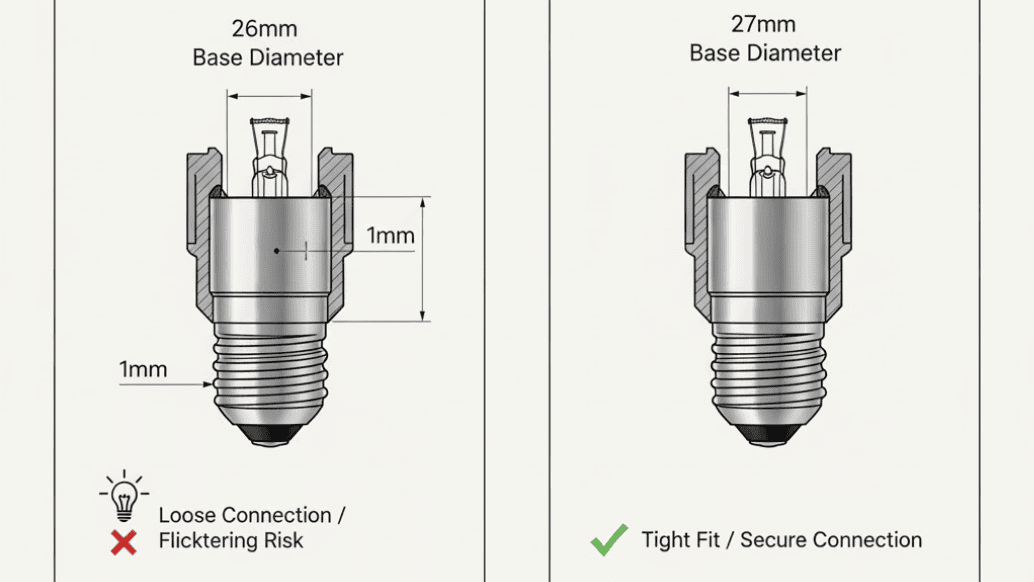
E26 bulbs are commonly used in the U.S., Canada, and Japan for both commercial and residential lighting.
They are found in offices, retail stores, warehouses, hotels, and industrial spaces across North America.
These bulbs are designed for fixtures that operate on 110-120V electrical systems. They are standard in markets following North American electrical standards.
E27 bulbs are mainly used in Europe, Asia, and Australia, where electrical grids run on 220- 240V. They are standard in factories, public buildings, outdoor lighting, and high-voltage commercial applications.
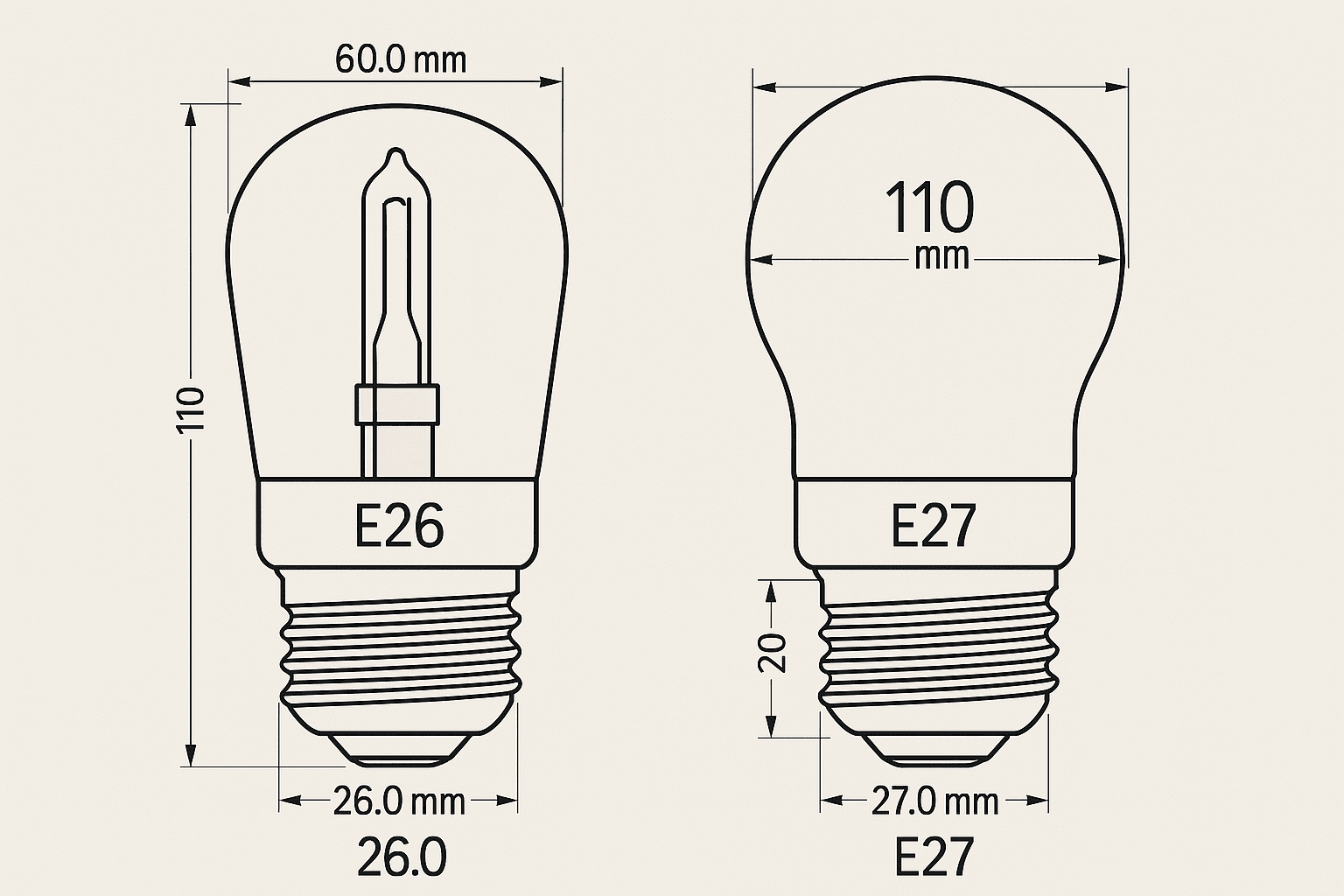
E26 and E27 bulbs often fit into each other’s sockets.
But their electrical requirements differ. Mixing them can cause performance issues, safety risks, and a shorter lifespan. This small difference reflects two major global electrical standards.
The 1mm diameter difference may seem minor, but it can cause fitting issues. An E26 bulb may not fully screw into an E27 socket, leading to loose connections and flickering. An E27 bulb may feel tight in an E26 socket, risking damage over time.
These issues are worse in settings where bulbs may loosen. Such as areas with vibration or temperature changes. In large-scale lighting, even small connection failures can lead to high maintenance costs.
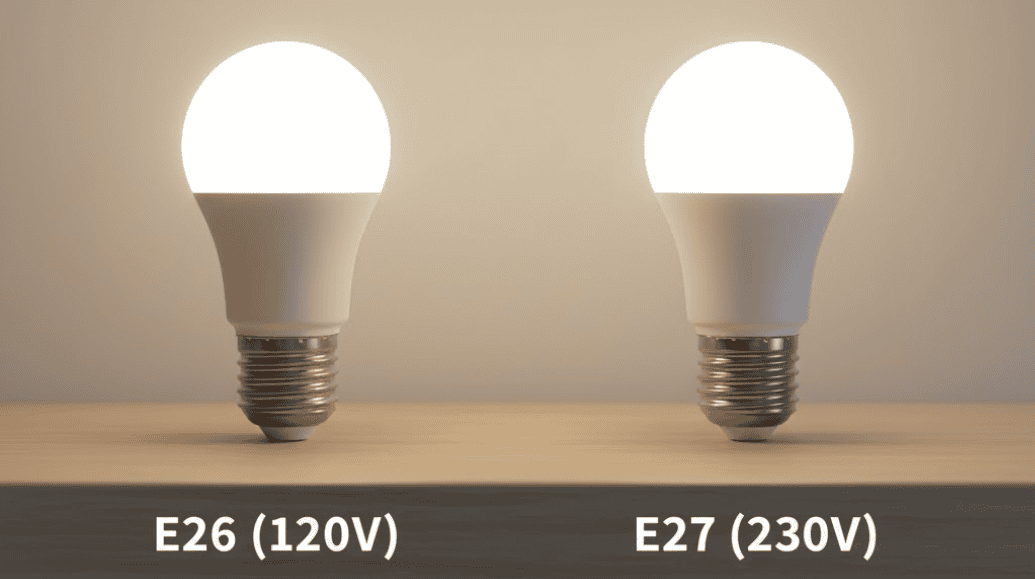
The most critical difference between these bulb types relates to their voltage:
Some E26 bulbs can handle up to 250V. However, voltage mismatches can cause overheating, a shorter lifespan, or failure. In commercial lighting, these issues can disrupt operations and lead to serious consequences.
Using an E26 bulb in a 220- 240V socket can cause short circuits, overheating, or early failure. It can also damage fixtures or materials.
Businesses should always check voltage compatibility before making bulk purchases for international use.
In industrial settings, proper voltage matching is crucial. Replacing bulbs in hard-to-reach or hazardous areas is highly expensive. It adds cost for labor and downtime, not just the bulb itself.
Regional differences extend to the governing standards for these products:
Compliance with North American and European regulations is essential for international distribution. These certifications reflect different safety standards and testing protocols across markets.
| Feature | E26 Bulb | E27 Bulb |
|---|---|---|
| Base Diameter | 26mm | 27mm |
| Common Voltage | 120V | 220V to 240V |
| Threading Standards | ANSI (American) | IEC (International) |
| Regions | U.S., Canada, Japan | Europe, Asia, Australia |
| Applications | Offices, retail stores, warehouses, hotels, industrial spaces | Factories, public spaces, outdoor lighting |
| Compatibility | Sometimes Interchangeable | Sometimes Interchangeable |
North America and Japan use a lower voltage standard. That is why E26 bulbs are designed for 110-120V circuits. The voltage is important for the internal components of the bulb.
Such as filaments in incandescent bulbs or driver circuits in LEDs. These components are calibrated for safe and efficient operation at this voltage range.
European and Asian electrical grids deliver about twice the voltage of American systems. Therefore, E27 bulbs are rated for 220- 240V. Their internal components can handle this higher voltage without overheating or failing prematurely.
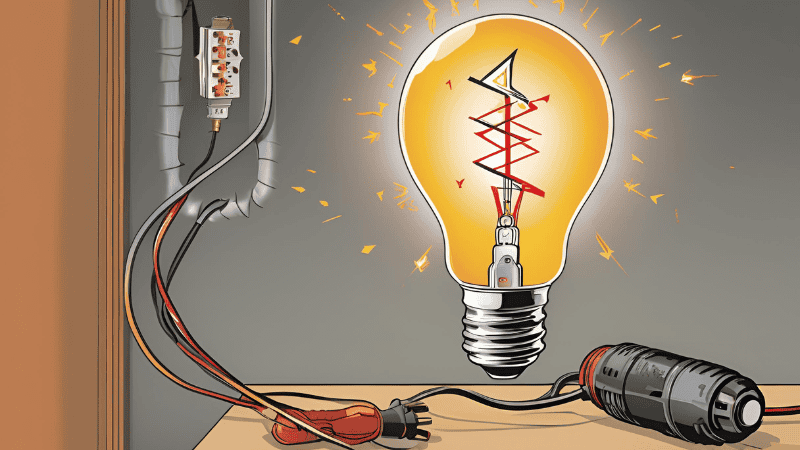
Installing an E26 bulb in a 220-240V system can cause overheating, reduce its lifespan, or create a fire hazard. Procurement professionals should always check voltage requirements when sourcing E26 or E27 bulbs.
E26 and E27 bulbs will physically fit into each other’s sockets in most cases. However, differences in base height and threading may cause loose connections.
This mechanical interchangeability often creates confusion, as the bulbs look nearly identical.
However, physical fitness alone does not ensure safe or optimal operation. This is important in commercial settings where lighting affects productivity, energy costs, and maintenance.
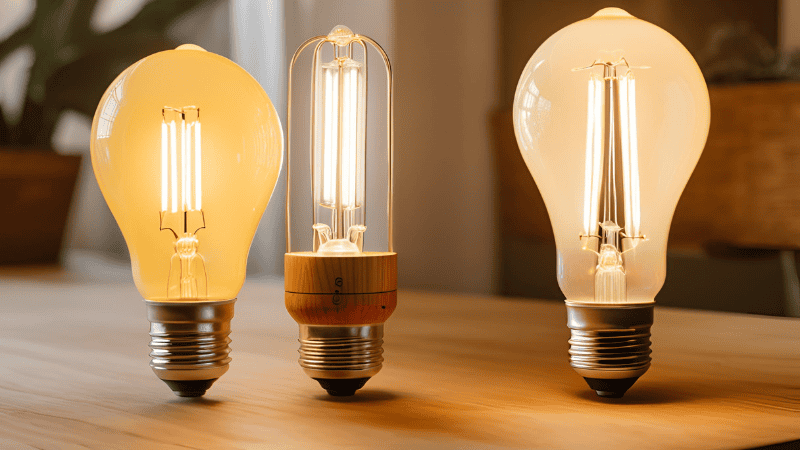
An E26 bulb used in an E27 socket is generally safe only if the voltage matches, such as in a 120V circuit with an E27 socket. Using an E26 bulb (120V) in a 220- 240V system can be dangerous.
The bulb may burn out instantly or overheat, creating a fire hazard. Modern LED bulbs with wide-range voltage drivers (100- 240V) can work in both sockets if they fit. However, always check regulatory compliance.
For B2B buyers, incorrect voltage specifications can lead to significant problems:
Pro Tip: When placing bulk orders, clearly specify voltage needs and ask for compliance certificates. For international use, create separate SKUs for E26 and E27 bulbs to avoid mix-ups.
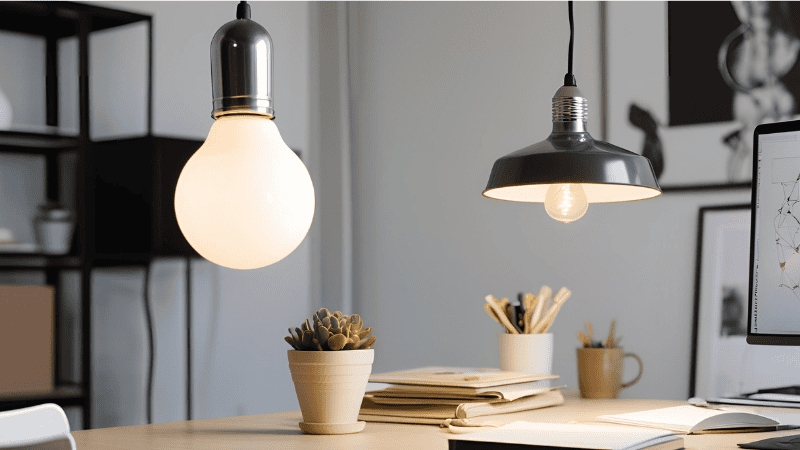
The brightness of a bulb depends on wattage, lumens, and efficiency rather than just the socket type. However, the voltage difference between E26 and E27 bulbs may impact performance.
E26 bulbs (120V) have lower wattage limits and may not produce as much light output in high-powered applications. E27 bulbs (220V-240V) can support higher wattage levels in industrial and outdoor lighting.
Use E26 bulbs in all North American retail locations and office buildings. These bulbs match the standard voltage in these regions. Your maintenance staff will find replacements easily.
Specify E27 bulbs for your European and Asian commercial facilities. This ensures proper voltage compatibility with local electrical systems.
Global retail chains should develop clear lighting standards for each regional market. This approach maintains your brand appearance while respecting electrical differences.
Consider LED options with universal voltage capabilities for your global operations. These bulbs work in both 110V and 220V systems without modification. They simplify procurement and reduce inventory confusion.
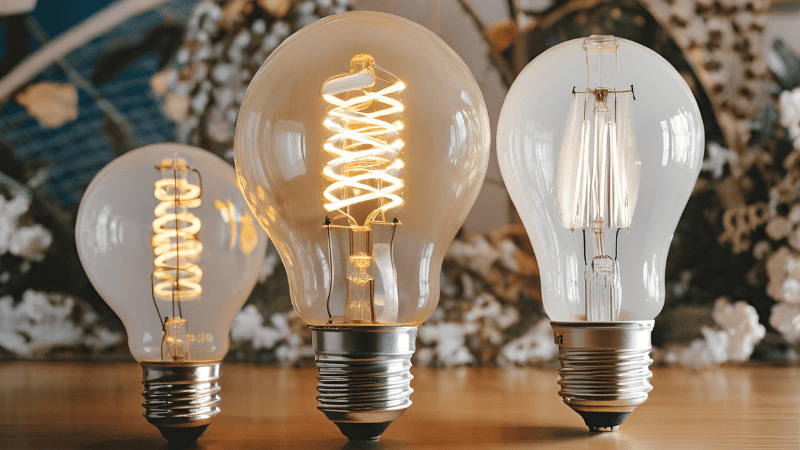
Large-scale industrial projects must verify voltage compatibility before installation begins. This simple step prevents costly electrical failures across your facility. It also protects expensive equipment from damage.
Outdoor lighting installations perform best with bulbs that exactly match local specifications. The right bulbs minimize maintenance visits to remote locations. They also extend the lifespan of your lighting infrastructure.
Critical infrastructure deserves backup lighting options that meet regional standards. These redundant systems ensure continuous operation during emergencies.
Industrial applications in hazardous environments must comply with regional certification standards. No exceptions can be made for these safety requirements. Your insurance coverage may depend on this compliance.
Companies selling in multiple markets should stock both E26 and E27 versions of their lighting products. This approach satisfies customers in all regions without compromise.
Equipment manufacturers benefit from designing fixtures compatible with both bulb types. These universal fixtures simplify your product line and reduce manufacturing complexity.
Distribution centers serving multiple regions need clear inventory separation systems. Proper labeling prevents expensive cross-shipping errors between markets. It also improves customer satisfaction.
Consider dual-voltage bulbs whenever possible to streamline your inventory management. These versatile products reduce storage requirements and simplify training for your sales team.

North America and Japan use E26 bulbs with 110- 120V systems. This standard is consistent throughout these regions for commercial buildings.
Europe, Asia, and Australia rely on E27 bulbs designed for 220- 240V electrical systems. The voltage difference is significant and affects bulb performance and safety.
Companies with multinational operations should create clear procurement guidelines for each region. These guidelines help prevent ordering mistakes and ensure proper installation.
They should specify both bulb type and voltage requirements for each facility location. Local maintenance teams need this information to make correct purchasing decisions.
Traveling equipment and mobile installations present unique challenges for lighting compatibility. Universal voltage solutions offer the best approach for these situations.
These specialized bulbs work across different electrical systems without modification. They eliminate the need to swap bulbs when moving equipment between regions with different standards.
Energy-efficient E26/E27 LED bulbs offer significant savings in hospitality settings. These bulbs perform well in areas where lights stay on for many hours each day. Consistency in color temperature helps maintain your brand image across different locations.
Your guests will experience the same visual atmosphere in every property. When calculating costs, look beyond the initial purchase price. Consider both energy usage and how often bulbs need replacement. These factors contribute to the true ownership cost over time.
Always verify the IP rating before making bulk purchases for construction projects. Check voltage specifications carefully to ensure compatibility with your systems. Compliance certifications protect you from liability and ensure worker safety.
Harsh environments require special attention to bulb durability. Make sure the bulbs you select can withstand dust, moisture, and extreme temperatures. Extended warranty options make sense for lights installed in hard-to-reach places.
Design your fixtures to work with both E26 and E27 bulbs whenever possible. This approach simplifies your product line for global markets. Your customers will appreciate the flexibility. Clear documentation prevents confusion about voltage requirements.
Include this information prominently in product literature and packaging. Universal voltage electronics solve many compatibility issues. These components allow your products to function properly across different electrical systems worldwide.
E26 and E27 bulbs look similar but have a 1mm base difference. This small detail separates major global electrical standards. For B2B buyers, understanding size, voltage, compliance, and regional differences is crucial.
Voltage compatibility is key. Using the wrong bulb can cause safety risks, failures, and high costs. Businesses operating internationally should set clear specifications to avoid cross-shipping errors.
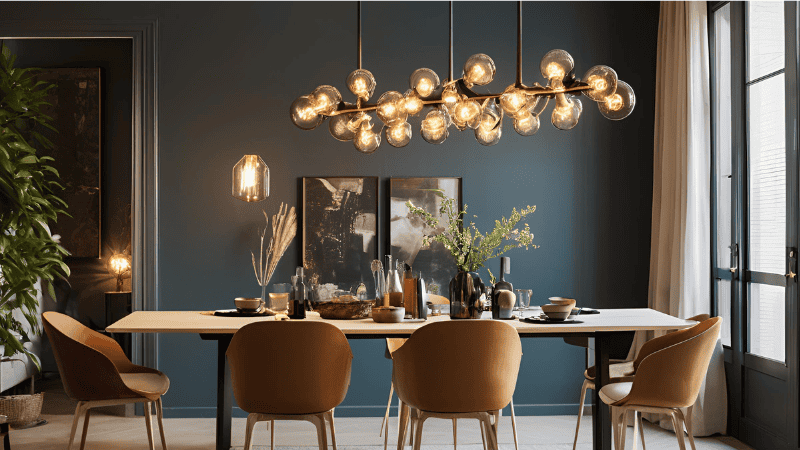
They should work with knowledgeable suppliers to avoid mistakes. Always choose certified suppliers who meet ANSI, IEC, UL, and CE standards for your market.
Being a top provider of industrial and commercial lighting, we provide E26 and E27 bulbs for many uses. See our product list for high-quality lighting solutions.
Our engineering team understands the critical differences between regional standards. They can help you select the perfect lighting solution for any application.
Need expert guidance or bulk purchases? Contact our team for lighting solutions tailored to your business needs.
Lighting is crucial for appealing ambiance and functionality in commercial areas.
Let’s explore the differences between RGB lights and RGBW lights, and how you can choose the best for you.
We will cover a few considerations for wholesale purchases so you can make a better decision.
RGB stands for red, green, and blue. RGB LED lights create a versatile range of colors by blending these three primary colors.
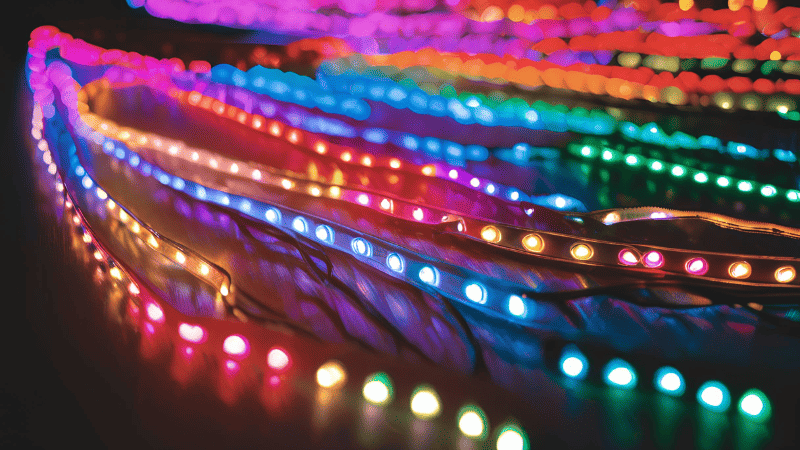
These lights can produce millions of shades and hues by just adjusting the intensity of each color, and this makes them an adaptable option.
RGB lights basically rely on the principle of the additive color mixing technique. You can produce a spectrum of colors by mixing red, green, and blue lights, and you can also produce white light.
However, achieving a white shade is challenging. Why? Because it requires a precise balancing of all the primary colors.
There are many uses for these RGB LEDs:
RGB LED offers many benefits, being more energy efficient than traditional lighting. They provide a wide color range and creative lighting designs. You can get customized lighting options that suit your specific needs.
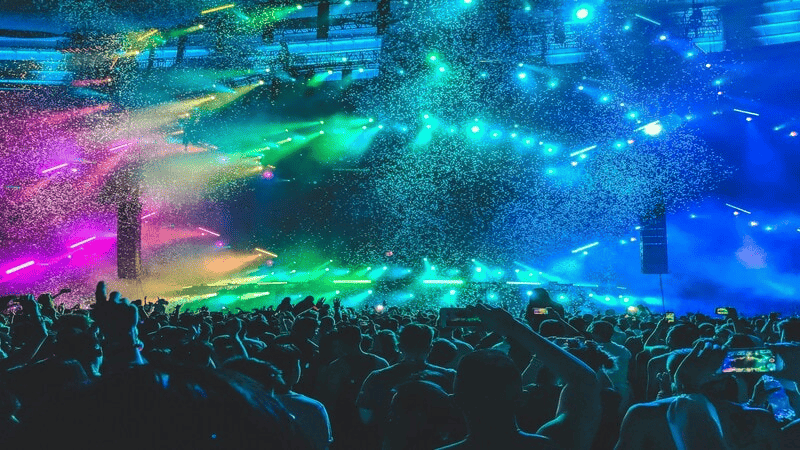
RGBW stands for red, green, blue, and white. It is one step more advanced technology than RGB because it includes white LEDs, too.
The white LED addition allows RGBW lights to produce true white lights and a great range of other colors. This may include a bunch of soft, pastel shades.
RGBW lights blend a standard RGB LED-specific color mixing technique with a white channel.
The white LED in RGBW lights helps in enhancing the brightness and color accuracy.
Thus making it an ideal option for both true white light and vibrant color production.
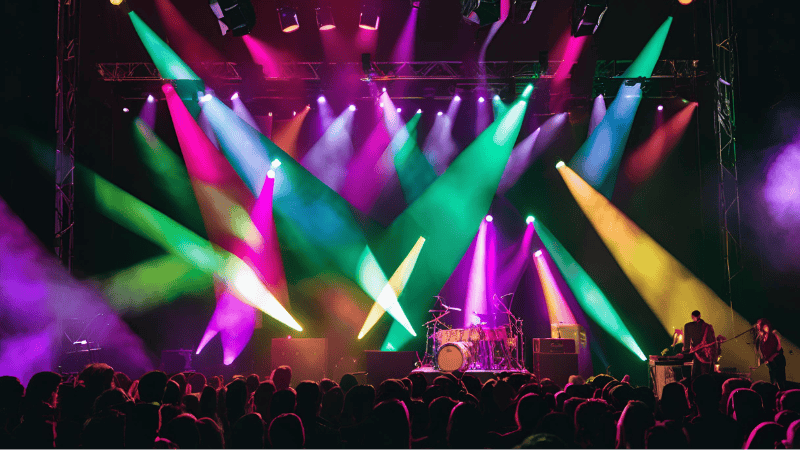
There are many applications of RGBW lights:
RGBW lights are considered a versatile choice for commercial use, mostly because of their ability to create vivid colors and high-quality white luminance.
| Feature | RGB Lights | RGBW Lights |
|---|---|---|
| Color components | Red, Green, Blue | Red, Green, Blue and White |
| White light | Simulated through color mixing | True white light from white LED |
| Energy efficiency | Efficient for colored light | More efficient for white light |
| Cost | Lower initial cost | Higher hue due to additional white LED |
| Brightness | Limited by color mixing | Brighter and more vibrant |
The main difference between RGB and RGBW lighting basically lies in their functionality and design. Here is the breakdown:
Let’s explore the key characteristics of RGB LEDs:
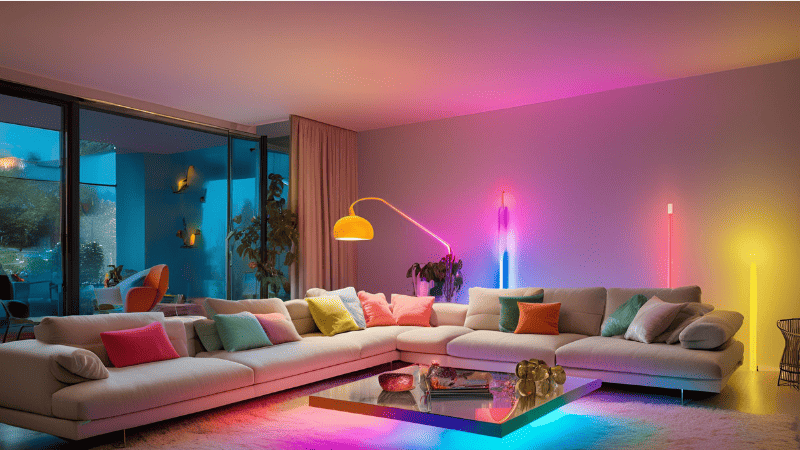
It includes three colors (red, green, and blue) to produce a wider range of tones and shades.
Using RGB color LEDs to produce pure white light is a little difficult, as it requires balanced light intensities. This procedure often results in off-white or slightly bluish tones.
RGB LEDs have less color brightness due to the absence of a white shade.
Color accuracy is excellent for many colors, but producing a true, clean white is difficult.
RGB LEDs are less energy efficient when producing white light. To attain a specific level of brightness with RGB LEDs, you might need to increase the power of the LEDs.
RGB LEDs, like LED light bulbs, panel lights, LED strips, and special outdoor lighting, are less expensive and more common.
RGBW has the following characteristics:
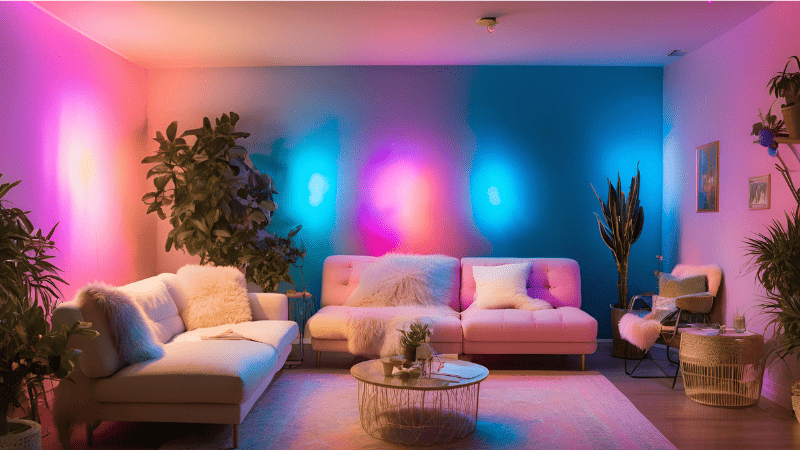
When you add a white LED to an RGB color model, it makes true white light and a wider range of colors, including soft pastel shades.
This white LED can be in warm white or cool white, both based on the desired color temperature.
RGBW delivers brighter whites and more vivid colors and is ideal for applications where color precision seems critical. Color accuracy is also superior, particularly in softer color shades.
When making white light, RGBW electronic systems use less power. While RGB LEDs use more power and light intensity. RGBW white LEDs don’t have to mix colors to make pure white color.
RGBW lights have higher upfront costs. Their long-term benefits also justify the investments, especially for commercial uses.
Choosing between RGB and RGBW LEDs for commercial areas affects both the aesthetic appeal and energy efficiency of that space.
If B2B purchasers are looking for the best lighting solutions, they must understand the precision of color mixing. They must also know about the useful uses of each system.
RGBW light provides many advantages when used in retail displays, event lighting, and art installations.
These LEDs generate precise white light. So, it offers more versatility for product displays or ambient lighting.
In contrast, RGB LEDs can also create white light from three primary colors—red, green, and blue. But producing white light with precision and color filters is a challenging task.
Consumption of energy is an important consideration for business-to-business purchasers.
When it comes to creating white light, RGBW LEDs are often more energy-efficient than RGB LEDs. Both RGB and RGBW LEDs are more efficient than traditional incandescent or halogen LED lights.
And support businesses in providing long-term energy and cost savings solutions.
Incandescent and halogen LEDs produce light by heating a filament until it glows. The process called incandescence results in the production of a large quantity of heat.
It consumes a lot of electrical energy that is lost and does not convert into light. About 5 to 10% of the energy is converted into light, which indicates that they are very inefficient.
There is a loss of heat equal to 90–95% of the total.
The efficiency of LEDs is far better than that of incandescent and halogen lights since LEDs convert a significantly larger proportion of electrical energy into light.
They are capable of achieving efficiencies of 70–80 percent or even higher.
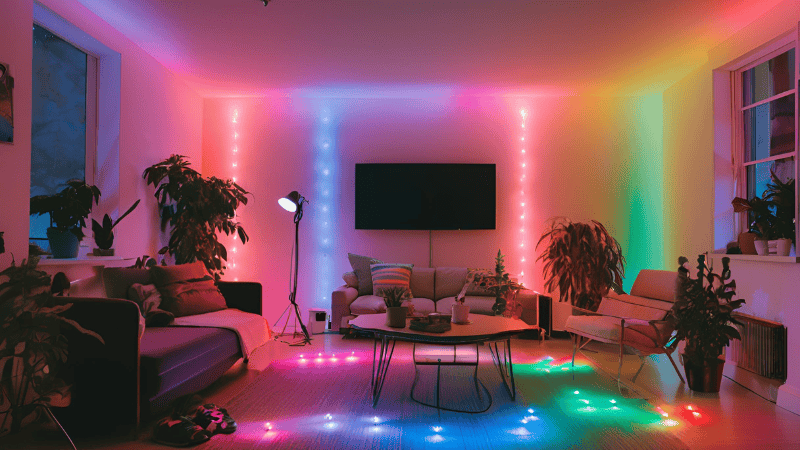
It’s important to understand the different purposes RGB and RGBW lighting serve when one considers their practical applications in business places.
People mostly use three colors of RGB LEDs for mood and artistic lighting. They’re great at making bright colors, but they don’t work well with pure white light.
So, these lights can be perfect for spaces like entertainment, clubs, and dynamic displays.
These lights generate outstanding white light and offer improved color precision. So, consider it appropriate for work-related areas and decorative lighting.
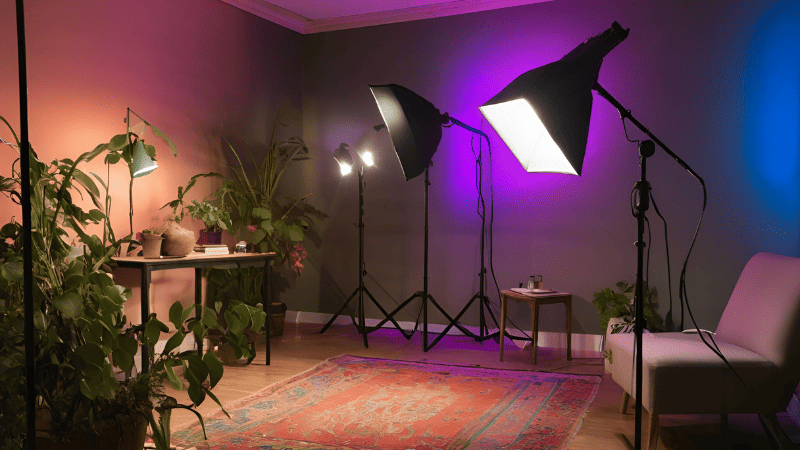
RGBW offers a sophisticated ambiance. RGB delivers vivid color lighting for event venues, including lounges and patios.
RGB offers vibrant, dynamic effects; RGBW guarantees exact color fidelity and ambiance.
While RGB improves decoration components and dynamic effects. RGBW generates real whites for product displays.
With both brilliant white light and colorful effects, RGBW is ideal for parks and outdoor eateries.
RGBW provides visual appeal and functional lighting in commercial areas and offices.
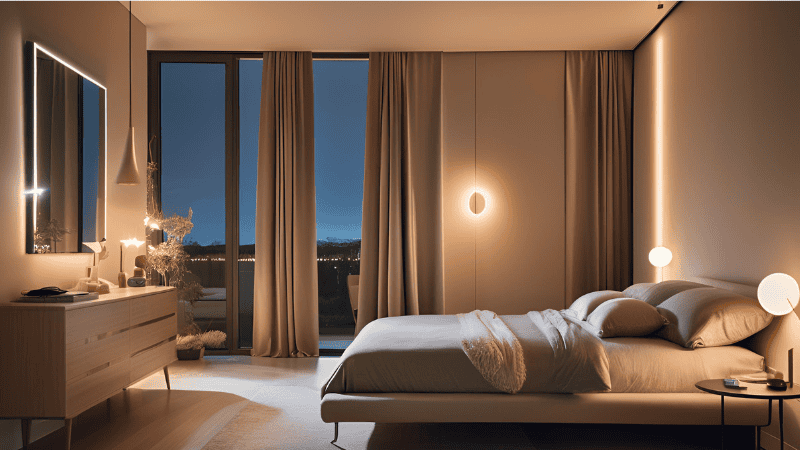
Cost, quality, and application are critical factors when comparing RGB and RGBW lighting for wholesale purchases.
RGB LED lights are typically less expensive because they are designed simply. Because they do not include a dedicated white LED light.
These LEDs are well-suited for applications that emphasize color, such as decorative or entertainment area lighting.
When you work with digital cameras or other high-end equipment, high levels of color depth are important in those spaces.
Also, the proper display of the RGBW LED system is essential.
But blending three primary colors—red, green, and blue—to create white light can lead to higher energy consumption and a less pure, tinted white light. And it could potentially affect long-term costs.
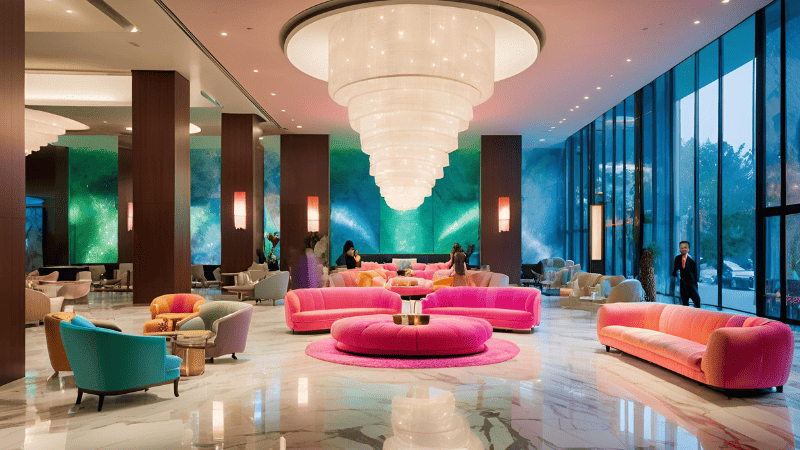
While RGBW lights incorporate a white LED that is only designed specifically for this purpose, resulting in a brighter and pure white light.
This option is more energy-efficient. This makes RGBW LEDs more appropriate for applications that require high-quality illumination, such as architectural or retail store lighting.
Although RGBW LEDs’ initial cost is higher, the light quality and energy-saving properties make it worth buying for commercial places.
RGB LEDs are more cost-effective for large-scale projects with limited budgets due to their large per-unit discounts when purchased in quantity.
Bulk discounts are also available for RGBW lights, but their elevated initial price ensures that they remain pricier in the long term.
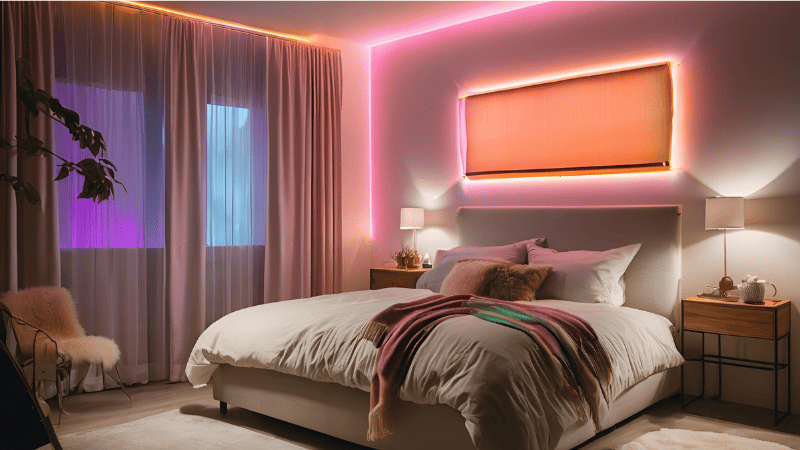
Depending on use and quality, RGB and RGBW LEDs usually have a 15,000 to 50,000-hour lifespan.
RGBW LEDs might have a slight advantage in their lifetime because the dedicated white LED reduces stress on the colored LEDs while generating white light.
RGB LEDs, on the other hand, depend on color mixing to produce white, which over time can cause individual diodes to wear out more quickly.
Temperature and humidity can significantly affect the lifetime of RGB and RGBW LEDs.
While humidity could contribute to corrosion or electronic problems, particularly in outdoor or industrial areas.
And high temperatures might cause LEDs to deteriorate more quickly.
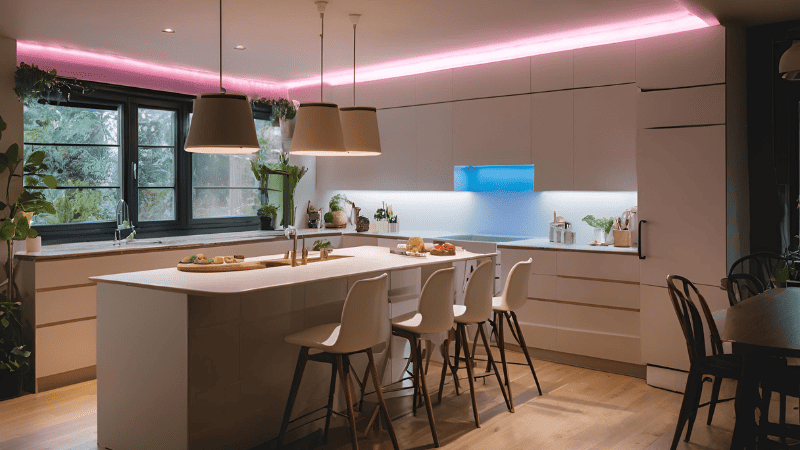
Maintaining the durability of these LEDs in demanding spaces depends critically on appropriate heating dissipation and sealing systems.
RGBW LEDs may generate less heat due to the already present white LED than RGB LEDs, which require great attention to provide white light.
RGBW LEDs are often more robust in heavy-use environments.
Their capacity to provide white light without overloading the colorful LEDs makes the components less stressed and increases their lifetime.
Furthermore, RGBW lights are preferable in highly demanded places like industrial lighting or outdoor installations. Because they frequently have superior heat management accuracy.
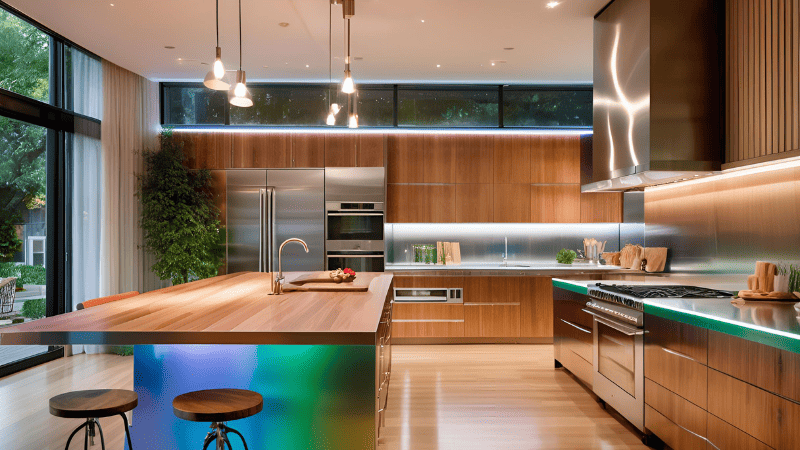
There are many customization options for RGB and RGBW LEDs. Let’s discuss a few in detail:
RGB LEDs can produce an extensive array of colors by blending three primary colors—red, green, and blue LEDs.
These lights are ideal for bold, bright lighting effects and applications where a broader spectrum of colors is required, like for concerts and parties.
Though featuring a dedicated white LED for true whites and softer pastel tones, RGBW has the same and more distinctive color range as RGB LEDs.
Because of this, RGBW lights are better for places that need both bright and high-quality white light, like outdoor lobbies, stores, or hotels.
Both RGB and RGBW LED lights can be converted into various forms, sizes, and fixtures. For example, RGBW LED strips, panels, or LED light bulbs to suit individual project requirements.
RGBW LEDs are especially useful for designing those areas that need precise white light, such as architectural or task lighting.
Businesses have the option of collaborating with suppliers to develop customized solutions, such as curved strip lights, modular panels, or specialized LED bulb options.
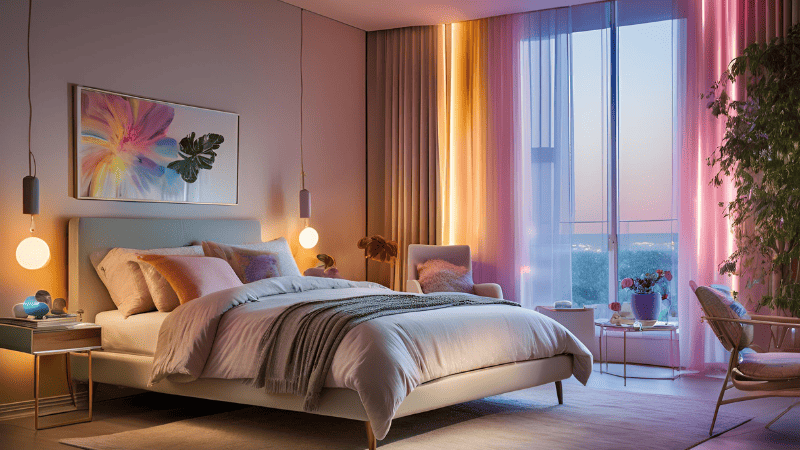
Both RGB and RGBW LED systems can be privately labeled, enabling businesses to mark products for resale or the installation process.
Customization in packaging with logos, branding, and product information helps suppliers build a consistent brand experience.
Selecting the correct LED lighting system requires a comprehensive awareness of your business’s needs. RGB shines on dynamic color screens and is perfect for entertainment venues.
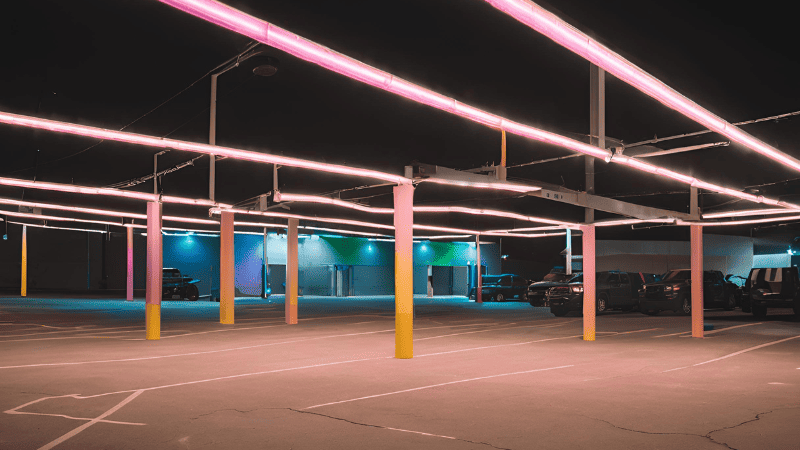
RGBW gives flexibility with both vivid colors and useful white light for commercial areas like businesses, retail shops, and display galleries.
RGBW’s energy conservation and durability can provide superior value for long-term applications.
Consult LED lighting providers for personalized guidance based on your space, budget, and objectives.
They can help you through installation and customization to make sure you choose a system best suited to your operating goals and maximize your surroundings.
RGB and RGBW light bulk purchasing and wholesale buying need strategic planning and supplier selection. Consider these factors before ordering in bulk:
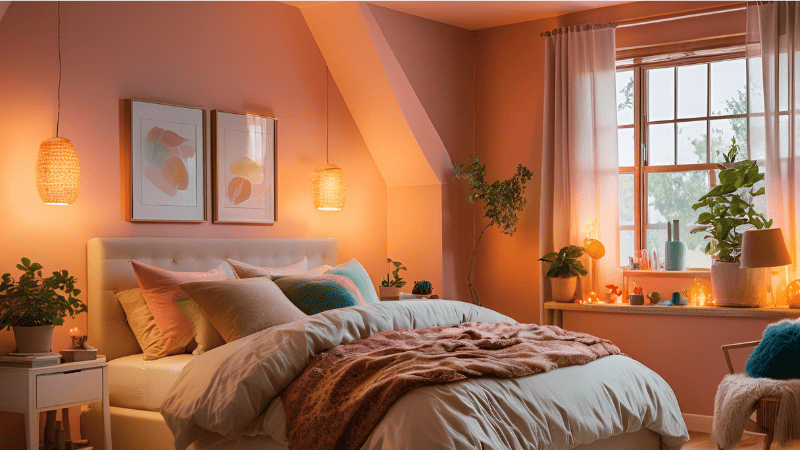
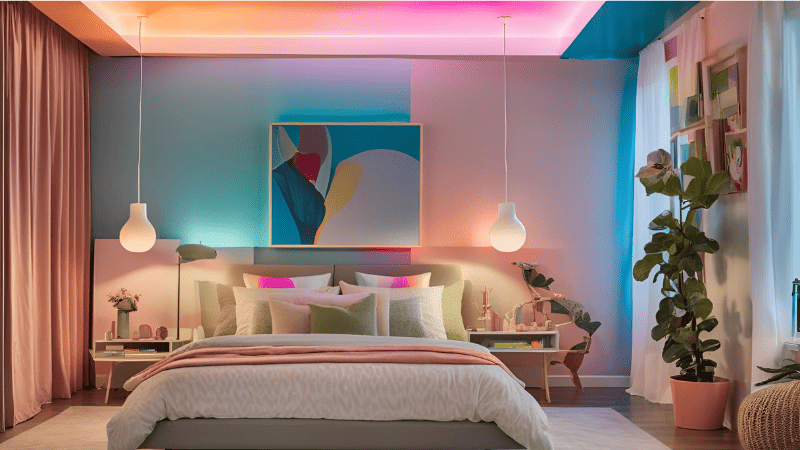
The LED lighting market is changing rapidly due to RGB and RGBW technology advancements.
These advances improve lighting system performance and efficiency and increase their use in residential, business, and entertainment areas.
Future RGB and RGBW LEDs will have improved color accuracy and brightness due to developments in LED chip technology.
These improvements will make commercial and residential lighting brighter and more realistic.
Integrating RGB and RGBW lights with smart home systems and IoT devices will change lighting control.
Voice control, app-based handling, and automation let users customize lighting scenarios. Daytime, mood, and activity might automatically alter lighting.
As sustainability becomes a priority, LED technology will minimize energy consumption and increase RGB and RGBW LED lifespans.
These LEDs will become more eco-friendly and cost-effective for large-scale commercial applications.
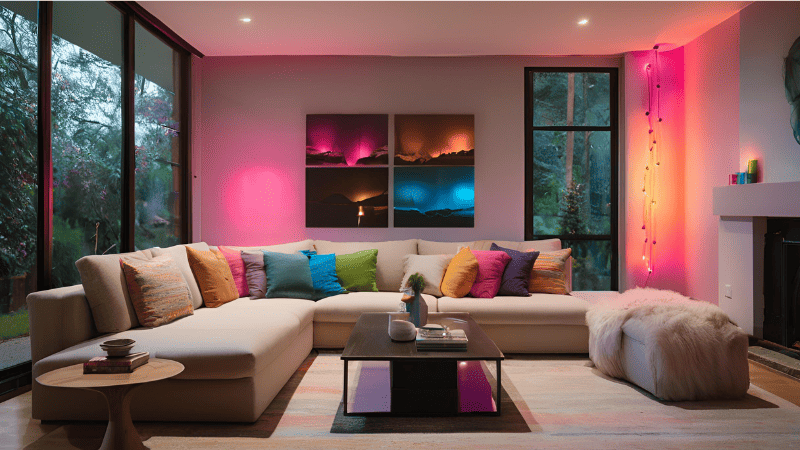
RGBW lighting is popular in high-end locations like museums, retail shops, and corporate offices for its brilliant colors and true white light.
Its efficient energy use and versatility make it ideal for immersive and practical settings.
RGB lighting dominates concerts, theaters, and gatherings.
RGB LEDs might enhance immersive VR and AR experiences with dynamic lighting effects in the future.
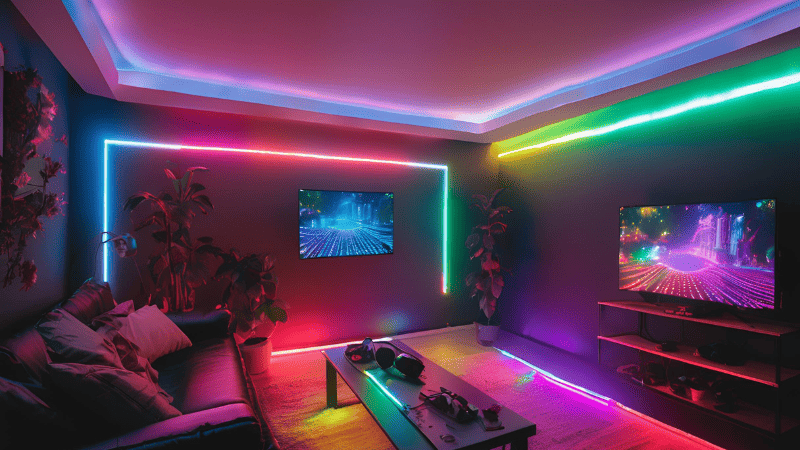
RGB LEDs are great for creating vibrant color displays, making them perfect for entertainment and decoration. However, they’re not the best at producing true white light.
On the other hand, RGBW offers both colorful lighting and functional white light, making it ideal for spaces like retail stores, hotels, and offices. It’s also more energy-efficient and flexible.
To find the best lighting solution for your business, it’s a good idea to reach out to trusted suppliers for a personalized quote and more information.
When you talk to us, Risun Corp, you’ll get more than just a product catalog — you’ll get a partner who understands your project. We’ll help you choose the perfect RGB or RGBW solution, unlock better wholesale pricing, and design lighting that makes your space stand out.
Reach out today — and see how the right lighting can save you costs, boost efficiency, and give your business the professional edge it deserves.
Ready to get started ?
Send Your Inquiry

Our team will get back to you promptly

please
download
Get notified about new products
Our team will get back to you promptly!